• Product
  • Suppliers
  • Manufacturers
  • Solutions
  • Free tools
  • Knowledges
  • Experts
  • Communities
Search


Free Expert Guides on Power Systems, Circuit Design & Electrical Troubleshooting

Access free engineering resources from IEE Business—covering power design, circuit layout, equipment selection, and troubleshooting. Expert-developed guides help engineers, procurement, and project teams make better decisions. Stay ahead on smart grids, renewables, efficiency, and AI tools. Improve reliability, reduce downtime, and enhance outcomes with real-world solutions. Explore our knowledge hub today.
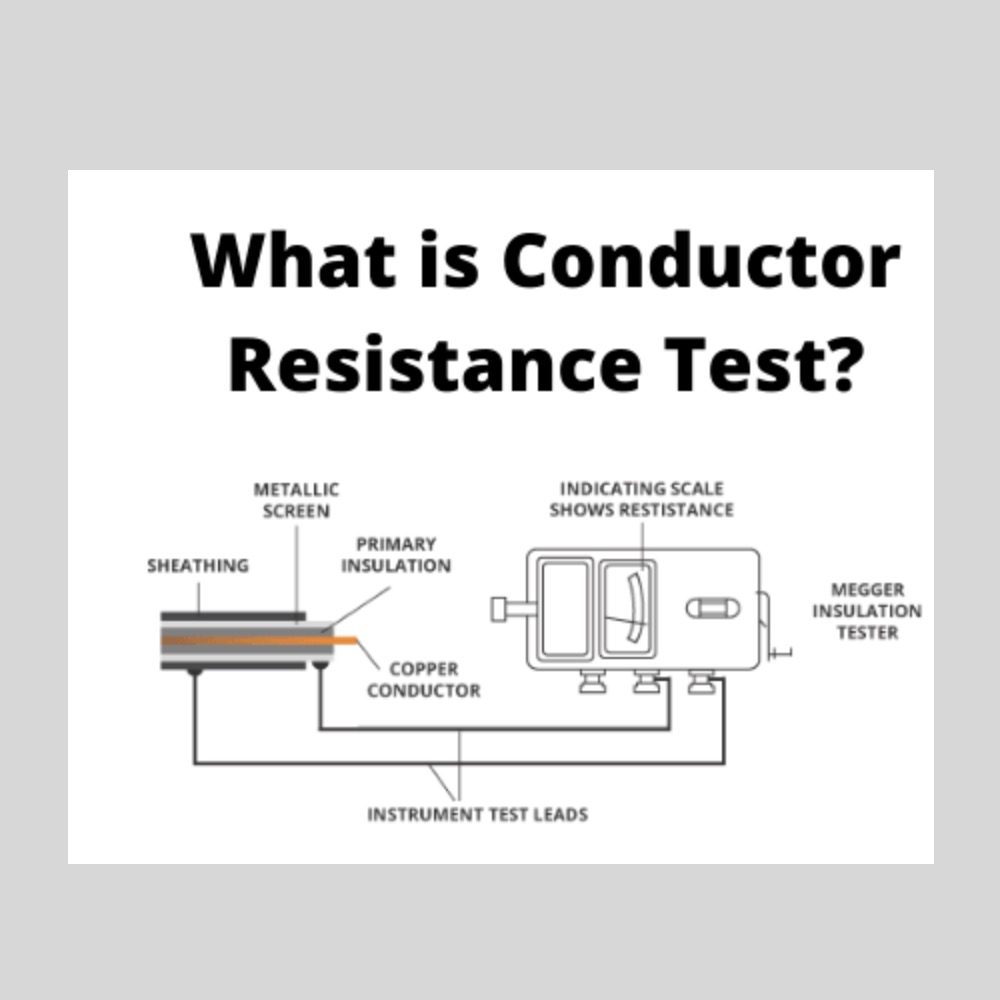
Conductor Resistance Test of Electrical Power Cables
This test is used to determine the DC resistance of copper or aluminum conductors. Resistance of a conductor tells us how easily a conductor allows the flow of current through it. Higher the resistance, lesser the current will flow though the conductor. Resistance of a conductor is influenced by conductor dimension and construction, conditions like, temperature and resistivity. It is normally expressed as ohms per km.This test will make use of either Kelvin Double Bridge with accuracy of 0.2 per
03/22/2024
Consult
Tip
Consult
Tip
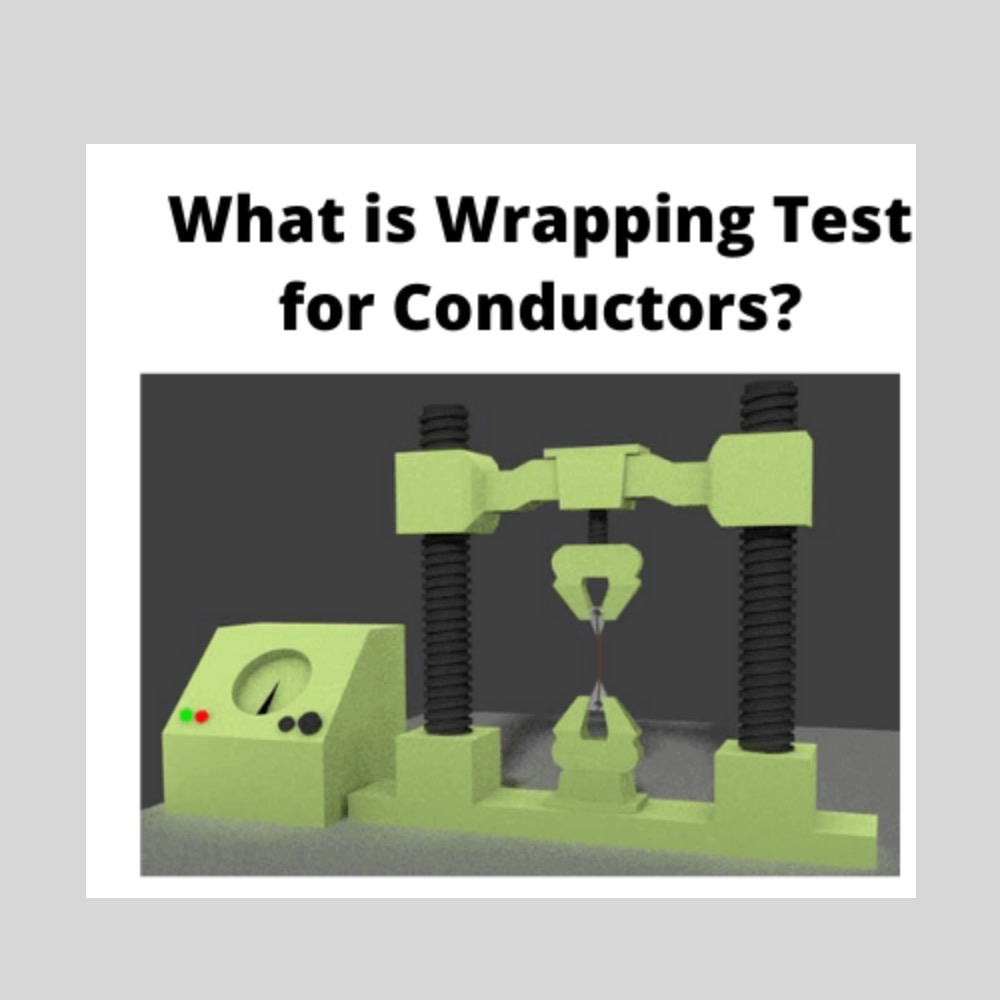
Wrapping Test for Conductors
This test is done on aluminum wire used as conductor in power cables to determine its ductility. Ductility of a conductor is nothing but the property of how easily it can be wound and twisted. Higher the ductility, easily the material can be wound and twisted without its breaking. This property plays the significant role during manufacturing and installation process where the cable is subjected to torsion due to axial twist and might break. Hence, this wrapping test ensures suitability of alumin
03/22/2024
Consult
Tip
Consult
Tip
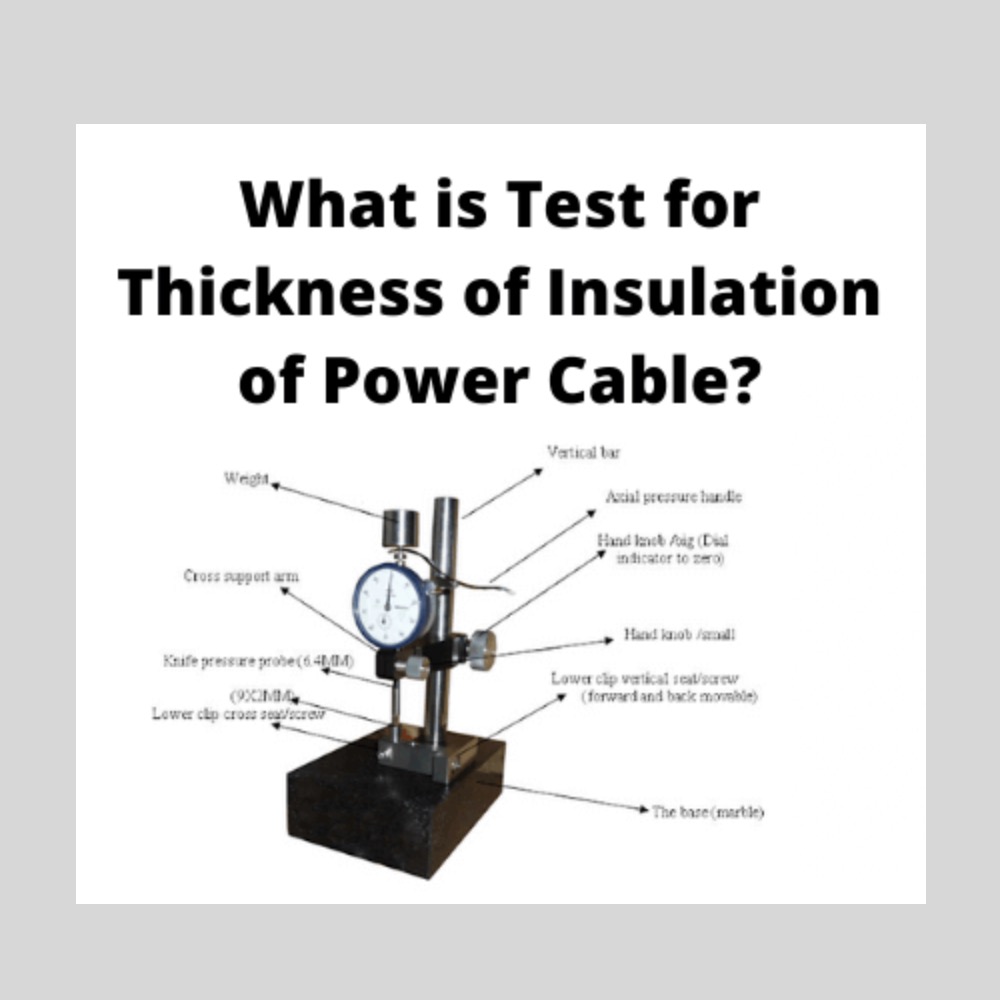
Test for Thickness of Insulation of Power Cable
This test covers the technique to confirm the thickness of insulation and sheath of electric power cables. Adequate thickness of insulation and sheath is provided to power cable meet up the voltage stresses and mechanical stresses imposed on the cable during its service life. The measurement of such thickness is necessary to verify whether it is as per specified limit or not. These dimensions ensure safe and reliable performance of the cable.Apparatus required to test for thickness of insulation
03/22/2024
Consult
Tip
Consult
Tip
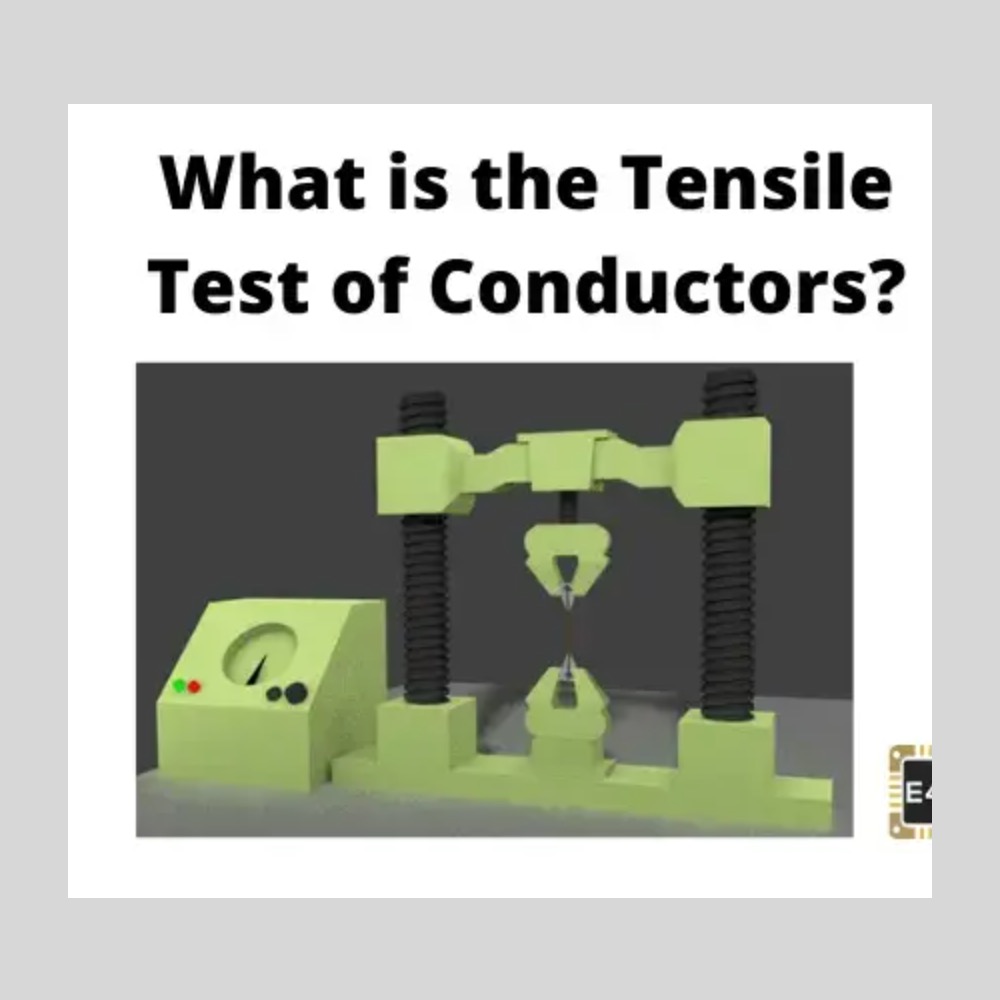
Tensile Test of Conductors
This test is performed only to confirm tensile strength of aluminum wires used for conductor in electric power cables. This test is significantly performed on conductor material to judge the strength of this material. A cable conductor is often subjected to pull from one end during laying, installing and manufacturing hence it should be strong enough to tolerate the pulling force as well. Hence it becomes necessary to ensure that the conductor material has sufficient tensile strength.Apparatus r
03/22/2024
Consult
Tip
Consult
Tip
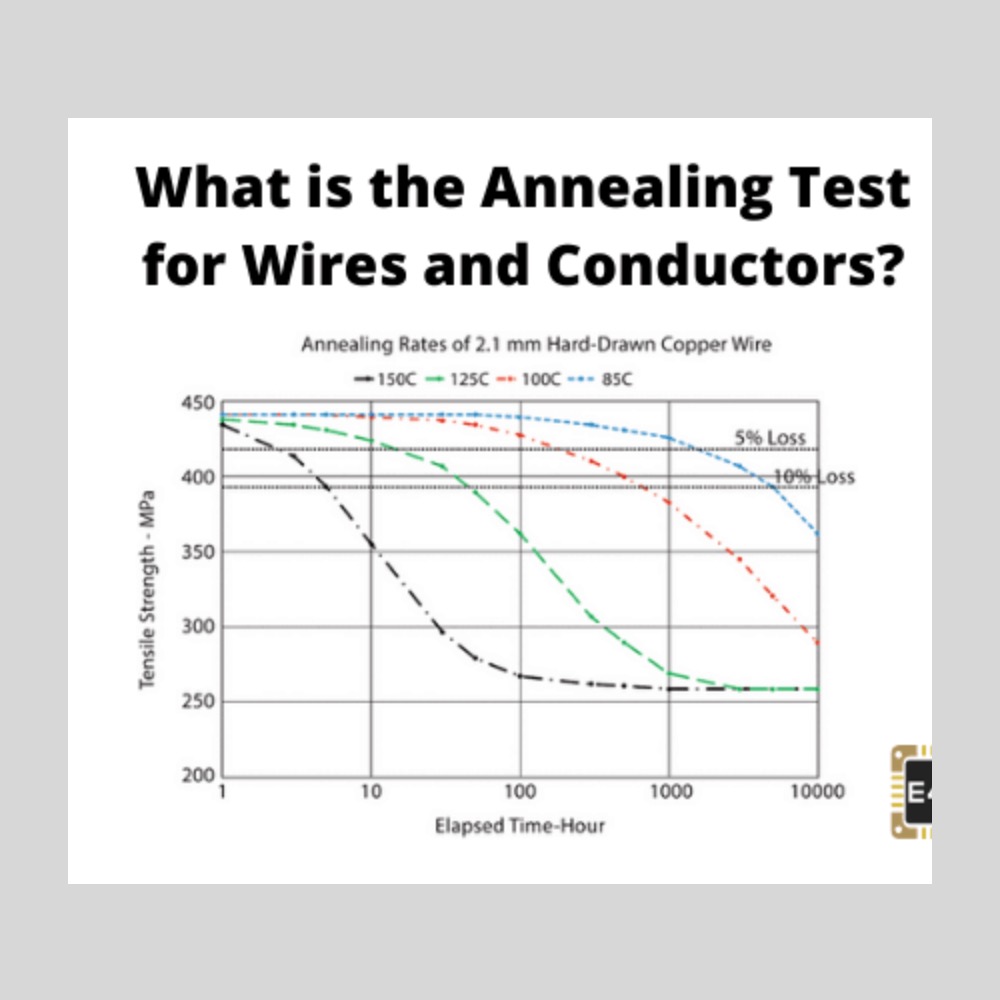
Annealing Test for Wires and Conductors
This test is normally carried on annealed copper wires, aluminum wires for welding cables and solid conductors of electric power cables. The current carrier conductors of power cable is subjected to twist and bend during laying and installation hence it should be flexible enough to take any desired bending and twisting without breaking and cracking. Annealing test for wires and conductors is performed to confirm the durability of conductor during twisting and bending.Process of annealing test fo
03/22/2024
Consult
Tip
Consult
Tip
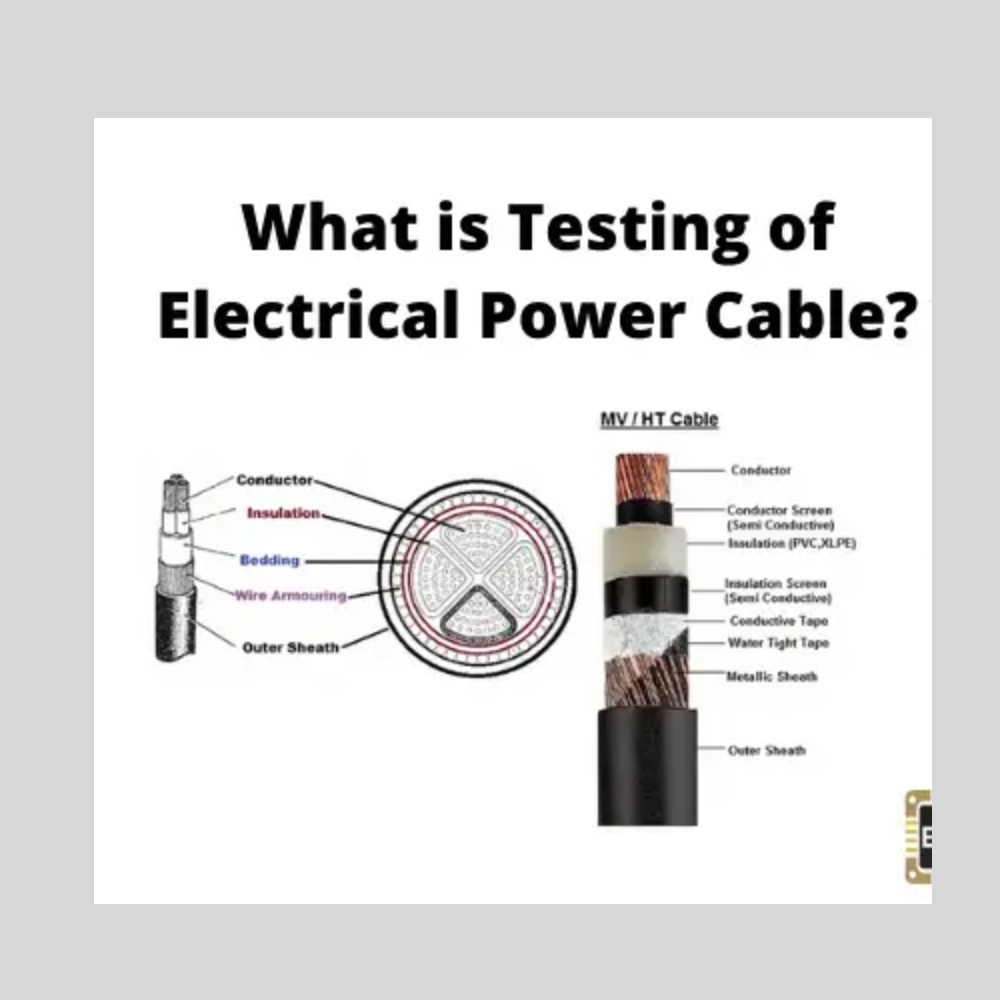
Testing of Electrical Power Cable | Type Test | Acceptance Test | Routine Test
The following tests are the type test ofelectrical powercable.Physical tests for insulation and sheath Tensile strength and elongation at break Aging in an air oven Aging in air bomb Aging in an oxygen bomb Hot set Oil resistance Tear resistance Insulation resistance High voltage (water immersion) test Flammability test (only for SE-3, SE-4) Water abortion test (for insulation) Persulphate test (for copper ) Annealing test(for copper) Tensile test(for Aluminium) Wrapping test(
03/22/2024
Consult
Tip
Consult
Tip
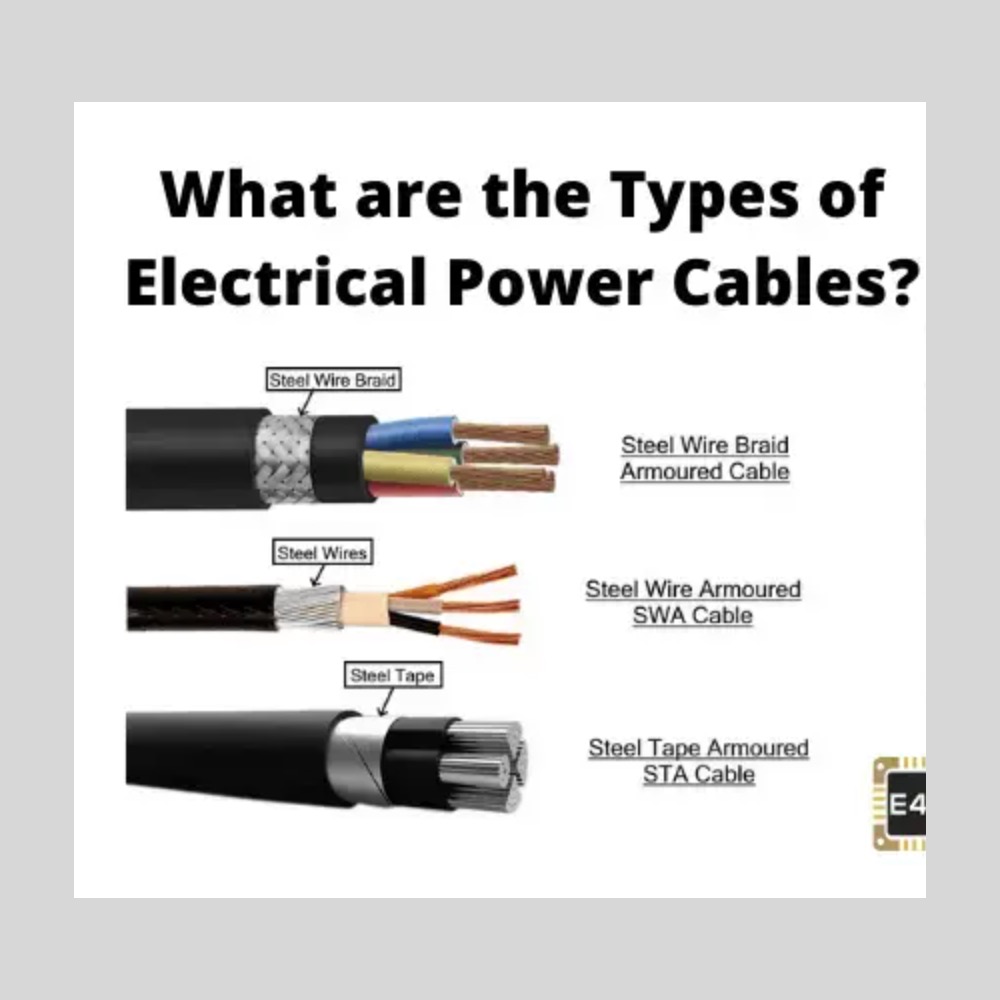
Types of Electrical Power Cables (Sizes & Ratings)
Electric power can be transmitted or distributed either by overhead transmission systems or by underground cables. Cables are mainly designed for a specific requirement. Power cables are mainly used for power transmission and distribution purposes. It is an assembly of one or more individually insulated electrical conductors, usually held together with an overall sheath. The assembly is used for transmission and distribution of electrical power.Electrical power cables may be installed as permane
03/22/2024
Consult
Tip
Consult
Tip
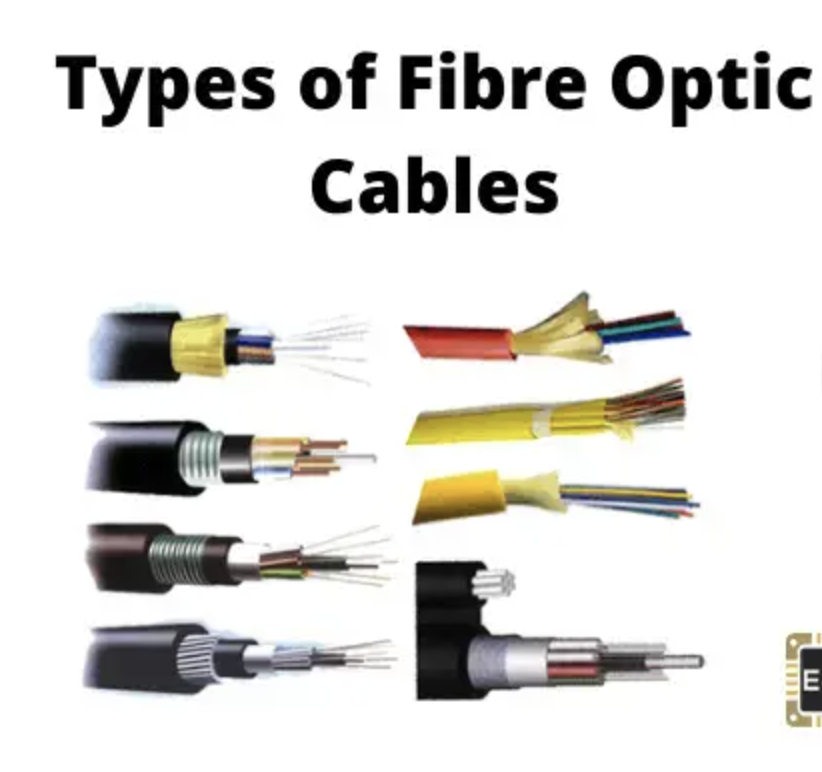
Fiber Optic Cable Types & What They Are Used For
What are Fiber Optics Cables Used For?Fiber optic cables (also known as optical fiber cable) are network cables that contain many strands of fine glass fibers known as optical fibers, which are kept well-insulated within the body of the cable. These cables are created for the use of long-distance, high-performance data networking, and telecommunications. Signals are transmitted through these cables by firing pulses of light through these optical fibers.In comparison to a copper-wired cable, fibe
03/22/2024
Consult
Tip
Consult
Tip
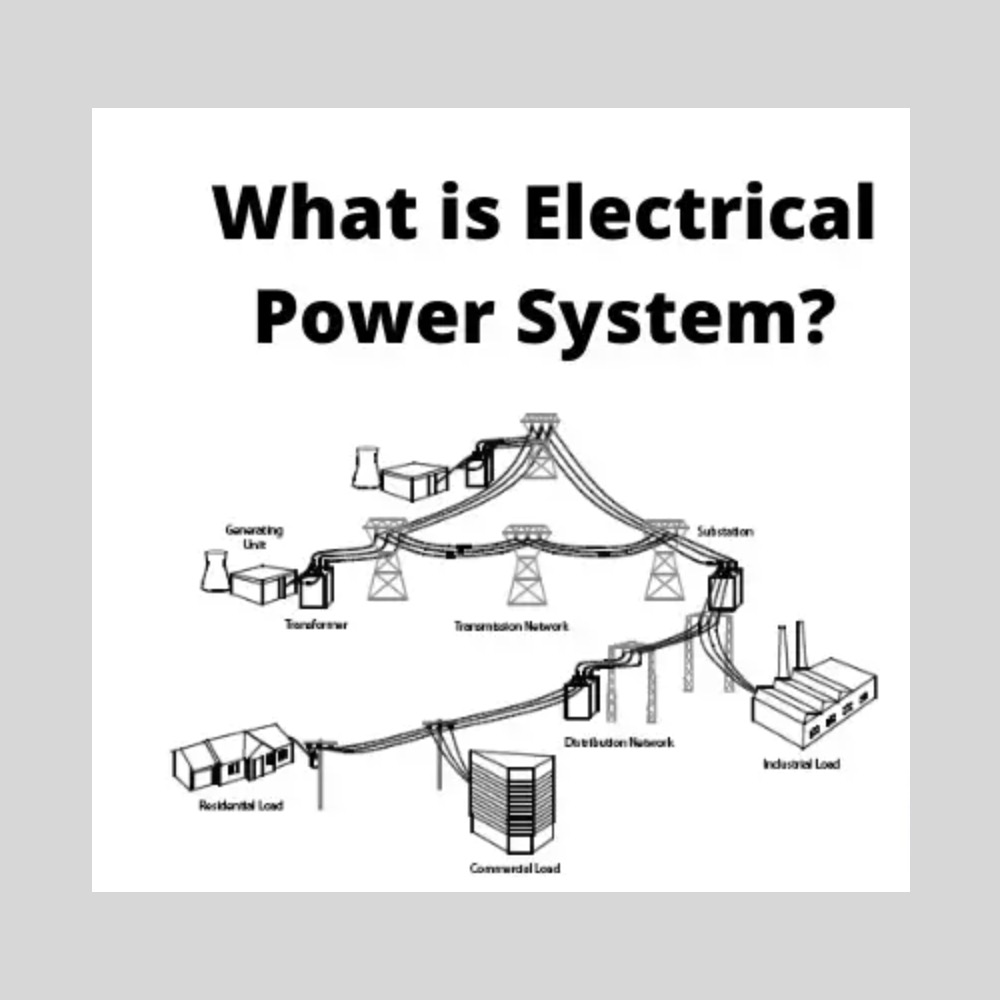
Electrical Power System: What is it? (Power System Basics)
What is a Power System?An electric power system is defined as a network of electrical components used to supply, transfer, and consume electric power. The supply is done through some form of generation (e.g. a power plant), the transfer is done through a transmission (via a transmission line) and distribution system, and the consumption can be through residential applications such as powering the lights or air conditioning in your home, or via industrial applications such as the operation of lar
03/22/2024
Consult
Tip
Consult
Tip
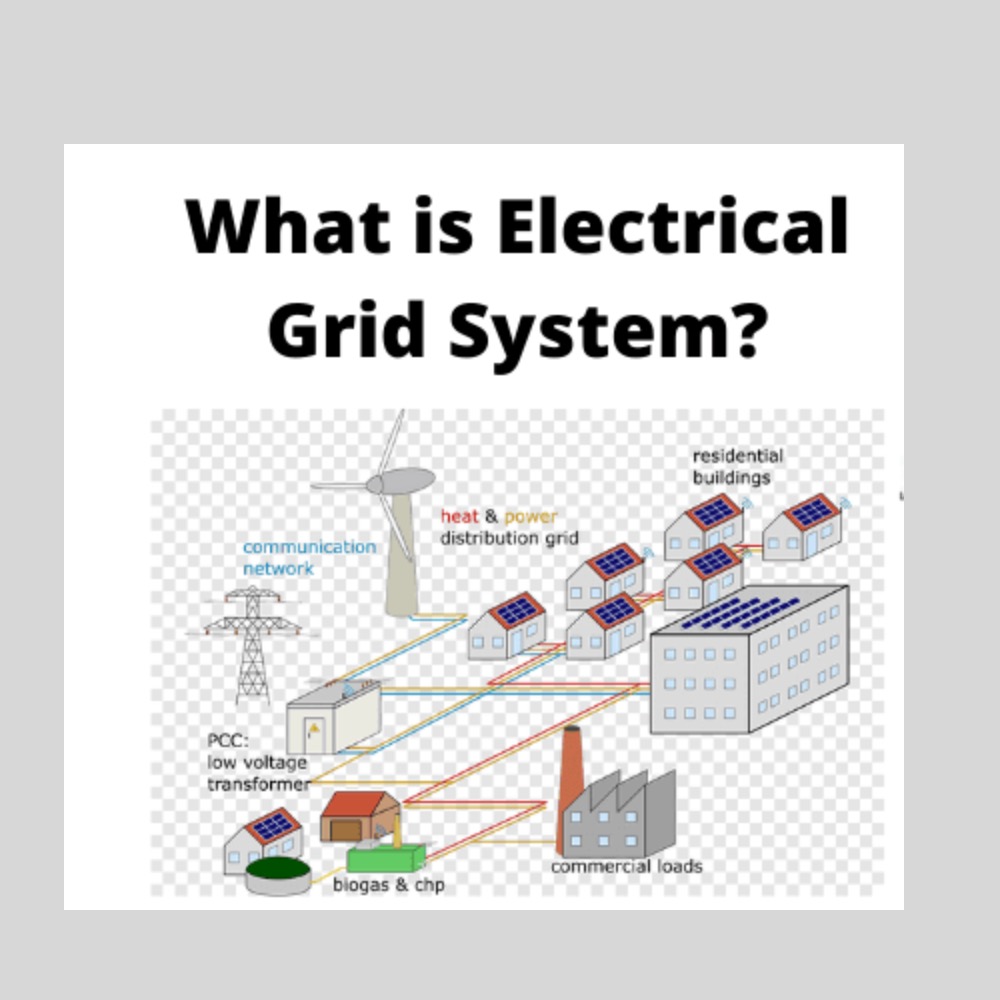
Electrical Grid System
The connection of several generating stations in a network of particular transmission voltage level is commonly known as electrical grid system. By interconnecting different power generating stations we can solve various difficulties arise in power system. The structure, or “network topology” of a grid can vary depending on the the load and generation characteristics, constraints of budget and the requirements for system reliability. The physical layout is often forced by the geology and land av
03/22/2024
Consult
Tip
Consult
Tip
Send inquiry
+86
Click to upload file
Download
Get the IEE Business Application
Use the IEE-Business app to find equipment, obtain solutions, connect with experts, and participate in industry collaboration anytime, anywhere—fully supporting the development of your power projects and business.