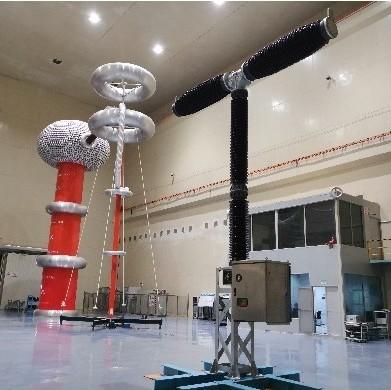
It has been reported by a Chinese column-type circuit breaker manufacturer that its independently developed LW62-420/T5000-63 column-type circuit breaker has successfully passed the full set of type tests in accordance with IEC standards, marking the birth of China’s first double-break, grading-capacitor-free circuit breaker at Pinggao.In recent years, the Chinese column-type circuit breaker manufacturer has focused on breaking through key technologies such as high-breaking-capacity, low-operati
11/20/2025
Consult
Tip

Many people have asked me: “What’s the difference between a recloser and a pole-mounted circuit breaker?” It’s hard to explain in one sentence, so I’ve written this article to clarify. In fact, reclosers and pole-mounted circuit breakers serve very similar purposes—they are both used for control, protection, and monitoring on outdoor overhead distribution lines. However, there are significant differences in the details. Let’s examine them one by one.1.Different MarketsThis may be the biggest dis
11/19/2025
Consult
Tip
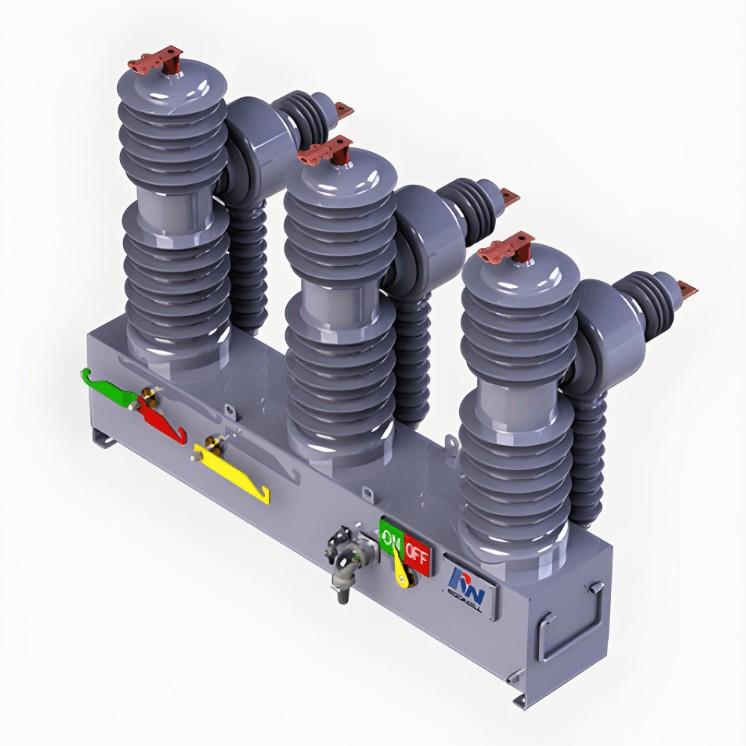
1. What is a Recloser?A recloser is an automated high-voltage electrical switch. Similar to a circuit breaker in household electrical systems, it interrupts power when a fault—such as a short circuit—occurs. However, unlike a household circuit breaker that requires manual reset, a recloser automatically monitors the line and determines whether the fault has cleared. If the fault is temporary, the recloser will automatically reclose and restore power.Reclosers are widely used throughout distribut
11/19/2025
Consult
Tip
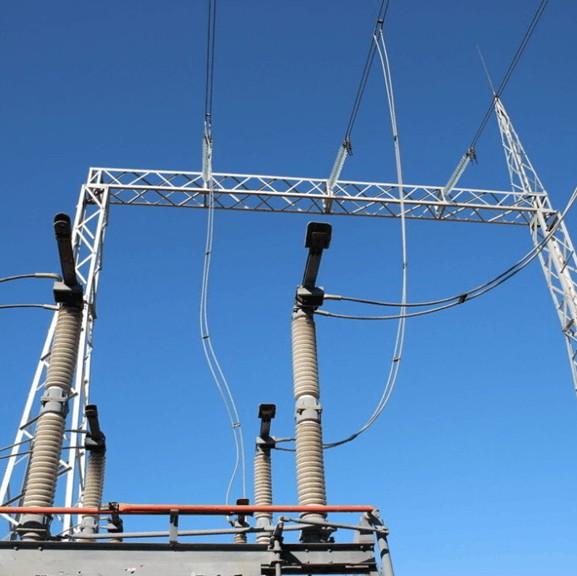
1.Blocking Principle of Ultra-High-Voltage Converter Valves1.1 Working Principle of Converter ValvesUltra-high-voltage (UHV) converter valves typically employ thyristor valves or insulated-gate bipolar transistor (IGBT) valves to convert alternating current (AC) to direct current (DC) and vice versa. Taking the thyristor valve as an example, it consists of multiple thyristors connected in series and parallel. By controlling the triggering (turn-on) and turn-off of thyristors, the valve regulates
11/18/2025
Consult
Tip
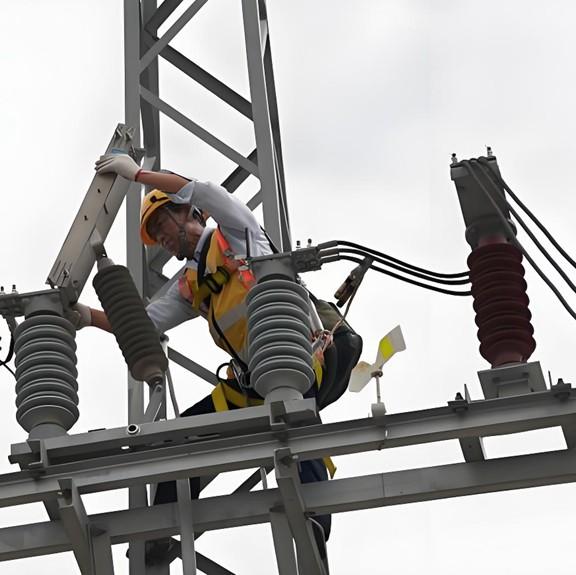
Common Faults of High-Voltage Circuit Breakers and Mechanism Pressure LossCommon faults of high-voltage circuit breakers themselves include: failure to close, failure to trip, false closing, false tripping, three-phase asynchronism (contacts not closing or opening simultaneously), damage to the operating mechanism or pressure drop, oil spraying or explosion due to insufficient interrupting capacity, and phase-selective circuit breakers failing to operate according to the commanded phase."Circuit
11/14/2025
Consult
Tip
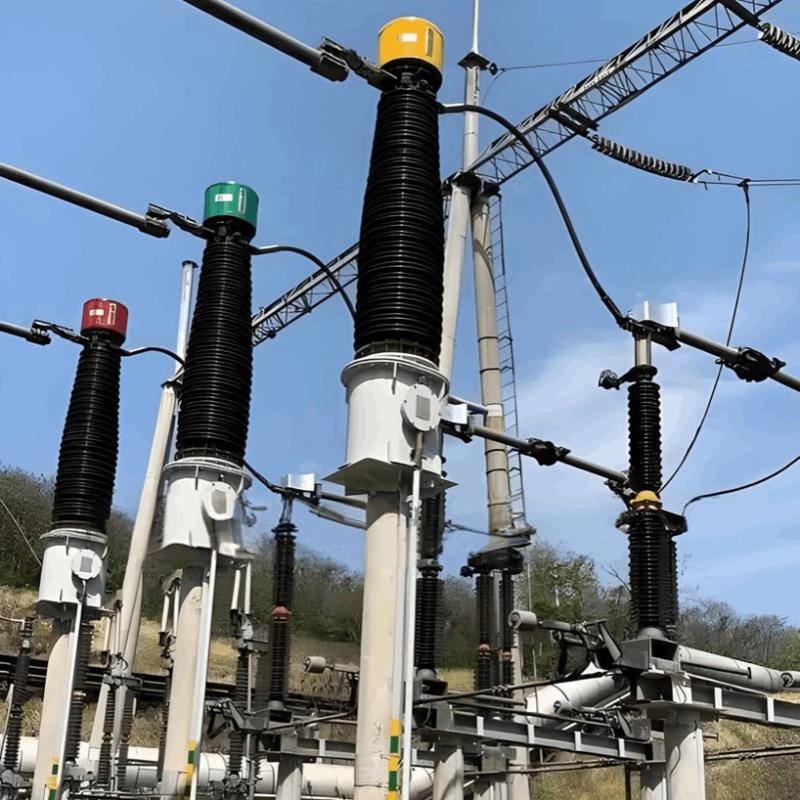
1. Significance of Enhancing Fault Handling for 220 kV Outgoing Circuit Breakers and Disconnectors220 kV transmission lines are highly efficient and energy-saving high-voltage power transmission systems that significantly benefit daily life. A fault in a circuit breaker can severely compromise the safety and reliability of the entire power grid. As critical components of high-voltage transmission systems, circuit breakers and disconnectors play essential roles in power flow control and fault pro
11/13/2025
Consult
Tip
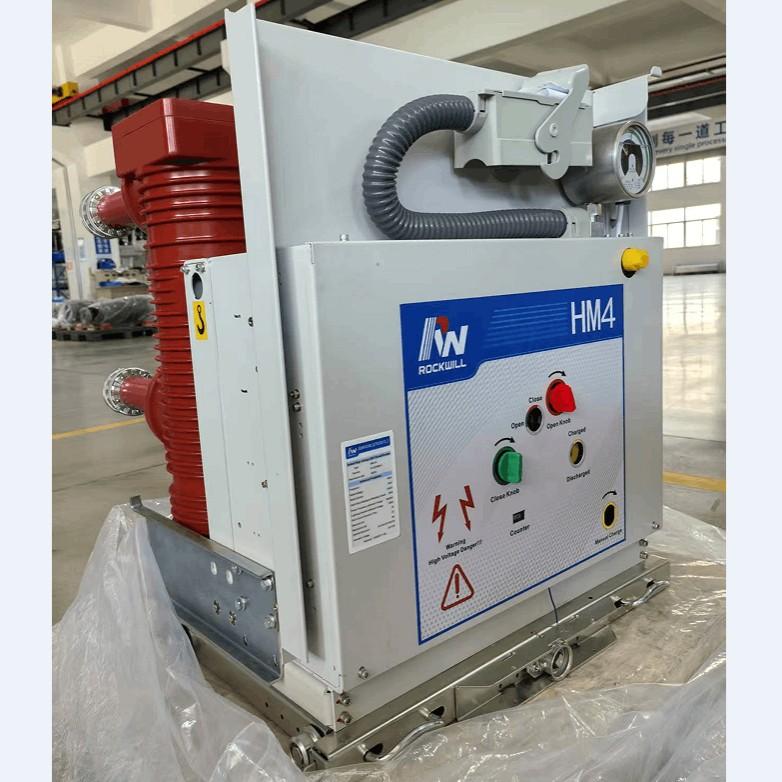
Causes of Dielectric Withstand Failure in Vacuum Circuit Breakers: Surface contamination: The product must be thoroughly cleaned before dielectric withstand testing to remove any dirt or contaminants.Dielectric withstand tests for circuit breakers include both power-frequency withstand voltage and lightning impulse withstand voltage. These tests must be performed separately for phase-to-phase and pole-to-pole (across the vacuum interrupter) configurations.Circuit breakers are recommended to be t
11/04/2025
Consult
Tip
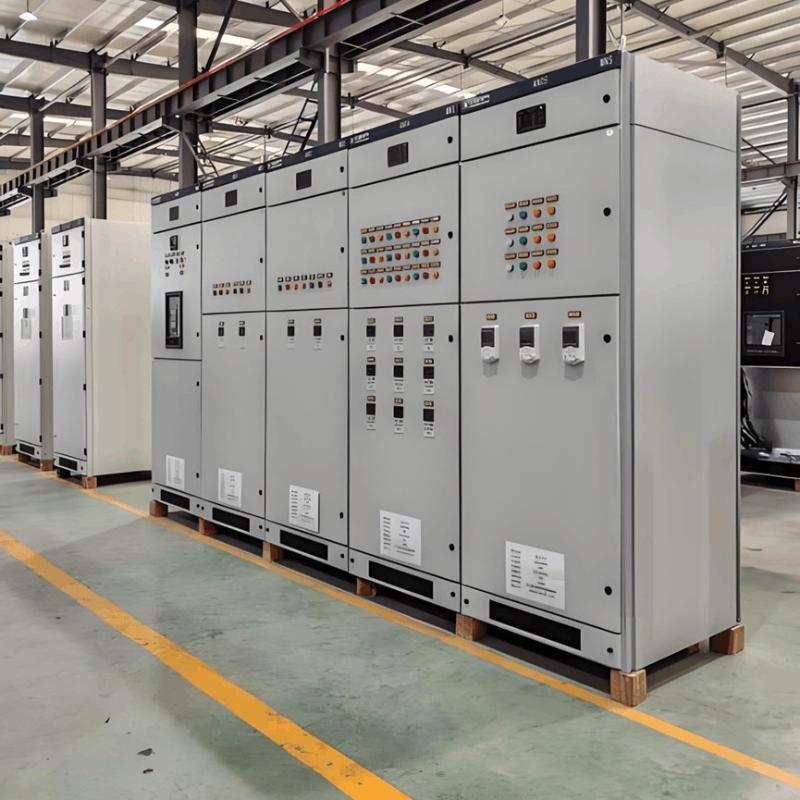
Based on years of field statistics on switchgear accidents, combined with analysis focusing on the circuit breaker itself, the main causes have been identified as: failure of operation mechanism; insulation faults; poor breaking and closing performance; and poor conductivity.1.Failure of Operation MechanismFailure of operation mechanism manifests as delayed operation or unintended operation. Since the most basic and important function of a high-voltage circuit breaker is to operate correctly and
11/04/2025
Consult
Tip
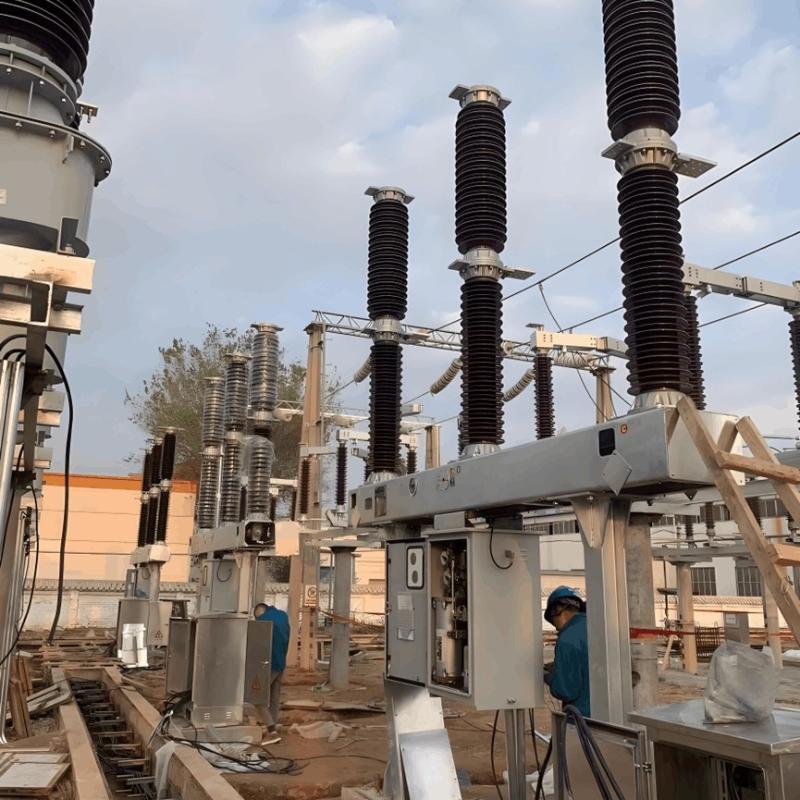
Leakage in Hydraulic Operating MechanismsFor hydraulic mechanisms, leakage can cause short-term frequent pump starting or excessively long re-pressurization time. Severe internal oil seepage in valves may lead to pressure loss failure. If hydraulic oil enters the nitrogen side of the accumulator cylinder, it can cause abnormal pressure rise, which affects the safe operation of SF6 circuit breakers.Apart from failures caused by damaged or abnormal pressure detection devices and pressure component
10/25/2025
Consult
Tip
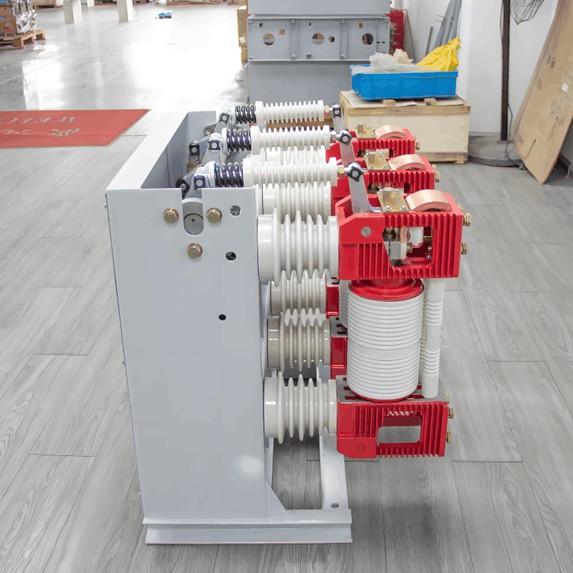
I. Inspection of Vacuum Circuit Breakers During Normal Operation1. Inspection in Closed (ON) Position The operating mechanism should be in the closed position; The main shaft roller should be disengaged from the oil damper; The opening spring should be in a charged (stretched) energy-stored state; The length of the moving contact rod of the vacuum interrupter protruding below the guide plate should be approximately 4–5 mm; The bellows inside the vacuum interrupter should be visible (this does no
10/18/2025
Consult
Tip






