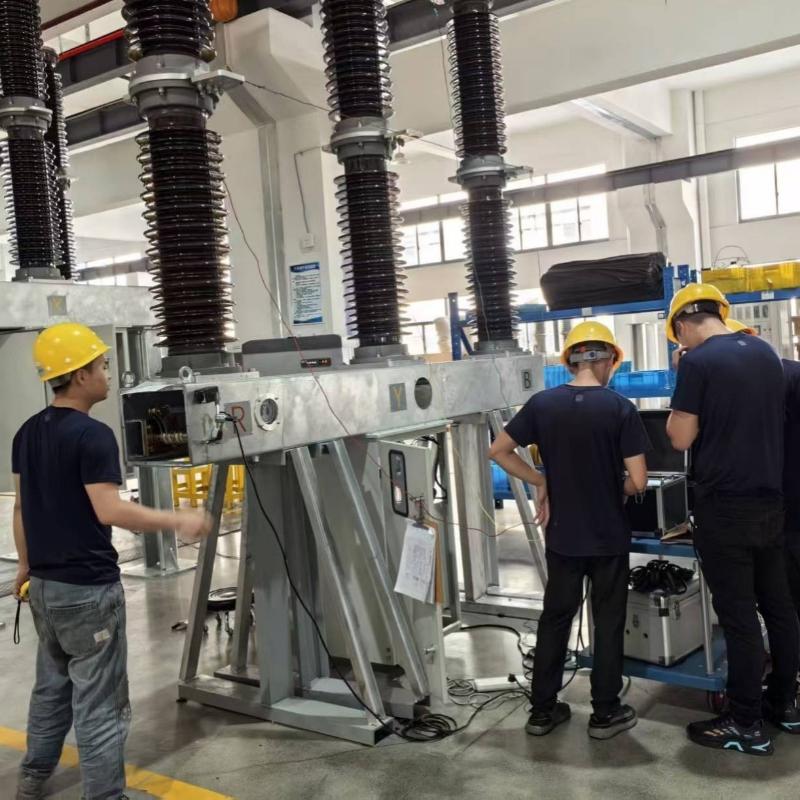
High-Voltage Circuit Breakers: Common Faults and Solutions for 35kV SystemsHigh-voltage circuit breakers are critical electrical equipment in power substations. A thorough understanding of their fault patterns and root causes enables targeted troubleshooting, rapid power restoration, and effective reduction of losses caused by outages and equipment damage.I. Common Operational Faults of 35kV High-Voltage Circuit Breakers1. Failure to Store Energy (Charging Failure)Energy storage is the foundatio
10/16/2025
Consult
Tip
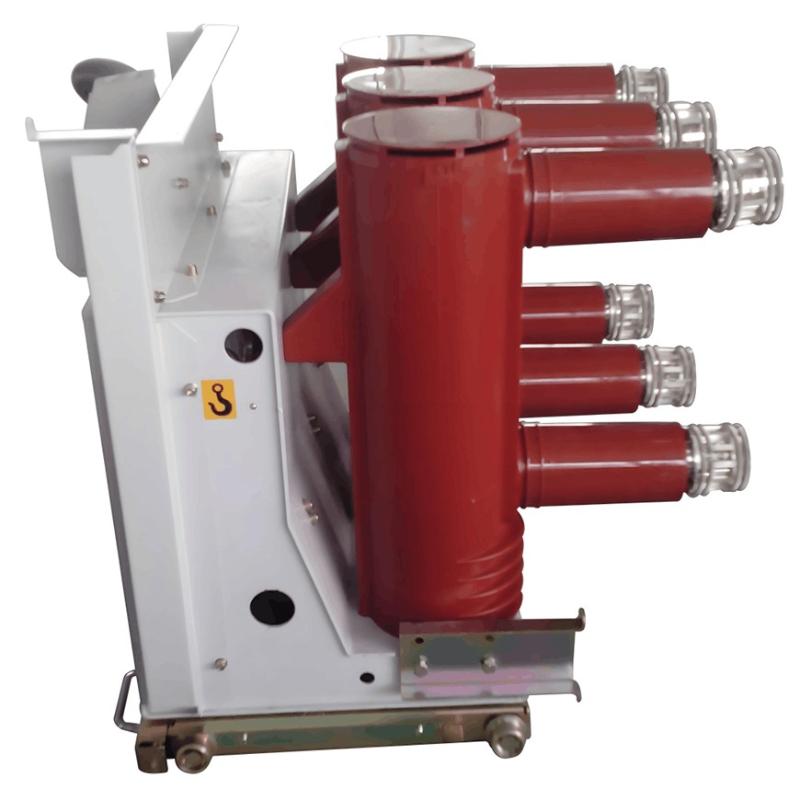
Overvoltage ProtectionVacuum circuit breakers possess excellent current-breaking performance. However, when interrupting inductive loads, the rapid change in current can generate high overvoltages across the inductance, which requires attention.When switching small-capacity motors, starting currents are relatively high; measures should be taken to reduce the inrush current.For transformers, the need for protection varies with design. Oil-immersed transformers have high impulse voltage withstand
10/16/2025
Consult
Tip
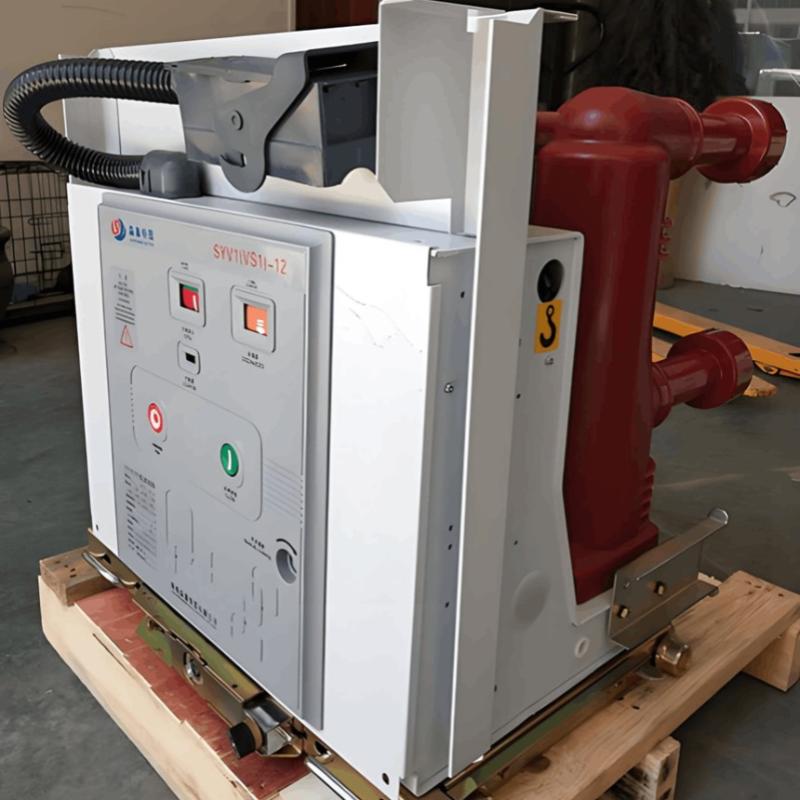
Vacuum Integrity Testing of Circuit Breakers: A Critical Measure for Performance EvaluationVacuum integrity testing is a key method for assessing the vacuum performance of circuit breakers. This test effectively evaluates the insulation and arc-quenching capabilities of the breaker.Before testing, ensure the circuit breaker is properly installed and correctly connected. Common vacuum measurement methods include the high-frequency method and the magnetic control discharge method. The high-frequen
10/16/2025
Consult
Tip
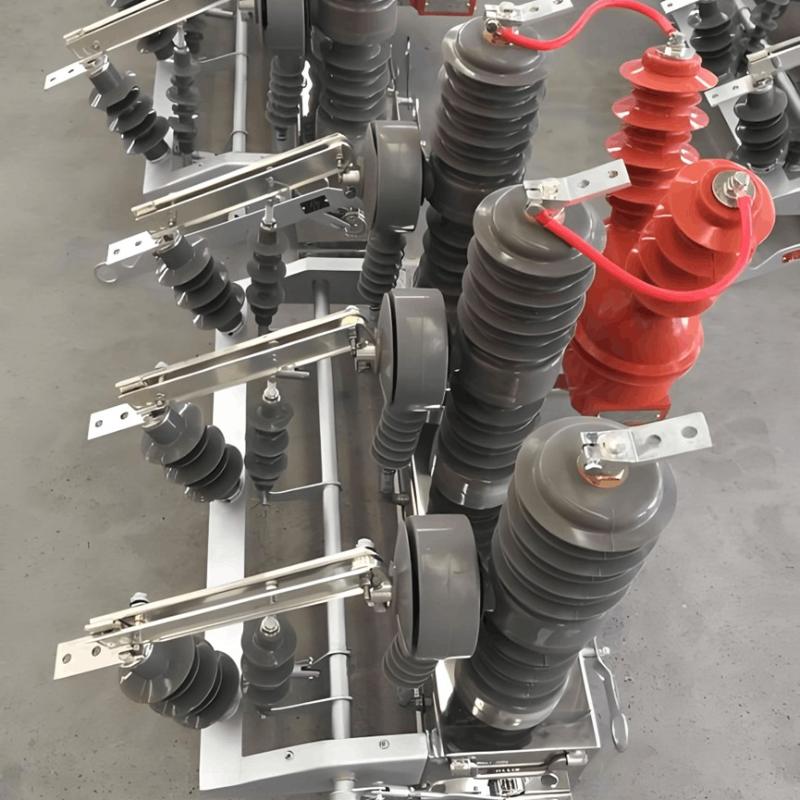
Common Vacuum Circuit Breaker Faults and On-Site Troubleshooting by Electrical EngineersAs vacuum circuit breakers are widely used in the power industry, performance varies significantly among manufacturers. Some models offer excellent performance, require minimal maintenance, and ensure high power supply reliability. Others suffer from frequent issues, while a few have severe defects that may cause over-level tripping and large-scale blackouts. Let’s explore real-world fault handling by electri
10/16/2025
Consult
Tip
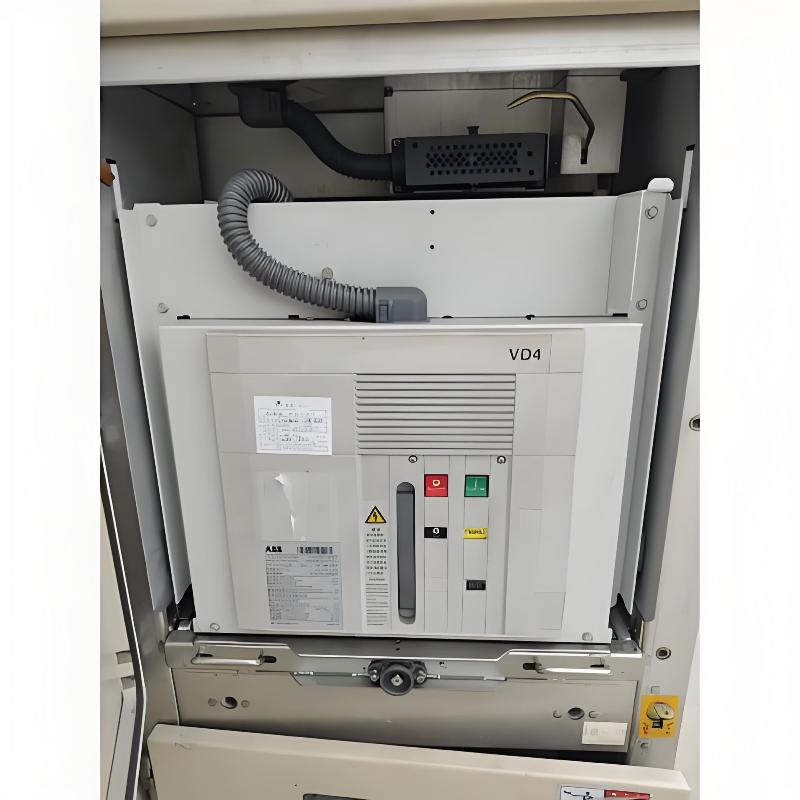
Does Your Plant Use ABB VD4 Breakers?Despite the VD4's proven reliability in global markets, no equipment is immune to faults with prolonged use. Below, we’ve compiled common VD4 faults and their solutions—hopefully this helps you in daily maintenance!Fault 1: Energy Storage Mechanism FailureSymptom:Motor cannot store energy, but manual storage works.Possible Causes & Solutions:1. Power Not ConnectedCheck if power is reaching the terminal block in the switchgear and confirm that the control
10/16/2025
Consult
Tip
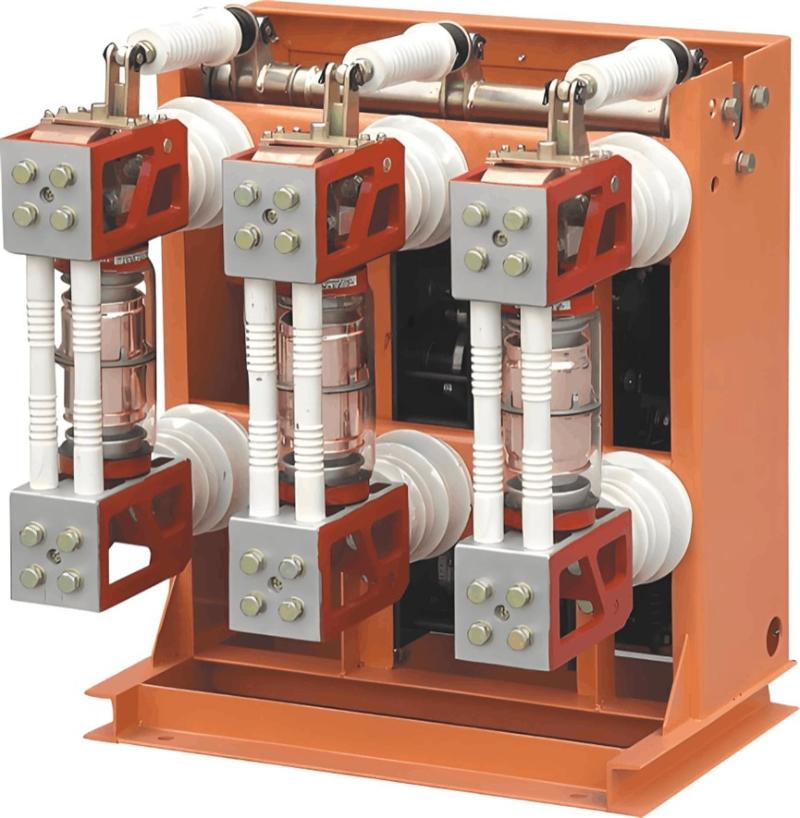
1. Rated Contact GapWhen a vacuum circuit breaker is in the open position, the distance between the moving and fixed contacts inside the vacuum interrupter is known as the rated contact gap. This parameter is influenced by several factors, including the breaker’s rated voltage, operating conditions, nature of the interrupting current, contact material, and dielectric strength of the vacuum gap. It primarily depends on the rated voltage and contact material.The rated contact gap significantly aff
10/16/2025
Consult
Tip
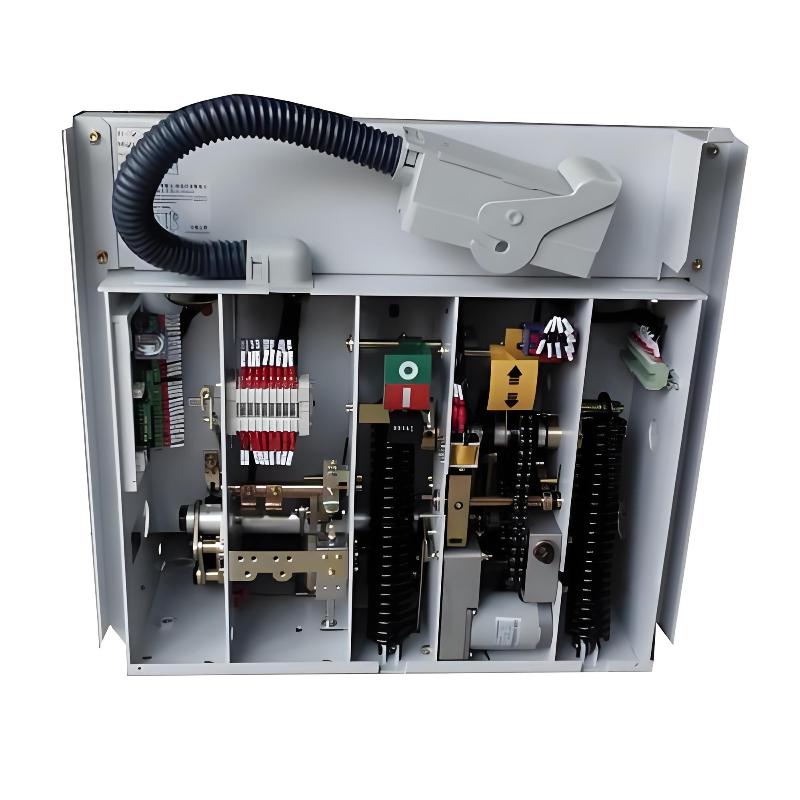
High-Voltage Circuit Breaker Characteristic Tests: Methods and PrecautionsHigh-voltage circuit breaker characteristic tests are essential for verifying the mechanical integrity, electrical performance, and protective logic of switchgear. These tests include mechanical characteristics measurement, main loop resistance testing, anti-pumping function verification, and non-full-phase protection testing. Proper execution ensures reliable operation under normal and fault conditions.1. Pre-Test Prepara
10/16/2025
Consult
Tip
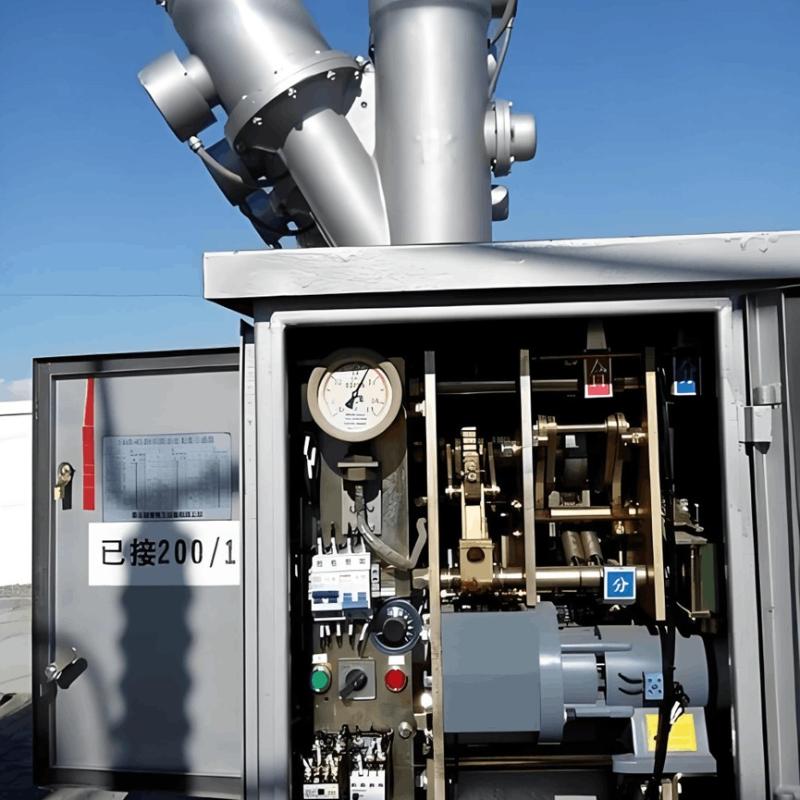
Fault Analysis and Troubleshooting of High-Voltage Vacuum Circuit BreakersIntroduction: Advantages and EvolutionHigh-voltage vacuum circuit breakers (VCBs) offer significant advantages over traditional oil or SF₆-based breakers, including: Oil-free and environmentally friendly design High dielectric strength in vacuum Excellent arc-quenching capability Long electrical and mechanical life Compact size, light weight Suitable for frequent operation Fire-resistant and low maintenanceThese benefits h
10/16/2025
Consult
Tip
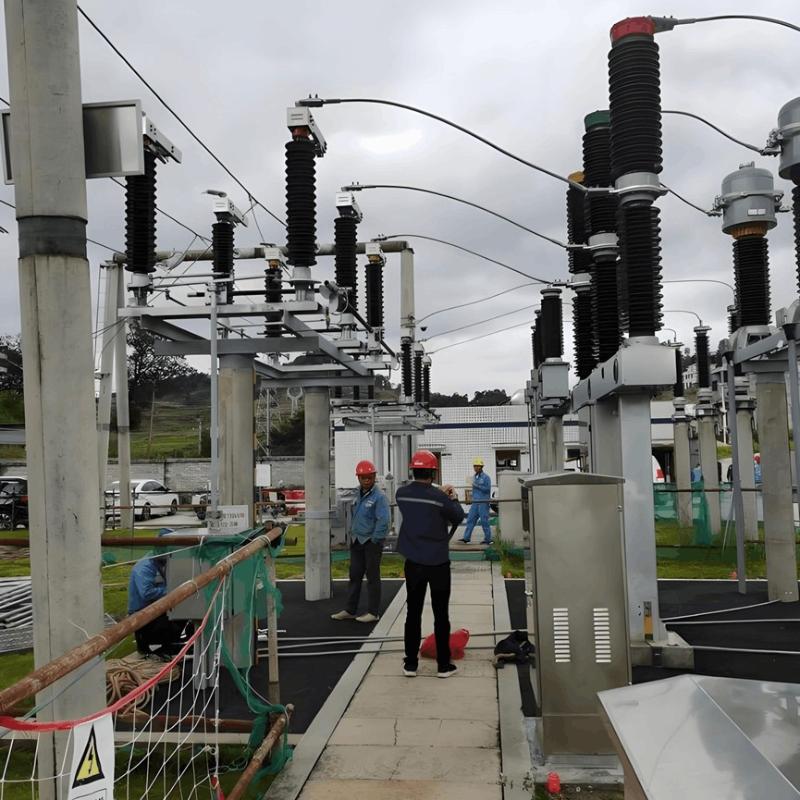
Optimizing the Performance and Reliability of High-Voltage Vacuum Circuit Breakers1. Rational Selection of Electrical LifeThe electrical life of a high-voltage vacuum circuit breaker refers to the number of full-load current interruption operations specified in technical standards and verified through type testing. Unlike other components, the contacts within a vacuum interrupter are sealed and cannot be repaired or replaced during service—making long electrical life essential for operational re
10/16/2025
Consult
Tip
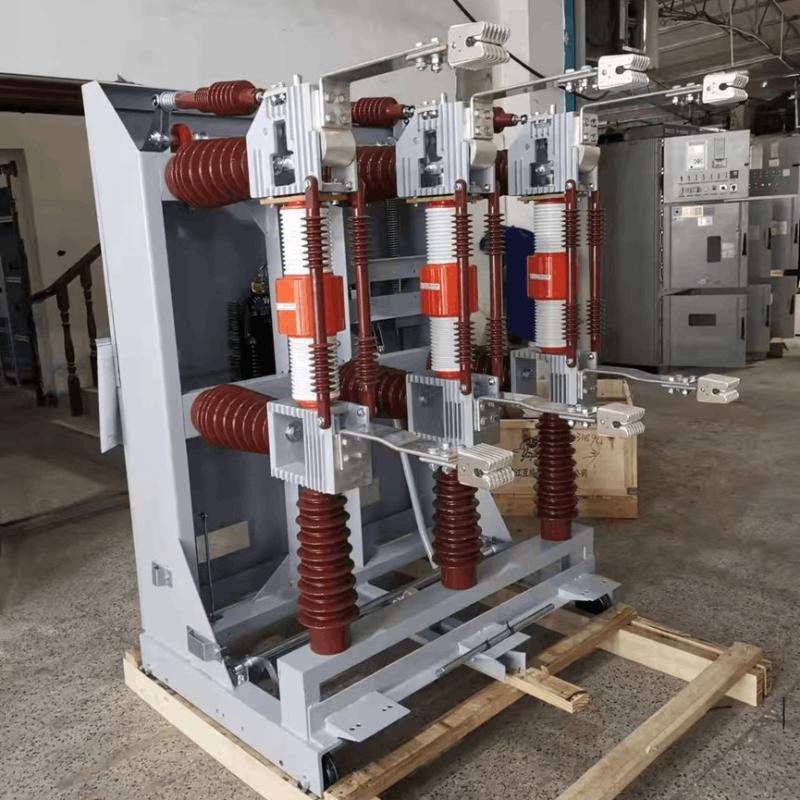
Installation and Adjustment of Vacuum Circuit Breakers1. Installation Requirements All parts and components must be inspected and approved prior to installation. Fixtures and tools used for installation must be clean and meet assembly requirements. Fixed fasteners should be tightened using box-end, ring, or socket wrenches. Adjustable (open-end) wrenches must not be used when tightening screws near the arc extinguishing chamber. Installation sequence must follow the specified assembly process. F
10/15/2025
Consult
Tip






