• Product
  • Suppliers
  • Manufacturers
  • Solutions
  • Free tools
  • Knowledges
  • Experts
  • Communities
Search


Free Expert Guides on Power Systems, Circuit Design & Electrical Troubleshooting

Access free engineering resources from IEE Business—covering power design, circuit layout, equipment selection, and troubleshooting. Expert-developed guides help engineers, procurement, and project teams make better decisions. Stay ahead on smart grids, renewables, efficiency, and AI tools. Improve reliability, reduce downtime, and enhance outcomes with real-world solutions. Explore our knowledge hub today.
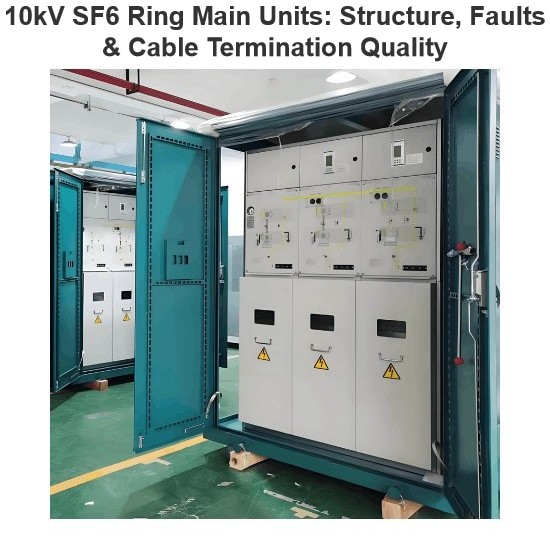
10kV SF6 Ring Main Units: Structure, Faults & Cable Termination Quality
1. Introduction to 10kV SF6 Ring Main Units (RMUs)A 10kV SF6 ring main unit typically consists of three main parts: the gas compartment (tank), the operating mechanism compartment, and the cable connection compartment. The gas compartment is the core component of the RMU. It is filled with SF6 gas and houses critical elements such as the load switch, busbars, and switch shaft. The load switch features a three-position design—comprising closing, opening, and grounding functions&mdas
08/09/2025
Consult
Tip
Consult
Tip
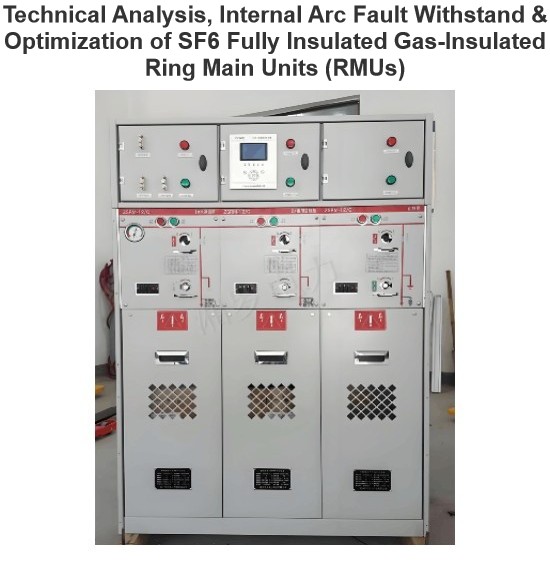
Technical Analysis, Internal Arc Fault Withstand & Optimization of SF6 Fully Insulated Gas-Insulated Ring Main Units (RMUs)
SF6 Fully Insulated Gas-Insulated Ring Main Units (hereinafter referred to as RMUs) primarily consist of load switch units and high-voltage AC load switch-fuse combination appliances (hereinafter referred to as combination appliances). Depending on user requirements, they can be configured as either common-tank or unitized structures.In practical engineering applications, electrical connections are typically established using either top-mounted solid-insulated busbars or side-mounted plug-in bus
08/09/2025
Consult
Tip
Consult
Tip
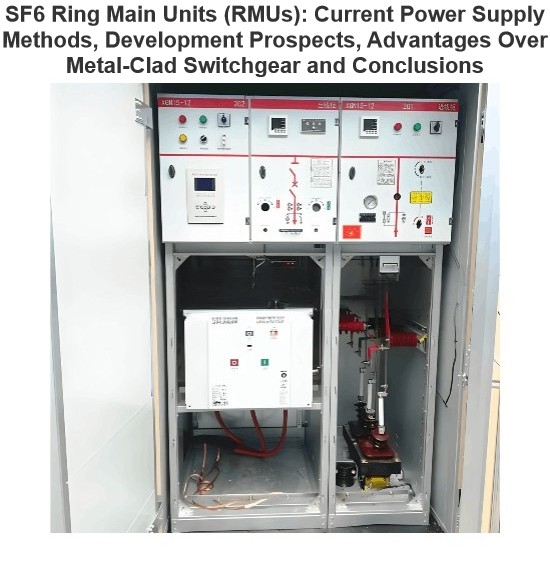
SF6 Ring Main Units (RMUs): Current Power Supply Methods, Development Prospects, Advantages Over Metal-Clad Switchgear and Conclusions
Current Power Supply Method Using SF6 Ring Main UnitsTo enhance grid performance, the design of traditional SF6 ring main units (RMUs) has been further optimized. A key feature of second-generation SF6 RMUs is the use of a grounded, enclosed epoxy resin housing, with SF6 gas as the insulating medium. Two three-position load switches and one three-position arc-rotating circuit breaker are integrated into a single sealed unit, equipped with a pressure relief safety valve. In the event of arc-quenc
08/09/2025
Consult
Tip
Consult
Tip
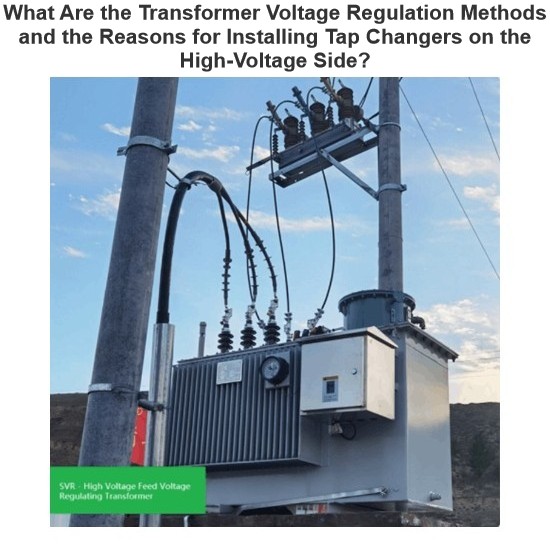
What Are the Transformer Voltage Regulation Methods and the Reasons for Installing Tap Changers on the High-Voltage Side?
Transformer voltage regulation can be achieved through on-load tap changing (OLTC) and off-load tap changing:On-load voltage regulation allows the transformer to adjust its tap position while in operation, thereby changing the turns ratio to regulate voltage. There are two methods: line-end regulation and neutral-point regulation. Line-end regulation involves placing the tap on the line end of the high-voltage winding, whereas neutral-point regulation places the tap on the neutral end of the hig
08/09/2025
Consult
Tip
Consult
Tip
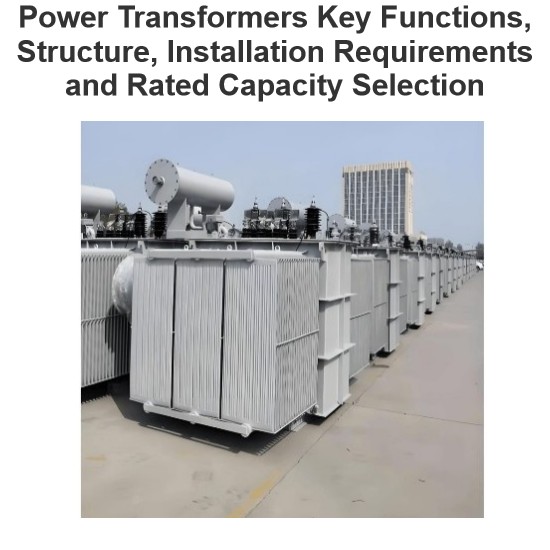
Power Transformers Key Functions, Structure, Installation Requirements and Rated Capacity Selection
The power transformer is a key component in power plants and substations. Its functions are diverse: it can step up voltage to transmit electrical energy over long distances to load centers, as well as step down voltage to various required levels to meet different power demands. In short, both voltage step-up and step-down processes are accomplished through transformers.In power system transmission, voltage and power losses are inevitable. When transmitting a constant amount of power, voltage dr
08/08/2025
Consult
Tip
Consult
Tip
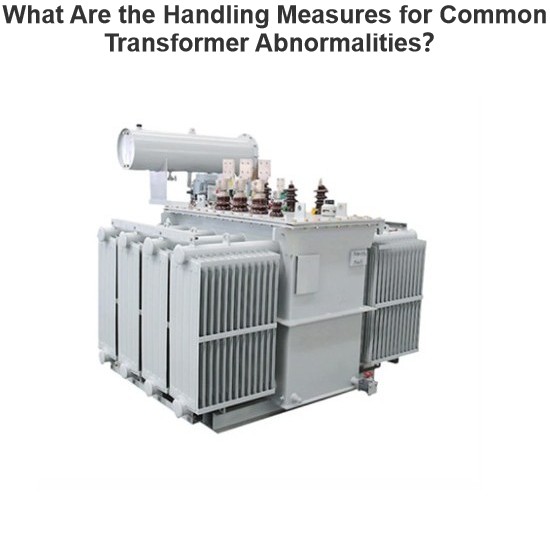
What Are the Handling Measures for Common Transformer Abnormalities?
1. Abnormal Temperature Rise of the TransformerWhen the transformer's oil temperature or coil temperature exceeds the allowable value during operation, the following steps should be taken to identify the cause and take measures to reduce the temperature: Check the oil temperature and coil temperature that should be present under the load and cooling medium temperature. Check if the temperature displayed on the CRT of the transformer is normal. Check if the cooling device is functioning properly,
08/08/2025
Consult
Tip
Consult
Tip
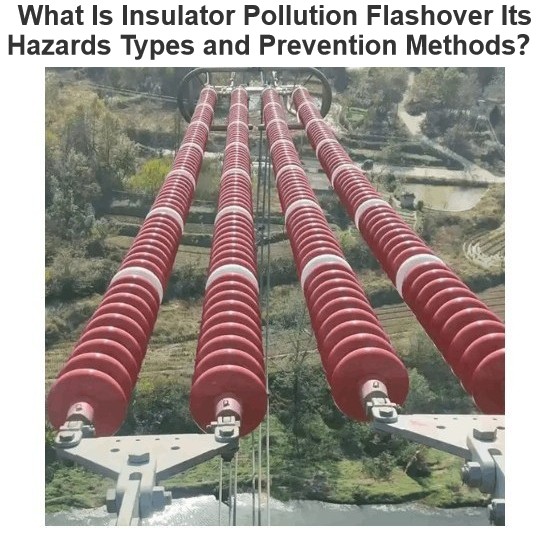
What Is Insulator Pollution Flashover Its Hazards Types and Prevention Methods?
Insulator Pollution Flashover and Its HazardsPollution flashover refers to a phenomenon where contaminants on the surface of electrical equipment insulators (external insulation) dissolve in moisture, forming a conductive layer that significantly reduces the insulator's insulation level. Under the influence of an electric field, this leads to severe discharge. During pollution flashover incidents, the success rate of automatic reclosing is very low, often resulting in widespread power outages. T
08/08/2025
Consult
Tip
Consult
Tip
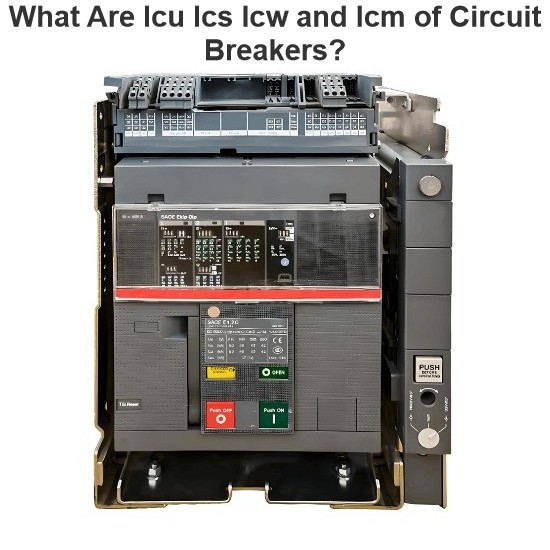
What Are Icu Ics Icw and Icm of Circuit Breakers?
What is Icu?Icu stands for ultimate breaking capacity of a circuit breaker, which is the maximum fault current the circuit breaker can interrupt without damage. For Miniature Circuit Breakers (MCBs), the maximum Icu typically ranges from 6 kA to 10 kA, while for Molded Case Circuit Breakers (MCCBs), it can reach up to 200 kA.What is Ics?Ics refers to the rated service breaking capacity, or service short-circuit breaking capacity. It indicates the short-circuit current that a circuit breaker can
08/08/2025
Consult
Tip
Consult
Tip
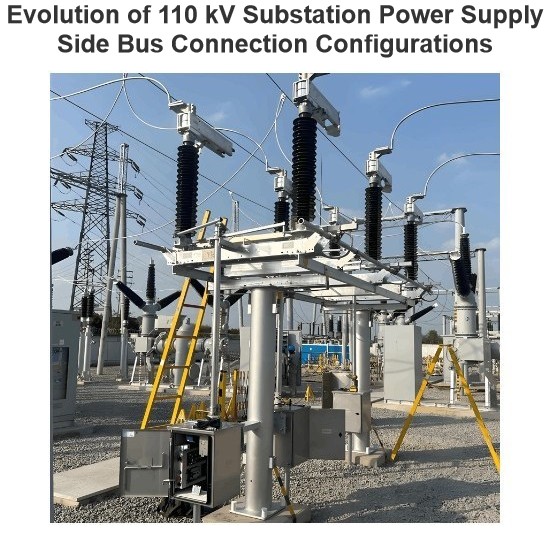
Evolution of 110 kV Substation Power Supply Side Bus Connection Configurations
Early 110 kV substations typically adopted the "internal bus connection" configuration on the power supply side, where the power source commonly used the "internal bridge connection" method. This was often observed in certain 220 kV substations supplying 110 kV buses from different transformers in a "same-direction dual-power" arrangement. This setup involved two transformers, with the 10 kV side using a single busbar with sectionalized connection. Advantages included simple wiring, convenient o
08/08/2025
Consult
Tip
Consult
Tip
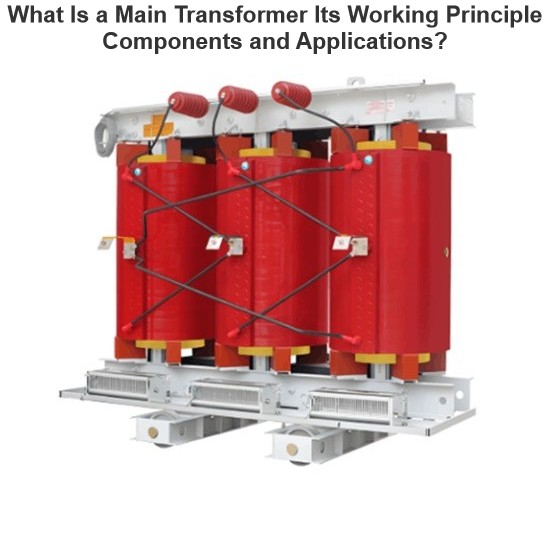
What Is a Main Transformer Its Working Principle Components and Applications?
Main TransformerThe main transformer is primarily responsible for converting the high-voltage electrical energy generated at power plants into lower-voltage electrical energy suitable for transmission, distribution, and end-use. This process involves stepping down voltage from high to low levels.Working PrincipleThe main transformer operates based on the principles of electromagnetic induction and voltage transformation. When an alternating current (AC) is applied to the high-voltage winding, it
08/07/2025
Consult
Tip
Consult
Tip
Send inquiry
+86
Click to upload file
Download
Get the IEE Business Application
Use the IEE-Business app to find equipment, obtain solutions, connect with experts, and participate in industry collaboration anytime, anywhere—fully supporting the development of your power projects and business.