• Product
  • Suppliers
  • Manufacturers
  • Solutions
  • Free tools
  • Knowledges
  • Experts
  • Communities
Search


Free Expert Guides on Power Systems, Circuit Design & Electrical Troubleshooting

Access free engineering resources from IEE Business—covering power design, circuit layout, equipment selection, and troubleshooting. Expert-developed guides help engineers, procurement, and project teams make better decisions. Stay ahead on smart grids, renewables, efficiency, and AI tools. Improve reliability, reduce downtime, and enhance outcomes with real-world solutions. Explore our knowledge hub today.
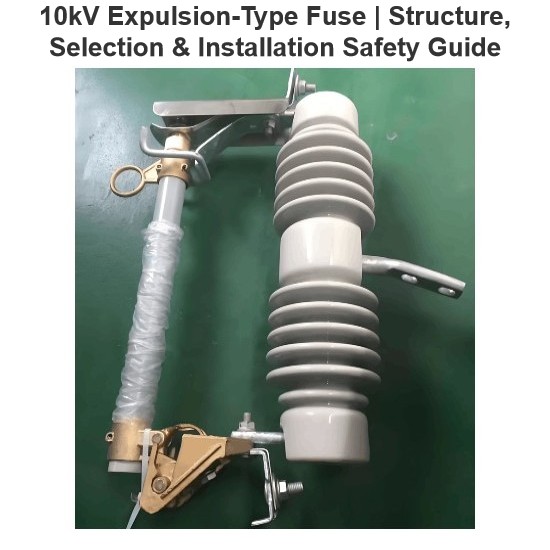
10kV Expulsion-Type Fuse | Structure, Selection & Installation Safety Guide
Fuses are connected in series in a circuit. When the current through the fuse element is less than or equal to its rated current, the element will not melt. Only when the current exceeds the rated value and reaches the fusing current will the element melt. When a short circuit (or overload) current occurs in the line, the current through the fuse element exceeds the specified value, causing the element to overheat and melt, thereby automatically interrupting the circuit. This prevents damage to
08/27/2025
Consult
Tip
Consult
Tip
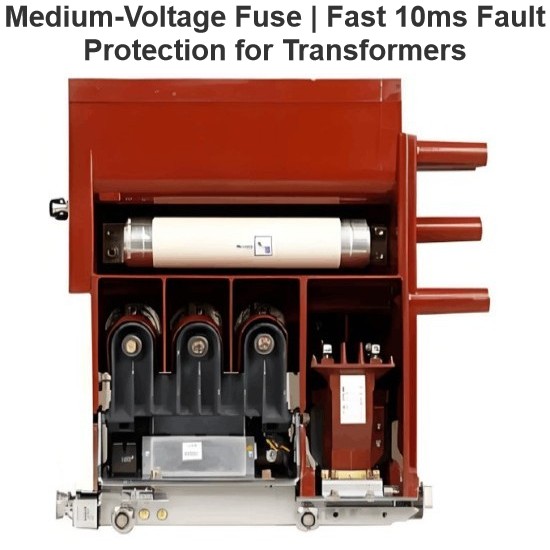
Medium-Voltage Fuse | Fast 10ms Fault Protection for Transformers
Medium-voltage current-limiting fuses are primarily used for protecting loads such as transformers and motors. A fuse is a device that, when the current exceeds a given value for a sufficiently long duration, interrupts the circuit in which it is inserted by melting one or more specially designed and proportioned components. Current-limiting fuses may have difficulty clearing intermediate current values (overloads between 6 to 10 times the rated current), so they are typically used in combinatio
08/27/2025
Consult
Tip
Consult
Tip
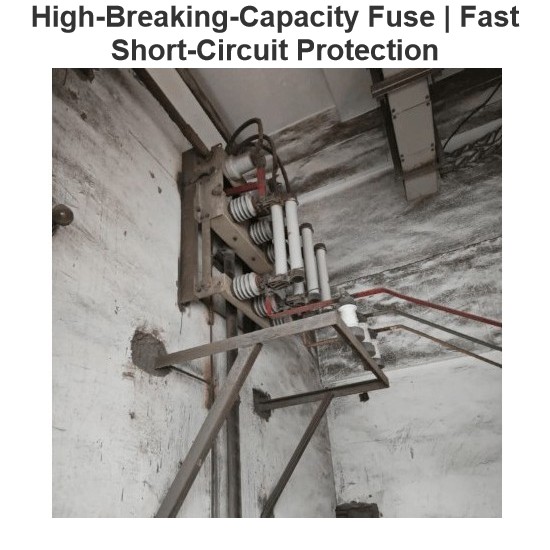
High-Breaking-Capacity Fuse | Fast Short-Circuit Protection
In the power plants and substations of various voltage levels that we operate and maintain, high-voltage current-limiting fuses are widely used, primarily for protecting voltage transformers, small transformers, and small high-voltage motors. So why are they called high-breaking-capacity fuses? And why can't ordinary fuses be used? Today, let's learn about this topic together.High-breaking-capacity fuses, also known as high-voltage current-limiting fuses, differ from ordinary fuses in two main a
08/27/2025
Consult
Tip
Consult
Tip
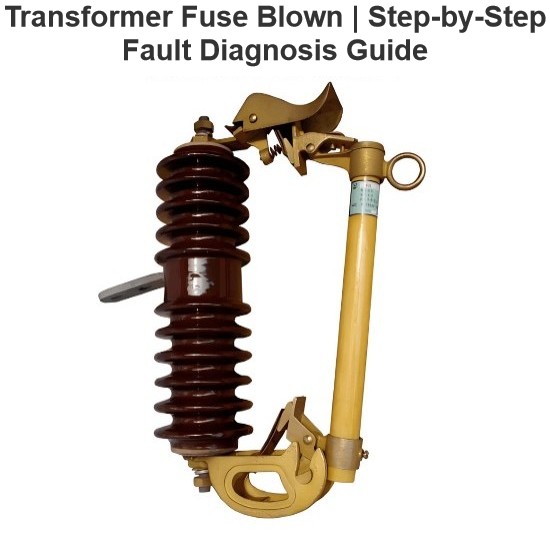
Transformer Fuse Blown | Step-by-Step Fault Diagnosis Guide
If the fuse element on the high-voltage side of the transformer blows or the circuit trips, the first step is to determine whether one phase, two phases, or all three phases are interrupted. This can be determined according to the fault symptoms as shown in the following table:When a fuse element blows, first check whether the high-voltage side fuse or the lightning arrester gap has short-circuited to ground. If no abnormalities are found during external inspection, it can be concluded that an i
08/26/2025
Consult
Tip
Consult
Tip
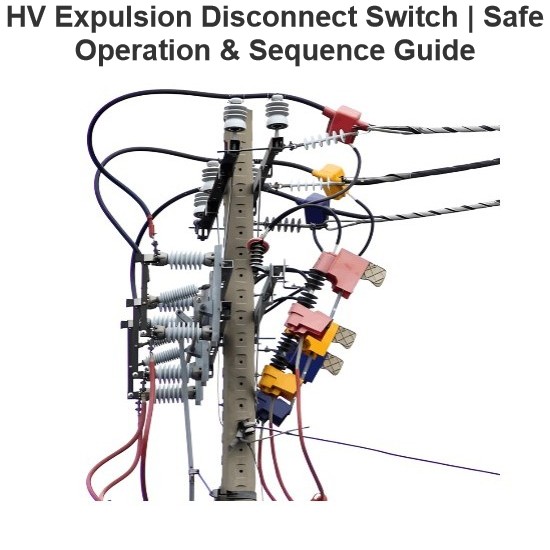
HV Expulsion Disconnect Switch | Safe Operation & Sequence Guide
High-voltage disconnect switches (or fuses) do not have arc-extinguishing capability, but they provide a clearly visible break point. Therefore, they are used solely as isolation components in a circuit. They are installed at the beginning of a circuit or in front of components requiring maintenance. When a circuit needs to be de-energized for maintenance, the power is first interrupted using a switching device, and then the disconnect switch is opened. This ensures a clearly visible break in th
08/26/2025
Consult
Tip
Consult
Tip
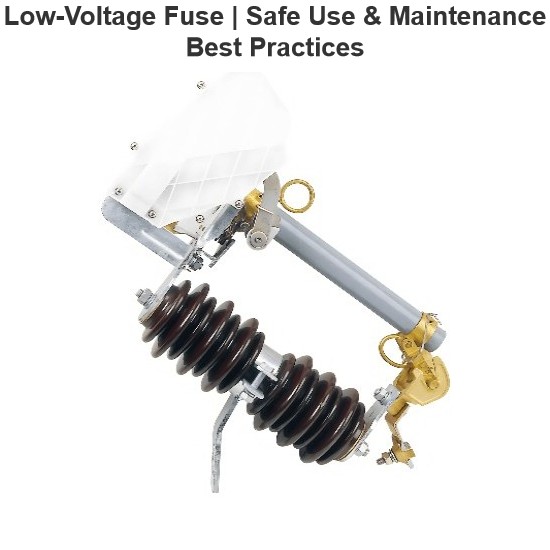
Low-Voltage Fuse | Safe Use & Maintenance Best Practices
Use and MaintenanceIn low-voltage power distribution systems, fuses are protective electrical devices. Widely used for power grid and electrical equipment protection, fuses automatically cut off circuits when short circuits or overloads occur in the grid or equipment, preventing damage to electrical devices and preventing accidents from spreading.A fuse consists of an insulating base (or support), contacts, and a fuse element. The fuse element is the primary working component, acting like a spec
08/26/2025
Consult
Tip
Consult
Tip
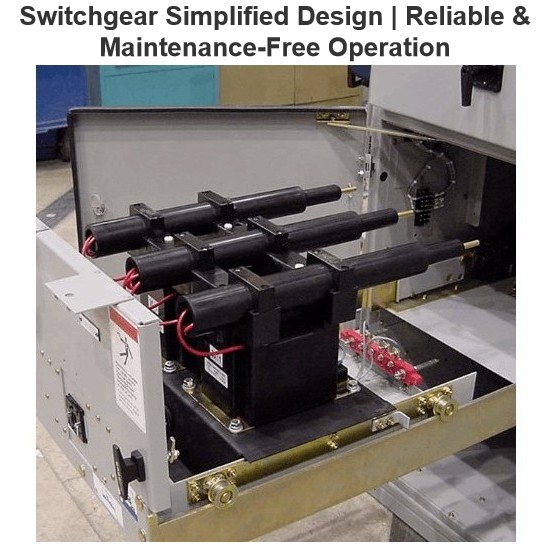
Switchgear Simplified Design | Reliable & Maintenance-Free Operation
Simplicity means fewer components. According to the principle that system reliability equals the product of individual component reliabilities, fewer parts lead to higher reliability.For PT trolleys in air-insulated switchgear, a simplified drawer-type design is adopted. On the cable compartment side, the PT trolley eliminates the need for a 200mm chassis to rack in and dispenses with blossom contacts. Instead, it uses the PT’s built-in fuse and striker mechanism, making direct contact
08/26/2025
Consult
Tip
Consult
Tip
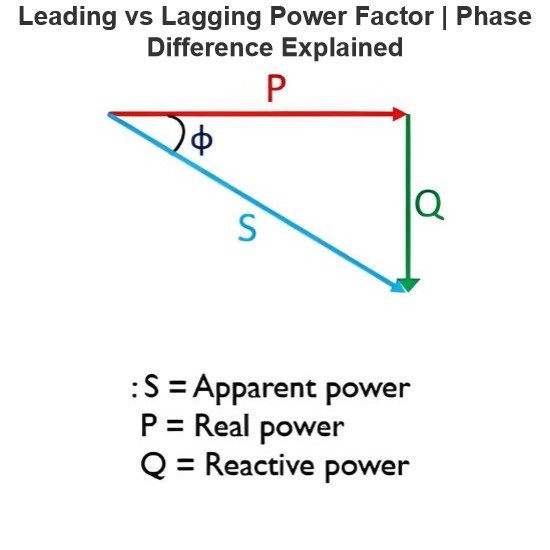
Leading vs Lagging Power Factor | Phase Difference Explained
Leading and lagging power factors are two key concepts related to the power factor in AC electrical systems. The main difference lies in the phase relationship between current and voltage: in a leading power factor, the current leads the voltage, whereas in a lagging power factor, the current lags behind the voltage. This behavior depends on the nature of the load in the circuit.What is Power Factor?Power factor is a crucial, dimensionless parameter in AC electrical systems, applicable to both s
08/26/2025
Consult
Tip
Consult
Tip
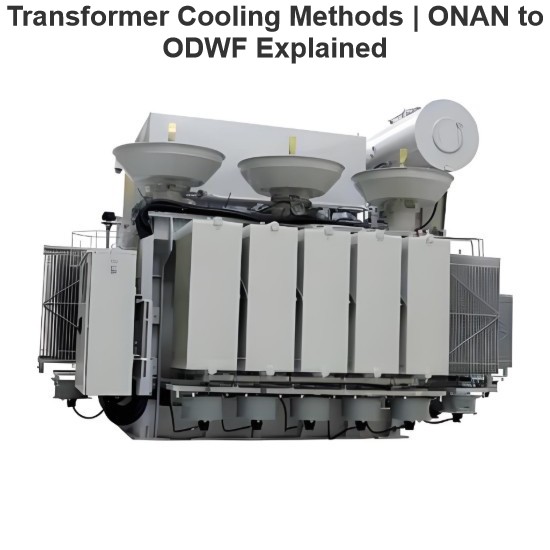
Transformer Cooling Methods | ONAN to ODWF Explained
1. Oil-Immersed Self-Cooling (ONAN)The working principle of oil-immersed self-cooling is to transfer the heat generated inside the transformer to the surface of the tank and cooling tubes through natural convection of the transformer oil. The heat is then dissipated into the surrounding environment via air convection and thermal conduction. This cooling method does not require any dedicated cooling equipment.Applicable to: Products with capacity up to 31,500 kVA and voltage level up to 35 kV; Pr
08/26/2025
Consult
Tip
Consult
Tip
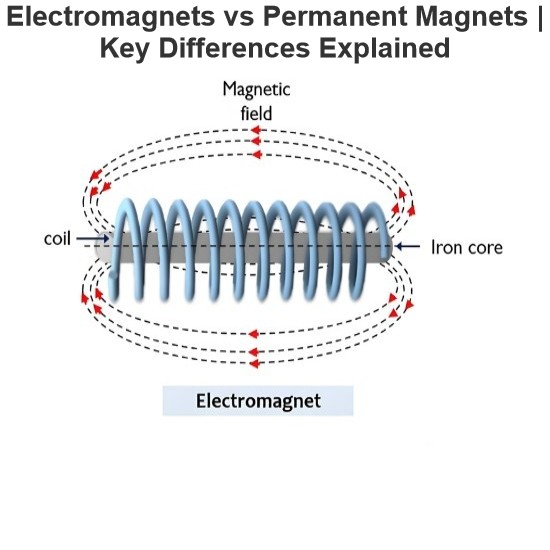
Electromagnets vs Permanent Magnets | Key Differences Explained
Electromagnets vs. Permanent Magnets: Understanding the Key DifferencesElectromagnets and permanent magnets are the two primary types of materials that exhibit magnetic properties. While both generate magnetic fields, they differ fundamentally in how these fields are produced.An electromagnet generates a magnetic field only when an electric current flows through it. In contrast, a permanent magnet inherently produces its own persistent magnetic field once it has been magnetized, without requirin
08/26/2025
Consult
Tip
Consult
Tip
Send inquiry
+86
Click to upload file
Download
Get the IEE Business Application
Use the IEE-Business app to find equipment, obtain solutions, connect with experts, and participate in industry collaboration anytime, anywhere—fully supporting the development of your power projects and business.