• Product
  • Suppliers
  • Manufacturers
  • Solutions
  • Free tools
  • Knowledges
  • Experts
  • Communities
Search


Free Expert Guides on Power Systems, Circuit Design & Electrical Troubleshooting

Access free engineering resources from IEE Business—covering power design, circuit layout, equipment selection, and troubleshooting. Expert-developed guides help engineers, procurement, and project teams make better decisions. Stay ahead on smart grids, renewables, efficiency, and AI tools. Improve reliability, reduce downtime, and enhance outcomes with real-world solutions. Explore our knowledge hub today.
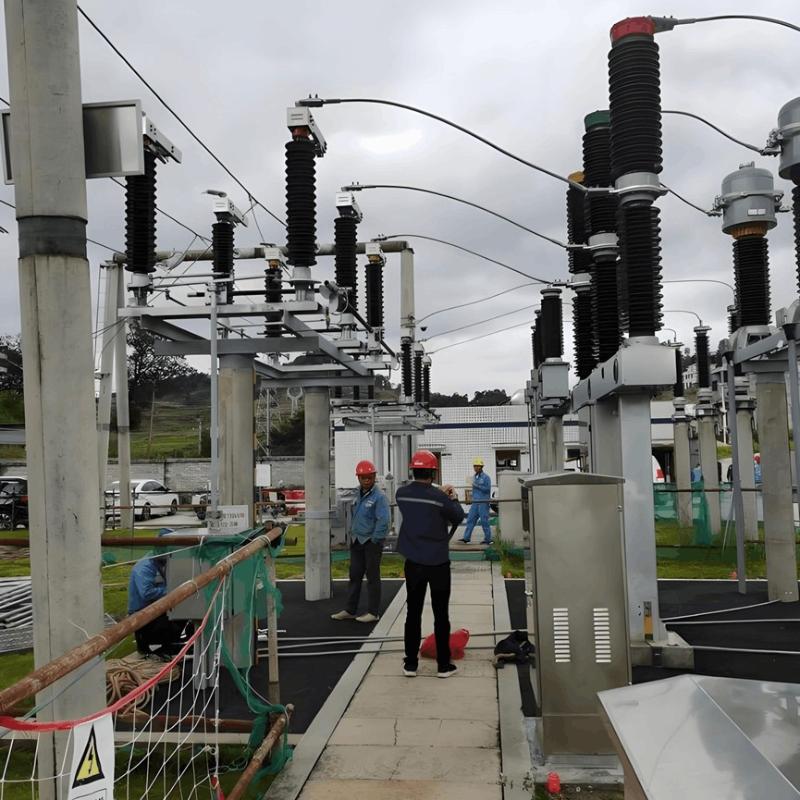
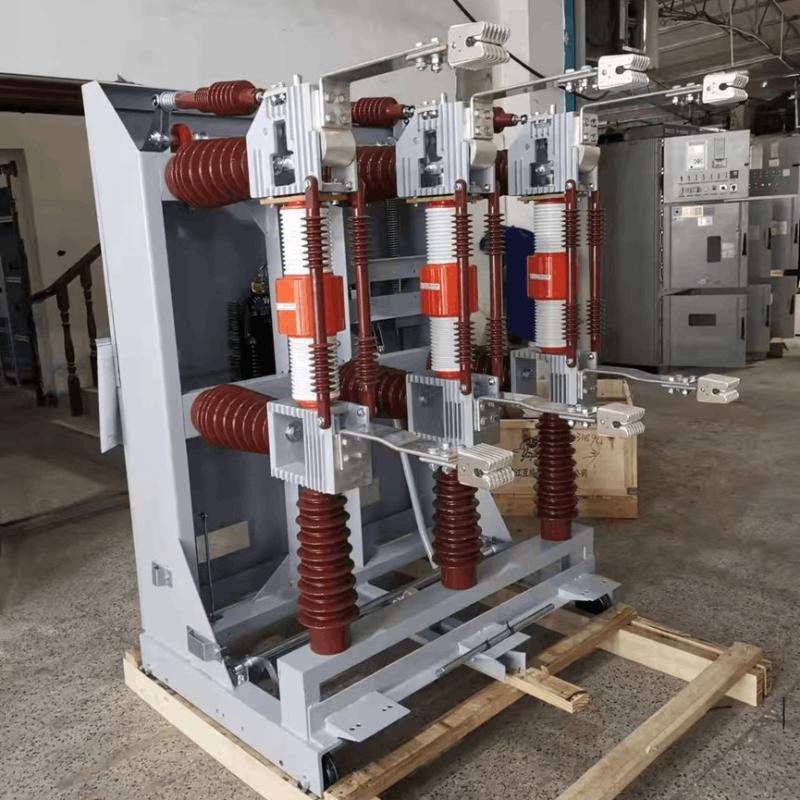
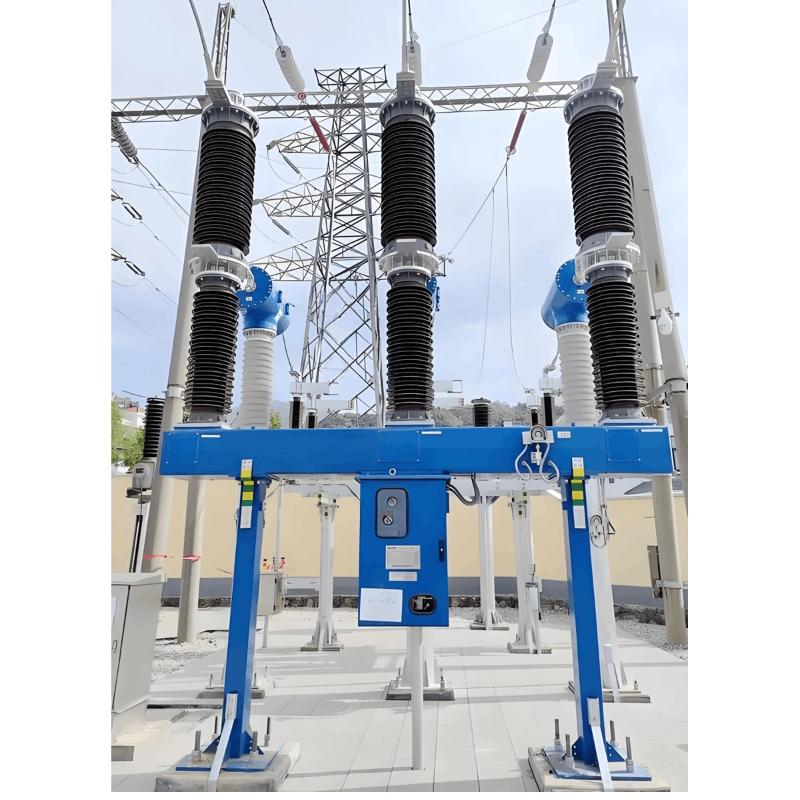
7 Common VCB Failures and How to Fix Them
Fault Analysis and Troubleshooting of High-Voltage Vacuum Circuit BreakersIntroduction: Advantages and EvolutionHigh-voltage vacuum circuit breakers (VCBs) offer significant advantages over traditional oil or SF₆-based breakers, including: Oil-free and environmentally friendly design High dielectric strength in vacuum Excellent arc-quenching capability Long electrical and mechanical life Compact size, light weight Suitable for frequent operation Fire-resistant and low maintenanceThese benefits h
10/16/2025
Consult
Tip
Consult
Tip
How to Optimize Vacuum Circuit Breaker Performance
Optimizing the Performance and Reliability of High-Voltage Vacuum Circuit Breakers1. Rational Selection of Electrical LifeThe electrical life of a high-voltage vacuum circuit breaker refers to the number of full-load current interruption operations specified in technical standards and verified through type testing. Unlike other components, the contacts within a vacuum interrupter are sealed and cannot be repaired or replaced during service—making long electrical life essential for operational re
10/16/2025
Consult
Tip
Consult
Tip
How to Correctly Install and Adjust a Vacuum Circuit Breaker?
Installation and Adjustment of Vacuum Circuit Breakers1. Installation Requirements All parts and components must be inspected and approved prior to installation. Fixtures and tools used for installation must be clean and meet assembly requirements. Fixed fasteners should be tightened using box-end, ring, or socket wrenches. Adjustable (open-end) wrenches must not be used when tightening screws near the arc extinguishing chamber. Installation sequence must follow the specified assembly process. F
10/15/2025
Consult
Tip
Consult
Tip
One Article Teaches You How to Perform Daily Maintenance on High-Voltage Vacuum Circuit Breakers
High-Voltage Vacuum Circuit Breakers: Importance and MaintenanceHigh-voltage vacuum circuit breakers are essential components in power transmission and distribution systems. Their reliability and stability are of critical importance to the safe and efficient operation of the entire power grid. However, even the highest-quality equipment requires proper maintenance to ensure optimal performance and maximum service life.What is a High-Voltage Vacuum Circuit Breaker?A high-voltage vacuum circuit br
10/15/2025
Consult
Tip
Consult
Tip
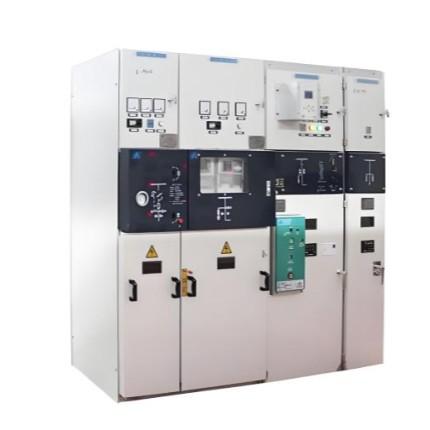
What Is a Ring Main Unit? Types & Benefits
1. Product OverviewA Ring Main Unit (RMU) is an electrical apparatus composed of high-voltage switching equipment enclosed in a metal or non-metal insulated cabinet, or configured as modular compartments forming a ring-type power supply unit. Its core components typically include load switches and fuses, offering advantages such as simple structure, compact size, low cost, improved power parameters and performance, and enhanced power supply safety.RMUs are widely used in distribution substations
10/15/2025
Consult
Tip
Consult
Tip
Ensure Hybrid System Reliability with Full Production Testing
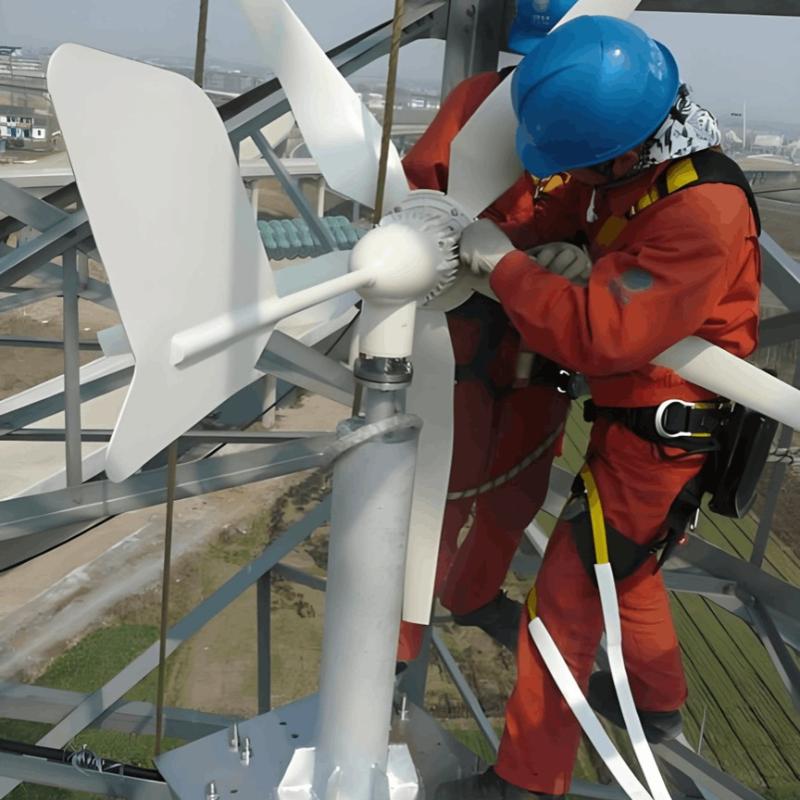
Production Testing Procedures and Methods for Wind-Solar Hybrid SystemsTo ensure the reliability and quality of wind-solar hybrid systems, several critical tests must be conducted during production. Wind turbine testing primarily includes output characteristic testing, electrical safety testing, and environmental adaptability testing. Output characteristic testing requires measuring voltage, current, and power under varying wind speeds, plotting wind-power curves, and calculating power generatio
10/15/2025
Consult
Tip
Consult
Tip
Wind-Solar Hybrid System Faults & Solutions
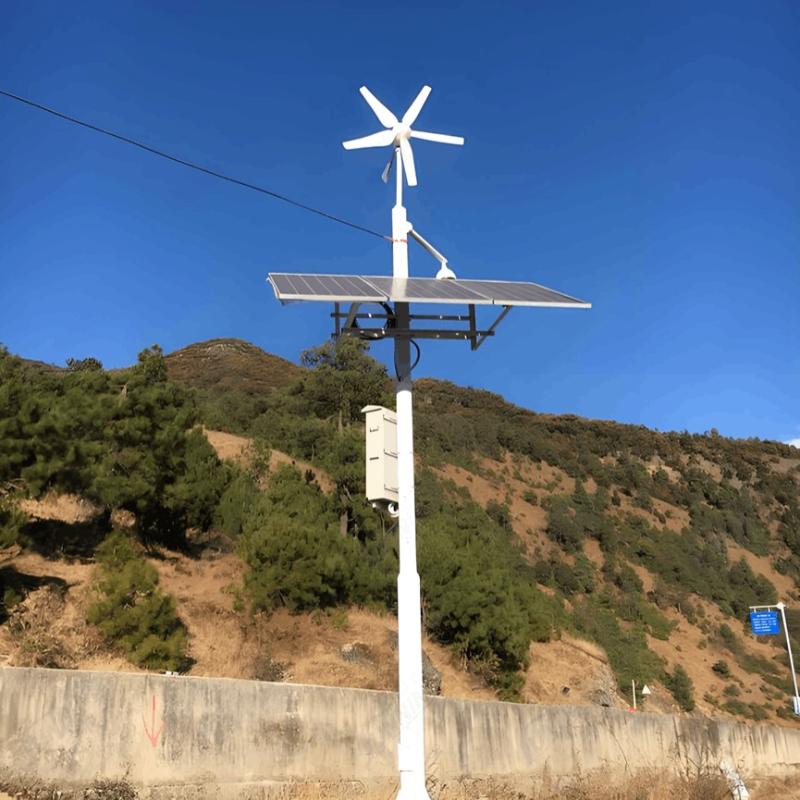
1. Common Faults and Causes in Wind TurbinesAs a key component of wind-solar hybrid systems, wind turbines primarily experience faults in three areas: mechanical structure, electrical systems, and control functions. Blade wear and fracture are the most common mechanical failures, typically caused by long-term wind impact, material fatigue, or manufacturing defects. Field monitoring data show that the average blade lifespan is 3–5 years in coastal regions, but may shorten to 2–3 years in northwes
10/14/2025
Consult
Tip
Consult
Tip
How Can Wind-Solar Hybrid Power Be Smarter? Practical Applications of AI in System Optimization and Control
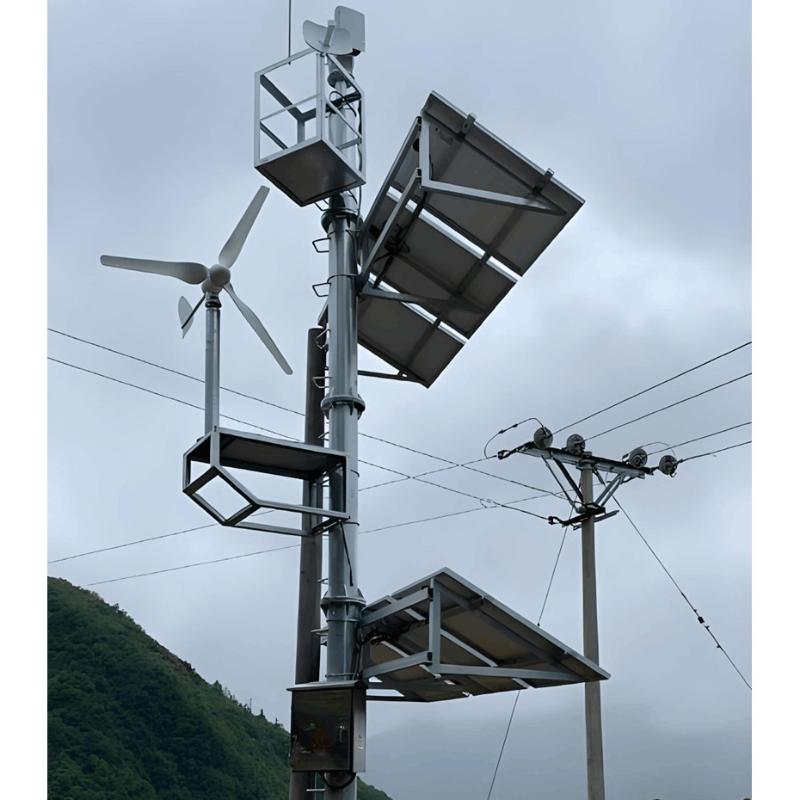
Intelligent Control of Wind-Solar Hybrid Renewable Power Systems Using Artificial IntelligenceWind-solar hybrid renewable energy systems leverage the sustainability and complementarity of wind and solar resources. However, the intermittent and fluctuating nature of these energy sources leads to unstable power output, negatively impacting supply reliability and power quality. Optimizing system control through advanced technologies to enhance generation stability and efficiency has become a critic
10/14/2025
Consult
Tip
Consult
Tip
How Promising is the Hybrid Wind-Solar Power System? 6 Key Applications and Economic Benefits Analysis
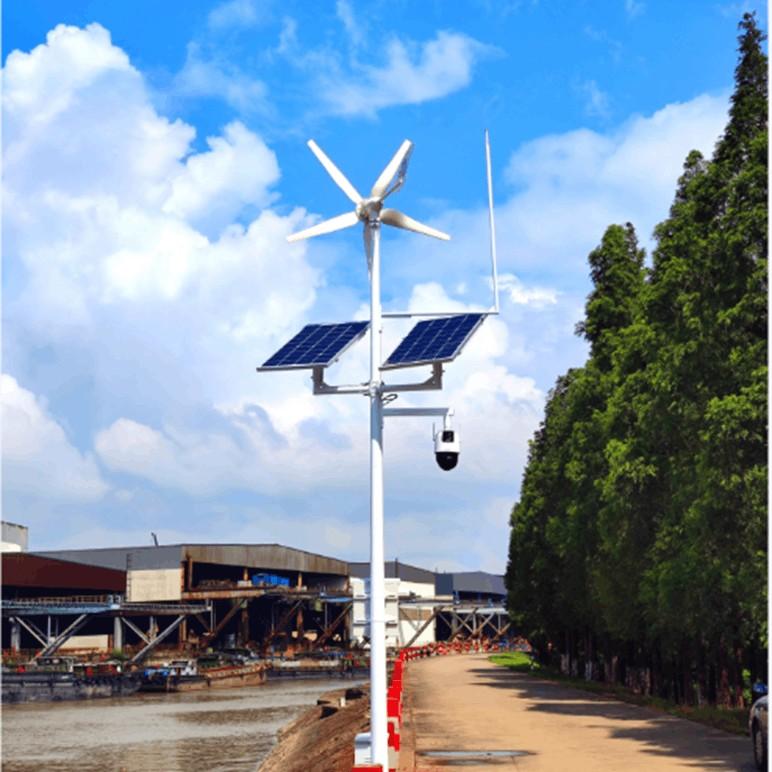
Due to the intermittent nature of standalone wind and solar power generation under unfavorable weather conditions such as windless or rainy days, using either technology alone in off-grid remote areas requires large-capacity energy storage equipment to ensure continuous power supply. By effectively integrating solar panels, wind turbines, and batteries, hybrid wind-solar power systems can solve the intermittency issue of single-source generation and provide relatively stable electricity. This te
10/14/2025
Consult
Tip
Consult
Tip
Cabinet Structure and Process Characteristics of Low-Voltage Switchgear
I. IntroductionThe cabinet structure forms the fundamental basis of low-voltage switchgear, making cabinet manufacturing technology the foundation of all foundations. As a structural enclosure, the cabinet must not only meet the functional integration requirements of various electrical units (such as standardized types, modular combinations, and functional distribution), but also satisfy inherent cabinet requirements (such as robustness, reliability, neat appearance, and ease of adjustment). Due
10/10/2025
Consult
Tip
Consult
Tip
Send inquiry
+86
Click to upload file
Download
Get the IEE Business Application
Use the IEE-Business app to find equipment, obtain solutions, connect with experts, and participate in industry collaboration anytime, anywhere—fully supporting the development of your power projects and business.