Mga Isyu at Kontra-Medida para sa 10kV SF₆ Gas-Insulated Common Tank Ring Main Unit (European-Style) Cable Connections

Mga Isyu at Kontra-Medida para sa 10kV SF₆ Gas-Insulated Common Tank Ring Main Unit (European-Style) Cable Connections
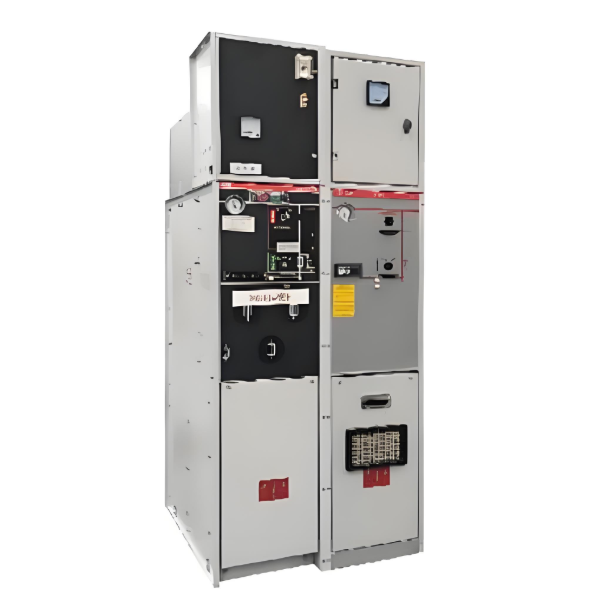
Dahil sa malawakang paggamit ng mga cable lines sa urban distribution networks, ang 10kV SF₆ gas-insulated common tank Ring Main Units (RMUs) (European-style) ay malawakang tinatanggap bilang network nodes dahil sa kanilang mga katangian ng full insulation, complete enclosure, maintenance-free operation, compact size, at flexible installation. Ang mga European-style SF₆ common tank RMUs na ito ay angkop para sa mga coastal areas na may maalat at mapagmumulan ng asin, at nagbibigay ng mataas na operational reliability.
Ang mga recent operational failures ng RMUs ay nagpapakita na karamihan sa mga isyu ay nagmumula sa mga connection points sa pagitan ng RMU bushings at 10kV cables. Ito ay lalo na totoo para sa mga indoor at outdoor RMUs na nagbabawas ng malaking current at malaking section cables. Kapag nangyari ang isang failure, ang buong RMU ay kailangang de-energize at palitan, at ang kanyang cable T-body connector ay kailangang i-re-install. Ito ay malaking nakakaapekto sa power supply reliability at nagdudulot ng malaking economic losses.
Ang connection sa pagitan ng RMU bushings at 10kV cables ay isang critical operational weak point. Ang artikulong ito ay nag-aanalisa ng mga umiiral na mga isyu at nagpopropona ng mga kontra-medida.
1. Mga Isyu sa Common Tank RMUs at Three-Core Cable Connections
Sa kasalukuyan, ang 10kV SF₆ common tank RMUs (European-style) at ang kanilang associated cable T-body connectors ay pangunahing European brands. Ang mga ito ay unang-unahan na disenyo para sa single-core cables, na mas madali na i-fix at i-install, walang torsional torque sa bushings, nagbibigay ng mahusay na contact sa pagitan ng terminal at bushing, at nagbabawas ng likelihood ng thermal faults. Sa kabilang banda, ang installation ng three-core cables ay mas komplikado, na nagdudulot ng maraming isyu na wala sa single-core installations:
- Ang fixing point ng three-core cable ay ang outer sheath: Ang bawat phase ay hindi maipapatayo nang independent. Kahit matapos ang connection, ang sariling timbang ng cable o external forces ay maaaring magpasa ng torsional torque sa bushing sections.
- Kailangan ng torque para align ang phase sequence: Sa panahon ng installation ng three-core cables, ang alignment ng phase sequence kadalasang nangangailangan ng pagsisipa ng torque bago ang fixation. Pagkatapos ng installation, ang internal stress mula sa pag-sisipa ng torque ay unti-unting lumilikha ng restoring torque na nag-apekto sa bushings.
- Limited cable chamber height: Ang compact cable chamber height ng RMUs (disenyo para sa single-core cables) ay nagpapahigpit sa available length ng bawat individual cable core phase.
- Limited adjustment after termination: Kapag ang cable lug ay crimped, ang installation length ay naka-fix. Dahil sa mas maikling individual core lengths (dahil sa space constraints) na mahirap ibend, ang pagsisipsip ng T-body connector sa posisyon kadalasang nangangailangan ng excessive pushing, pulling, o levering forces. Ito ay nagpapabigat ng risk sa pag-damage sa bushings o pagiging poor contact.
2. Kontra-Medida
Upang tugunan ang mga nabanggit na isyu, maaaring ipatupad ang mga kontra-medida sa mismong RMU, T-body connectors, installation practices, at ang civil foundation ng RMU.
2.1 Ring Main Unit (RMU)
2.1.1 Adequately Increase Cable Chamber Height:
Ang cable chambers ng SF₆ common tank RMU ay karaniwang maliit (approx. H: 600mm, W: 350mm). Ito ay angkop para sa single-core cables ngunit ginagawa ang installation ng T-body connectors, lalo na sa malaking section cables (240mm² o 300mm²), napakahirap para sa three-core cables. Ang trifurcating sleeve ng T-body connector din ay nangangailangan ng espasyo, na nagiiwan lamang ng ~400mm para sa cable cores. Ang malaking section cores ay stiff, at kasama ang site constraints, mahirap makamit ang tamang T-body positioning.
- Solution: Bagaman ang common tank RMUs ay standardized, ang installation height ay maaaring taasan gamit ang extension base. Ang pagtaas ng chamber height sa ~800mm at siguraduhin na ang vertical distance ng cable clamp mula sa HV bushing center point ay ≥750mm ay nagbibigay ng core lengths na ~600mm. Ito ay nagpapahusay ng tamang T-body installation. Sa esensya, ang extension base ay nagpapahaba ng separated single-phase cores pagkatapos ng three-core cable split, nagbibigay ng connection na parang single-core cables.
- Benefits: (1) Malaking pagbawas ng torsional torque sa bushings; (2) Nagpapataas ng installation tolerance, nagpapakonti ng pangangailangan ng force; nagpapababa ng risk ng gas leakage; (3) Nagpapahusay ng tamang positioning ng lugs at stress cones.
2.1.2 Consider Bushing Conductivity During RMU Selection:
Ang standard 630A RMUs kadalasang may bolt-type bushings na may outer copper tube diameter na 25mm at threaded inner hole para sa M16 bolts (conductive area ~289.6mm²). Ang aktwal na contact area ay kadalasang mas maliit dahil sa fit tolerances. Kapag ang stainless steel bolts ang ginagamit (dahil sa soft copper), ang conduction ay depende lamang sa end contact. Sa loob ng sealed insulation, ang heat dissipation ay mahina. Kung ang lug-to-bushing contact ay mahina sa high currents (>400A), ang thermal faults ay nangyayari.
- Solution: Para sa RMUs na gumagamit ng 240mm² o 300mm² cables na nagbabawas ng >400A, pumili ng models na may 800A-rated bushings (outer copper tube Ø 32mm) upang bawasan ang risk ng thermal fault.
2.1.3 Enhance RMU Bushing Temperature Monitoring:
Ang sealed common tank RMUs ay hindi maaaring buksan para sa inspection. Ang standard IR thermography ay hindi maaaring sukatin ang joint temperatures. Ang pagdaragdag ng inspection ports ay nagpapahina ng IP rating.
- Solution:
- Routine checks: Manually feel cable chamber front panel temperature para makadetect ng T-body overheating.
- Critical units: De-energize periodically after initial high-current operation para inspeksyunin ang connections para sa signs ng overheating.
- Best practice (Technology): Install temperature sensors directly on RMU bushings or T-body connectors para sa real-time temperature monitoring.
2.2 Cable T-Body Connector
2.2.1 Ensure Quality of Conductive Components:
Ang paglilipat sa stainless steel bolts ay nagpapadepende ng conduction sa end contact, na nagpapataas ng demand sa quality ng structure/material ng lug. Ang mga karaniwang isyu na natatagpuan ay:
Lug contact surface too narrow/hole too large → reduced contact area.
Poor lug material quality, uneven plating.
Mismatch between lug hole taper and double-ended bolt → lug cannot contact bushing properly → conduction only via bolt.
Copper washer too thin/small → cannot ensure parallel lug-to-bushing contact.
All lead to reduced current capacity and thermal fault risk.
- Solution: Specify T-body connector conductive components clearly:
- Lug contact surface width: 25mm o 32mm (match bushing conductive area).
- Lug material: T2 copper (>99.9% Cu, electrolytic, molded, annealed). Tin o silver plating.
- Washer: Large surface, ≥3mm thick para siguraduhin ang mahusay na pressure contact.
2.2.2 Select Soft-Material T-Body Connectors to Ease Installation:
Ang EPDM o rigid plastic/rubber T-bodies ay hard/brittle, mahirap i-adjust sa panahon ng installation (lalo na sa malaking cores/stress cones/insulation), at mahirap i-verify ang positioning. Ang mahinang elasticity/radial force ay nagpapabigat ng long-term interface separation at tracking.
- Solution: Choose Silicone Rubber T-body connectors para sa common tank RMUs. Benefits: Soft, elastic → easy positioning adjustment; Excellent radial force at uniformity → mahusay na sealing, prevents tracking; Sufficient mechanical strength para sa RMU chambers.
2.3 Site Installation Practices
2.3.1 Secure Cable Entry Point:
I-secure ang three-core cable na pumapasok sa RMU directly below the HV bushings gamit ang cable clamp. Iwasan ang tilting o unsupported cable entry. Ang hindi secured na cables ay nagpapasa ng torsional/pulling forces, na maaaring maging sanhi ng compromise sa bushing/seal integrity → SF₆ leakage, bushing cracks, HV faults.
- Position cores vertically at symmetrically; minimize twisting.
- Place the branch glove at cable clamp as low as possible (≥750mm vertical distance from bushings).
- Site Process: After pulling cable through foundation into chamber, cut off any damaged cable end. Verify phase sequence. Align cable entry angle so cores are straight towards bushings. If angle is excessive, retract cable to trench/pit, correct angle, then re-insert and clamp firmly. Double-fixing: Where possible, add a second clamp point (e.g., fixing beam in cable pit below) to secure the outer sheath further.
2.3.2 Cable Phase Separation and Preparation:
- Fix cable branch glove using clamp before trimming core lengths.
- Align B phase with B bushing.
- Slightly bend A/C phases outward at the root before vertically aligning them with their bushings.
- Place termination bolt into bushing, hang lug loosely on it.
- Cut core ends to exact required length after verifying alignment.
- Crucial: Fix cable before final trimming. Failure to do so results in inconsistent core lengths → bushing stress and poor contact.
- Peeling/Cleaning Process:
- Follow T-body manufacturer's peeling dimensions exactly.
- Avoid damaging inner layers while peeling outer layers.
- Absolutely prevent longitudinal scratches on core insulation → prevents internal tracking.
- Use manufacturer-supplied cleaning paper. Avoid other solvents like industrial alcohol.
- Use polyfluoroether-based lubricant (compatible with silicone rubber). Avoid silicone grease → mutual dissolution → interface drying → tracking risk.
2.3.3 Stress Cone Installation:
- Ensure stress cone matches cable size → correct interference fit. Too tight: hard install, risk splitting. Too loose: poor sealing, risk surface discharge.
- Position strictly per T-body manufacturer’s instructions (positions relative to insulation and cable core affect stress control/sealing). Minimal tolerance.
- Position stress cone on the vertical section of the cable if possible → ensures best seal.
- Prevent sharp objects from scratching silicone rubber surfaces.
- Apply uniform coating of compatible lubricant on interference fit surfaces.
2.3.4 Ensure Sufficient Conductor Contact Area:
Conductor connection inside the insulation sleeve is invisible/hard to check. Must ensure:
- Lug surface is parallel to bushing conductive surface → minimized stress on bushing.
- Excellent contact to prevent heating.
- Crimping: Crimp lug to core per procedure. Ensure lug face orientation is parallel to bushing plane. After crimp dies close fully, hold pressure for 10-15 seconds. Deburr surfaces. Clean lug and core insulation.
- Connection: Place lug onto bolt, push T-body into bushing → ensure parallel lug-to-bushing contact before tightening.
2.3.5 Ensure Reliable Grounding:
Shielded T-body connectors must be properly earthed using dedicated grounding rings/wires connected to the RMU ground grid. Failure risks:Static charge build-up on surface → shock hazard.
Surface discharge to nearby ground → material electrical erosion.
2.4 Requirements for RMU Civil Foundation
- RMU base typically 300-500mm above ground level.
- Cable pit depth below base should be ≥800mm; strive for 1000mm if site permits.
- Purpose: Provides adequate bending radius for cable entry (especially large sections), allowing near-vertical entry → reduces stress on cable/connection.