Low voltage pole mounted circuit breaker D165T with digital trip unit
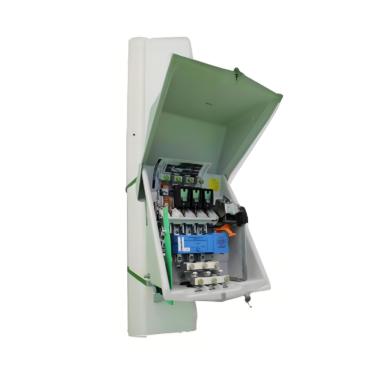
Key attributes
| Brand | Wone Store |
| Model NO. | Low voltage pole mounted circuit breaker D165T with digital trip unit |
| Rated normal current | 165A |
| Rated frequency | 50/60Hz |
| Series | D |
Product descriptions from the supplier
Description
These breakers are designed to operate within low - voltage networks, typically handling voltages of 600V AC or less and 750V DC or less. Their primary function is to interrupt the flow of current when faults such as overloads, short - circuits, or under - voltage conditions occur. They are widely used in various applications, including industrial plants, commercial buildings, and residential electrical systems. In industrial settings, they protect large - scale machinery and equipment from electrical malfunctions. In commercial buildings, they ensure the safety of lighting, heating, and cooling systems. In residential areas, they safeguard household appliances and wiring.
Features
Safe Circuit Interruption:LV circuit breakers are engineered to open and close circuits safely. This is vital as improper circuit interruption can lead to electrical arcs, which may cause fires or damage to equipment. They can handle the high - energy surges associated with breaking an electrical circuit without endangering the surrounding environment.
Repeated Breaking Operations:They are capable of performing breaking operations repeatedly. This feature ensures long - term reliability. In a power system where faults may occur occasionally, the breaker needs to be able to respond multiple times without degradation in performance. For example, in an industrial facility with fluctuating electrical loads, the breaker may need to trip and reset several times over its lifespan.
Multiple Electrode Breaking:Many LV circuit breakers can break multiple electrodes simultaneously. In complex electrical setups, such as three - phase power systems, this ability allows for the quick and effective isolation of all live conductors during a fault. This helps in preventing the spread of electrical faults and reduces the risk of damage to connected equipment.
High Breaking Capacity:Some models possess high breaking capacities. This is especially important in industrial and commercial applications where large short - circuit currents can occur. For instance, in a manufacturing plant with high - power machinery, a short - circuit could generate a substantial amount of current. A breaker with a high breaking capacity can safely interrupt this large current, protecting the entire electrical infrastructure.
Main Parameters
Dimensions |
|
Weight |
17 kg |
Height |
550 mm |
Width |
370 mm |
Length |
400 mm |
Standards |
|
Standards |
HN 63-S-11 |
Electrical values |
|
Rated Voltage (Ur) |
0.44 kV |
Rated current |
165 A |
Rated short-circuit breaking capacity |
4 kA |
Rated short-circuit making current |
6.8 kA |
Rated short-time withstand current (1s) |
4 kA/s |
10 kV |
|
Lightning impulse withstand level of voltage (1.2/50) |
20 kV |
Features |
|
Degree of protection |
IP31 |
Output number |
1 |
Conductor size |
25 - 70mm² |
Temperatures |
|
Operating temperature |
-25 ... 50 °C |
Storage temperature |
-25 ... 70 °C |

Related Products
-
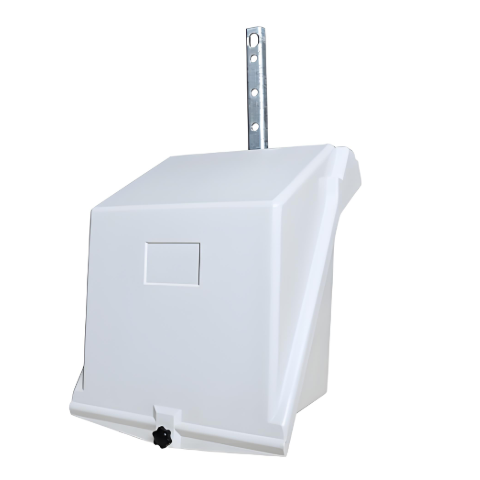
DHP type LV Pole mounted Circuit Breaker/Digital Stroke Unit Installed
-
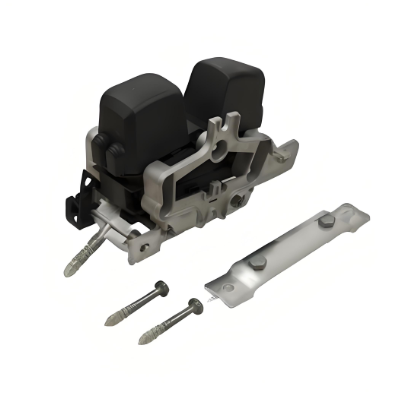
160A Pole fuse switch disconnector
-
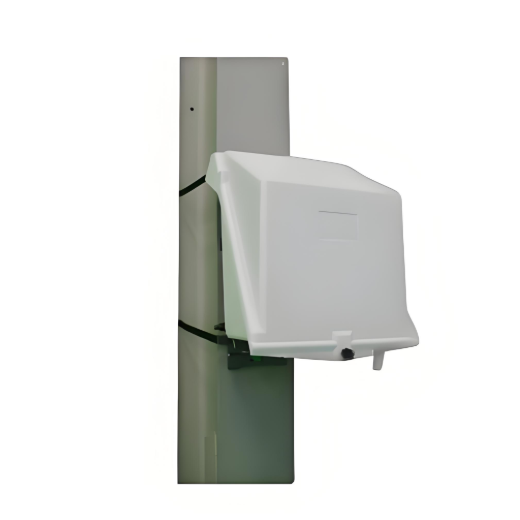
Circuit breaker Pole Mounted Circuit Breaker D265T (Middle Pole) with Digital Trip Unit
-
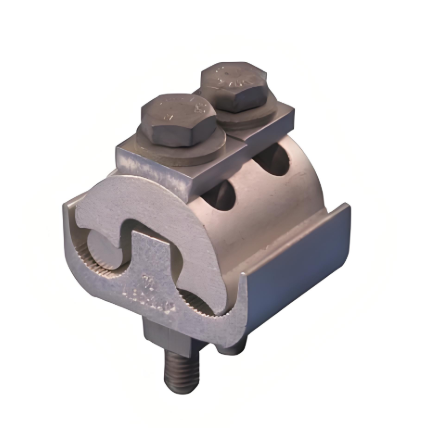
Busbar connector used for connecting Al/Cu-conductors
-
Pole fuse switch disconnector for protecting in LV-networks

-
Pole fuse switch disconnector for protecting underground cables

-
LV circuit breakers for protection of pole mounted distribution transformers

Related Knowledges
-
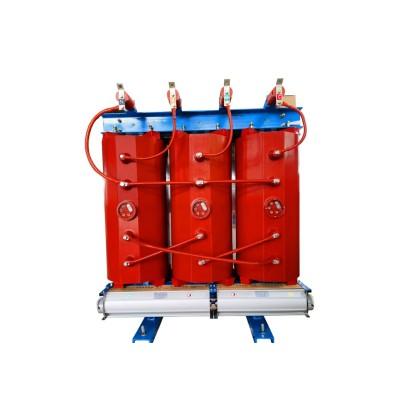 Intelligent Grounding Transformers for Island Grid Support1. Project BackgroundDistributed photovoltaic (PV) and energy storage projects are developing rapidly across Vietnam and Southeast Asia, yet face significant challenges:1.1 Grid Instability:Vietnam's power grid experiences frequent fluctuations (particularly in northern industrial zones). In 2023, coal power shortages triggered large-scale blackouts, resulting in daily losses exceeding USD 5 million. Traditional PV systems lack effective neutral grounding management capabilities, making equipmen12/18/2025
 -
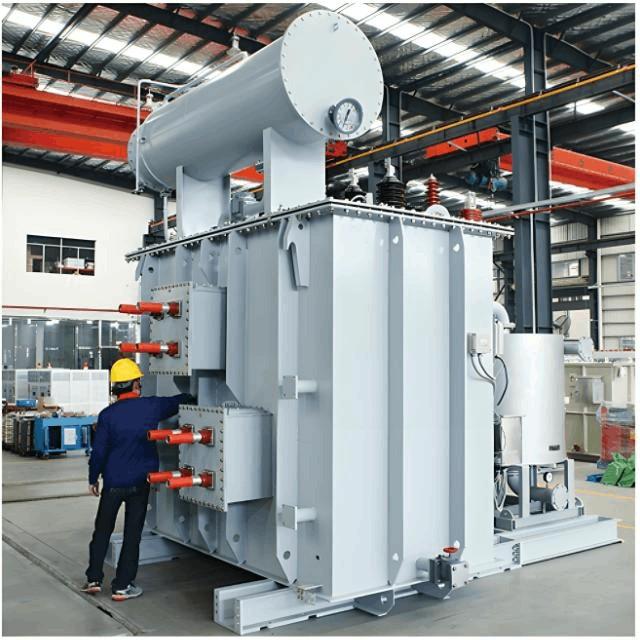 Commissioning Test Procedures for Oil-Immersed Power TransformersTransformer Testing Procedures and Requirements1. Non-Porcelain Bushing Tests1.1 Insulation ResistanceSuspend the bushing vertically using a crane or support frame. Measure the insulation resistance between the terminal and the tap/french using a 2500V megohmmeter. The measured values should not significantly deviate from factory values under similar environmental conditions. For capacitive-type bushings rated 66kV and above with tap bushings, measure the insulation resistance between the "small12/17/2025
 -
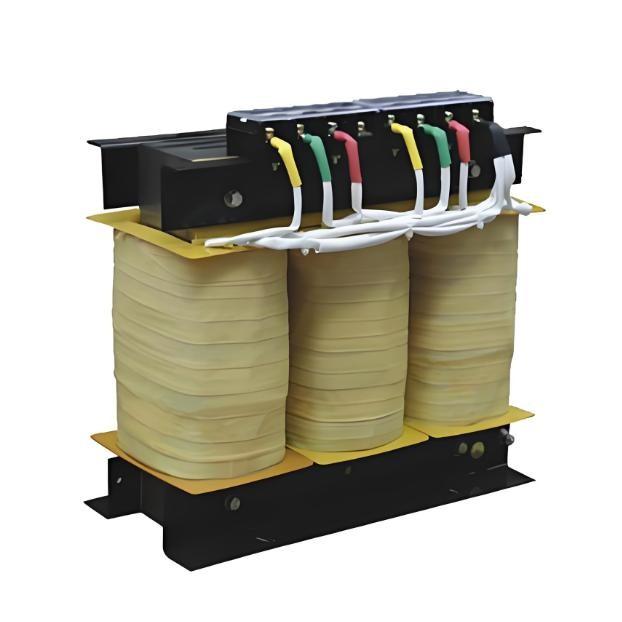 Quality Standards for Core Maintenance of Power TransformersTransformer Core Inspection and Assembly Requirements The iron core should be flat with intact insulation coating, tightly stacked laminations, and no curling or waviness at the edges of silicon steel sheets. All core surfaces must be free of oil, dirt, and impurities. There should be no short circuits or bridging between laminations, and joint gaps must meet specifications. Good insulation must be maintained between the core and upper/lower clamping plates, square iron pieces, pressure plates,12/17/2025
 -
 Power Transformers: Short Circuit Risks, Causes, and Improvement MeasuresPower Transformers: Short Circuit Risks, Causes, and Improvement MeasuresPower transformers are fundamental components in power systems that provide energy transmission and are crucial induction devices ensuring safe power operation. Their structure consists of primary coils, secondary coils, and an iron core, utilizing the principle of electromagnetic induction to alter AC voltage. Through long-term technological improvements, the reliability and stability of power supply have continuously enha12/17/2025
 -
 8 Key Measures to Reduce Partial Discharge in Power TransformersGrowing Requirements for Power Transformer Cooling Systems and the Function of CoolersWith the rapid development of power grids and the increase in transmission voltage, power grids and electricity users are demanding increasingly higher insulation reliability for large power transformers. Since partial discharge testing is non-destructive to insulation yet highly sensitive, effectively detecting inherent defects in transformer insulation or safety-threatening defects generated during transporta12/17/2025
 -
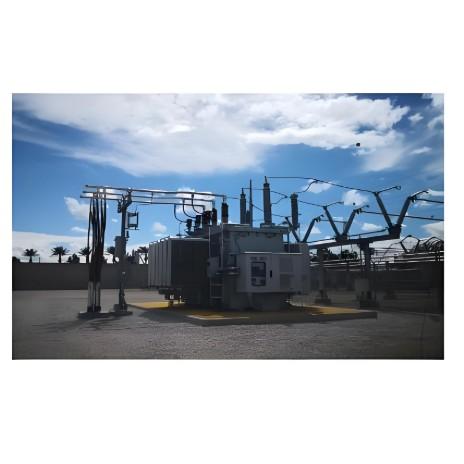 General Requirements and Functions of Power Transformer Cooling SystemsGeneral Requirements for Power Transformer Cooling Systems All cooling devices shall be installed in accordance with the manufacturer's specifications; The cooling system with forced oil circulation must have two independent power supplies with automatic switching capability. When the working power supply fails, the standby power supply shall be automatically activated while emitting audible and visual signals; For transformers with forced oil circulation, when a faulty cooler is disconnected, a12/17/2025
Related Solutions
-
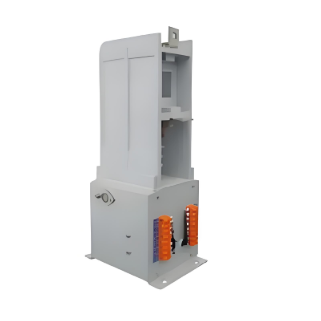 Dedicated Vacuum Contactor Solution for Port Shore Power SystemsI. Background and ChallengesShore power systems have become core technical equipment for ports to reduce carbon emissions and noise pollution. However, these systems face two major challenges in the harsh operational environment of ports:Severe Environmental Corrosion: High humidity and salt spray in port areas cause serious corrosion to metal components and enclosures of electrical equipment, significantly impacting electrical lifespan and operational reliability.High Switching Requirements:09/13/2025
 -
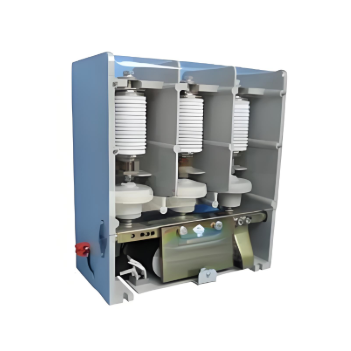 ABB Vacuum Contactor KC2 Power Supply System Technical Transformation PlanIssue OverviewThe 10kV air compressor starting system of a company utilizes the ABB vacuum contactor KC2 as the control component for the operating circuit. The dedicated wide-voltage power supply module paired with this contactor presents the following issues:Frequent failures: The power supply module fails to properly transition the voltage from 300V to 12V, resulting in fuse blowouts.Poor heat dissipation: Enclosed installation of the module leads to insufficient heat dissipation, acceler09/13/2025
 -
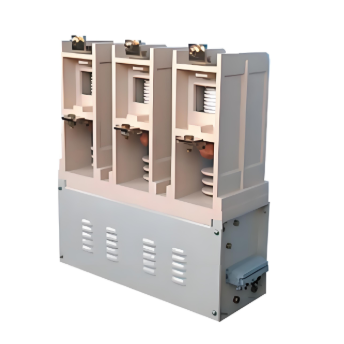 Solution for Medium-Voltage Motor Control and Protection Using Vacuum Contactor-Fuse (VCF) in a Coal Conveying System1.Project BackgroundA coal conveying system comprises 15 belt conveyors driven by medium-voltage motors. The system operates under complex conditions, with motors often subjected to heavy loads and frequent starts. To address these challenges and achieve effective control and reliable protection during motor startup, the project comprehensively adopts Vacuum Contactor-Fuse (VCF) combination devices for the 6kV medium-voltage motor power distribution. This solution details the technical features,09/13/2025