• Product
  • Suppliers
  • Manufacturers
  • Solutions
  • Free tools
  • Knowledges
  • Experts
  • Communities
Search


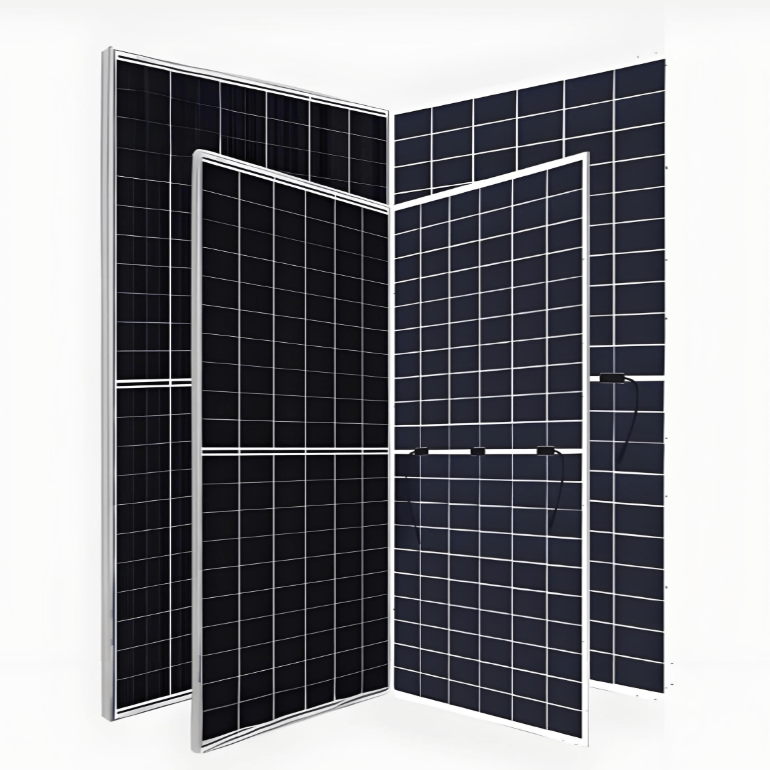
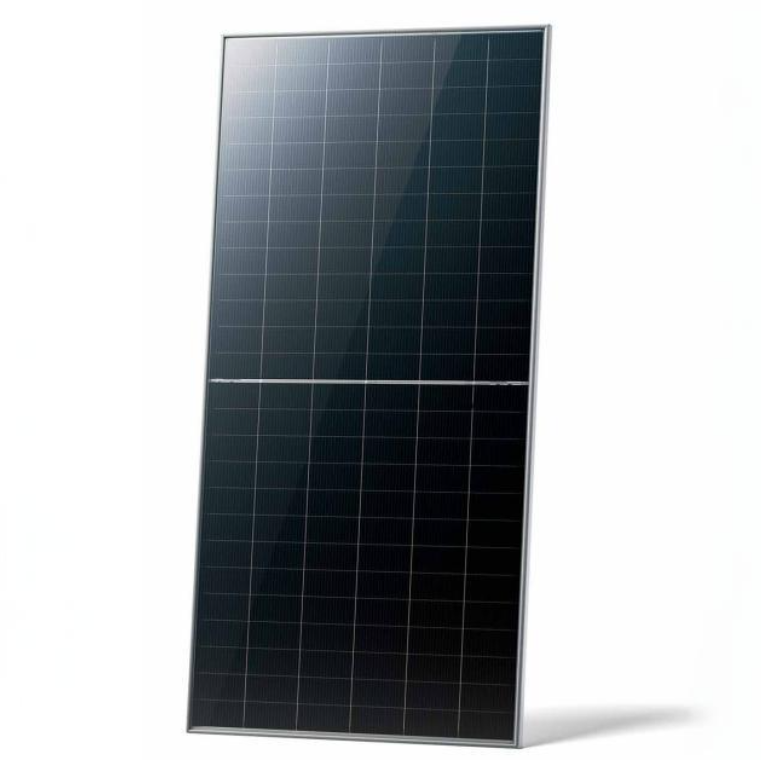
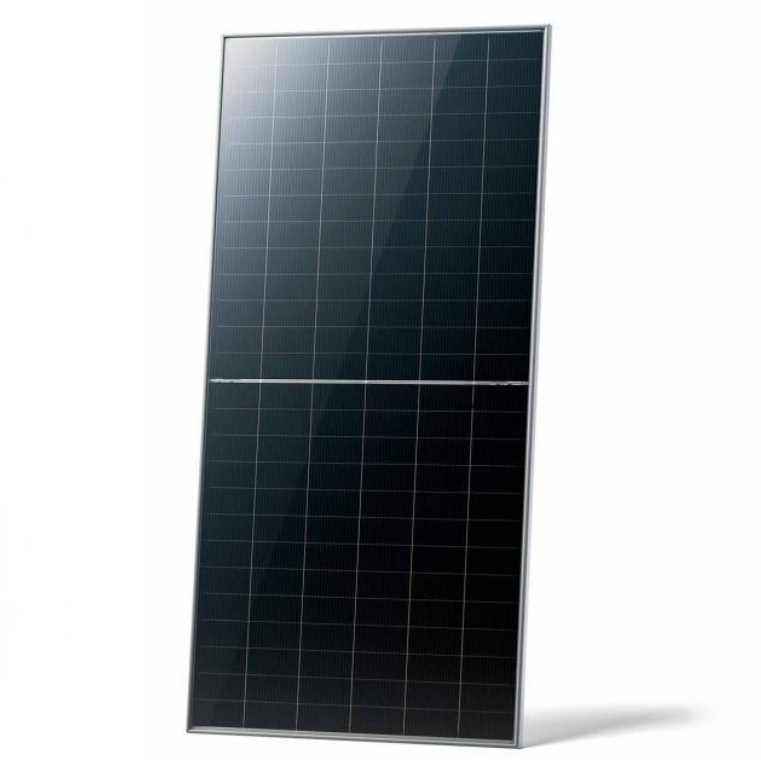
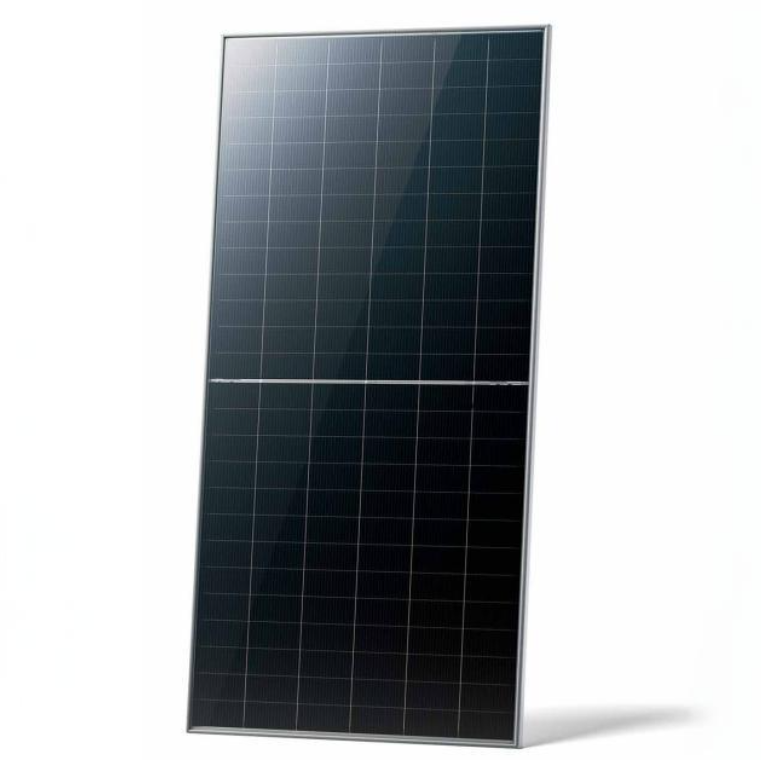
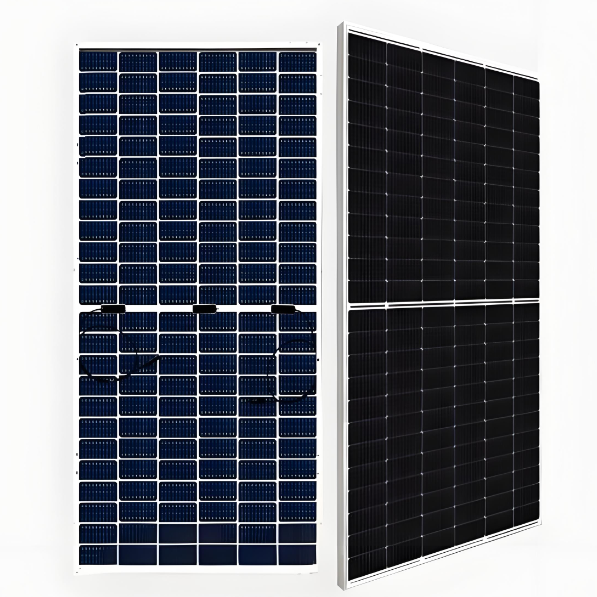
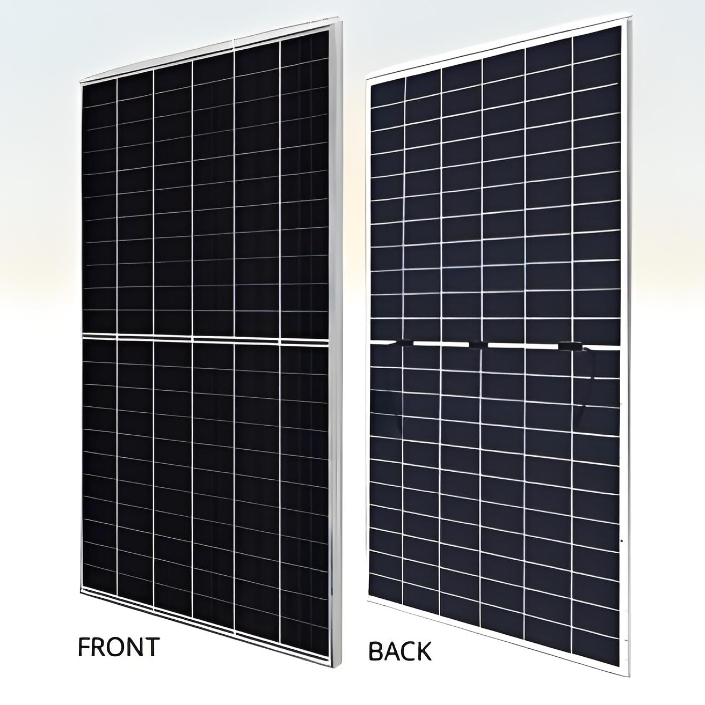
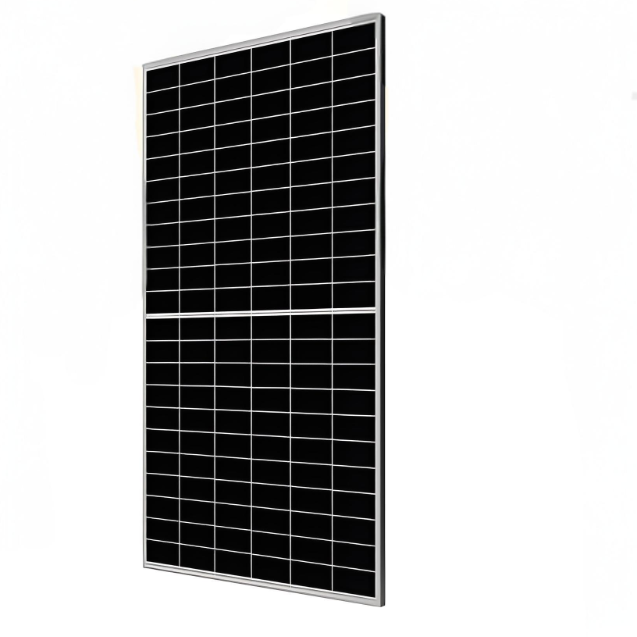
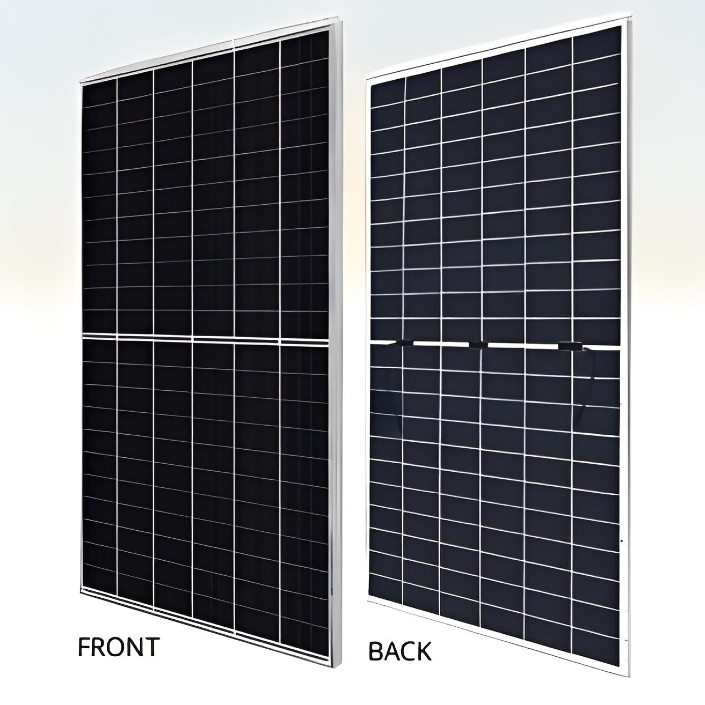
530 W - 555 W Bificial High Power Dual cell PERC Module(Mono)

  • 530 W - 555 W Bificial High Power Dual cell PERC Module(Mono)
  • 530 W - 555 W Bificial High Power Dual cell PERC Module(Mono)

Key attributes

Brand POWERTECH
Model NO. 530 W - 555 W Bificial High Power Dual cell PERC Module(Mono)
Power Bifaciality 70%
Max. System Voltage 1500V (IEC)
Max. Series Fuse Rating 30A
Module Fire Performance CLASS C
Max. power of the module 555W
Max. efficiency of Module 21.5%
Series Bificial MONO PERC

Product descriptions from the supplier

Description

Features

  • Module power up to 555 W Module efficiency up to 21.5 %.

  • Up to 12.3 % lower LCOE Up to 5.2 % lower system cost.

  • Comprehensive LID / LeTID mitigation technology, up to 50% lower degradation.

  • Compatible with mainstream trackers, cost effective product for utility power plant.

  • Better shading tolerance.

Standard

  • Minimizes micro-crack impact.

  • Heavy snow load up to 5400 Pa, wind load up to 2400 Pa*.

Engineering drawing(mm)
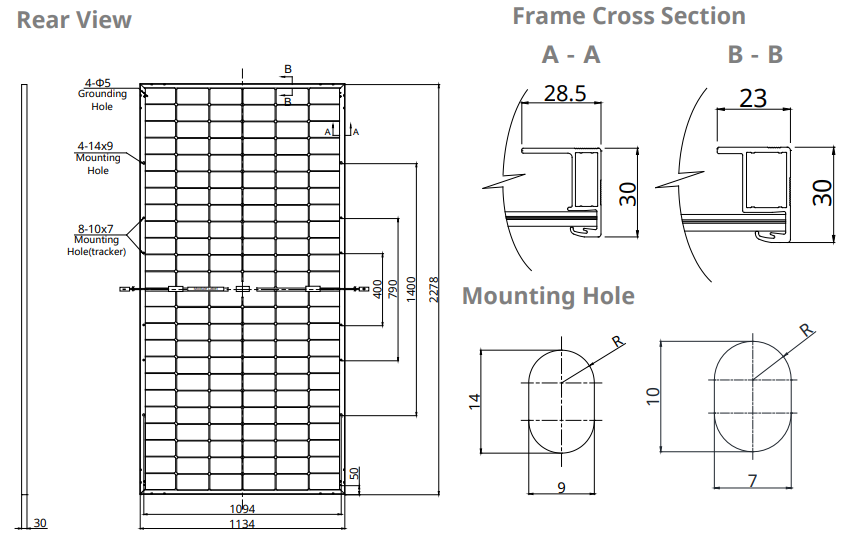
image.png

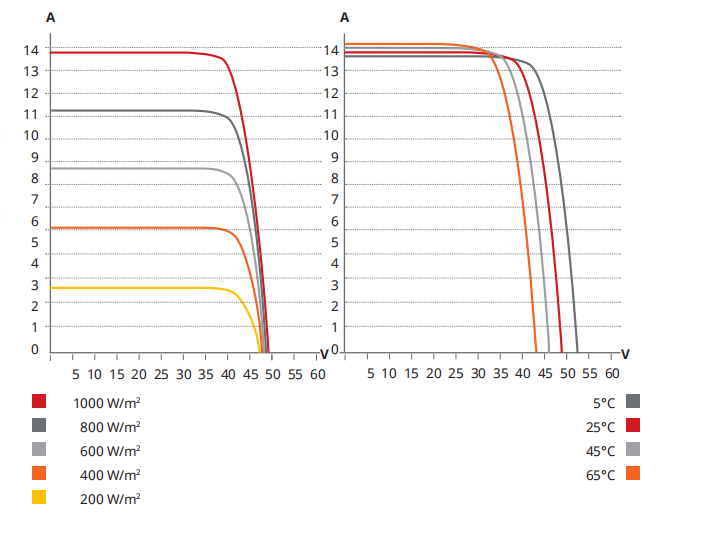
CS6W-530MB-AG / I-V gurves

image.png

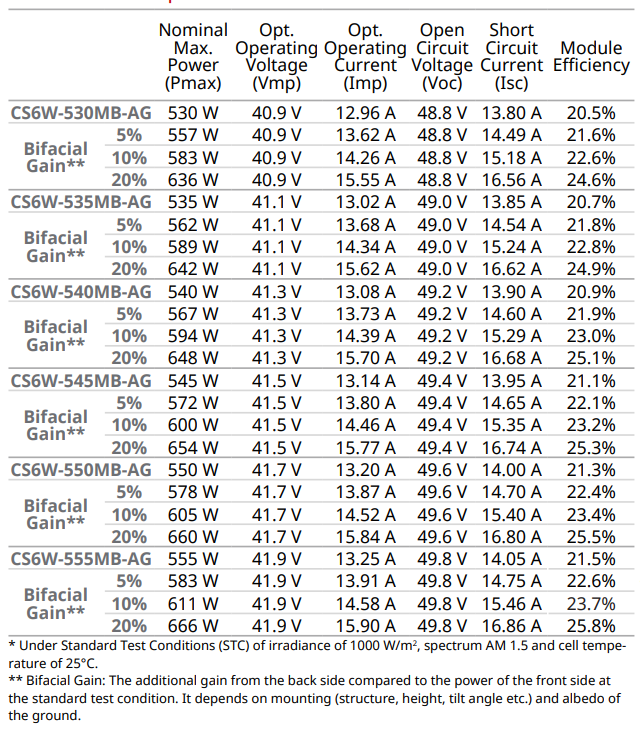
Electrical date/STC*

image.png

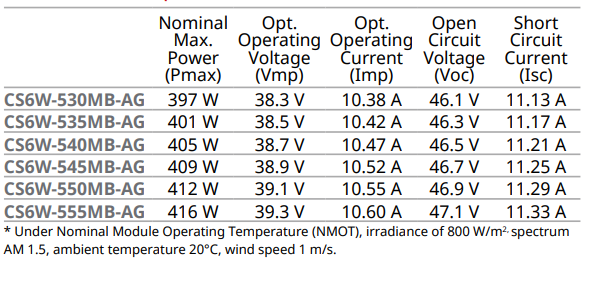
Electrical date/NMOT*

image.png

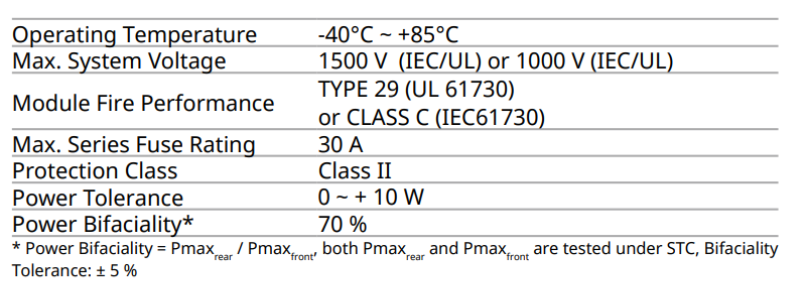
Electrical date

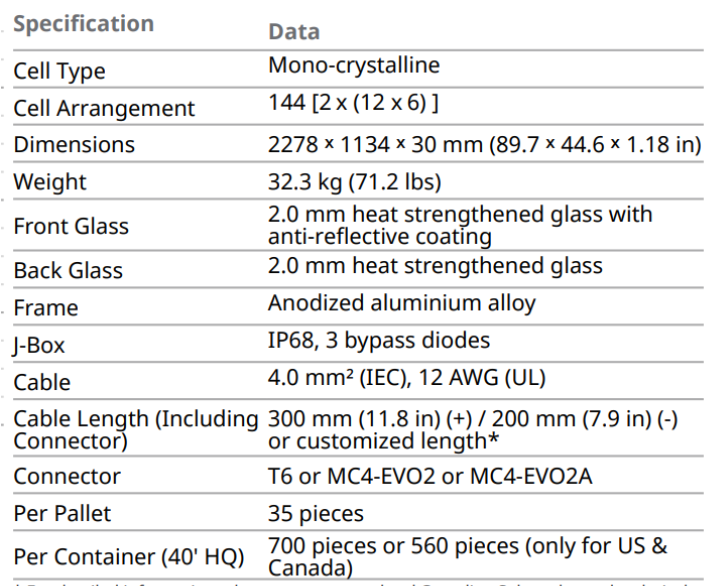
image.png

Mechanical charactheristics

image.png

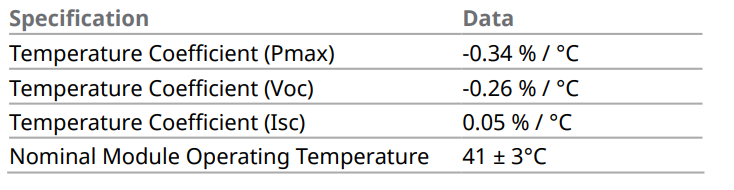
Temperature characteristics

image.png

How does PERC work?

Definition:
PERC technology is a design improvement technology for photovoltaic cells, aiming to enhance the overall photoelectric conversion efficiency of the cells by reducing recombination losses on the back surface and improving back surface reflection.

Working Principle:

  • Passivation: By adding a dielectric passivation layer (such as aluminum oxide Al2O3 or silicon nitride SiN) on the back of the cell, the recombination losses on the back surface are reduced, that is, the non-radiative recombination of photogenerated carriers on the back surface is decreased.

  • Reflection: The passivation layer also has a high reflectivity, which can reflect the unabsorbed light back into the cell, increasing the absorption probability of photons and thereby enhancing the short-circuit current (Is).

  • Hole-opening: Holes are opened on the passivation layer (by means of lasers, etc.) to form metal contact points for current collection.
Know your supplier
Online store
On-time delivery rate
Response time
100.0%
≤4h
Company overview
Workplace: 580000m² Total staff: Highest Annual Export(usD): 120000000
Workplace: 580000m²
Total staff:
Highest Annual Export(usD): 120000000
Services
Business Type: Design/Manufacture/Sales
Main Categories: High Voltage Electrical Apparatus
Whole life care manager
Whole-life care management services for equipment procurement, use, maintenance, and after-sales, ensuring safe operation of electrical equipment, continuous control, and worry-free electricity consumption.
The equipment supplier has passed platform qualification certification and technical evaluation, ensuring compliance, professionalism, and reliability from the source.

Related Products

Related Knowledges

  • Centralized vs Distributed Solar Power: Key Differences
    Differences Between Centralized and Distributed Photovoltaic (PV) Power PlantsA distributed photovoltaic (PV) power plant refers to a power generation system that consists of multiple small-scale PV installations deployed across various locations. Compared to traditional large-scale centralized PV power plants, distributed PV systems offer the following advantages: Flexible Layout: Distributed PV systems can be flexibly installed based on local geographic conditions and electricity demand—in div
    11/08/2025
  • Composition and Working Principle of Photovoltaic Power Generation Systems
    Composition and Working Principle of Photovoltaic (PV) Power Generation SystemsA photovoltaic (PV) power generation system is primarily composed of PV modules, a controller, an inverter, batteries, and other accessories (batteries are not required for grid-connected systems). Based on whether it relies on the public power grid, PV systems are divided into off-grid and grid-connected types. Off-grid systems operate independently without relying on the utility grid. They are equipped with energy-s
    10/09/2025
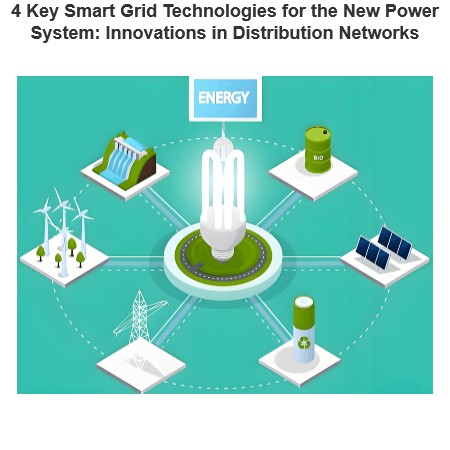
  • 4 Key Smart Grid Technologies for the New Power System: Innovations in Distribution Networks
    1. R&D of New Materials and Equipment & Asset Management1.1 R&D of New Materials and New ComponentsVarious new materials serve as the direct carriers for energy conversion, power transmission, and operation control in new-type power distribution and consumption systems, directly determining operational efficiency, safety, reliability, and system costs. For instance: New conductive materials can reduce energy consumption, addressing issues such as energy shortage and environmental pol
    09/08/2025
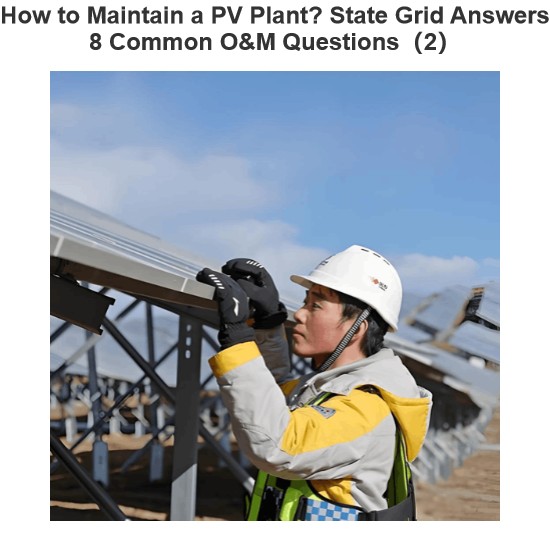
  • How to Maintain a PV Plant? State Grid Answers 8 Common O&M Questions(2)
    1. On a scorching sunny day, do damaged vulnerable components need to be replaced immediately?Immediate replacement is not recommended. If replacement is necessary, it is advisable to do so in the early morning or late afternoon. You should contact the power station’s operation and maintenance (O&M) personnel promptly, and have professional staff go to the site for replacement.2. To prevent photovoltaic (PV) modules from being hit by heavy objects, can wire mesh protective screens be install
    09/06/2025
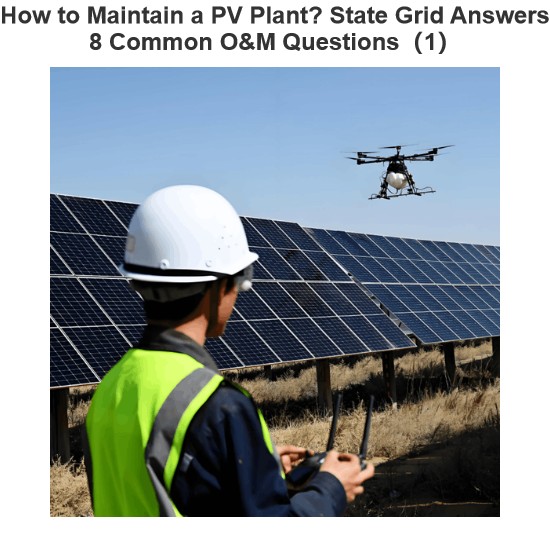
  • How to Maintain a PV Plant? State Grid Answers 8 Common O&M Questions(1)
    1. What are the common faults of distributed photovoltaic (PV) power generation systems? What typical problems may occur in various components of the system?Common faults include inverters failing to operate or start due to voltage not reaching the startup set value, and low power generation caused by issues with PV modules or inverters. Typical problems that may occur in system components are burnout of junction boxes and local burnout of PV modules.2. How to handle common faults of distributed
    09/06/2025
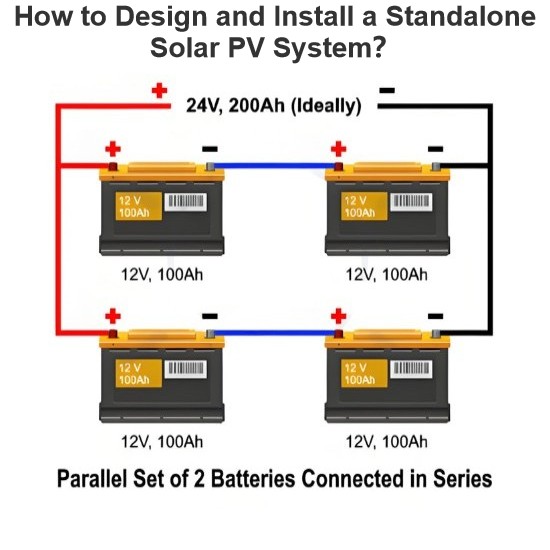
  • How to Design and Install a Standalone Solar PV System?
    Design and Installation of Solar PV SystemsModern society relies on energy for daily needs like industry, heating, transport, and agriculture, mostly met by non-renewable sources (coal, oil, gas). However, these cause environmental harm, are unevenly distributed, and face price volatility due to limited reserves—driving demand for renewable energy.Solar energy, abundant and capable of meeting global needs, stands out. Standalone PV systems (Fig 1) offer energy independence from utiliti
    07/17/2025
Haven't found the right supplier yet? Let matching verified suppliers find you. Get Quotation Now
Haven't found the right supplier yet? Let matching verified suppliers find you.
Get Quotation Now
Send inquiry
+86
Click to upload file
Download
Get the IEE Business Application
Use the IEE-Business app to find equipment, obtain solutions, connect with experts, and participate in industry collaboration anytime, anywhere—fully supporting the development of your power projects and business.