• Product
  • Suppliers
  • Manufacturers
  • Solutions
  • Free tools
  • Knowledges
  • Experts
  • Communities
Search


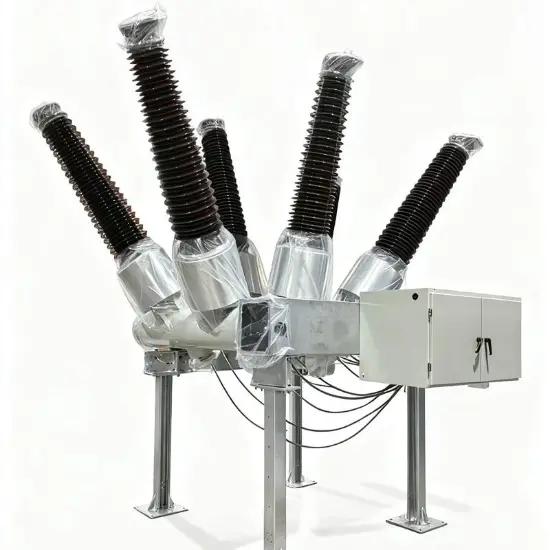
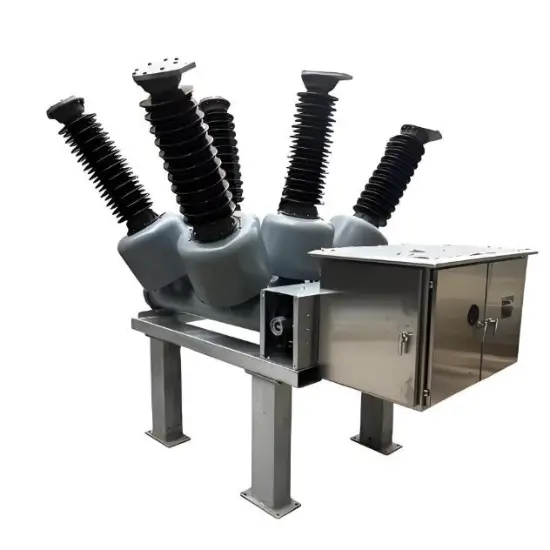
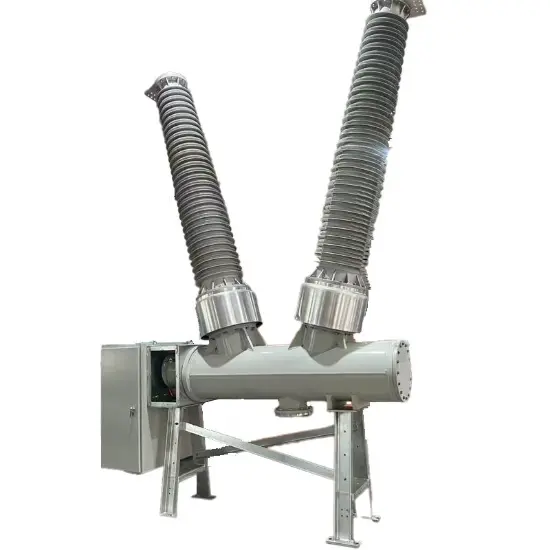
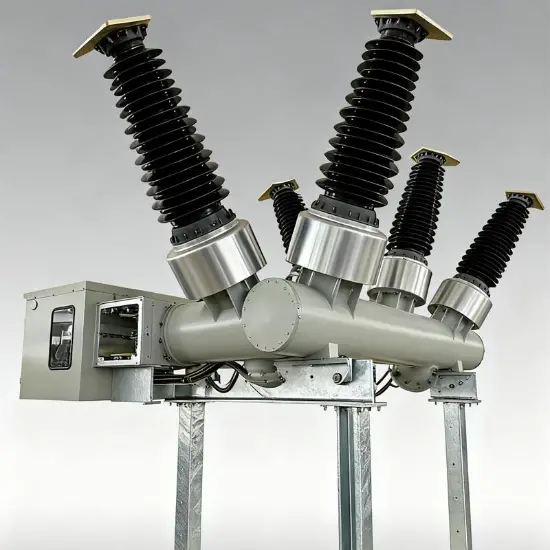
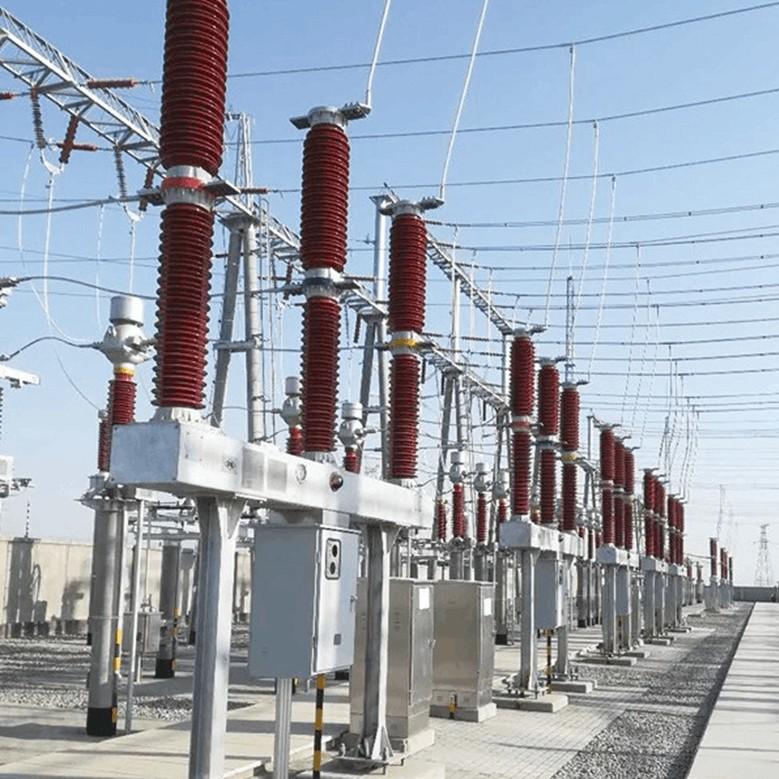
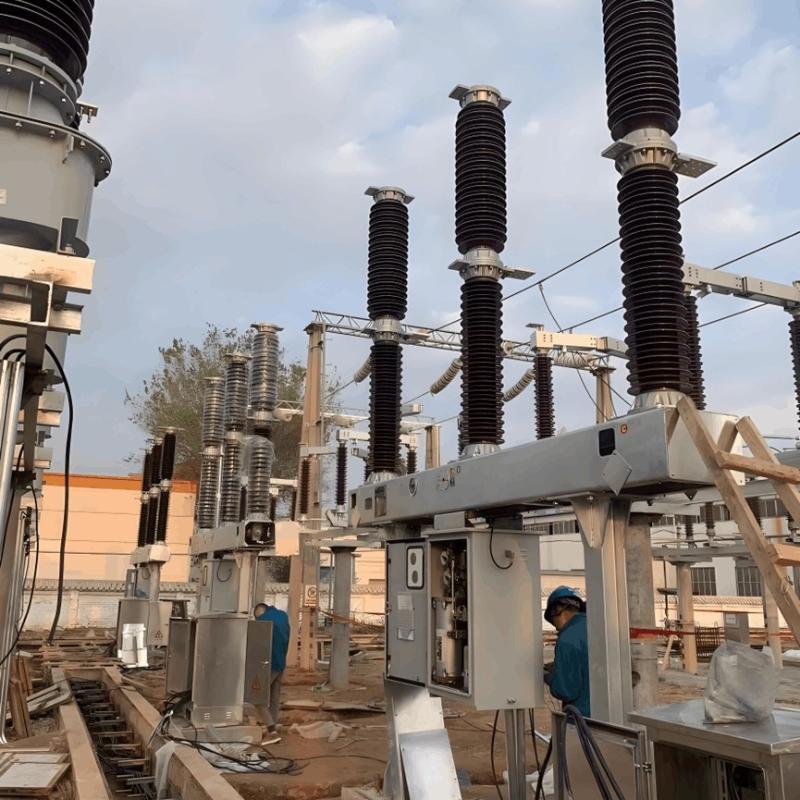
330kV 345kV 363 kV 380kV Dead tank SF6 circuit breaker supplier

  • 330kV 345kV 363 kV 380kV Dead tank SF6 circuit breaker supplier

Key attributes

Brand ROCKWILL
Model NO. 363 kV Dead tank SF6 circuit breaker
Rated voltage 363kV
Rated normal current 4000A
Rated frequency 50/60Hz
Series LW

Product descriptions from the supplier

Description

Description

Pioneers in China's GIS tank circuit breaker industry. As the country's first source factory specializing in this field, we boast decades of technical accumulation and continuous innovation — ensuring reliable products while leading the way in R&D. Thanks to our outstanding reliability, we've been chosen for numerous major power projects.

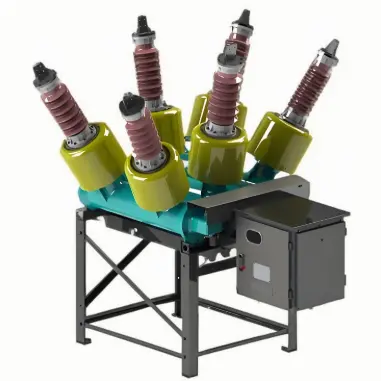
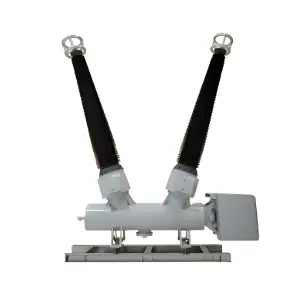
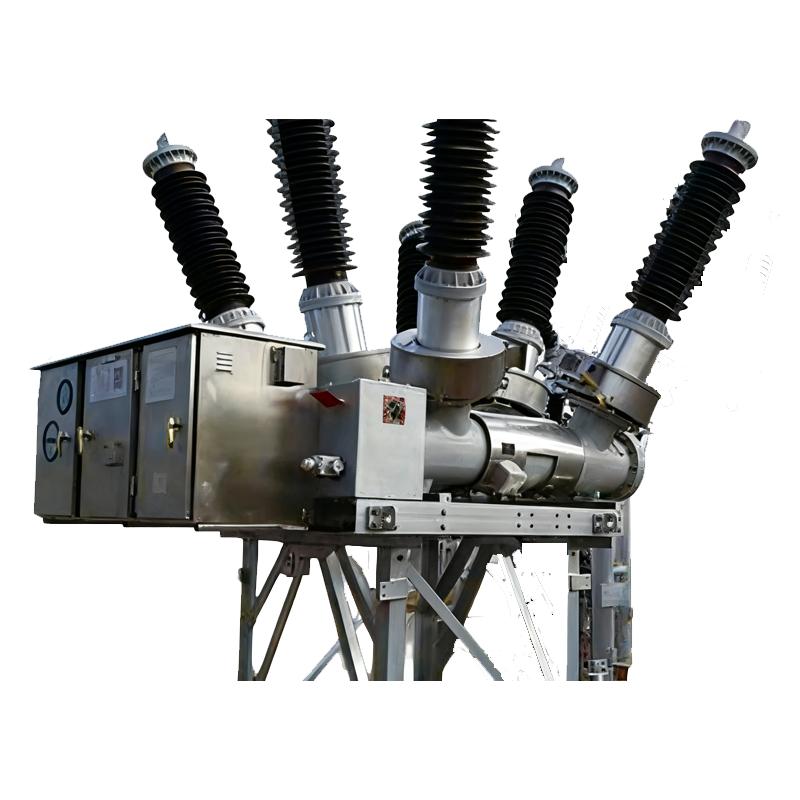
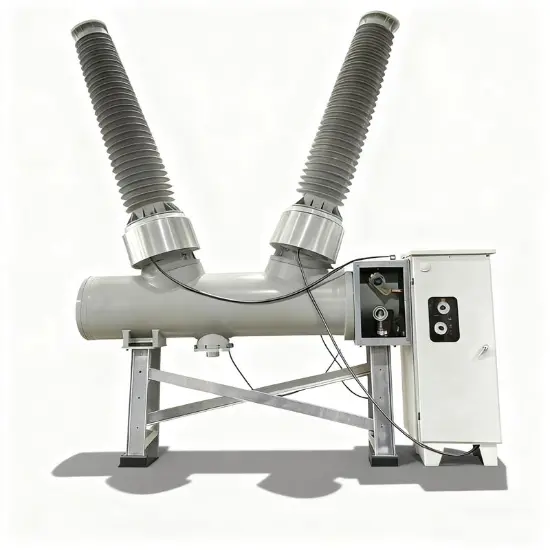
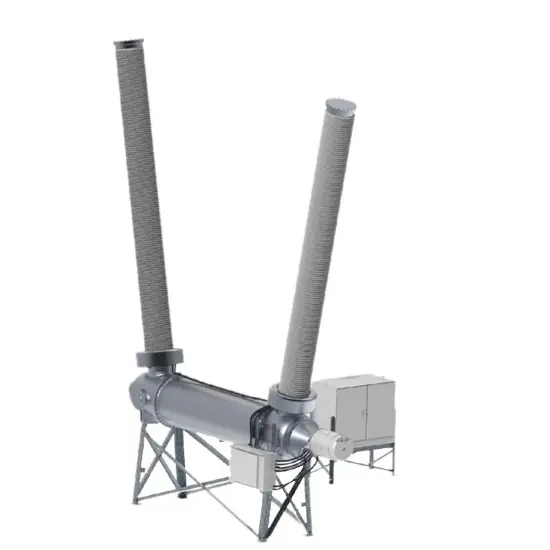
330kV 345kV 363 kV 380kV Dead tank SF6 circuit breaker are composed of components such as inlet/outlet bushings, current transformers, arc extinguishers, frames, and operating mechanisms. They can cut off rated current, fault current, or switch lines to control and protect power systems, widely used in power, metallurgy, mining, transportation, and utilities industries at home and abroad.

Main Features

  • High Voltage Rating Adaptability: Specifically designed for 363 kV extra-high voltage systems, it stably handles high voltages and large currents, ensuring reliable operation of EHV transmission lines.

  • Efficient Arc Extinguishing Performance: Using SF6 gas as the arc-extinguishing medium, it features fast arc extinction and high insulation strength, quickly cutting off fault currents and minimizing system impacts.

  • Dead Tank Sealed Structure: The dead tank design encloses live parts in a metal tank filled with SF6 gas, effectively isolating them from the external environment. It offers strong seismic resistance and adapts to harsh climates and complex geographical conditions.

  • Long Lifespan & Low Maintenance: With long mechanical and electrical lifespans, the sealed structure reduces component aging and external erosion risks, minimizing maintenance frequency and operational costs.

  • Multifunctional Integrated Design: Integrates components like inlet/outlet bushings and current transformers, enabling multiple functions such as current measurement, protection, and circuit switching to meet complex control needs of power systems.

  • High Safety Assurance: Equipped with comprehensive anti-misoperation interlocking devices and multiple insulation protections, it effectively prevents operator errors and ensures the safety of personnel and equipment.

Technical specifications

Among these, some SF6 tank circuit breakers cover non-standard voltage levels including 138kV, 225kV, 230kV, 245kV, 275kV, 330kV, 345kV, 400kV, 756kV, and 800kV (note: 145kV is a standard voltage level, adjusted for accuracy), with a rated short-circuit breaking current of 50kA or 63kA, and we offer customization services.

Serial number

project

parameters

1

Rated voltage

330kV 345kV 363kV 380kV

2

Rated Current

4000A

3

Rated frequency

50/60Hz

4

Rated short-circuit breaking current

50kA

5

Rated short-circuit closing current

130kA

6

Rated short-time withstand current and duration

50kA/3s

7

Rated peak withstand current

130kA

8

Mechanical life

M2

330kV/345kV/363kV/380kV Dead Tank SF6 Circuit Breaker - Operating Environment Conditions

  • Ambient Temperature:Standard range -30℃ ~ +40℃;optional -40℃ ~ +45℃ for extreme climates (equipped with anti-freezing heating components or high-temperature heat dissipation structure).

  • Altitude:≤ 1000m above sea level (standard configuration). For 1000m~2500m, insulation derating design is adopted to compensate for air insulation attenuation.

  • Relative Humidity:Monthly average ≤ 90% (at 25℃);daily average ≤ 95%;no persistent condensation on the tank body to avoid insulation degradation.

  • Wind Speed:Maximum sustained wind speed ≤ 34m/s (12-level wind);instantaneous gust ≤ 50m/s;structural design resists wind load and vibration.

  • Atmospheric Pollution:Suitable for pollution degree Class III (GB/T 16434) or equivalent IEC 60694 standards. For coastal salt fog or industrial corrosive areas, optional anti-corrosion coating (epoxy powder spraying) and sealed insulation assembly are available.
Documentation Resource Library
Restricted
Dead Tank Circuit Breakers Catalog
Catalogue
English
Consulting
Consulting
FAQ for
Q: What are the structural characteristics of the tank circuit breaker?
A:

Integral Tank Structure:

  • Integral Tank Structure: The breaker's arc quenching chamber, insulating medium, and related components are sealed within a metal tank filled with an insulating gas (such as sulfur hexafluoride) or insulating oil. This forms a relatively independent and sealed space, effectively preventing external environmental factors from affecting the internal components. This design enhances the insulation performance and reliability of the equipment, making it suitable for various harsh outdoor environments.

Arc Quenching Chamber Layout:

  • Arc Quenching Chamber Layout: The arc quenching chamber is typically installed inside the tank. Its structure is designed to be compact, enabling efficient arc quenching within a limited space. Depending on different arc quenching principles and technologies, the specific construction of the arc quenching chamber may vary, but generally includes key components such as contacts, nozzles, and insulating materials. These components work together to ensure that the arc is quickly and effectively extinguished when the breaker interrupts the current.

Operating Mechanism:

  • Operating Mechanism: Common operating mechanisms include spring-operated mechanisms and hydraulic-operated mechanisms.

  • Spring-Operated Mechanism: This type of mechanism is simple in structure, highly reliable, and easy to maintain. It drives the opening and closing operations of the breaker through the energy storage and release of springs.

  • Hydraulic-Operated Mechanism: This mechanism offers advantages such as high output power and smooth operation, making it suitable for high-voltage and high-current class breakers.

Q: What are the leakage rate requirements for the arc quenching chamber of a tank-type circuit breaker?
A:

The leakage rate of SF₆ gas must be controlled at an extremely low level, typically not exceeding 1% per year. SF₆ gas is a potent greenhouse gas, with a greenhouse effect 23,900 times that of carbon dioxide. If a leak occurs, it can not only cause environmental pollution but also lead to a decrease in the gas pressure within the arc quenching chamber, affecting the performance and reliability of the circuit breaker.

To monitor the leakage of SF₆ gas, gas leakage detection devices are typically installed on tank-type circuit breakers. These devices help to promptly identify any leaks so that appropriate measures can be taken to address the issue.

Q: What are the requirements for monitoring the gas decomposition products of the SF6 tank circuit breaker?
A:

During the normal operation and interruption processes of a circuit breaker, SF₆ gas can decompose, producing various decomposition products such as SF₄, S₂F₂, SOF₂, HF, and SO₂. These decomposition products are often corrosive, toxic, or irritating, and therefore require monitoring.If the concentration of these decomposition products exceeds certain limits, it may indicate abnormal discharges or other faults within the arc quenching chamber. Timely maintenance and handling are necessary to prevent further damage to the equipment and to safeguard personnel health.

Q: What are the core application scenarios and key selection points for 330kV/345kV/363kV/380kV dead tank SF6 circuit breakers?
A:

 They are mainly suitable for 330kV and above high-voltage power transmission and transformation projects. Focus on three key points for selection: ① Voltage matching — Select the corresponding grade according to power grid standards: 345kV is compatible with the American standard system, and 363kV/380kV are suitable for special high-voltage working conditions; ② Key parameters — Short-circuit breaking current ≥50kA, and the rated SF6 pressure increases with voltage upgrade (about 0.75MPa for 380kV); ③ Scenario adaptation — For high-altitude/coastal areas, choose customized models with enhanced insulation and corrosion resistance, and a third-party type test report must be provided.
Q: What are the core application scenarios and key selection points for 330kV/345kV/363kV/380kV dead tank SF6 circuit breakers?
A:

 They are mainly suitable for 330kV and above high-voltage power transmission and transformation projects. Focus on three key points for selection: ① Voltage matching — Select the corresponding grade according to power grid standards: 345kV is compatible with the American standard system, and 363kV/380kV are suitable for special high-voltage working conditions; ② Key parameters — Short-circuit breaking current ≥50kA, and the rated SF6 pressure increases with voltage upgrade (about 0.75MPa for 380kV); ③ Scenario adaptation — For high-altitude/coastal areas, choose customized models with enhanced insulation and corrosion resistance, and a third-party type test report must be provided.
Know your supplier
Online store
On-time delivery rate
Response time
100.0%
≤4h
Company overview
Workplace: 108000m²m² Total staff: 700+ Highest Annual Export(usD): 150000000
Workplace: 108000m²m²
Total staff: 700+
Highest Annual Export(usD): 150000000
Services
Business Type: Design/Manufacture/Sales
Main Categories: High Voltage Electrical Apparatus/Electric transformer
Whole life care manager
Whole-life care management services for equipment procurement, use, maintenance, and after-sales, ensuring safe operation of electrical equipment, continuous control, and worry-free electricity consumption.
The equipment supplier has passed platform qualification certification and technical evaluation, ensuring compliance, professionalism, and reliability from the source.

Related Products

Related Knowledges

  • Case Studies of Installation and Manufacturing Defects in 110kV HV Circuit Breaker Porcelain Insulators
    1. SF6 gas leakage occurred in the ABB LTB 72 D1 72.5 kV circuit breaker.Inspection revealed gas leakage at the fixed contact and cover plate area. This was caused by improper or careless assembly, where the dual O-rings slipped and were misplaced, resulting in gas leakage over time.2. Manufacturing Defects on the Outer Surface of 110kV Circuit Breaker Porcelain InsulatorsAlthough high-voltage circuit breakers typically have their porcelain insulators protected with covering materials during tra
    12/16/2025
  • Overview of Defect Diagnosis Methods for High-Voltage AC Circuit Breakers
    1. What are the characteristic parameters of the coil current waveform in high-voltage circuit breaker operating mechanisms? How to extract these characteristic parameters from the original trip coil current signal?Answer: The characteristic parameters of the coil current waveform in high-voltage circuit breaker operating mechanisms may include the following: Steady-state peak current: The maximum steady-state current value in the electromagnet coil waveform, representing the position where the
    12/16/2025
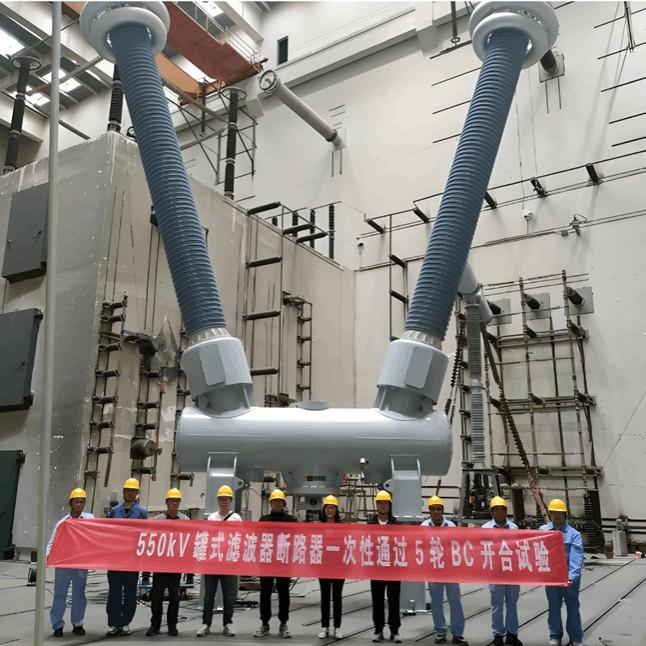
  • Chinese tank-type filter manufacturer successfully develops 550 kV tank-type filter bank circuit breaker.
    Good news has come from a Chinese tank-type filter manufacturer: its independently developed 550 kV tank-type filter bank circuit breaker has successfully passed all type tests, marking the official completion of the product’s development.In recent years, with the continuous growth of electricity demand, power grids have placed increasingly higher performance demands on electrical equipment. Keeping pace with the times, the Chinese tank-type filter manufacturer has actively responded to the nati
    11/19/2025
  • Hydraulic Leak & SF6 Gas Leakage in Circuit Breakers
    Leakage in Hydraulic Operating MechanismsFor hydraulic mechanisms, leakage can cause short-term frequent pump starting or excessively long re-pressurization time. Severe internal oil seepage in valves may lead to pressure loss failure. If hydraulic oil enters the nitrogen side of the accumulator cylinder, it can cause abnormal pressure rise, which affects the safe operation of SF6 circuit breakers.Apart from failures caused by damaged or abnormal pressure detection devices and pressure component
    10/25/2025
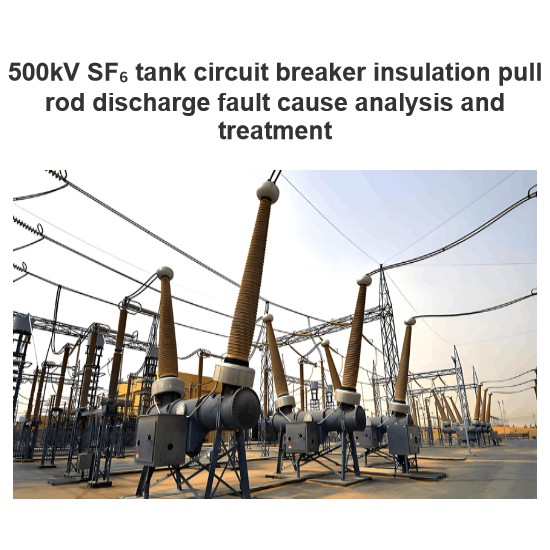
  • 500kV SF₆ tank circuit breaker insulation pull rod discharge fault cause analysis and treatment
    As a key component of circuit breakers, the insulating pull - rod is an important insulating and transmission part of Gas - Insulated Switchgear (GIS) equipment. It is required to have high reliability in terms of mechanical and electrical properties. Generally, insulating pull - rods rarely malfunction, but once a failure occurs, it can have serious consequences for the circuit breaker.The 550kV circuit breaker in a certain power station has a single - break horizontal arrangement, with the mod
    05/21/2025
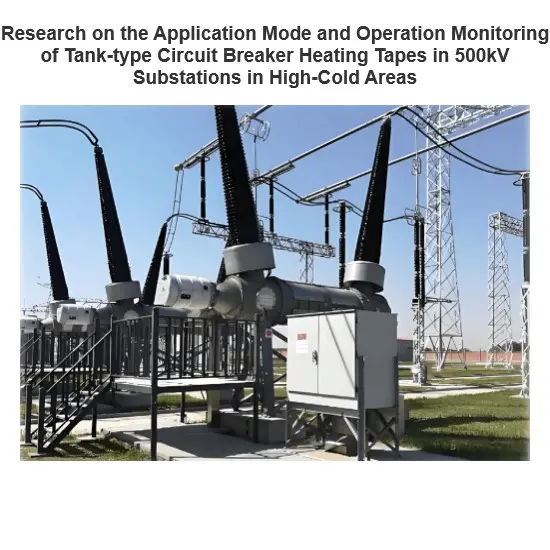
  • Research on the Application Mode and Operation Monitoring of Tank-type Circuit Breaker Heating Tapes in 500kV Substations in High-Cold Areas
    At present, most low - voltage switchgear assemblies in China mainly use SF₆ gas at a pressure of 0.5 - 0.6 MPa as the insulating medium. However, when the ambient temperature drops to around - 32.5°C, the SF₆ gas will quickly liquefy, resulting in serious problems with the insulation and interrupting capabilities of the product. To avoid affecting the operation of low - voltage switchgear assemblies in alpine regions, tracing heaters are often used to prevent the liquefaction of SF₆ gas
    05/21/2025

Related Solutions

  • Dead Tank SF6 Circuit Breaker Solution for African Plateau Regions (Ethiopia)
    Project BackgroundEthiopia, located in the East African plateau, has an average altitude exceeding 3,000 meters. In some areas, winter temperatures can drop to -30°C, accompanied by significant diurnal temperature variations (up to 25°C daily) and intense ultraviolet radiation. The local power system faces the following challenges: SF6 Gas Liquefaction Risk: Traditional Dead Tank SF6 Circuit Breakers are prone to SF6 gas liquefaction at low temperatures (critical liquefaction tem
    05/22/2025
  • South Africa Regional Dead Tank SF6 Circuit Breaker Solution Report
    Ⅰ. Project BackgroundAs the first African country adopting dead tank SF6 circuit breaker technology, South Africa's grid system faces these challenges: Aging Dead Tank SF6 Circuit Breakers: Existing high-voltage circuit breakers exhibit severe aging, particularly legacy dead tank SF6 circuit breakers with increased failure rates. Dead Tank SF6 Circuit Breaker Limitations: In high-altitude regions (>2,000m), conventional dead tank SF6 circuit breakers experience insulation degradation from low
    05/22/2025
  • Rockwill's SF6 Circuit Breaker Solution for 33kV Substations in Nigeria
    Project BackgroundNigeria’s tropical climate, characterized by year-round high temperatures (annual average of 35°C) and humidity (≥80%), poses significant challenges to the sealing integrity, insulation performance, and gas management of electrical equipment. Rockwill was contracted to upgrade a 33kV substation, deploying its proprietary HV-type SF6 circuit breaker to address critical issues: Sealing Failure Risks: Accelerated aging of seals due to heat and water ingres
    05/13/2025
Haven't found the right supplier yet? Let matching verified suppliers find you. Get Quotation Now
Haven't found the right supplier yet? Let matching verified suppliers find you.
Get Quotation Now
Send inquiry
+86
Click to upload file
Download
Get the IEE Business Application
Use the IEE-Business app to find equipment, obtain solutions, connect with experts, and participate in industry collaboration anytime, anywhere—fully supporting the development of your power projects and business.