• Product
  • Suppliers
  • Manufacturers
  • Solutions
  • Free tools
  • Knowledges
  • Experts
  • Communities
Search


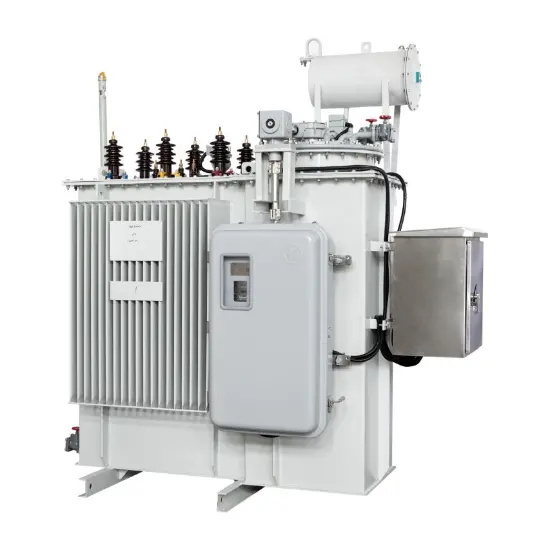
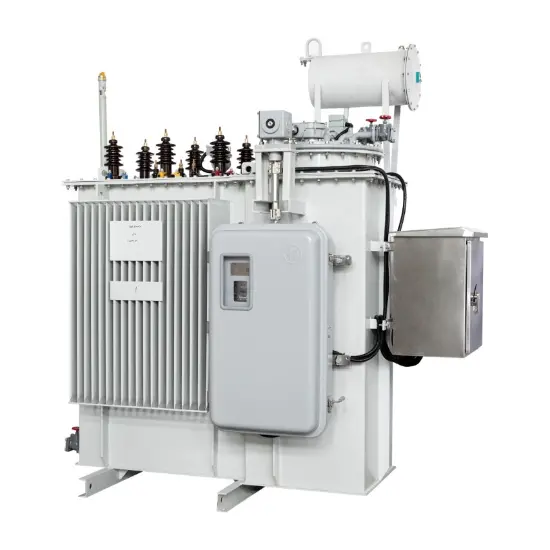
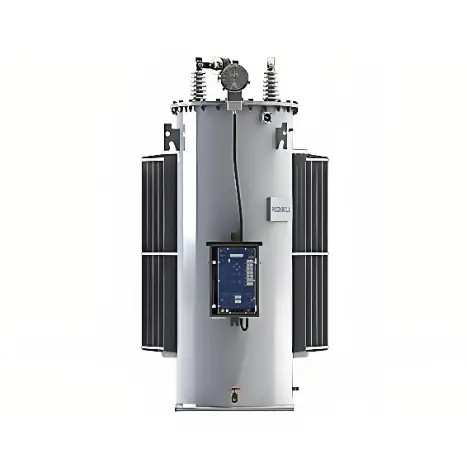
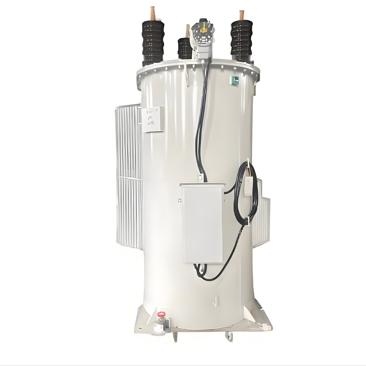
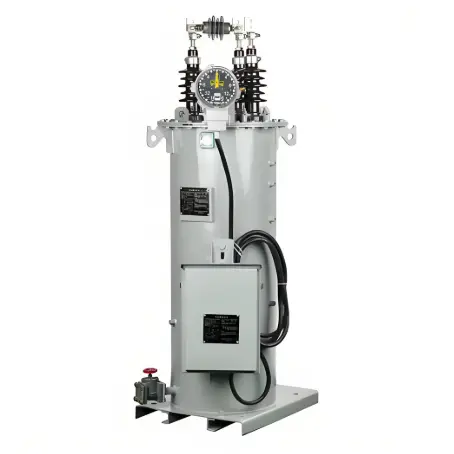
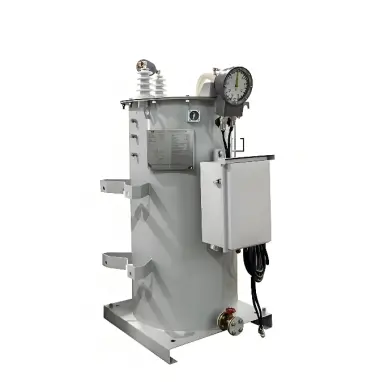
6.35kV 13.2kV 14.4kV 22kV 33kV Oil-immersed self-cooled induction voltage regulator source manufacturer

  • 6.35kV 13.2kV 14.4kV 22kV 33kV Oil-immersed self-cooled induction voltage regulator source manufacturer

Key attributes

Brand ROCKWILL
Model NO. 6.35kV 13.2kV 14.4kV 22kV 33kV Oil-immersed self-cooled induction voltage regulator source manufacturer
Rated voltage 33kV
Rated frequency 50/60Hz
Series RVR

Product descriptions from the supplier

Description

Description

As a pioneer and the first source factory in China's voltage regulator industry, we have been deeply rooted in the sector for decades, accumulating profound technical expertise. Leveraging top-tier R&D capabilities and a mature manufacturing system, our products have gained widespread market trust with reliability and performance that far exceed industry standards.

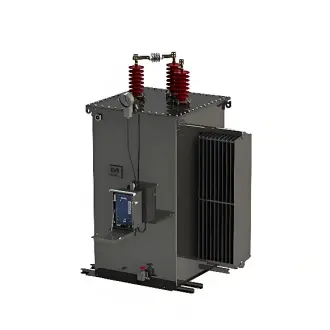
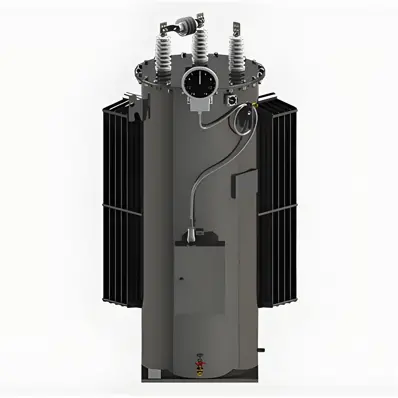
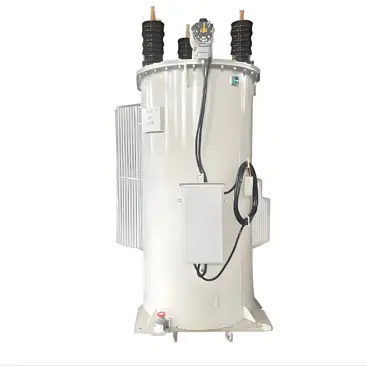
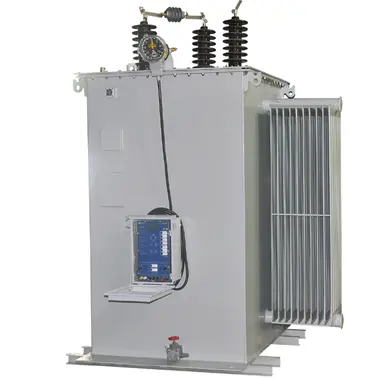
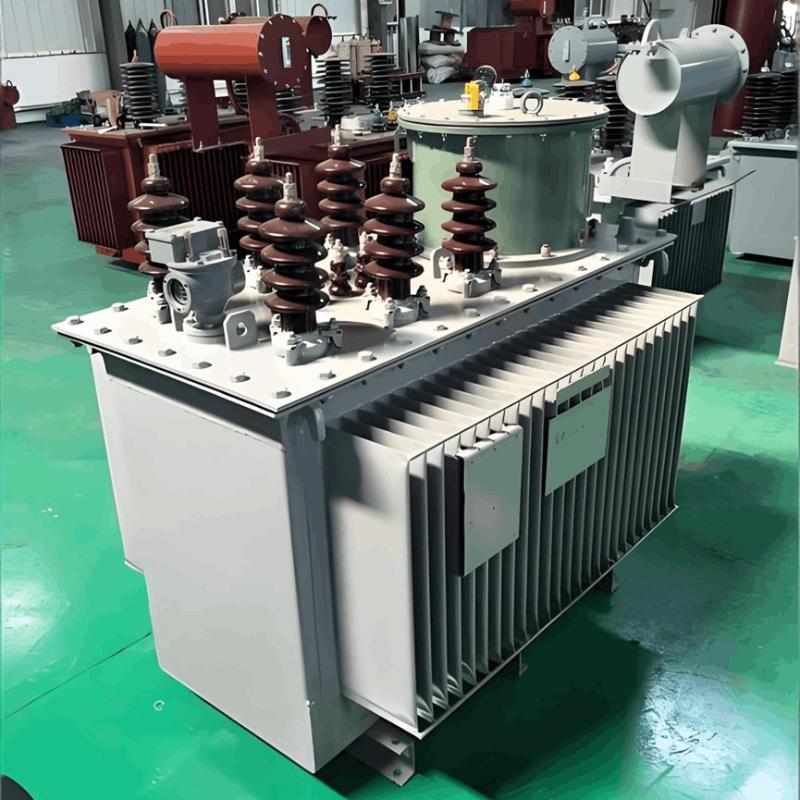
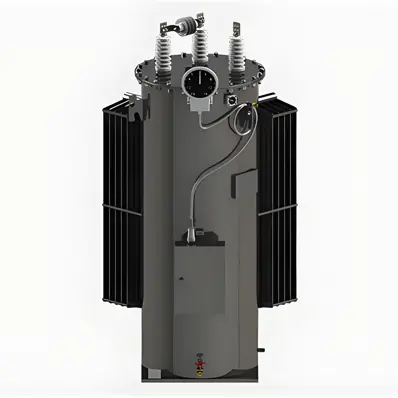
The 24kV single-phase pole-mounted 32-step automatic voltage regulator, based on advanced on-load voltage regulation technology, enables precise 32-step voltage adjustment. Equipped with an intelligent monitoring module, it can capture subtle voltage fluctuations in the distribution network in real time, respond quickly, and automatically switch voltage regulation taps to adapt to complex and changeable distribution network conditions.

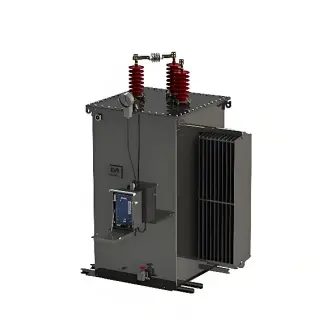
Designed for pole mounting, it is compatible with different pole types and installation environments, eliminating the need for additional complex foundations and greatly simplifying the deployment process. With fully automated operation—from voltage detection and tap switching to voltage regulation execution—no manual intervention is required, which not only improves operation and maintenance efficiency but also avoids human operation errors.

It stably outputs 24kV single-phase voltage, effectively suppressing voltage deviations, flicker, and other issues, providing continuous and reliable power support for end devices and user loads in the distribution network. This helps the distribution network achieve more efficient and reliable power distribution and operation in scenarios such as urban-rural power supply and small commercial-industrial power supply, contributing to the construction of an intelligent and stable power distribution and consumption ecosystem.

Product Features

Precision Voltage Regulation

  • 32-step voltage adjustment (±10% range, ~0.625% per step) for smooth and accurate voltage control.

  • Suitable for single-phase power distribution systems (2400V to 34,500V, 50/60Hz).

Robust Construction

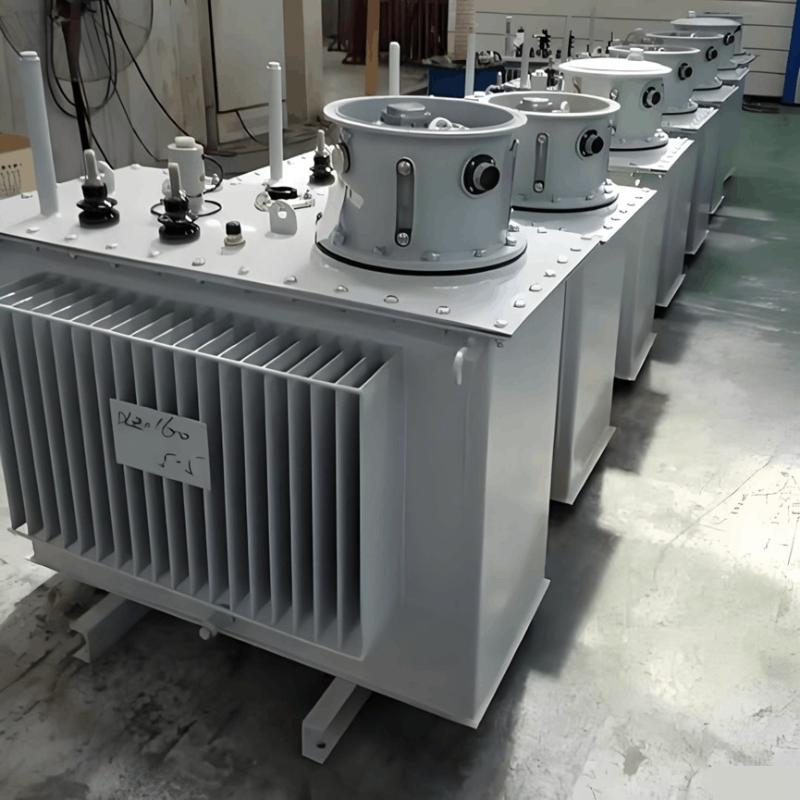
  • Oil-immersed auto-transformer design ensures durability and efficient heat dissipation.

  • High-creep porcelain bushings and MOV-type arresters provide superior insulation and surge protection.

Smart Control & Monitoring

  • RVR intelligent controller with GPRS/GSM/Bluetooth for remote monitoring and adjustments.

  • Real-time voltage & current sampling via built-in sensors (CT/PT inputs).

Key Advantages

  • High Reliability: Oil-immersed construction and conformally coated PCBs ensure long-term stability in harsh environments.

  • Wide Compatibility: Supports 60Hz & 50Hz systems with voltage ratings up to 34.5kV (200 kV BIL).

  • Automated & Remote-Controlled: Smart controller enables real-time adjustments via mobile or SCADA systems.

  • Enhanced Safety: Built-in fault protection and pressure/oil monitoring prevent catastrophic failures.

  • Low Maintenance: Modular design simplifies servicing (e.g., tap changer motor, replaceable bushings).

Technical Specifications

Some of the voltage ratings include 50Hz (6kV, 6.35kV, 11kV, 15kV, 22kV, 33kV) and 60Hz (7.62kV,13.2kV 13.8kV, 14.4kV, 19.92kV, 34.5kV). Customization is available.

Model NO.

RVR-1

Core

Core-type Transformer

Cooling Method

Oil-immersed Type Transformer

Winding Type

Auto-transformer

Certification

ISO9001-2000

Usage

Combined Transformer

Frequency Characteristics

Power Frequency

Shape of Core

U

Brand

Rockwill

Material

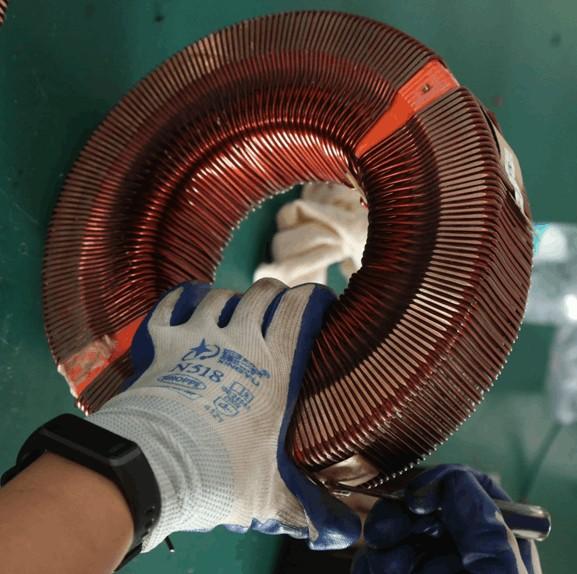
Oil, Copper

Color

Gray, Green or Customized

Delivery Time

30days

Transport Package

Wooden

Specification

IEC/ANSI/GB

Trademark

Rockwill

Origin

China

HS Code

8504220000

Production Capacity

1000


Voltage
(kV)

Load Current
(Amperes)

kVA


2.5 kV 60 kV BIL

200
300
400
500
668
1000
1332
1665

50
75
100
125
167
250
333
416


5.0 kV 75 kV BIL

100
150
200
250
334
500
668
833

50
75
100
125
167
250
333
416


7.62 kV 95 kV BIL

100
150
219
328
438
546
656
875
1093

76
114
167
250
333
416
500
667
833


13.8 kV 95 kV BIL

100
150
200
300
400
483
604

138
207
276
414
552
667
833


19.92 kV 150 kV BIL

50
100
167
200
335
418
502

100
200
333
400
667
833
1000

Typical Applications

  • Utility Grids:Compensates for voltage drops in rural or long-distance distribution lines.

  • Industrial Power Systems: Stabilizes voltage for factories with fluctuating loads.

  • Renewable Energy Integration:Smooths voltage variations in solar/wind farm connections.

  • Commercial & Municipal Networks:Ensures stable power for hospitals, data centers, and water treatment plants.

  • Mining & Offshore Installations:Handles high-voltage fluctuations in remote or demanding environments.

Why Choose the RVR-1?

The RVR-1 Automatic Voltage Regulator combines precision, durability, and smart control to optimize power distribution efficiency. Its 32-step fine-tuning capability ensures stable voltage delivery, while remote monitoring minimizes downtime. Ideal for utilities and industries requiring reliable voltage regulation in medium-voltage networks.
Documentation Resource Library
Restricted
6kV to 34.5kV Single Phase Automatic Voltage Regulator Brochure
Catalogue
English
Consulting
Consulting
FAQ for
Q: Will this voltage regulator cause an impact on the power grid during voltage regulation?
A:

No. Adopting a design of step voltage regulation + induction regulation, it realizes smooth voltage switching. Combined with the buffering characteristics of oil-immersed insulation, it can avoid voltage surges that may impact the power grid and downstream equipment, making it suitable for scenarios requiring high power supply stability.

Q: What are the key points for the daily maintenance of the oil-immersed self-cooled induction voltage regulator (6kV~33kV)?
A:

It mainly requires regular inspection of the insulation oil level and quality (at least once a year), cleaning dust on the radiator surface to ensure heat dissipation efficiency, and monitoring the operation status of the tap changer. These maintenance measures can guarantee the long-term stable operation of the equipment, and professional power operation and maintenance personnel are recommended for the operations.
Know your supplier
Online store
On-time delivery rate
Response time
100.0%
≤4h
Company overview
Workplace: 108000m²m² Total staff: 700+ Highest Annual Export(usD): 150000000
Workplace: 108000m²m²
Total staff: 700+
Highest Annual Export(usD): 150000000
Services
Business Type: Design/Manufacture/Sales
Main Categories: High Voltage Electrical Apparatus/Electric transformer
Whole life care manager
Whole-life care management services for equipment procurement, use, maintenance, and after-sales, ensuring safe operation of electrical equipment, continuous control, and worry-free electricity consumption.
The equipment supplier has passed platform qualification certification and technical evaluation, ensuring compliance, professionalism, and reliability from the source.

Related Products

Related Knowledges

  • Differences Between Linear Regulators, Switching Regulators, and Series Regulators
    1.Linear Regulators vs. Switching RegulatorsA linear regulator requires an input voltage higher than its output voltage. It handles the difference between input and output voltages—known as the dropout voltage—by varying the impedance of its internal regulating element (such as a transistor).Think of a linear regulator as a precise “voltage control expert.” When faced with excessive input voltage, it decisively “acts” by “cutting off” the portion exceeding the desired output level, ensuring the
    12/02/2025
  • Role of Three-Phase Voltage Regulator in Power Systems
    Three-phase voltage regulators play a crucial role in power systems. As electrical devices capable of controlling the magnitude ofthree-phase voltage,they effectively maintain the stability and safety of the entire power system while enhancing equipment reliability and operational efficiency. Below, the editor from explains the main functions of three-phase voltage regulators in power systems as follows: Voltage Stabilization: Three-phase voltage regulators ensure that voltage remains within a s
    12/02/2025
  • When to Use a Three-Phase Automatic Voltage Stabilizer?
    When to Use a Three-Phase Automatic Voltage Stabilizer?A three-phase automatic voltage stabilizer is suitable for scenarios requiring stable three-phase voltage supply to ensure normal equipment operation, extend service life, and improve production efficiency. Below are typical situations that require the use of a three-phase automatic voltage stabilizer, along with analysis: Significant Grid Voltage FluctuationsScenario: Industrial zones, rural power grids, or remote areas where grid voltage f
    12/01/2025
  • Three-Phase Voltage Regulator Selection: 5 Key Factors
    In the field of power equipment, three-phase voltage stabilizers play a crucial role in protecting electrical devices from damage caused by voltage fluctuations. Selecting the right three-phase voltage stabilizer is essential to ensure stable operation of equipment. So, how should one choose a three-phase voltage stabilizer? The following factors should be considered: Load RequirementsWhen selecting a three-phase voltage stabilizer, it is essential to clearly understand the total power demand of
    12/01/2025
  • How to Install a Three-Phase Voltage Regulator Safely
    1. Pre-installation PreparationInstalling a three-phase voltage regulator is a task that requires meticulous operation and strict adherence to specifications. Below is a detailed installation guide and key precautions: Selection and MatchingSelect an appropriately rated three-phase voltage regulator based on the load’s rated voltage, current, power, and other parameters. Ensure that the regulator’s capacity is equal to or greater than the total load power, and that its input and output voltage r
    12/01/2025
  • Repair Small Burnt Sections in Voltage Regulator Coils
    Repair of Partial Burnout in Voltage Regulator CoilWhen a portion of the voltage regulator coil is burned out, it is usually unnecessary to completely dismantle and rewind the entire coil.The repair method is as follows: remove the burned and damaged section of the coil, replace it with enameled wire of the same diameter, secure it firmly with epoxy resin, and then level it with a fine-tooth file. Polish the surface with No. 00 sandpaper and clean off any copper particles with a brush. Fill the
    12/01/2025

Related Solutions

  • Comprehensive Solution for Substation Step Voltage Regulators: From Working Principles to Future Trends
    1. Working Principle and Technological Evolution of Step Voltage RegulatorsThe Step Voltage Regulator (SVR) is a core device for voltage regulation in modern substations, achieving precise voltage stabilization through tap-changing mechanisms. Its core principle relies on transformer ratio adjustment: when voltage deviation is detected, a motor-driven system switches taps to alter the winding turns ratio, adjusting the output voltage. Typical SVRs provide ±10% voltage regulation with
    06/24/2025
  • Step Voltage Regulator Solutions for Southeast Asia: Empowering Grids and Enhancing Voltage Stability
    Ⅰ. Southeast Asia Power Sector: Status and Demand Analysis Grid Weakness and Energy Access Challenges Over 35 million people in Southeast Asia still lack electricity access. Remote areas rely on diesel generators (e.g., Padua Village, Indonesia), experiencing unstable supply and high costs. Tropical climate leads to high line losses. Integration of photovoltaic (PV) systems and electric vehicles (EVs) exacerbates three-phase voltage imbalance issues in distribution grids. Demand for New Ener
    06/24/2025
  • Innovative Solutions of Step Voltage Regulators in Power Distribution Systems
    1 Executive SummaryVoltage Management Challenges in Modern Distribution Networks: Long-distance feeders causing voltage drop; Distributed energy resource (DER) integration leading to bidirectional power flow; Load fluctuations causing frequent voltage variations.Technical Features of Step Voltage Regulators (SVRs): Employs tap-changing technology to alter transformer winding turns ratio, achieving a ±10% voltage adjustment range (typically in 32 steps, 0.625% per step); Core advantage
    06/24/2025
Related Free tools
Haven't found the right supplier yet? Let matching verified suppliers find you. Get Quotation Now
Haven't found the right supplier yet? Let matching verified suppliers find you.
Get Quotation Now
Send inquiry
+86
Click to upload file
Download
Get the IEE Business Application
Use the IEE-Business app to find equipment, obtain solutions, connect with experts, and participate in industry collaboration anytime, anywhere—fully supporting the development of your power projects and business.