• Product
  • Suppliers
  • Manufacturers
  • Solutions
  • Free tools
  • Knowledges
  • Experts
  • Communities
Search


Three-Phase Voltage Regulator Wiring Guide & Safety Tips

James
Field: Electrical Operations
China

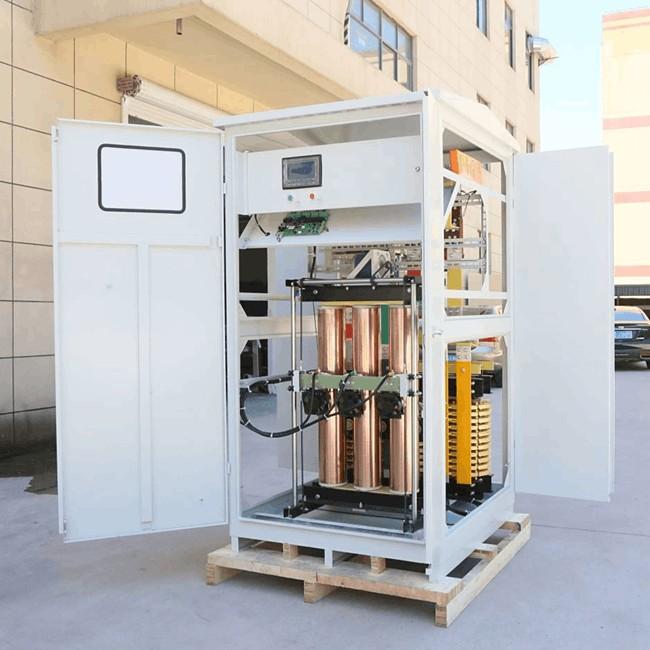
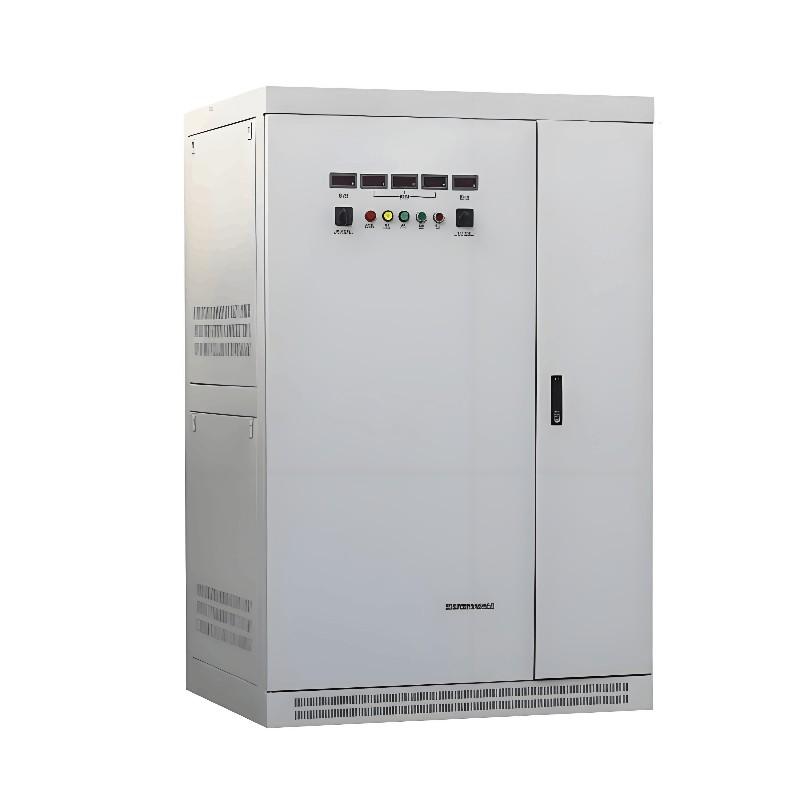
A three-phase voltage regulator is a common electrical device used to stabilize the output voltage of a power supply so that it can meet the requirements of different loads. Correct wiring methods are crucial to ensuring the proper operation of the voltage regulator. The following describes the wiring methods and precautions for a three-phase voltage regulator.

1. Wiring Method

  • Connect the input terminals of the three-phase voltage regulator to the three-phase output terminals of the power supply. Typically, the three-phase output terminals marked L1, L2, and L3 on the regulator are connected respectively to the corresponding three-phase output terminals of the power supply.

  • Connect the output terminals of the three-phase voltage regulator to the three-phase input terminals of the load equipment. Similarly, the three-phase input terminals marked L1, L2, and L3 on the regulator are connected respectively to the corresponding three-phase input terminals of the load equipment.

  • Connect the neutral wire of the three-phase voltage regulator to the neutral wire of the power supply. Typically, the neutral terminal marked N on the regulator is connected to the corresponding neutral wire of the power supply.

  • Connect the ground wire of the three-phase voltage regulator to the ground wire of the power supply. Typically, the ground terminal marked PE on the regulator is connected to the corresponding ground wire of the power supply.

  • Check whether all connections are secure, ensuring good contact and avoiding loosening or poor contact.

2. Wiring Precautions

  • Before wiring, confirm that the rated voltage and rated power of the three-phase voltage regulator match those of the power supply and the load equipment. Mismatch may cause equipment damage or failure to operate properly.

  • Always disconnect the power supply during wiring to ensure safety and prevent electric shock from contacting live parts.

  • Pay attention to correct phase sequence during wiring. Typically, both the power supply’s three-phase output terminals and the load equipment’s three-phase input terminals are labeled L1, L2, and L3; connect them according to these labels accordingly.

  • Keep the wiring terminals clean during installation. Dirt or contamination may cause poor contact or insulation damage.

  • After wiring, perform necessary tests and inspections to ensure that the output voltage and current of the power supply and load equipment meet requirements and that the voltage regulator operates stably.

3. Summary
Correct wiring of a three-phase voltage regulator is essential for its proper operation. During wiring, attention should be paid to matching voltage and power ratings, ensuring safety, connecting phases in the correct sequence, maintaining cleanliness, and performing necessary testing and inspection. Only with correct wiring can the three-phase voltage regulator operate effectively and provide stable, reliable power output.
Give a tip and encourage the author!
Recommended
Differences Between Linear Regulators, Switching Regulators, and Series Regulators
1.Linear Regulators vs. Switching RegulatorsA linear regulator requires an input voltage higher than its output voltage. It handles the difference between input and output voltages—known as the dropout voltage—by varying the impedance of its internal regulating element (such as a transistor).Think of a linear regulator as a precise “voltage control expert.” When faced with excessive input voltage, it decisively “acts” by “cutting off” the portion exceeding the desired output level, ensuring the
12/02/2025
Role of Three-Phase Voltage Regulator in Power Systems
Three-phase voltage regulators play a crucial role in power systems. As electrical devices capable of controlling the magnitude ofthree-phase voltage,they effectively maintain the stability and safety of the entire power system while enhancing equipment reliability and operational efficiency. Below, the editor from explains the main functions of three-phase voltage regulators in power systems as follows: Voltage Stabilization: Three-phase voltage regulators ensure that voltage remains within a s
12/02/2025
When to Use a Three-Phase Automatic Voltage Stabilizer?
When to Use a Three-Phase Automatic Voltage Stabilizer?A three-phase automatic voltage stabilizer is suitable for scenarios requiring stable three-phase voltage supply to ensure normal equipment operation, extend service life, and improve production efficiency. Below are typical situations that require the use of a three-phase automatic voltage stabilizer, along with analysis: Significant Grid Voltage FluctuationsScenario: Industrial zones, rural power grids, or remote areas where grid voltage f
12/01/2025
Three-Phase Voltage Regulator Selection: 5 Key Factors
In the field of power equipment, three-phase voltage stabilizers play a crucial role in protecting electrical devices from damage caused by voltage fluctuations. Selecting the right three-phase voltage stabilizer is essential to ensure stable operation of equipment. So, how should one choose a three-phase voltage stabilizer? The following factors should be considered: Load RequirementsWhen selecting a three-phase voltage stabilizer, it is essential to clearly understand the total power demand of
12/01/2025
Related Products
Send inquiry
+86
Click to upload file

IEE Business will not sell or share your personal information.

Download
Get the IEE Business Application
Use the IEE-Business app to find equipment, obtain solutions, connect with experts, and participate in industry collaboration anytime, anywhere—fully supporting the development of your power projects and business.