Vacuum Circuit Breaker Loop Resistance Standards

Standard for Loop Resistance of Vacuum Circuit Breakers
The standard for loop resistance of vacuum circuit breakers specifies the required limits for the resistance value in the main current path. During operation, the magnitude of loop resistance directly affects the safety, reliability, and thermal performance of the equipment, making this standard critically important.
Below is a detailed overview of the loop resistance standard for vacuum circuit breakers.
1. Significance of Loop Resistance
Loop resistance refers to the electrical resistance between the main contacts when the vacuum circuit breaker is in the closed position. This resistance directly influences the temperature rise during operation, power loss, and overall reliability. Excessive resistance can lead to localized overheating, insulation degradation, and even equipment failure. Therefore, it must be controlled within specified limits.
2. Classification of Standards
The loop resistance standard for vacuum circuit breakers is typically classified into three grades: Class A, Class B, and Class C, based on acceptable resistance values.
Class A has the strictest (lowest) requirement,
Class B is moderate,
Class C allows the highest resistance.
3. Specific Requirements
Class A: Loop resistance shall not exceed 10 micro-ohms (μΩ);
Class B: Loop resistance shall not exceed 20 micro-ohms (μΩ);
Class C: Loop resistance shall not exceed 50 micro-ohms (μΩ).
Note: Actual requirements may vary depending on voltage class, rated current, manufacturer specifications, and international standards such as IEC 62271-1 or GB/T 3368-2008.
4. Application Scope
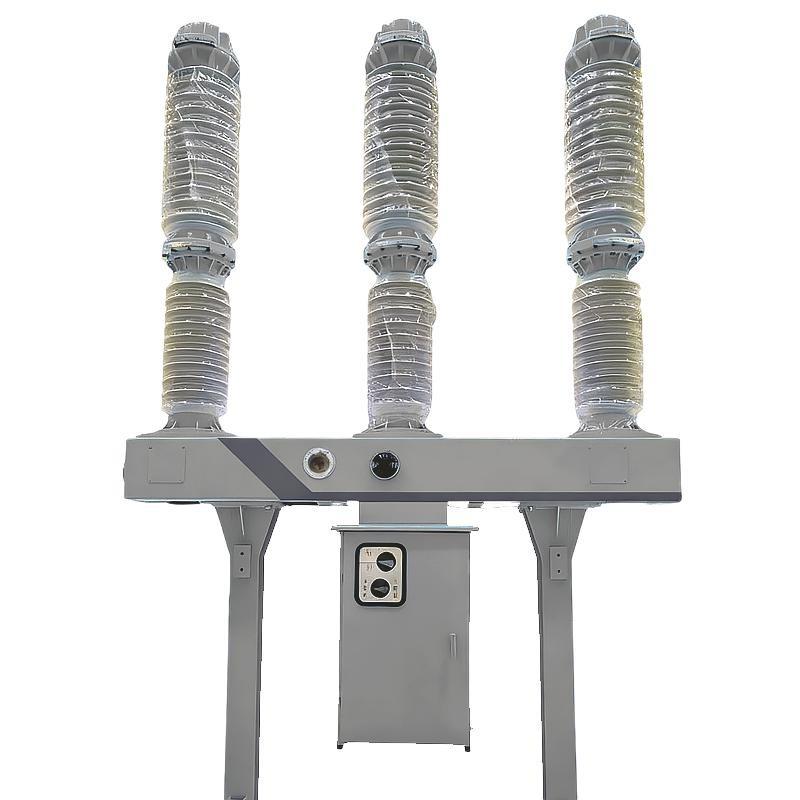
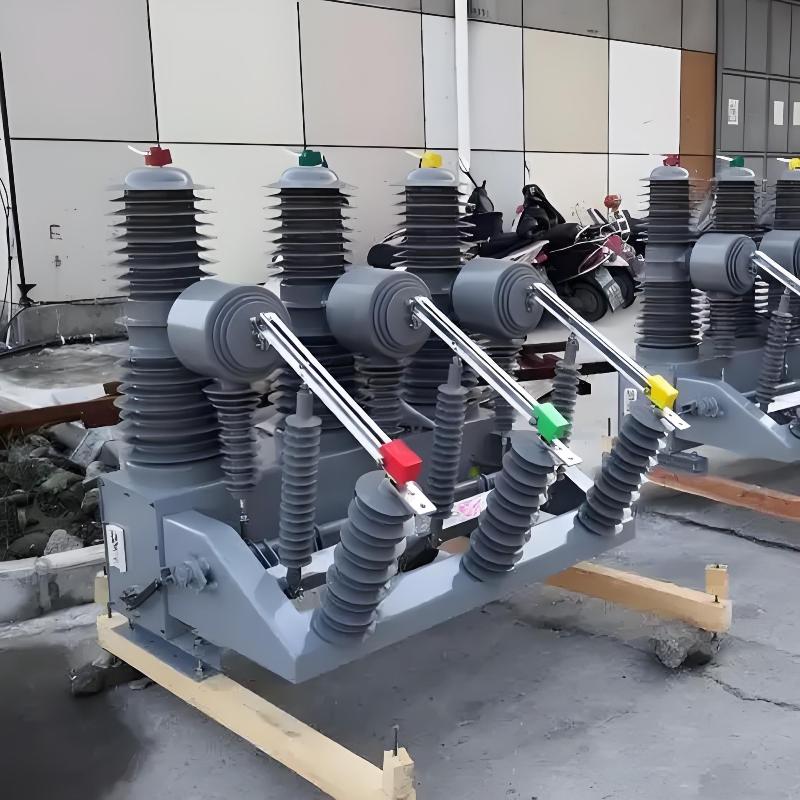
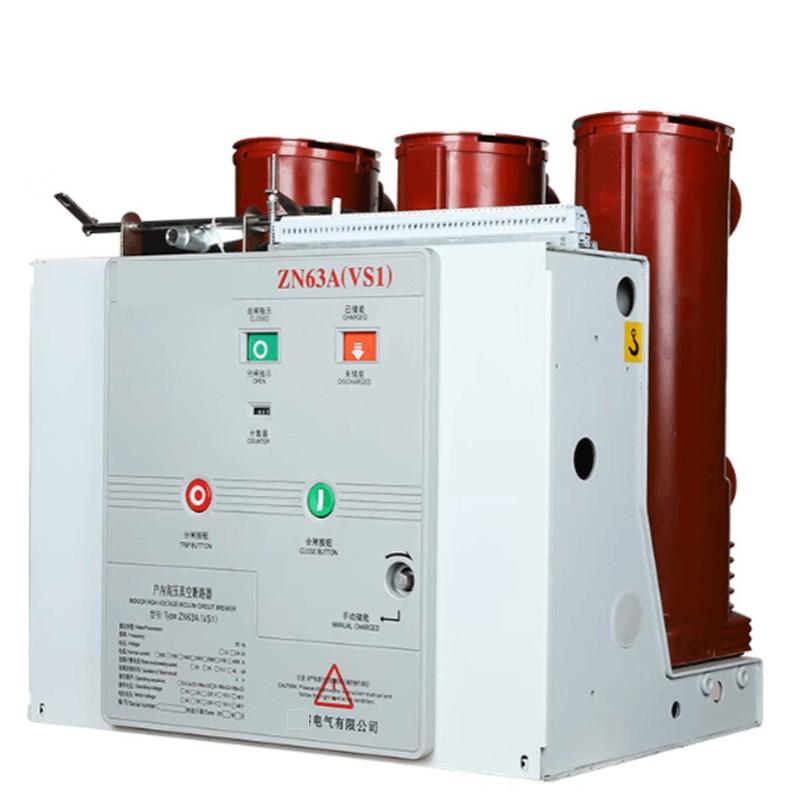
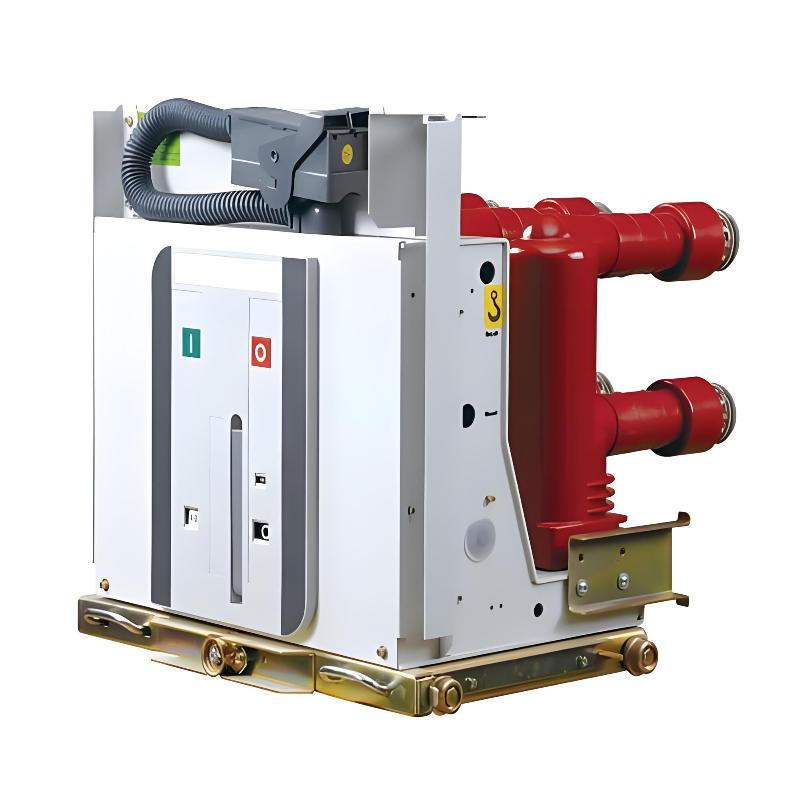
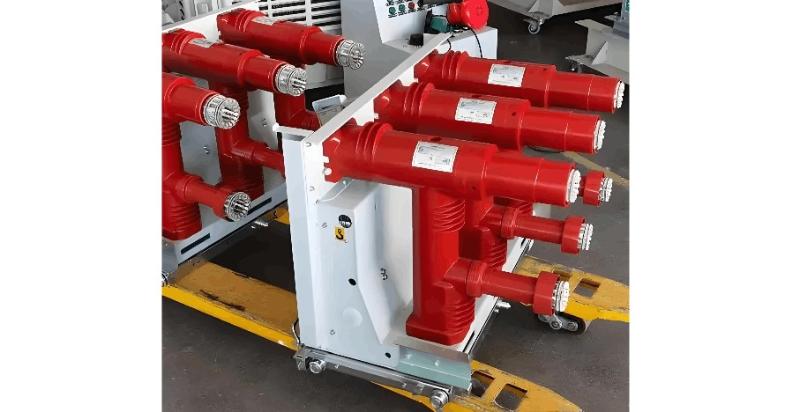
This loop resistance standard applies to various types of vacuum circuit breakers, including low-voltage, medium-voltage, and high-voltage models, typically used in power distribution systems, switchgear, and industrial applications.
5. Testing Method
To ensure compliance with the standard, loop resistance must be measured using appropriate methods:
Ensure the circuit breaker is fully closed;
Use a micro-ohmmeter (DC voltage drop method) to measure the resistance across the main contacts (not a standard multimeter, which lacks precision);
Record the measurement and classify the result as Class A, B, or C based on the threshold values.
Note: Measurements should be taken under consistent conditions (e.g., ambient temperature, contact surface cleanliness) for accuracy.
6. Implementation and Compliance
The loop resistance standard must be strictly followed throughout the design, manufacturing, operation, and maintenance phases:
During design and production, manufacturers must ensure contact materials, pressure, and alignment meet target resistance levels.
During operation and maintenance, periodic testing is essential to detect contact wear, oxidation, or loosening that may increase resistance.
Conclusion
The loop resistance standard is a key indicator of the health and performance of vacuum circuit breakers. Regular measurement and adherence to this standard help prevent overheating, ensure reliable operation, and extend equipment life. Continuous monitoring and maintenance are essential to guarantee safe and stable power system operation.