• Product
  • Suppliers
  • Manufacturers
  • Solutions
  • Free tools
  • Knowledges
  • Experts
  • Communities
Search


Why Does Magnetizing Inrush Current Occur in Arc Furnace Transformers and Its Effects?
Echo
Echo
Field: Transformer Analysis
China

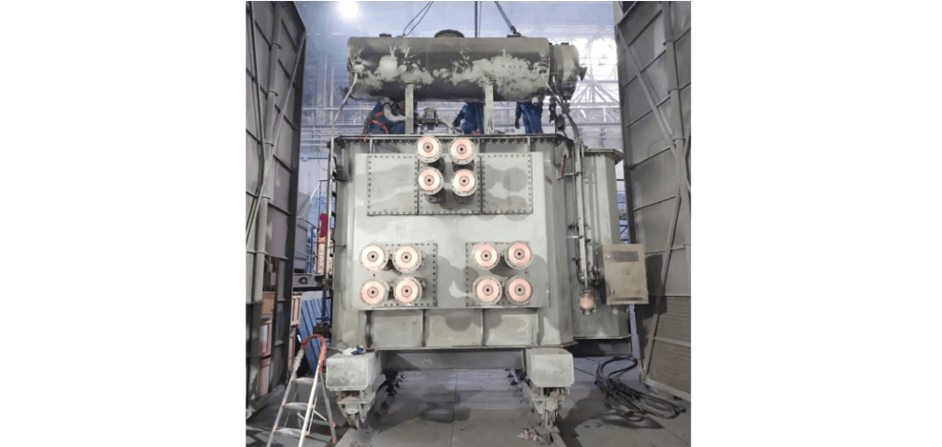
Magnetizing inrush current in electric arc furnace transformers is a problem that troubles many electrical engineers. So, why does magnetizing inrush current occur in arc furnace transformers? First, let's understand what magnetizing inrush current is.

Magnetizing inrush current refers to the transient current generated in the secondary winding of an arc furnace transformer due to core saturation, increased magnetic field strength, and other factors. This phenomenon is very common during the operation of arc furnace transformers, especially during startup and shutdown of the furnace, when the magnitude of the inrush current changes abruptly, significantly affecting equipment operation.

The main causes of magnetizing inrush current include the following:

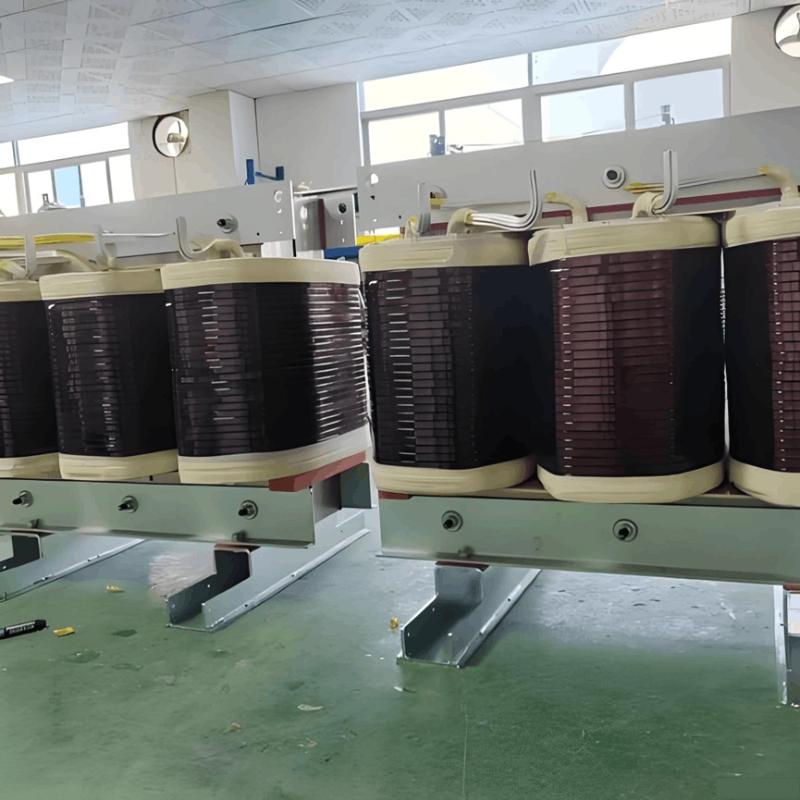
  • Core Saturation: When the current in the secondary winding of the arc furnace transformer increases, the magnetic flux in the core also increases. Once the flux exceeds the maximum magnetic induction limit of the core material, the core enters a saturated state. If the winding current continues to rise under saturation, the nonlinear increase in flux easily leads to magnetizing inrush current.

  • Increased Magnetic Field Strength: The secondary windings of arc furnace transformers are typically made of copper wire with low resistance. When the magnetic field strength increases rapidly, the current in the secondary winding rises sharply, making it prone to generating magnetizing inrush current.

  • Furnace Startup and Shutdown: During the startup or shutdown of the arc furnace, the current in the secondary winding changes abruptly, which can trigger magnetizing inrush current. Particularly during startup, the sudden surge in current may cause the inrush current to reach several or even dozens of times the normal operating current.
Magnetizing inrush current has several significant adverse effects on the operation of arc furnace transformers:

  • Equipment Heating: Inrush current causes rapid heat generation in the windings, affecting equipment performance and service life.

  • Equipment Vibration: The electromagnetic forces from high currents induce mechanical vibration in the windings, compromising operational stability.

  • Protection Misoperation: The peak inrush current may be mistaken by protective relays as a fault current, causing false tripping and interrupting normal operation.

To address these issues, it is essential to thoroughly analyze the root causes of magnetizing inrush current in arc furnace transformers and implement targeted suppression measures. Only then can inrush current be effectively prevented, ensuring safe and stable system operation.
Give a tip and encourage the author!
Recommended
What Is a Magnetic Levitation Transformer? Uses & Future
In today’s rapidly advancing technological era, the efficient transmission and conversion of electric power have become continuous goals pursued across various industries. Magnetic levitation transformers, as an emerging type of electrical equipment, are gradually demonstrating their unique advantages and broad application potential. This article will thoroughly explore the application fields of magnetic levitation transformers, analyze their technical characteristics and future development tren
Baker
12/09/2025
How Often Should Transformers Be Overhauled?
1. Transformer Major Overhaul Cycle The main transformer shall undergo a core-lifting inspection before being put into service, and thereafter a core-lifting overhaul shall be performed every 5 to 10 years. Core-lifting overhaul shall also be carried out if a fault occurs during operation or if issues are identified during preventive tests. Distribution transformers operating continuously under normal load conditions may be overhauled once every 10 years. For on-load tap-changing transformers, t
Felix Spark
12/09/2025
How does the oil in oil-immersed power transformers clean itself?
The self-cleaning mechanism of transformer oil is typically achieved through the following methods: Oil Purifier FiltrationOil purifiers are common purification devices in transformers, filled with adsorbents such as silica gel or activated alumina. During transformer operation, convection caused by oil temperature changes drives the oil to flow downward through the purifier. Moisture, acidic substances, and oxidation byproducts in the oil are absorbed by the adsorbent, thereby maintaining oil c
Echo
12/06/2025
Can the secondary neutral of a control transformer be grounded?
Grounding the secondary neutral of a control transformer is a complex topic involving multiple aspects such as electrical safety, system design, and maintenance.Reasons for Grounding the Secondary Neutral of a Control Transformer Safety considerations: Grounding provides a safe path for current to flow to earth in the event of a fault—such as insulation failure or overload—instead of passing through the human body or other conductive paths, thereby reducing the risk of electric shock. System sta
Echo
12/05/2025
Related Products
Send inquiry
Download
Get the IEE Business Application
Use the IEE-Business app to find equipment, obtain solutions, connect with experts, and participate in industry collaboration anytime, anywhere—fully supporting the development of your power projects and business.