What Is a Magnetic Levitation Transformer? Uses & Future

In today’s rapidly advancing technological era, the efficient transmission and conversion of electric power have become continuous goals pursued across various industries. Magnetic levitation transformers, as an emerging type of electrical equipment, are gradually demonstrating their unique advantages and broad application potential. This article will thoroughly explore the application fields of magnetic levitation transformers, analyze their technical characteristics and future development trends, aiming to provide readers with a more comprehensive understanding.
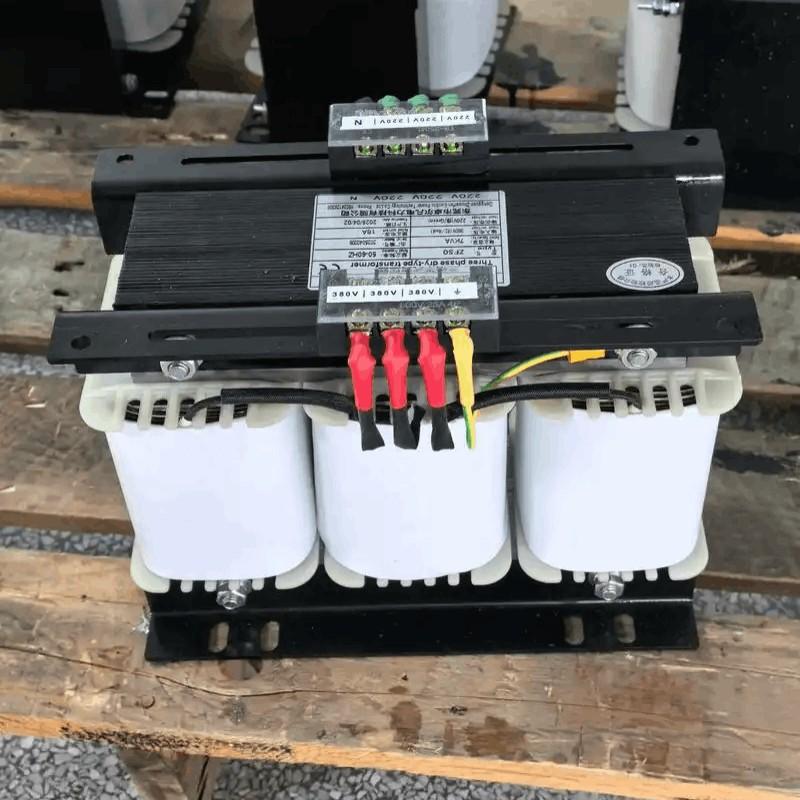
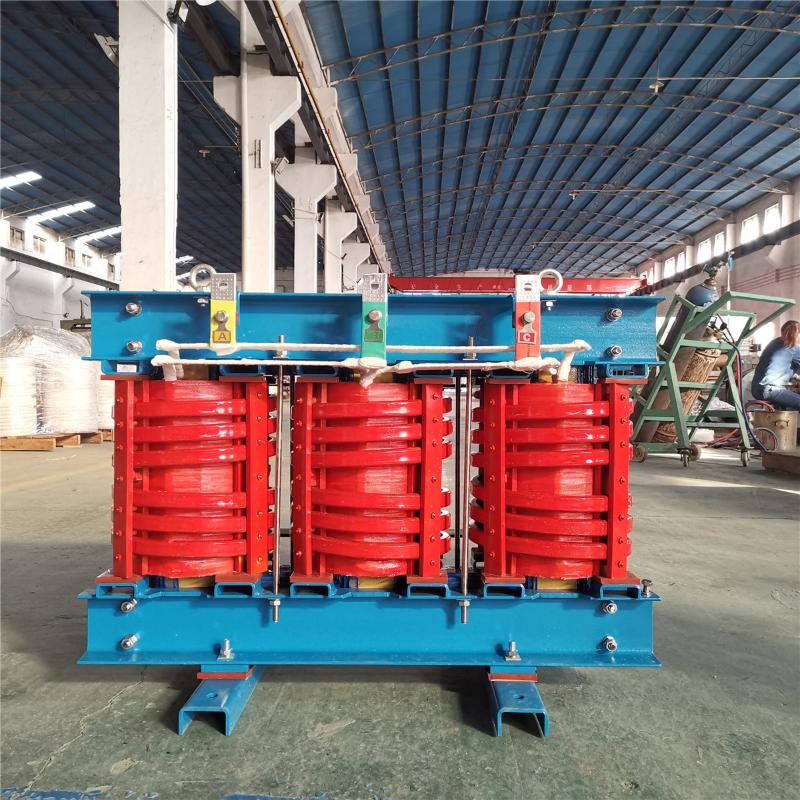
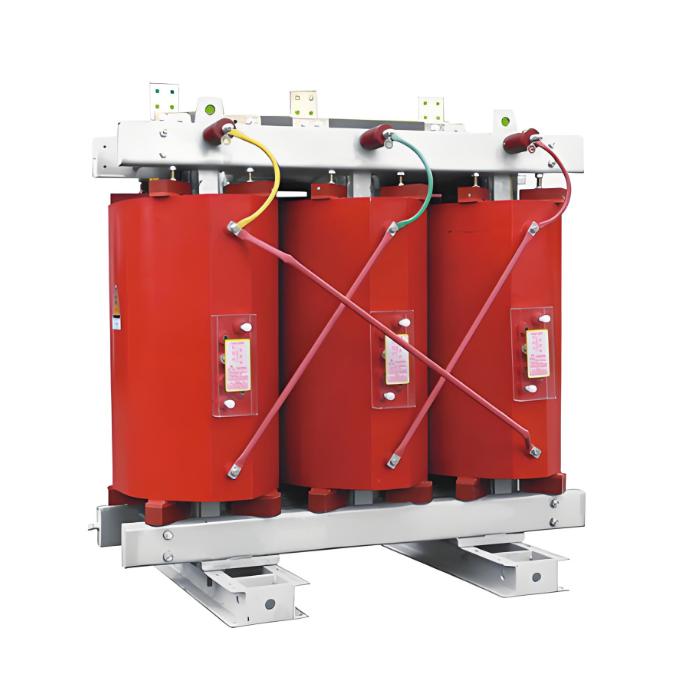
As the name suggests, magnetic levitation transformers utilize magnetic levitation technology to achieve power transformation and transmission. Compared with conventional transformers, magnetic levitation transformers offer higher energy efficiency, lower losses, and smaller size, making their application prospects increasingly promising across multiple fields. Specifically, the applications of magnetic levitation transformers can be categorized into the following areas.
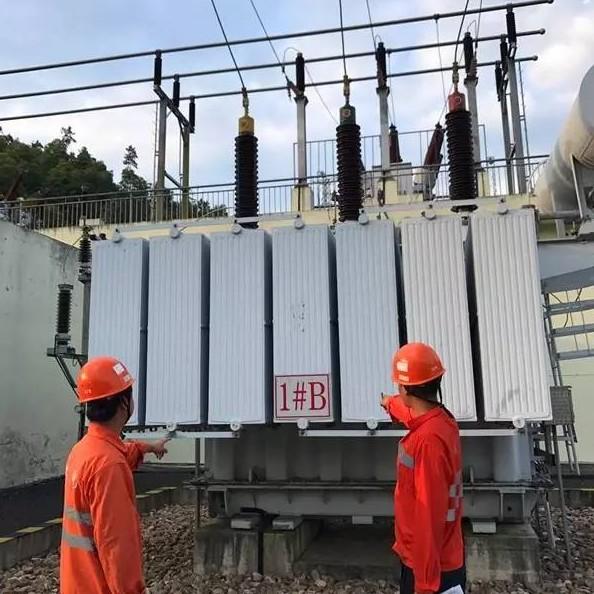
Firstly, efficient power transmission in power systems is one of the most widespread application areas for magnetic levitation transformers. The stability and reliability of power systems directly affect the operation of society as a whole. With their low-loss and high-efficiency characteristics, magnetic levitation transformers can effectively enhance the quality of power transmission. For example, in urban power grids, magnetic levitation transformers can significantly reduce energy losses and improve transmission efficiency. According to relevant studies, power grid systems employing magnetic levitation transformers can reduce energy consumption by 10% to 20%. This efficient transmission method not only lowers operational costs but also reduces environmental impact, aligning with current sustainable development principles.
Secondly, magnetic levitation transformers show great potential in the field of renewable energy. As global attention to clean energy continues to grow, the electricity generation from renewable sources such as wind and solar power is steadily increasing. However, the power output from these sources is often unstable due to weather and other factors. Magnetic levitation transformers can effectively balance power output and ensure stable grid operation. For instance, some wind farms have already begun using magnetic levitation transformers to improve power quality and stability, thereby achieving higher generation efficiency. This application not only enhances the utilization of renewable energy but also lays the foundation for future green power systems.
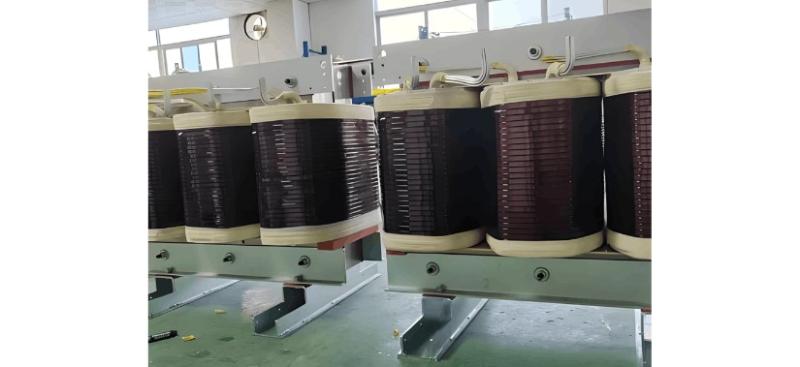
Beyond power transmission and renewable energy, magnetic levitation transformers also demonstrate broad prospects in the transportation sector. With accelerating urbanization, the electrification trend in public transportation systems is becoming increasingly evident. Magnetic levitation transformers can provide efficient power support for electric buses, subways, and light rail transit systems. For example, after introducing magnetic levitation transformers into certain city subway systems, train operational efficiency improved significantly, and energy consumption decreased by 15%. This efficient power supply not only enhances the operational performance of vehicles but also offers passengers a more comfortable travel experience.
In the field of industrial automation, magnetic levitation transformers also hold significant application value. Modern industry’s demand for electricity is growing, especially in high-precision machinery and automated production lines, where power stability and reliability are critical. Magnetic levitation transformers can respond to load changes within extremely short timeframes, ensuring stable equipment operation. For example, after a well-known manufacturing enterprise adopted magnetic levitation transformers in its production line, equipment failure rates dropped by 30%, and production efficiency increased by 20%. This not only saved substantial maintenance costs for the company but also enhanced overall production capacity.
Meanwhile, magnetic levitation transformers also exhibit unique value in medical equipment and scientific research. Medical devices have extremely stringent requirements for power quality, as any power fluctuation may affect normal operation. Magnetic levitation transformers can effectively filter out high-frequency interference in power supplies, providing stable power support for medical equipment. Additionally, in scientific experiments, magnetic levitation transformers can deliver high-precision power sources to ensure the accuracy of experimental data.
In the future, with continuous technological advancement, the application scope of magnetic levitation transformers will further expand. For example, with the growing popularity of electric vehicles, the application of magnetic levitation transformers in EV charging stations has attracted considerable attention. By improving charging efficiency, magnetic levitation transformers can accelerate the charging process and enhance user experience. Moreover, their potential applications in smart grids and energy storage systems are also noteworthy.
Of course, the widespread adoption of magnetic levitation transformers is not without challenges. Currently, the high manufacturing cost of magnetic levitation transformers limits their promotion in certain fields. Additionally, technological maturity and market acceptance are also key factors influencing their deployment. However, as technology continues to advance and costs gradually decrease, magnetic levitation transformers are expected to secure a significant position in future power systems.
In summary, thanks to their unique technical advantages, magnetic levitation transformers demonstrate extensive application prospects in power transmission, renewable energy, transportation, industrial automation, medical equipment, and other fields. In the future, driven by ongoing technological progress and increasing societal demand for efficient power solutions, magnetic levitation transformers will enjoy even broader development opportunities. We have every reason to believe that magnetic levitation transformers will become a pivotal technology in the future of power transmission, driving continuous innovation and development in the power industry. In this era full of opportunities, the application of magnetic levitation transformers represents not only a technological breakthrough but also humanity’s exploration and pursuit of the future of electric power.