Asa Kini ang mga High - Voltage Wires Wala'y Insulation?
Ang mga overhead transmission lines kasagaran wala'y insulation, ug kini nga praktika gipundar sa daghang compelling rationales:
Cost - Efficiency
Ang pag-insulate sa mga overhead transmission lines sa dako nga distansya mahimong prohibitively expensive. Ang mga linya kining adunay kalabutan sa hundreds of miles, ug ang pag-cover niana ngadto sa conventional insulation materials mag-impose og exorbitant financial burdens. Ang sheer scale sa infrastructure nagpadayon sa insulation dili lang usa ka logistical challenge apan usab economic non-starter. Sa pag-forego sa insulation, ang mga power transmission ug distribution companies makakapangita og substantial cost savings, nga mahimong mapasabot sa uban pang critical aspects sa grid development ug maintenance.
Weight Management
Ang thickness sa insulation nga required para sa transmission lines direktang proportional sa voltage level. Sa caso sa Extra High Voltage (EHV) lines, nga operasyon sa extremely high electrical potentials, ang insulation kinahanglan maoy correspondingly thick. Kini nga added bulk nagtranslate og significant increase sa overall weight sa lines. Kini nga heavy load dili lang komplikado ang installation process apan usab nagbutang og greater stress sa supporting structures, kasama na ang poles, towers, ug associated hardware. Sa pag-eliminate sa insulation, ang weight sa lines gi-minimize, facilitating easier installation ug reducing the strain sa infrastructure.
Material and Infrastructure Simplification
Para sa EHV lines, ang necessity sa thick insulation adunay cascading effect sa tanang transmission system. Ang additional weight nagbutang og stronger supports, more robust insulators, ug sturdier foundations para sa poles ug towers. Kini nagdrive up sa overall cost sa infrastructure apan usab nag-add complexity sa design ug construction process. Sa contrast, ang bare wires offer usa ka simpler ug more straightforward solution para sa power transmission, achieving the same functional objectives without the need for elaborate ug costly additional materials ug infrastructure.
Conductivity Enhancement
Kon mas taas ang voltage levels, ang dielectric strength sa insulators diminishes. Para sa extra-high-voltage applications, sama sa mga operating sa range sa 450 kV to 600 kV, ang insulation kinahanglan maoy extremely thick aron matubag ang electrical integrity. Apan, kini nga thick insulation act as a barrier sa efficient dissipation sa heat generated during power transmission. Heat buildup mahimong maglead sa increased electrical resistance ug reduced conductivity, ultimately resulting sa power losses. Ang bare conductors, on the other hand, allow for unimpeded heat transfer, ensuring optimal conductivity ug minimizing energy losses in the transmission process.
Maintenance Ease
Ang maintenance sa insulated lines adunay more arduous ug costly challenge compared sa bare lines. Ang insulated lines require regular, meticulous inspections aron sigurado nga ang insulation remains intact ug free from damage or degradation. Bisag minor defects sa insulation mahimong magpose og significant safety risks ug disrupt power transmission. Sa contrast, ang bare conductors can be more easily visually inspected for signs of wear, damage, or other issues. Kini nga simplicity sa maintenance reduces the frequency ug complexity sa inspections, lowering overall maintenance costs ug ensuring the reliable operation sa transmission system.
Heat Dissipation
Ang overhead transmission lines carry substantial electrical currents, nga inherently generate significant amounts of heat. Ang pag-insulate sa lines mahimong magimpede sa natural dissipation sa heat, effectively trapping it within the system. Kini nga trapped heat mahimong maglead sa overheating, a condition nga poses a serious threat sa reliability ug longevity sa transmission infrastructure. Excessive heat mahimong degrade conductor materials, increase electrical resistance, ug even cause mechanical failures, all of which can disrupt power delivery ug potentially lead sa system-wide outages.
Safety
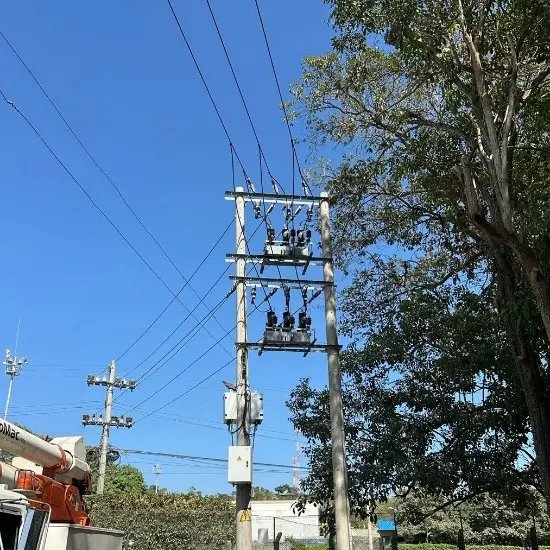
Bagama't ang conductors sa overhead transmission lines bare ug lack continuous insulation, ang system engineered with robust safety features. Kini nga lines strategically installed sa considerable heights, making it extremely difficult for people, vehicles, o wildlife to come into contact with them. The ample vertical ug horizontal clearances between the power lines ug the surrounding environment act as a natural form of insulation, reducing the likelihood of electrical faults caused by accidental contact. Kini nga spatial separation is a crucial safeguard, minimizing the risk of electrocution ug protecting both the public ug the integrity sa power transmission system.
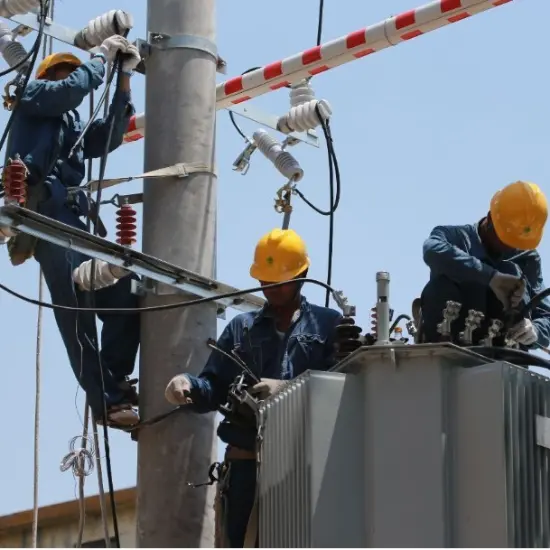
Ingon sa bisan pa wala'y reliance sa continuous conductor insulation, ang overhead transmission lines incorporate a sophisticated design nga emphasizes proper spacing between phase wires ug adequate ground clearances. Kini nga design approach effectively prevents flashovers ug electrical discharges, which could otherwise occur due to electrical arcing between conductors or to the ground. Sa specific connection points, such as where the lines attach to supporting structures, insulators, ug bushings made from high-quality insulating materials are employed.
Kini nga components play a vital role in preventing electrical leakage, ensuring that the electrical current remains within the intended path ug maintaining the safe ug efficient operation sa entire transmission system. Through these comprehensive design considerations, ang overhead transmission lines able to deliver electrical power over long distances with a high degree of safety ug reliability.