1. What Is a Three-Phase Power Surge Protective Device (SPD)?
A three-phase power surge protective device (SPD), also known as a three-phase lightning arrester, is specifically designed for three-phase AC power systems. Its primary function is to limit transient overvoltages caused by lightning strikes or switching operations in the power grid, thereby protecting downstream electrical equipment from damage. The SPD operates based on energy absorption and dissipation: when an overvoltage event occurs, the device responds rapidly, clamping the excessive voltage to a safe level and diverting the surplus energy safely to ground through the grounding system.
2. Types of Three-Phase Power Surge Protective Devices
Three-phase SPDs can be broadly categorized into the following types based on their operating principles and internal structures:
MOV-Type (Metal Oxide Varistor): Utilizes the nonlinear voltage-current characteristics of metal oxide varistors. Under normal voltage conditions, the MOV exhibits very high resistance and conducts almost no current. When the voltage exceeds a threshold, its resistance drops sharply, allowing it to conduct and divert surge currents.
GDT-Type (Gas Discharge Tube): Contains inert gas at low pressure. Normally non-conductive, the gas inside ionizes and forms a conductive path once the voltage reaches the breakdown level, enabling rapid discharge of surge energy.
Hybrid SPDs: Combine multiple protection components—such as MOVs and GDTs—to achieve broader protection coverage and faster response times.
3. Wiring Methods for Three-Phase Power SPDs
Proper wiring is essential for the effective operation of a three-phase SPD. Key steps and precautions include:
Installation Location: The SPD should be installed at the front end of the equipment it protects, as close as possible to the main power entry point, to minimize the effects of induced overvoltages on connecting lines.
Circuit Breaker or Fuse: A properly rated circuit breaker or fuse must be installed upstream of the SPD to quickly disconnect the circuit in case of SPD failure, preventing secondary hazards such as fire.
Wiring Sequence: A typical three-phase SPD has five terminals: L1, L2, L3 (phase conductors), N (neutral), and PE (protective earth). After ensuring the power is disconnected, connect the wires in the order of L1–L2–L3–N–PE. The PE terminal must be directly connected to a reliable grounding system to ensure effective earthing.
Conductor Sizing: The cross-sectional area of the connecting wires must match the SPD’s maximum discharge current rating to prevent overheating or even fire due to undersized conductors.
Clear Labeling: After installation, clearly label all wiring for ease of future maintenance and troubleshooting.
4. Routine Maintenance and Testing of Three-Phase SPDs
Regular Visual Inspection: Conduct at least one annual inspection to check for physical damage, burn marks, or loose connections.
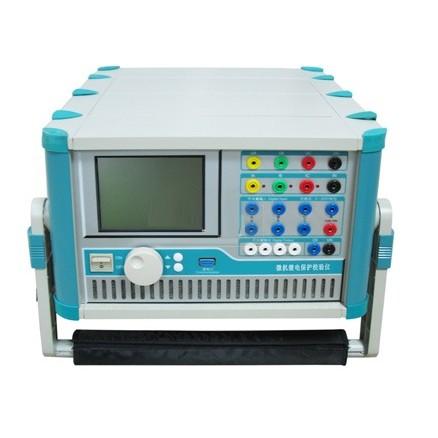
Performance Testing: Use specialized instruments to periodically measure leakage current and residual voltage to verify that the SPD still meets required protection standards.
Replacement Policy: SPDs are consumable components. If performance degradation is detected or the device has absorbed multiple surge events, it should be replaced promptly to avoid becoming a safety hazard due to failure.
As a critical component of lightning protection in power systems, the correct selection, precise installation, and regular maintenance of three-phase power surge protective devices are vital to enhancing the overall resilience of the electrical grid against lightning threats.