• Product
  • Suppliers
  • Manufacturers
  • Solutions
  • Free tools
  • Knowledges
  • Experts
  • Communities
Search


What causes a diesel truck to lose power?

Encyclopedia
Encyclopedia
Field: Encyclopedia
0
China

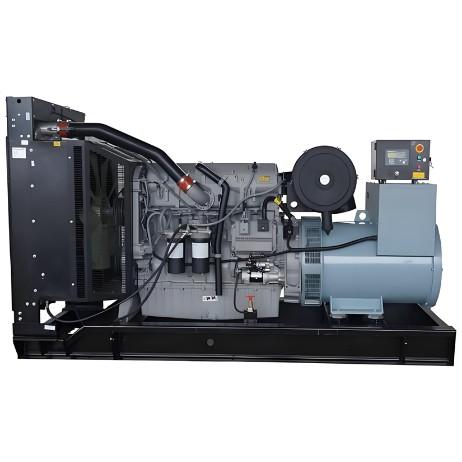
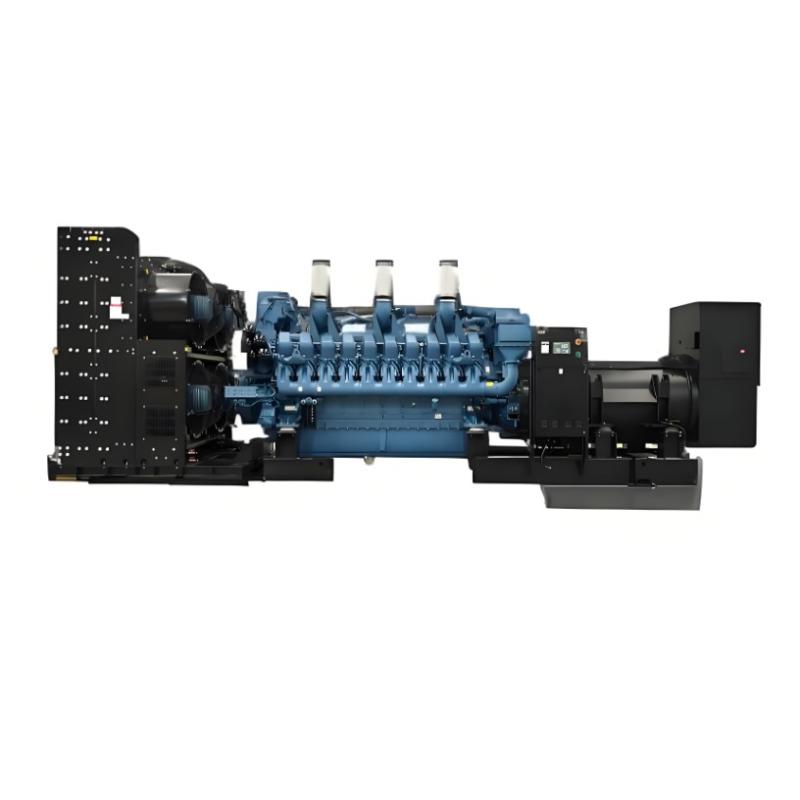
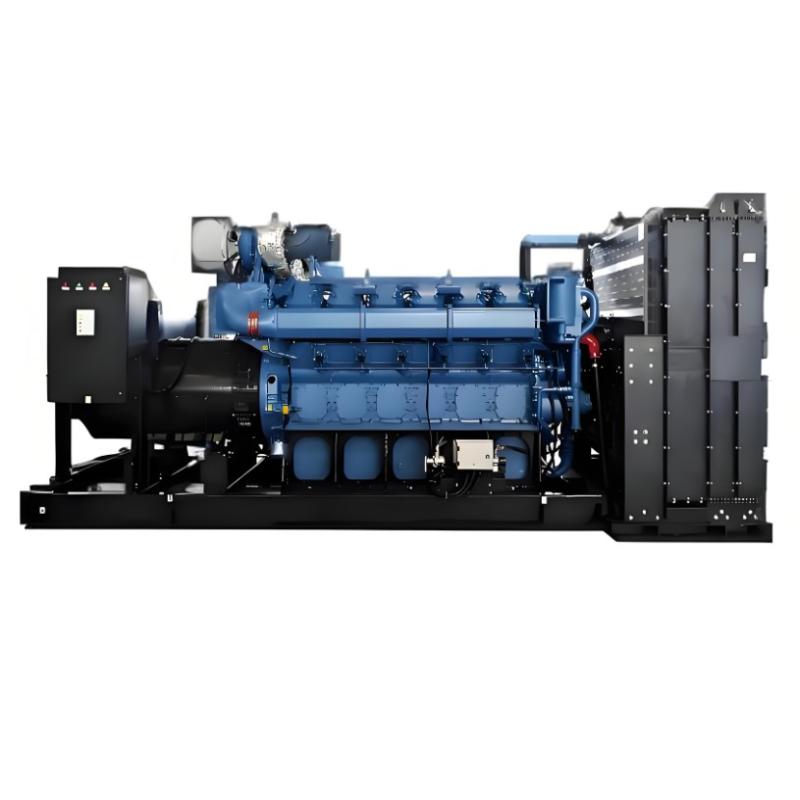
There are several reasons why a diesel generator (Diesel Generator) might experience excessive current (Excessive Current). Understanding these causes can help diagnose the problem and take appropriate corrective actions. Here are some common reasons that can lead to excessive current in a diesel generator:

1. Overloading

  • Exceeding Rated Power : Operating the generator beyond its rated power output can cause excessive current.

  • Check Load: Ensure that the sum of all loads connected to the generator does not exceed its maximum allowable output.

2. Short Circuit

  • Internal Short Circuit: An internal short circuit in the generator could occur due to damaged insulation or component failure.

  • External Short Circuit : A short circuit in the external circuit connected to the generator, such as in cables or equipment.

3. Three-Phase Imbalance

  • Uneven Load Distribution : For three-phase generators, uneven distribution of loads across phases can cause excessive current in one phase.

  • Adjust Load: Try to balance the loads evenly across all three phases.

4. Generator Fault 

  • Excitation System Fault: A fault in the excitation system can lead to improper current control.

  • Winding Fault: Faults in the generator’s windings may also cause abnormal current levels.

5. Inverter or Controller Issues

  • Inverter Fault: If the generator is equipped with an inverter, an inverter fault could result in current control issues.

  • Improper Controller Settings: Incorrect settings on the controller could lead to improper current regulation.

6. Voltage Regulator Issues

  • Voltage Regulator Fault: A fault in the voltage regulator can cause improper current regulation.

  • Regulator Settings: Check if the regulator is set correctly.

7. Environmental Factors 

  • High ambient temperatures can lead to inadequate cooling of the generator, resulting in excessive current.

  • Poor Ventilation: Poor ventilation can similarly affect the cooling efficiency of the generator.

8. Improper Maintenance 

  • Insufficient Lubrication: Insufficient lubrication can lead to increased wear on generator components, affecting current control.

  • Regular Inspections: Regularly inspect the generator to ensure it is in good condition.

9. Electrical Wiring Issues

  • Incorrect Wiring: Incorrect or loose wiring can cause excessive current.

  • Inspect Wiring : Ensure all electrical connections are secure and correct.

10. Sudden Load Change

  • Starting Large Loads : Starting large load devices can create a sudden demand for current that exceeds the generator’s transient response capability.

  • Load Management : Schedule the startup of loads reasonably to avoid starting multiple large loads simultaneously.

Summary 

The causes of excessive current in diesel generators can be multifaceted and include overloading, short circuits, three-phase imbalance, internal faults in the generator, issues with inverters or controllers, voltage regulator faults, environmental factors, improper maintenance, and electrical wiring problems. By carefully examining the generator and its associated equipment, the specific cause can be identified and appropriate measures taken to resolve the issue.


If you have any further questions or need more information, please let me know!

Give a tip and encourage the author!
Recommended
Three-Phase SPD: Types, Wiring & Maintenance Guide
1. What Is a Three-Phase Power Surge Protective Device (SPD)?A three-phase power surge protective device (SPD), also known as a three-phase lightning arrester, is specifically designed for three-phase AC power systems. Its primary function is to limit transient overvoltages caused by lightning strikes or switching operations in the power grid, thereby protecting downstream electrical equipment from damage. The SPD operates based on energy absorption and dissipation: when an overvoltage event occ
James
12/02/2025
In-Depth Analysis of Fault Protection Mechanisms for Generator Circuit Breakers
1.Introduction1.1 Basic Function and Background of GCBThe Generator Circuit Breaker (GCB), as the critical node connecting the generator to the step-up transformer, is responsible for interrupting current under both normal and fault conditions. Unlike conventional substation circuit breakers, the GCB directly withstands the massive short-circuit current from the generator, with rated short-circuit breaking currents reaching hundreds of kiloamperes. In large generating units, the reliable operati
Felix Spark
11/27/2025
Research and Practice of Intelligent Monitoring System for Generator Circuit Breaker
The generator circuit breaker is a critical component in power systems, and its reliability directly affects the stable operation of the entire power system. Through research and practical application of intelligent monitoring systems, the real-time operational status of circuit breakers can be monitored, enabling early detection of potential faults and risks, thereby enhancing the overall reliability of the power system.Traditional circuit breaker maintenance primarily relies on periodic inspec
Edwiin
11/27/2025
Why Install GCB at Generator Outlets? 6 Core Benefits for Power Plant Operations
1.Protects the GeneratorWhen asymmetric short circuits occur at the generator outlet or the unit bears unbalanced loads, the GCB can quickly isolate the fault to prevent generator damage. During unbalanced load operation, or internal/external asymmetric short circuits, twice the power frequency eddy current is induced on the rotor surface, causing additional heating in the rotor. Meanwhile, the alternating electromagnetic torque at twice the power frequency induces double-frequency vibration in
Echo
11/27/2025
Related Products
Send inquiry
Download
Get the IEE Business Application
Use the IEE-Business app to find equipment, obtain solutions, connect with experts, and participate in industry collaboration anytime, anywhere—fully supporting the development of your power projects and business.