Paghatag sa Type – I ug Type – II Superconductors
Larangan: Basic Electrical
Basikong Elektikal
0
China
Batasan sa pagkakataon ug katangian sa Superconductors, kini giklasehan ngadto sa duha ka kategoriya-
(1) Type – I Superconductors: Low Temperature Superconductors.
(2) Type – II Superconductors: High Temperature Superconductors.
td{
width:49%
}
Ang Type – I ug Type – II superconductors may bag-o kaayo nga pagkakaiba sa ilang pagkakataon ug katangian. Ang pagkumpara sa type-I ug type – II superconductors makita sa table sa ubos
| Type – I Superconductors | Type – II Superconductors |
| Low critical temperature (tipikal na sa range gikan sa 0K hangtod 10K) | High critical temperature (tipikal na mas taas kay sa 10K) |
| Low Critical magnetic field (Tipikal na sa range gikan sa 0.0000049 T hangtod 1T) | High Critical magnetic field (Tipikal na mas taas kay sa 1T) |
| Perfectly obey the Meissner effect: Magnetic field cannot penetrate inside the material. | Partly obey the Meissner effect but not completely: Magnetic field can penetrate inside the material. |
| Exhibits single critical magnetic field. | Exhibits two critical magnetic field |
| Easily lose the superconducting state by low-intensity magnetic field. Therefore, type-I superconductors are also known as soft superconductors. | Does not easily lose the superconducting state by external magnetic field. Therefore, type-II superconductors are also known as hard superconductors. |
The transition from a superconducting state to a normal state due to the external magnetic field is sharp and abrupt for type-I superconductors. |
The transition from a superconducting state to a normal state due to the external magnetic field is gradually but not shape and abrupt. At lower critical magnetic field (HC1), type-II superconductor starts losing its superconductivity. At upper critical magnetic field (HC2), type-II superconductor completely loses its superconductivity. The state between lower critical magnetic field and upper magnetic field is known as an intermediate state or mixed state. |
| Due to the low critical magnetic field, type-I superconductors cannot be used for manufacturing electromagnets used for producing strong magnetic field. | Due to the high critical magnetic field, type-II superconductors can be used for manufacturing electromagnets used for producing strong magnetic field. |
| Type-I superconductors are generally pure metals. | Type-II superconductors are generally alloys and complex oxides of ceramics. |
| BCS theory can be used to explain the superconductivity of type-I superconductors. | BCS theory cannot be used to explain the superconductivity of type-II superconductors. |
| These are completely diamagnetic. | These are not completely diamagnetic |
| These are also called as Soft Superconductors. | These are also called as Hard Superconductors. |
| These are also called as Low-temperature Superconductors. | These are also called as High-temperature Superconductors. |
| No mixed state exists in type-I Superconductors. | A mixed state exists in type-II Superconductors. |
| Slight impurity does not affect the superconductivity of type-I superconductors. | Slight impurity greatly affects the superconductivity of type-II superconductors. |
| Due to the low critical magnetic field, type-I superconductors have limited technical applications. | Due to the high critical magnetic field, type-II superconductors have wider technical applications. |
| Examples: Hg, Pb, Zn, etc. | Examples: NbTi, Nb3Sn, etc. |
Maghatag og tip ug pagsalig sa author
Mahitungod sa mga eksperto
0
China
Gipareserbado
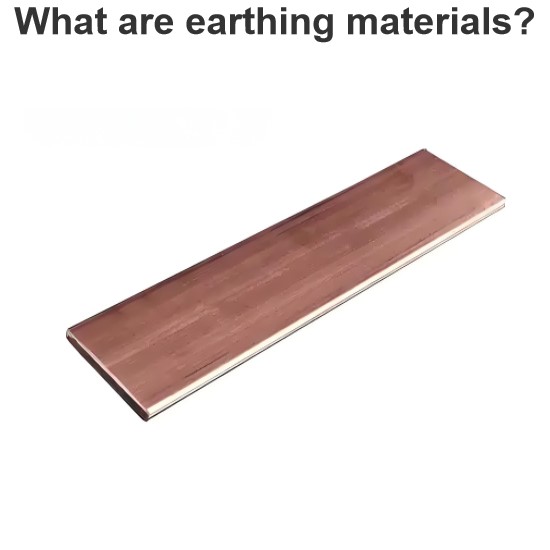
Unsa ang mga materyales sa pag-earth?
Mga Materyales sa PaghuhugisAng mga materyales sa paghuhugis mao ang mga materyales nga nagpadayon sa kuryente nga gamiton sa paghuhugis sa mga sistema ug aparato sa kuryente. Ang ilang pangunahon nga tungkohan mao ang paghatag og low-impedance nga ruta aron mapadali ang kuryente sa yuta, protektahan ang personal nga seguridad, protektahan ang mga aparato gikan sa overvoltage damage, ug panalipdan ang estabilidad sa sistema. Sumala ania ang pipila ka common nga klase sa mga materyales sa paghuhu
12/21/2024
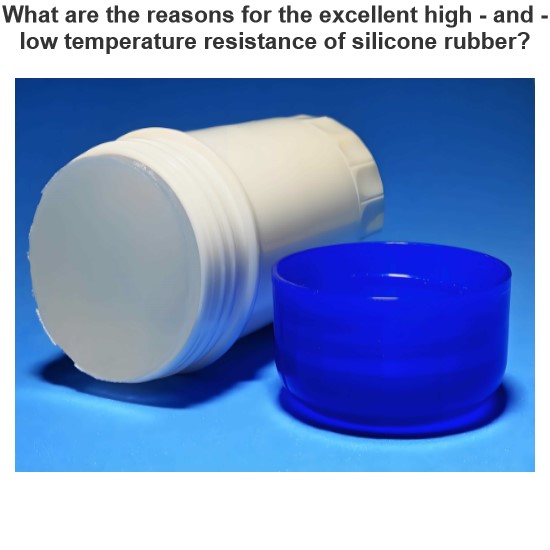
Unsa ang mga rason sa excellent nga pagtahan sa mataas ug mababa nga temperatura sa silicone rubber?
Mga Rason sa Excellent nga Resistance sa Mataas ug Mababa nga Temperatura sa Silicone RubberAng Silicone rubber (Silicone Rubber) mao ang materyales nga polymer nga giprimahan sa siloxane (Si-O-Si) bonds. Iya nagpakita og outstanding resistance sa mataas ug mababa nga temperatura, nagsiguro sa flexibility sa ka-lamdag nga mababa nga temperatura ug nagsiguro sa prolonged exposure sa mataas nga temperatura bisan walay significant aging o performance degradation. Sumala sa uban, ang mga pangunahon
12/20/2024
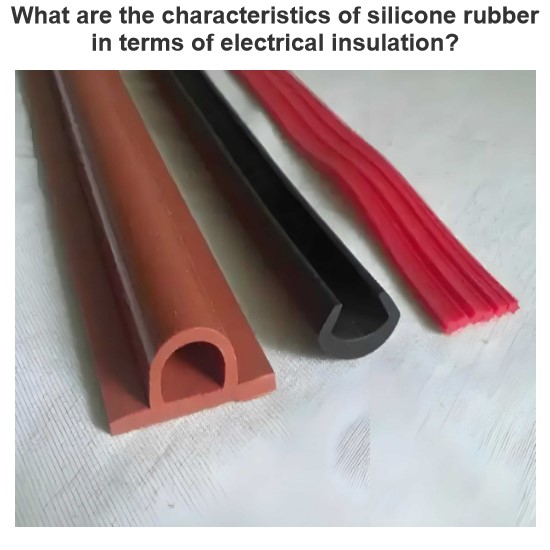
Unsa ang mga katangian sa silicone rubber sa konteksto sa elektrikal nga insulasyon?
Mga Katangian sa Silicone Rubber sa Electrical InsulationAng silicone rubber (Silicone Rubber, SI) adunay daghang unikong abilidad nga gigibitihon kini isip importante nga materyales sa aplikasyon sa electrical insulation sama sa composite insulators, cable accessories, ug seals. Ania ang mga key features sa silicone rubber sa electrical insulation:1. Excellent Hydrophobicity Katangian: Ang silicone rubber adunay natural nga hydrophobic properties, nga magpreventa sa tubig nga madikit sa iyang s
12/19/2024
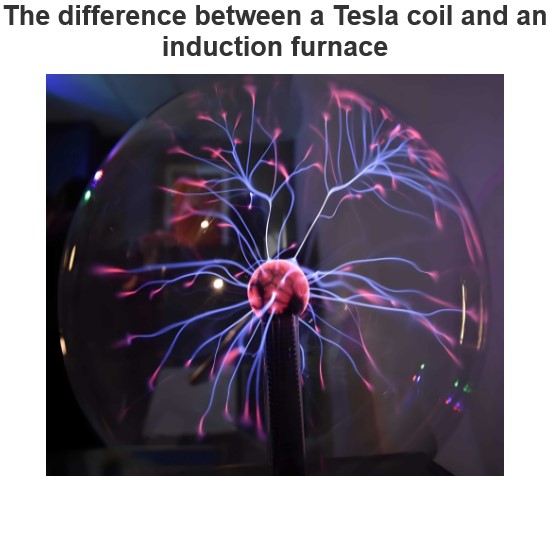
Ang kalainan tali sa usa ka Tesla coil ug induction furnace
Pagkakaiba sa pagitan sa Tesla Coil ug Induction FurnaceBagama ang Tesla coil ug ang induction furnace nagamit og electromagnetic principles, sila adunay dako nga pagkakaiba sa disenyo, working principles, ug mga aplikasyon. Ania ang detalyadong paghambing sa duha:1. Disenyo ug StrukturaTesla Coil:Basic Structure: Ang Tesla coil gisulayan sa primary coil (Primary Coil) ug secondary coil (Secondary Coil), kasagaran naglakip og resonant capacitor, spark gap, ug step-up transformer. Ang secondary c
12/12/2024






