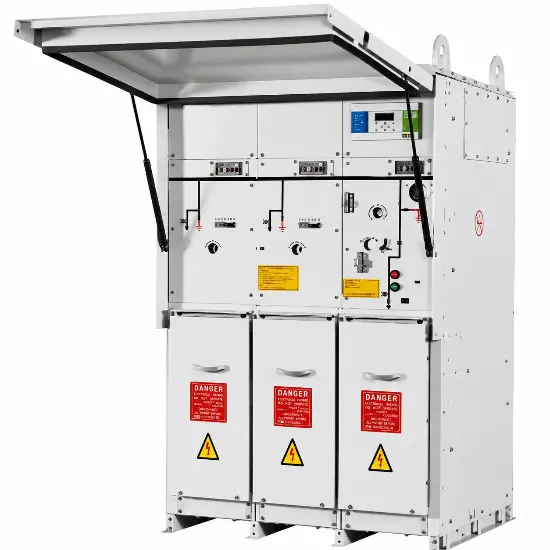
For decades, sulfur hexafluoride (SF6) has been the default insulation and arc-quenching medium in medium-voltage switchgear. It is excellent electrically — but it is also the most potent greenhouse gas known, with a global warming potential around 23,500 times that of CO2 and an atmospheric lifetime measured in millennia. As F-gas regulations tighten, dry air switchgear has become the leading SF6-free alternative. Here is how the two compare on the factors that actually matter in a procurement decision.
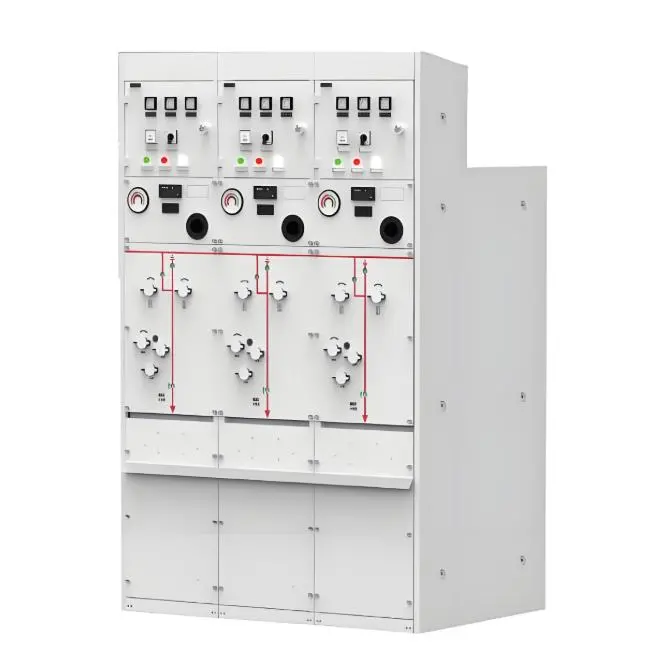
The short answer
If your project is new today, dry air switchgear matches the 12–24kV class performance of SF6 equipment, carries no climate penalty, and avoids future compliance risk. Keep SF6 only where a specific legacy installation, extreme compactness requirement, or an existing sealed-cell design genuinely justifies it — and budget for end-of-life gas recovery.
Side-by-side comparison
| Criterion |
Dry air switchgear |
SF6 switchgear |
| Global warming potential |
Zero (air, no fluorinated gas) |
Extremely high (GWP ≈ 23,500) |
| Regulatory outlook |
Future-proof; aligned with F-gas phase-down |
Increasingly restricted; reporting & recovery costs |
| Voltage class |
12–24kV (up to 36kV with solid insulation) |
12kV and above, including very compact GIS |
| Arc interruption |
Vacuum interrupter (decades of proven service) |
SF6 blast or vacuum in hybrid designs |
| Footprint |
Similar to conventional air-insulated switchgear |
Most compact at higher voltage / limited space |
| Safety on leak |
Harmless air; no asphyxiation hazard |
Can displace oxygen; requires handling & recovery |
| End of life |
Recycle as standard metal-enclosed gear |
Specialized gas recovery & disposal required |
| Maintenance |
Sealed vacuum, air-pressure monitoring |
Periodic gas-pressure checks and top-up |
1. Environmental impact and regulation
This is the decisive factor for most new specifications. SF6 leakage — even small, ongoing leaks over a 30-year asset life — adds up to a large CO2-equivalent footprint. Dry air insulation has no such penalty: there is nothing to leak, and no reporting obligation for a fluorinated gas. For utilities and industrial groups with ESG or net-zero targets, dry air removes an entire category of scope-3 emissions.
2. Reliability and switching performance
A common concern is whether dry air can interrupt fault currents as well as SF6. In practice, modern dry-air switchgear uses vacuum interrupters for current breaking — the same proven technology used in millions of feeders worldwide — while dry air handles the steady-state insulation between phases and to earth. The vacuum interrupter, not the insulation gas, does the hard work of extinguishing the arc. Ratings of 20kA/3s at 12–24kV are standard.
3. Footprint and installation
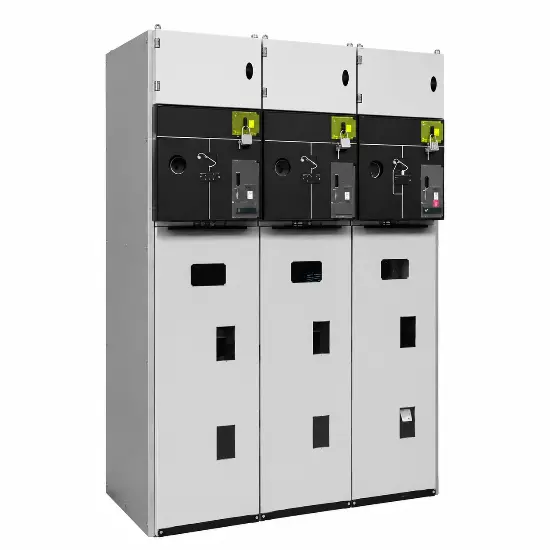
Pure dry-air units are not as compact as gas-insulated (GIS) cubicles at the highest voltage and power-density demands, but they match the footprint of conventional air-insulated switchgear — which most contractors already know how to install, cable and maintain. There is no special gas-handling equipment on site, which simplifies commissioning.
4. Safety and maintenance
SF6 is heavier than air and can accumulate in cable pits or basements, presenting an asphyxiation risk. Dry air introduces no such hazard. Maintenance is also simpler: instead of scheduled gas-density checks and top-ups, you monitor sealed vacuum chambers and air pressure, with fixed interrupters designed for decades of service.
Bottom line for specifiers: choose dry air switchgear for new 12–24kV distribution, secondary networks and any project under ESG scrutiny. Reserve SF6 only for space-constrained high-voltage GIS applications where no SF6-free equivalent yet meets the footprint.
Looking for dry air equipment?
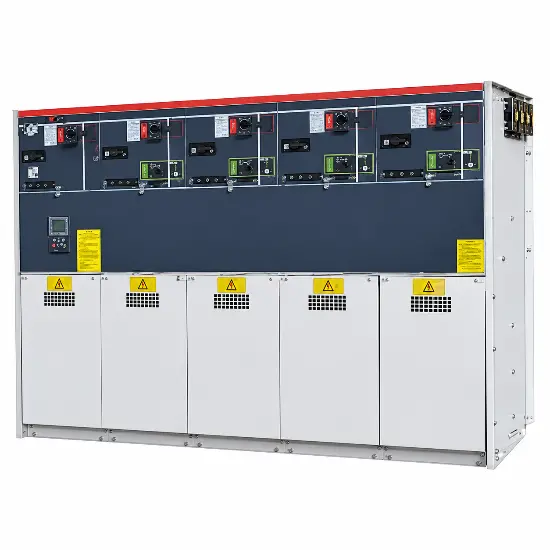
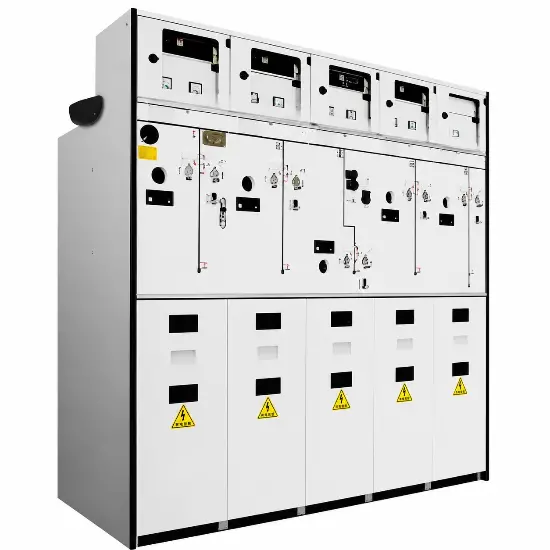
ROCKWILL manufactures both dry air switchgear and dry air RMU (ring main units), type-tested to IEC 62271 with zero GWP insulation. Send us your one-line diagram for a configuration and datasheet.

 Login
Login