The reasons for choosing wind turbines and hydroelectric power (hydropower plants) over solar panels for large-scale power generation are multiple, often involving geographic location, resource availability, cost-effectiveness, and technological maturity.
Energy stability
Wind turbines and hydropower are relatively stable
Wind turbines: Although the wind speed will fluctuate, but in a specific wind farm area, through the cluster management of multiple fans and weather forecasting means, you can ensure a relatively stable power output to a certain extent. For example, in some large wind farms, the output power of the whole wind farm can be relatively stable and large fluctuations can be reduced by rationally arranging the fan position and adopting advanced monitoring and control systems.
Hydropower: High stability and predictability. The water flow of the river usually has a relatively stable flow and water level change law, through the regulation of the reservoir, the power generation can be timely adjusted according to the demand for electricity. For example, large hydropower stations can achieve precise control of power output by adjusting the storage and release of water in reservoirs to meet the demand for electricity at different times.
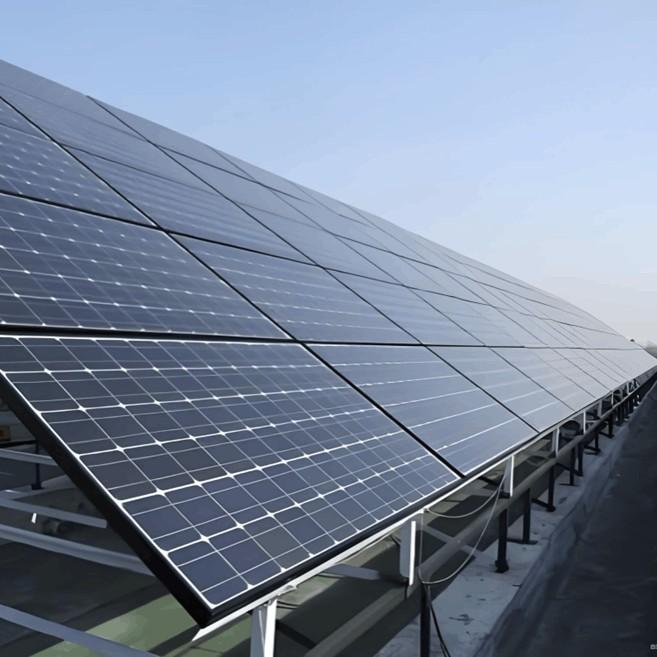
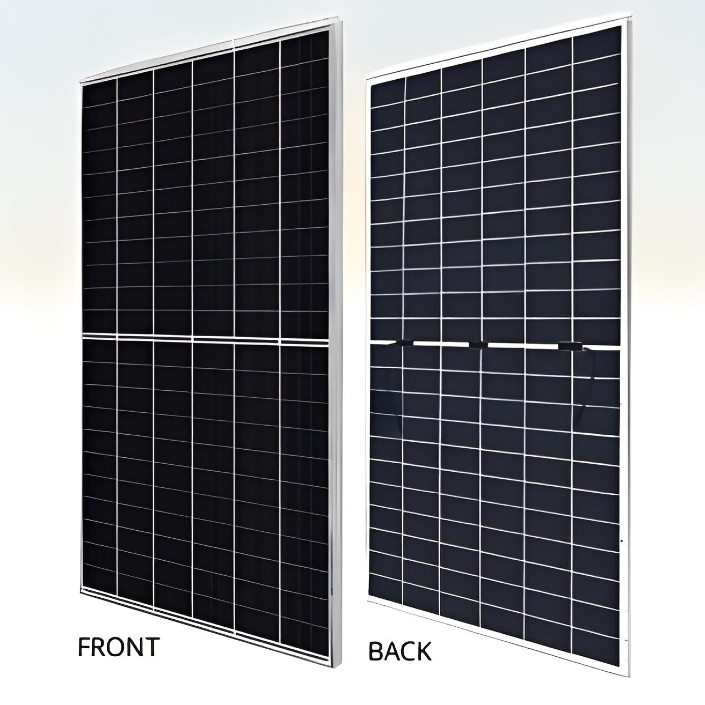
In contrast, solar panel power generation is more affected by weather and day and night variations. The intensity of sunlight will change due to clouds, seasons, geographical location and other factors, and it can not generate electricity at night, resulting in unstable output power, difficult to meet the needs of large-scale stable power supply.
Adaptability to the power grid
Wind turbines and hydroelectric power can be better adapted to the needs of the grid. Because its output power is relatively stable, it is easier to match the dispatching and operation requirements of the power grid. For example, during the peak load of the grid, the hydropower station can rapidly increase the generation of electricity to meet the demand for electricity; When the load is low, the power generation can be reduced to avoid the overload of the grid.
The intermittency and instability of solar power generation bring great challenges to the dispatching of power grid. The grid needs to be equipped with more energy storage equipment and backup power to cope with fluctuations in solar power generation, increasing the construction and operating costs of the grid.
Cost-benefit aspect
Initial investment and operating costs
Wind turbines and hydroelectric power have certain cost advantages when applied on a large scale. Although the initial construction investment of wind turbines and hydroelectric power stations is high, their operating costs are relatively low. Once built, the wind and water resources are free, with only the maintenance and management of the equipment required. For example, large wind farms and hydroelectric power stations have long service lives and can continue to generate electricity for decades at relatively low cost spread over time.
The initial investment cost of solar panels is also high, and with the continuous progress of technology, although its price is gradually declining, it still requires a larger installation area and supporting equipment. In addition, the efficiency of solar panels decreases over time and requires regular replacement, increasing operating costs.
Scale effect
Wind turbines and hydropower are easier to achieve economies of scale. Large wind farms and hydroelectric power stations can generate large amounts of electricity to meet large-scale electricity demand. As scale increases, unit costs can be further reduced. For example, some large hydroelectric power stations can have an installed capacity of millions of kilowatts or more, capable of providing a stable power supply to an entire region or country.
When solar panels are used on a large scale, they are limited by installation area and site. Although it is possible to generate electricity in different locations through distributed installation, overall, the scale of individual solar power systems is relatively small, and it is difficult to achieve the same scale effects as large wind and hydropower plants.
Environmental adaptability
Land use efficiency
Wind turbines and hydroelectric power stations have certain advantages in land use. Wind turbines can usually be installed in open plains, mountains or at sea, occupy a relatively small land area, and can be combined with other industries such as agriculture and animal husbandry to improve land use efficiency. For example, in some grassland areas, wind turbines can coexist with livestock farming without affecting the normal use of the land.
Although the hydroelectric power station needs to build reservoirs, it can improve the comprehensive utilization value of land and water resources through the comprehensive utilization of reservoir resources, such as the development of fisheries and water tourism.
Solar panels require a large installation site, usually on a roof or open ground. In the large-scale application, it may occupy a lot of land resources, and produce certain restrictions on the use of land.
Environmental impact
Wind turbines and hydropower have relatively little impact on the environment. Wind power is a clean energy source that produces no pollutant emissions and has less impact on air quality and climate change. Although wind turbines will produce a certain amount of noise during operation, it can be controlled through reasonable location and technical means.
Although hydropower generation will have a certain impact on the river ecosystem, the environmental impact can be minimized by adopting measures such as ecological flow guarantee and fish migration channel construction.
The production process of solar panels will consume a lot of energy and resources, and produce certain pollutant emissions. In addition, the disposal of solar panels will also cause a certain pressure on the environment.