1. Introductio
Propter operationem diuturnam, vitia et casus transformatorum distributionis in rete rurale non possunt omnino evitari. Haec vitia et casus ex multis causis oriuntur, sicut vis externa, ut damnum et ictus, et calamitates naturali resistibilis, sicut fulgura. Interdum in quibusdam regionibus ruralibus, lineae basso - voltantiae minus bene conservantur, frequenter ad onera excessiva et circuitus breves ducunt, quae faciunt ut transformatores distributionis comburentur. Hoc factum est factor major contribuens ad vitia.
Ut praeventur transformatores distributionis ab comburendo et reducantur eorum operationes fallaces in rete rurale, huius scripti summa et analysis typorum et causarum vitiorum transformatorum distributionis, exploratio praevensionis, ulterius investigatio et adlocutio periculorum et debilitatum potentialium transformatorum distributionis, praeventio et cohibitio effectiva occurrentium vitiorum comburentium transformatorum distributionis, et sic augmentatur fiducialitas suppeditationis electricitatis retis rurale.
Nunc, transformatores distributionis in rete rurale usitati sunt principiter transformatores distributionis immissi oleo. Vitia talium transformatorum communiter classificantur in interna et externa. Vitia interna referuntur ad varias malfunctiones occurrentes intra cistam transformatoris. Principales species includunt circuitus breves inter spires, circuitus breves intra spires, et vitia terrae ubi spires vel exitus contactant externam cistam. Vitia externa sunt varias malfunctiones occurrentes in insulatoribus extra cistam transformatoris et eorum exitibus. Principales species sunt terrae propter fulgurationem vel fracturam insulatorum, et circuitus breves inter phaseas vel terrae lineae outlet basso - voltantis.
Cum vitia transformatorum distributionis latam gamam operiant, sunt multae methodi specificae classificationis. Exempli gratia, ex perspectiva circuituum, principaliter classificantur in vitia circuituum, vitia magneticorum, et vitia oleorum. Si secundum structuram principalem transformatoris distributionis classificantur, dividuntur in vitia spire, vitia nuclei, vitia qualitatis olei, et vitia accessoria. Conventionaliter, species vitiorum transformatorum distributionis generaliter classificantur ex areae communes vitiorum, sicut vitia insulationis, vitia nuclei, vitia selectoris tap, etc. Inter ea, vitium circuitus brevis outlet transformatoris distributionis habet impactum gravissimum super ipsum transformatorem et altissimam frequentiam occurrence hodie. Praeterea, sunt et vitia fuga transformatoris distributionis, etc. Omnes haec species vitiorum diversarum potest repraesentare vitia thermica, vitia electrica, vel simul vitia thermica et decharge. Tamen, vitium fuga transformatoris distributionis non exhibet characteres vitii thermici vel electrici sub normalibus conditionibus.
Itaque, difficile est categorizare species vitiorum transformatorum distributionis intra quadrum specificum. Hoc scriptum adoptat species vitiorum transformatorum distributionis communiores et generales, sicut vitia circuitus brevis, vitia decharge, vitia insulationis, vitia nuclei, vitia selectoris tap, vitia fuga olei - gas, vitia damni vis externa, et vitia protectionis fusibilia. Unusquisque species separatim discutiuntur in causa sua et technicae correspondentes.
2. Analyse Vitiis Transformatorum Distributionis
2.1 Vitia Circuitus Brevis
2.1.1 Analyse Causae Vitiorum
Vitia circuitus brevis transformatorum distributionis principaliter referuntur ad circuitus breves outlet transformatorum distributionis, sicut et circuitus breves inter exitus internos vel spires ad terram, et circuitus breves inter phaseas, quae ducunt ad vitia.
Durante operatione normali transformatorum distributionis, damnum a circuitu brevi outlet est comparativum gravis. Ex statisticis relevantibus, vitia directa resultantes a impactu circuitus brevis currentis in transformatoribus distributionis retis rurale occupant circa 40% totius vitiorum. Sunt multa talia exempla. Imprimis, quando circuitus brevis outlet basso - voltantis in transformatore distributionis occurrit, spires generaliter renovandae sunt. In casibus severis, omnes spires renovandae sunt, quod resultat in consequentiis et perdidis extrema gravis. Itaque, debet esse satis attentum.
Impactus circuitus brevis outlet in transformatoribus distributionis principaliter includunt duos aspectus sequentes:
Vitium Overheating Insulationis Propter Currentem Circuitus Brevis
Propter conservationem defectivam quorundam lineae basso - voltantis rurale, onera excessiva et circuitus breves frequenter occurrunt. Quando transformator distributionis subito circuitus brevis experiatur, suas spires alta - et basso - voltantis simul transmittunt currentes circuitus brevis decuplos valoris nominati. Hoc magnam quantitatem caloris generat, faciens ut transformator distributionis overheat severe et temperatura spire rapiditer ascendat, ducens ad senectutem insulationis. Quando capacitas transformatoris distributionis ad sustinendum currentem circuitus brevis insufficiens est et stabilitas thermica eius mala, materialis insulationis transformatoris distributionis severiter laeditur, resultans in ruptura et damnum transformatoris distributionis.
Vitium Deformationis Spire Propter Electrodynamica Vis Circuitus Brevis
Quando transformator distributionis impactu circuitus brevis afficitur, si currentis circuitus brevis parvus est et fusibile corrigitur recte, deformitas spire erit minor. Si currentis circuitus brevis magnus est et fusibile corrigitur cum mora vel non corrigitur, latus secundarium generabit currentem circuitus brevis 20 - 30 times maiorem quam currentem nominata. Latus primum transformatoris distributionis inevitabiliter generabit magnum currentem ad contrahendum effectum demagnetizandi currentis circuitus brevis lateris secundi. Magnus currentis generat magnam vim mechanicam intra spire, faciens ut spire comprimantur, moveantur, vel deformeantur, pads et placentae insulationis solvantur, clavi clamping nuclei laxentur, spira alta - voltantis distorquetur vel frangitur, et ultime ducit ad vitium transformatoris distributionis. Simul, spires subiectae sunt ad magnam torque electromagneticam, et materialis insulationis scinditur, exponens corpus fili et causans circuitus breves inter spire. Pro minoribus deformationibus, si non reparatur tempestive, sicut restituendo positionem pads, stringendo clavos pressionis spire et pull - plates et pull - rods yoke, et fortificando vim clamping exitus, effectus cumulativus post plures impactus circuitus brevis etiam laedet transformator distributionis.
2.1.2 Menses Reducendi Vitia Circuitus Brevis
Optimizatio Requirimentorum Selectionis. Cum transformator distributionis eligitur, elige unum qui possit suaviter transire testem circuitus brevis. Rationabiliter determina capacitatem transformatoris distributionis et selecte rationabiliter impedimentum circuitus brevis eius. Conare uti transformatoribus distributionis S11 - type efficientia et elimina transformatores high - energy - consumption.
Optimizatio Conditionum et Ambientis Operationis. Meliora nivellum insulationis lineae electricae, imprimis nivellum insulationis lineae outlet basso - voltantis transformatoris distributionis super certam distantiam. Simul, eleva standardos pro requisitis corridoris security et distantiae secure, ut reducas impactum et pericula vitiorum vicinorum. Hoc includit attentionem ad installationem et qualitatem maintenance low - voltage dropper terminals (quia explosio terminales basso - voltantis saepe aequivalens est circuitus brevis secundi), prohibere animalia parva intrare, et meliorare qualitatis requirit pro fusibilia basso - voltanti ut prohibeas casus sicut fusibilia non corriguntur.
Optimizatio Modorum Operationis. Quando modus operationis determinatur, calcula currentem circuitus brevis et limita pericula eius. Imprimis, prohibe transformator distributionis operari sub onere excessivo. Conare calculare et adjustare onus electricum transformatoris distributionis.
Improvement of Operation Management Level. Primum, prohibe impactus circuitus brevis causatos propter misoperation. Fortifica monitoring and maintenance tempestivam transformatorum distributionis, detecta tempestive gradus deformationis transformatorum distributionis, et secura opera eorum. Simul, increase inspection efforts on the power consumption of users in the distribution transformer area to prevent overloading problems caused by user power theft.
2.2 Vitia Discharge
Based on the energy density of the discharge, the discharge faults of distribution transformers are commonly classified into partial discharge, spark discharge, and high - energy discharge. Discharge has two types of destructive effects on insulation: one is that the discharge particles directly bombard the insulation, causing local insulation damage and gradually expanding it until the insulation breaks down. The other is that the chemical action of active gases such as heat, ozone, and nitrogen oxides generated by the discharge corrodes the local insulation, increases the dielectric loss, and ultimately leads to thermal breakdown.
2.2.1 Partial Discharge Faults of Distribution Transformers
Partial discharge refers to a non - through - type discharge phenomenon that occurs at the edges of air gaps, oil films, or conductors within the insulation structure under the action of voltage. At the beginning, partial discharge is a low - energy discharge. When this kind of discharge occurs inside a distribution transformer, the situation is relatively complex. According to different insulation media, partial discharge can be divided into partial discharge in bubbles and partial discharge in oil. According to insulation locations, it includes partial discharge in cavities of solid insulation, at electrode tips, in oil - corner gaps, in oil gaps between oil and insulation paperboards, and along the surface of solid insulation in oil. The reasons for partial discharge are as follows:
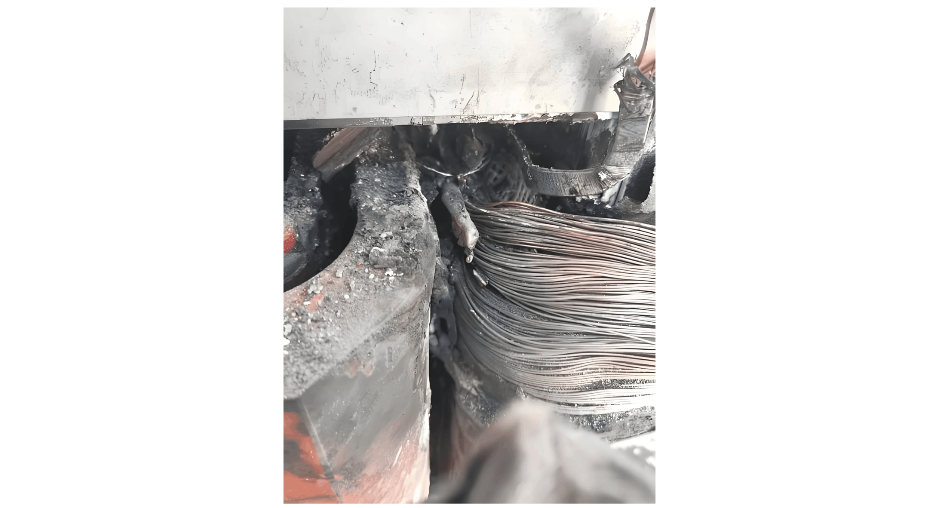
When there are bubbles in the oil or cavities in the solid insulation material, due to the small dielectric constant of the gas, it bears a high electric field strength under alternating voltage, but its withstand voltage strength is lower than that of oil and paper insulation materials. Therefore, discharge is likely to occur first in the air gap.
Influence of external environmental conditions. For example, if the oil treatment is incomplete and bubbles precipitate from the oil, it will cause discharge.
Due to poor manufacturing quality. For example, discharge occurs at some parts with sharp corners. Bubbles, debris, and moisture are introduced, or due to external temperature - related factors such as paint nodules, they bear a relatively large electric field strength.
Discharge caused by poor contact between metal parts or conductors. Although the energy density of partial discharge is not large, if it develops further, it will form a vicious cycle of discharge, ultimately leading to the breakdown or damage of the equipment and causing serious burnout accidents.
2.2.2 Spark Discharge Faults of Distribution Transformers
Generally, spark discharge does not quickly cause insulation breakdown. It is mainly reflected in abnormal oil chromatographic analysis, an increase in partial discharge quantity, or light gas. It is relatively easy to detect and handle, but sufficient attention should be paid to its development. There are mainly two reasons for spark discharge:
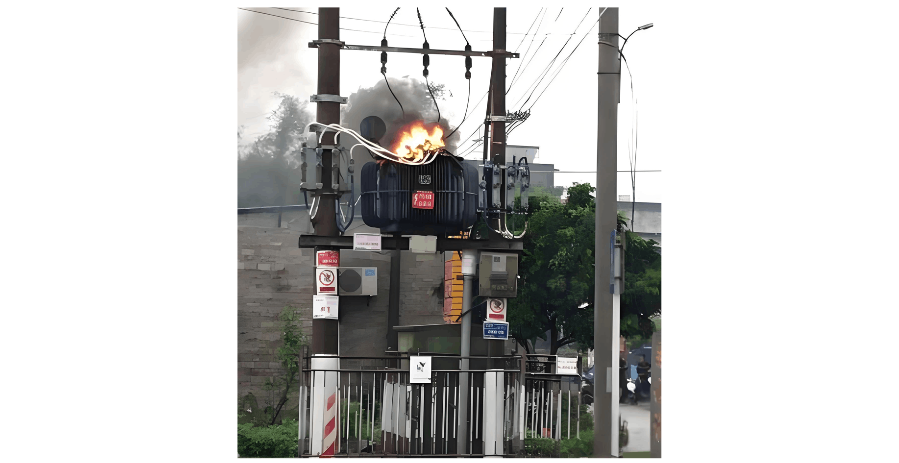
Spark Discharge Caused by Floating Potential. In high - voltage power equipment, a certain metal part, due to structural reasons or poor contact during transportation and operation, is disconnected and is located between the high - voltage and low - voltage electrodes, dividing the voltage according to its impedance. The potential to the ground generated on this metal part is called the floating potential. The electric field strength near an object with a floating potential is relatively concentrated, often gradually burning out the surrounding solid dielectric or carbonizing it.
It also causes the insulating oil to decompose a large amount of characteristic gases under the action of the floating potential, resulting in an abnormal result of the insulating oil chromatographic analysis. Floating discharge may occur in metal parts at high potential inside the distribution transformer, such as the regulating winding, when the grading ball of the bushing and the no - load tap - changer shift fork have a floating potential. For parts at ground potential, such as the silicon steel sheet magnetic shielding and various metal bolts for fastening, if their connection to the ground is loose or detached, it will lead to floating - potential discharge. Poor contact at the end of the high - voltage bushing of the distribution transformer can also form a floating potential and cause spark discharge.
Spark Discharge Caused by Impurities in Oil
The main cause of spark discharge faults in distribution transformers is the influence of impurities in the oil. These impurities are composed of moisture, fibrous substances (mainly damp fibers), etc. The dielectric constant ε of water is approximately 40 times that of the distribution transformer oil. In an electric field, the impurities are first polarized and attracted to the area with the strongest electric field intensity, namely near the electrodes, and are arranged in the direction of the electric field lines. Thus, an impurity "bridge" is formed near the electrodes.
The conductivity and dielectric constant of the "bridge" are both greater than those of the distribution transformer oil. According to the principles of electromagnetic fields, the presence of the "bridge" distorts the electric field in the oil. Since the dielectric constant of the fibers is small, the electric field in the oil at the ends of the fibers is strengthened. Therefore, the discharge first occurs and develops in this part of the oil. The oil dissociates under a high - field - strength environment, decomposing into gases, which causes the bubbles to increase in size and the dissociation to strengthen. Subsequently, the process gradually develops, leading to spark discharge in the entire oil gap through the gas channel. So, spark discharge may occur at a relatively low voltage.
If the distance between the electrodes is not large and there are enough impurities, the "bridge" may connect the two electrodes. At this time, due to the relatively high conductivity of the "bridge", a large current flows along the "bridge" (the magnitude of the current depends on the capacity of the power supply), causing the "bridge" to heat up intensely. The moisture and the nearby oil in the "bridge" boil and vaporize, creating a gas channel - the "bubble bridge", and spark discharge occurs.
If the fibers are not damp, the conductivity of the "bridge" is very small, and its influence on the spark discharge voltage of the oil is also relatively small; conversely, the influence is greater. Therefore, the spark discharge of the distribution transformer oil caused by impurities is related to the heating process of the "bridge". When an impulse voltage acts or the electric field is extremely non - uniform, it is not easy for the impurities to form a "bridge", and their effect is only limited to distorting the electric field. The spark discharge process mainly depends on the magnitude of the applied voltage.
2.2.3 Arc Discharge Faults of Distribution Transformers
Arc discharge is a high - energy discharge, which is commonly seen as insulation breakdown between winding turns or layers. Other common faults include lead breakage, flashover to the ground, and arcing of tap - changers.
Influence of Arc Discharge. Due to the high energy density of arc discharge faults, gas is generated rapidly. It often impacts the dielectric in the form of electron avalanches, causing the insulating paper to perforate, char, or carbonize, deforming or melting and burning the metal materials. In severe cases, it may cause equipment damage or even explosions. Such accidents are generally difficult to predict in advance and have no obvious omens, often emerging in a sudden manner.
Gas Characteristics of Arc Discharge. After an arc discharge fault occurs, the distribution transformer oil also carbonizes and turns black. The main components of the characteristic gases in the oil are H2 and C2H2, followed by C2H6 and CH4. When the discharge fault involves solid insulation, CO and CO2 will also be generated.In summary, the three forms of discharge have both differences and certain connections. The differences refer to the discharge energy level and gas composition, while the connection is that partial discharge is a precursor to the other two forms of discharge, and the latter two are inevitable results of the development of the former. Since the faults occurring inside distribution transformers are often in a state of gradual development, and most of them are not single - type faults, but rather one type is accompanied by another type, or several types occur simultaneously. Therefore, more careful analysis and specific treatment are required.
2.3 Insulation Faults
Currently, the most widely used distribution transformers in rural power grids are oil - immersed transformers. The insulation of a distribution transformer refers to the insulation system composed of its insulation materials. It is a fundamental condition for the normal operation of the distribution transformer, and the service life of the distribution transformer is determined by the lifespan of the insulation materials (such as oil - paper or resin). Practical experience has proven that most of the damage and faults of distribution transformers are caused by the damage of the insulation system.
Therefore, protecting the normal operation of the distribution transformer and strengthening the reasonable maintenance of the insulation system can, to a large extent, ensure a relatively long service life for the distribution transformer. Preventive and predictive maintenance are the keys to extending the service life of distribution transformers and improving power supply reliability.
In oil - immersed distribution transformers, the main insulation materials are insulating oil and solid insulation materials such as insulating paper, cardboard, and wooden blocks. The so - called aging of the distribution transformer insulation means that these materials decompose under the influence of environmental factors, reducing or losing their insulation strength.
2.3.1 Solid Paper Insulation Faults
Solid insulation is one of the main components of the insulation of oil - immersed distribution transformers, including insulating paper, insulating board, insulating pad, insulating coil, insulating binding tape, etc. Its main component is cellulose. After the insulating paper ages, its degree of polymerization and tensile strength gradually decrease, and water, CO, and CO2 are generated. In addition, furfural (furfuraldehyde) is also produced. Most of these aging products are harmful to electrical equipment. They can reduce the breakdown voltage and volume resistivity of the insulating paper, increase the dielectric loss, decrease the tensile strength, and even corrode the metal materials in the equipment.
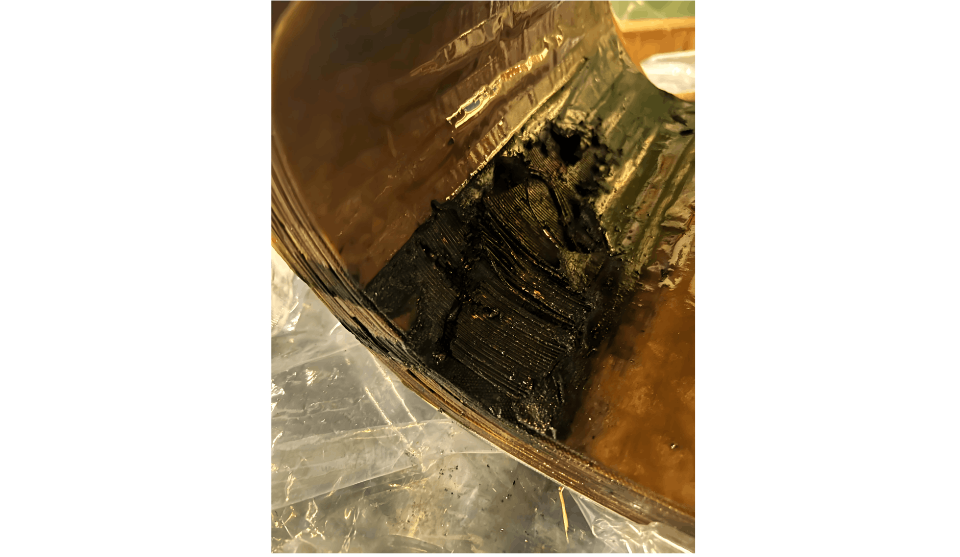
2.3.2 Liquid Oil Insulation Faults
Reasons for the Deterioration of Distribution Transformer Oil
Contamination means that moisture and impurities are mixed into the oil. These are not oxidation products of the oil. The insulation performance of contaminated oil deteriorates, the breakdown electric field strength decreases, and the dielectric loss angle increases.
Deterioration is the result of oil oxidation. This oxidation does not only refer to the oxidation of hydrocarbons in pure oil but also includes the acceleration of the oxidation process by impurities in the oil, especially copper, iron, and aluminum metal shavings.
Oxygen comes from the air inside the distribution transformer. Even in a fully - sealed distribution transformer, there is still about 0.25% of oxygen by volume. Oxygen has a relatively high solubility, so it occupies a relatively high proportion among the dissolved gases in the oil.
When the distribution transformer oil oxidizes, moisture as a catalyst and heat as an accelerator cause the distribution transformer oil to generate sludge. Its main impacts are as follows: under the action of the electric field, the sediment particles are large; the impurities concentrate in the area with the strongest electric field, forming a conductive "bridge" for the insulation of the distribution transformer; the sediment is not uniform but forms separate slender strips, and it may be arranged in the direction of the electric field lines, which undoubtedly hinders heat dissipation, accelerates the aging of insulation materials, and leads to a decrease in insulation resistance and insulation level.
The Process of Distribution Transformer Oil Deterioration
During the deterioration process of the oil, the main products in each stage are peroxides, acids, alcohols, ketones, and sludge.In the early deterioration stage, the peroxides generated in the oil react with the insulating fiber materials to form oxidized cellulose, which deteriorates the mechanical strength of the insulating fibers, causing embrittlement and insulation shrinkage. The generated acids are a kind of viscous fatty acid. Although its corrosiveness is not as strong as that of mineral acids, its growth rate and impact on organic insulation materials are significant.
In the later deterioration stage, sludge is generated. When acids erode copper, iron, insulating paint, and other materials, sludge is produced. It is a viscous, asphalt - like polymeric conductive substance that can moderately dissolve in the oil. Under the action of the electric field, it is generated very quickly and adheres to the insulation materials or the edges of the distribution transformer tank, deposits in the oil pipes and radiator fins of the cooler, etc., increasing the operating temperature of the distribution transformer and reducing its electrical withstand strength.
The oxidation process of the oil is composed of two main reaction conditions. One is that the acid value in the distribution transformer oil is too high, making the oil acidic. The other is that the oxides dissolved in the oil are transformed into compounds insoluble in the oil, gradually deteriorating the quality of the distribution transformer oil.
2.3.3 Winding Insulation Moisture Ingress
Winding insulation moisture ingress is mainly caused by poor - quality insulating oil or a decrease in the oil level. The main reasons are as follows:
Before the distribution transformer is put into operation, if it is in a humid place or a rainy area with high humidity, moisture will invade and cause the insulation to get damp.
During storage, transportation, and operation, improper maintenance may lead to moisture, impurities, or other oil contaminants mixing into the distribution transformer oil, greatly reducing the insulation strength.
During the manufacturing process, if the inner layer of the winding is not impregnated thoroughly and dried completely, or if the winding lead joints are not welded properly, incomplete insulation may cause inter - turn and inter - layer short - circuits. When approaching or reaching the service life, the insulation naturally becomes charred and black, and the insulation characteristics decline, which is the main cause of faults in old distribution transformers.
In some old distribution transformers that have not been maintained for a long time, for various reasons, the oil level drops, and the insulating oil comes into extensive and long - term contact with the air. A large amount of moisture in the air enters the insulating oil, reducing the insulation strength.
2.3.4 Main Factors Affecting Distribution Transformer Insulation Faults
The main factors affecting the insulation performance of distribution transformers include temperature, humidity, oil protection method, and over - voltage influence.
Influence of Temperature. Power distribution transformers use oil - paper insulation. At different temperatures, there are different equilibrium relationship curves for the water content in the oil and paper. Generally, when the temperature rises, the water in the paper is released into the oil; conversely, the paper absorbs water from the oil. Therefore, when the temperature is relatively high, the micro - water content in the insulating oil of the distribution transformer is relatively large; otherwise, it is small.
The service life of a distribution transformer depends on the degree of insulation aging, and the aging of the insulation depends on the operating temperature.
Influence of Humidity. The presence of moisture will accelerate the degradation of cellulose. Trace amounts of moisture in the insulating oil are one of the important factors affecting insulation characteristics. The presence of trace moisture in the insulating oil is extremely harmful to the electrical and physical - chemical properties of the insulation medium. Moisture can reduce the spark discharge voltage of the insulating oil, increase the dielectric loss factor tgδ, accelerate the aging of the insulating oil, and deteriorate the insulation performance. Equipment moisture ingress not only reduces the operational reliability and service life of electrical equipment but may also cause equipment damage and even endanger personal safety.
Influence of Over - Voltage.
Influence of Transient Over - Voltage. The phase - to - ground voltage generated during the normal operation of a three - phase distribution transformer is 58% of the phase - to - phase voltage. However, when a single - phase fault occurs, the voltage on the main insulation for a neutral - grounded system will increase by 30%, and for a non - neutral - grounded system, it will increase by 73%. Therefore, the insulation may be damaged.
Influence of Lightning Over - Voltage. Due to the steep wavefront of lightning over