1. Pagpahayag
Tungod sa matagumpay nga operasyon, dili mahimong iwasan ang mga kasalaan ug mga aksidente sa mga distribution transformers sa ruralkas power grids. Ang mga kasalaan ug aksidente kini gipangulohan pinaagi sa daghang mga factor sama sa eksternal nga puwersa sama sa pagkasira ug impact, ug mga dili mabati nga natural nga kalamidad sama sa lightning strikes. Sa ilang lugar sa ruralkas, ang mga low-voltage lines wala mas maayo nga gi-maintain, resulta niana mao ang overloading ug short-circuits, nga nagresulta sa burning out sa mga distribution transformers. Kini naging usa ka major nga factor sa mga kasalaan.
Arangkada sa pag-iwas sa burning out sa mga distribution transformers ug pagbawas sa ilang operational failures sa ruralkas power grids, ang paper kini nagsumaryo ug nag-analisis sa uban pang mga typical nga klase sa kasalaan ug mga dahon sa mga distribution transformers, nag-explore sa preventive measures, nag-investigate ug nag-attend sa potential nga hazards ug weak links sa mga distribution transformers, efektibong nag-iwas ug nag-control sa occurrence sa burning-out faults sa mga distribution transformers, ug diin nag-improve sa power supply reliability sa ruralkas power grids.
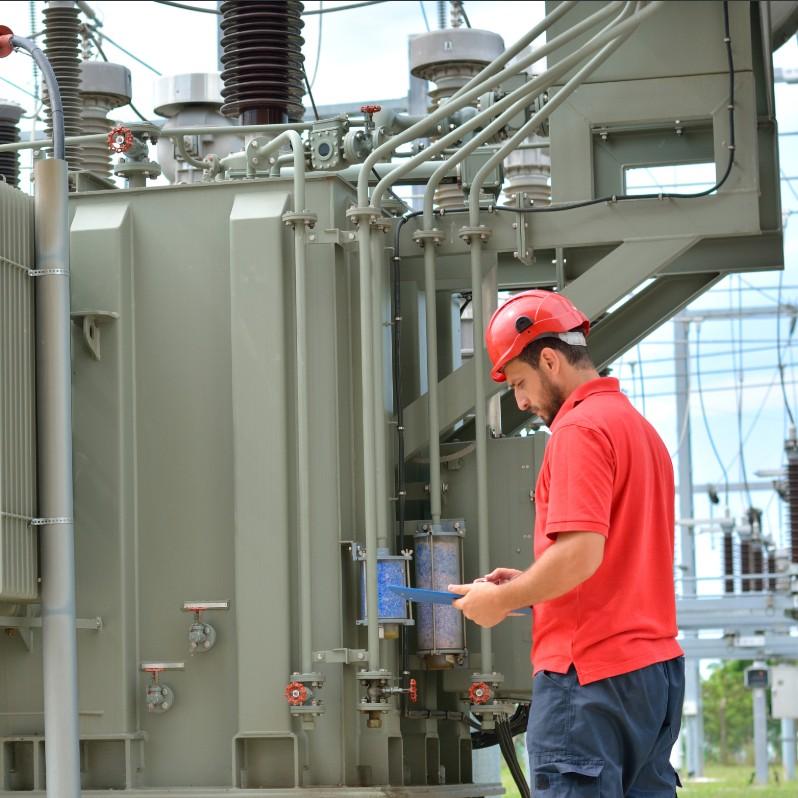
Karon, ang mga distribution transformers nga gigamit sa ruralkas power grids mao ang oil-immersed distribution transformers. Ang mga kasalaan sa mga transformers kini commonly classified isip internal ug external faults. Ang internal faults refer sa uban pang malfunctions nga nag-occur sa interior sa transformer tank. Ang primary nga types include inter-phase short-circuits sa pagitan sa windings, turn-to-turn short-circuits sa loob sa windings, ug grounding faults diin ang windings o lead-outs mag-contact sa outer casing. Ang external faults mao ang uban pang malfunctions nga nag-occur sa insulating bushings sa exterior sa transformer tank ug ilang lead-outs. Ang primary nga types mao ang grounding tungod sa flashover o breakage sa insulating bushings, ug inter-phase short-circuits o grounding sa low-voltage outlet lines.
Tungod kay ang mga kasalaan sa mga distribution transformers adunay wide range, adunay daghang specific nga classification methods. Bisan asa, gikan sa perspective sa circuit loops, sila mainly classified isip circuit faults, magnetic circuit faults, ug oil-circuit faults. Kon iklasihon batasan sa main structure sa distribution transformer, sila makadivide isip winding faults, core faults, oil-quality faults, ug accessory faults. Conventionally, ang fault types sa mga distribution transformers general nga iclassify batasan sa common fault-prone areas, sama sa insulation faults, core faults, tap-changer faults, etc. Sa ilaha, ang distribution transformer outlet short-circuit fault adunay pinaka-serious nga impact sa transformer mismo ug pinakataas nga occurrence rate karon. Sumala usab, adunay distribution transformer leakage faults, etc. Tanang mga different nga klase sa faults mahimong represent thermal faults, electrical faults, o both thermal ug discharge faults simultaneously. Apan, ang leakage fault sa distribution transformer dili mahimong ipakita thermal o electrical fault characteristics sa normal circumstances.
Sama, dili mahimong icategory ang fault types sa mga distribution transformers sa specific nga framework. Ang paper kini nag-adopt og relatively common ug general nga fault types sa mga distribution transformers, sama sa short-circuit faults, discharge faults, insulation faults, core faults, tap-changer faults, oil-gas leakage faults, external-force damage faults, ug fuse protection faults. Each type discussed separately batasan sa ilang cause ug corresponding technical measures.
2. Fault Analysis of Distribution Transformers
2.1 Short-Circuit Faults
2.1.1 Fault Cause Analysis
Ang short-circuit faults sa mga distribution transformers mainly refer sa outlet short-circuits sa mga distribution transformers, as well as short-circuits sa pagitan sa internal lead-outs o windings to the ground, ug short-circuits sa pagitan sa phases, nga mag-lead sa failures.
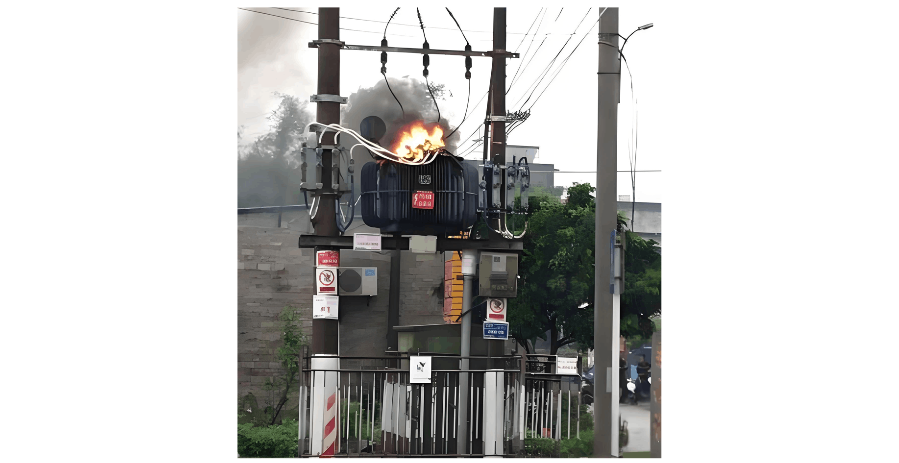
Sa normal nga operasyon sa mga distribution transformers, ang damage gipangulohan sa outlet short-circuit faults adunay higayon nga severe. Sumala sa relevant nga statistics, ang faults directly resulting sa short-circuit fault current impacts sa mga distribution transformers sa ruralkas power grids account sa approximately 40% sa tanang faults. Adunay daghang sulod niining mga cases. Isip espesyal, kon ang low-voltage outlet short-circuit mog-occur sa distribution transformer, ang windings generally need to be replaced. Sa severe cases, ang tanang windings may need to be replaced, resulta niana ngadto sa extremely serious nga consequences ug losses. Sama, kini dapat ibutang sufficient nga attention.
Ang impacts sa outlet short-circuits sa mga distribution transformers mainly include ang sumusunod duha nga aspects:
Insulation Overheating Fault Caused by Short-Circuit Current
Tungod sa inadequate maintenance sa ilang ruralkas low-voltage lines, ang overloading ug short-circuits frequently occur. Kon ang distribution transformer experience sudden short-circuit, ang iyang high-ug low-voltage windings may simultaneously pass short-circuit currents dozens sa rated value. Kini generate large amount sa heat, causing the distribution transformer to overheat severely ug coil temperature to rise rapidly, leading to insulation aging. Kon ang distribution transformer's ability to withstand short-circuit current wala sufficient ug iyang thermal stability poor, ang insulation material sa distribution transformer will be severely damaged, resulting in breakdown ug damage sa distribution transformer.
Winding Deformation Fault Caused by Short-Circuit Electrodynamic Force
Kon ang distribution transformer impacted sa short-circuit, kon ang short-circuit current gamay ug fuse blows correctly, ang winding deformation will be minor. Kon ang short-circuit current dako ug fuse blows with delay o fails to blow, ang secondary side generate short-circuit current 20-30 times higher sa rated current. Ang primary side sa distribution transformer inevitably generate large current to counteract the demagnetizing effect sa secondary-side short-circuit current. Ang large current generate significant mechanical stress sa interior sa coil, causing the coil to compress, shift, or deform, insulation pads ug plates to loosen, core clamping bolts to become slack, high-voltage coil to distort or burst, ug ultimately leading to failure sa distribution transformer. Sa same time, ang windings subjected to relatively large electromagnetic torque, ug insulation material flakes off, exposing the wire body ug causing inter-turn short-circuits. Para sa minor deformations, kon wala repaired in a timely manner, such as restoring the position sa pads, tightening the pressure nails sa windings ug pull-plates and pull-rods sa yoke, ug strengthening the clamping force sa lead-outs, cumulative effect after multiple short-circuit impacts will also damage the distribution transformer.
2.1.2 Measures to Reduce Short-Circuit Faults
Optimization of Selection Requirements. When selecting a distribution transformer, choose one that can smoothly pass the short-circuit test. Reasonably determine the capacity sa distribution transformer ug select its short-circuit impedance rationally. Try to use energy-efficient S11-type distribution transformers ug phase out high-energy-consumption transformers.
Optimization of Operating Conditions and Environment. Improve the insulation level sa power lines, especially the insulation level sa low-voltage outlet lines sa distribution transformer over a certain distance. Meanwhile, raise the standards for the safety corridor ug safety distance requirements sa low-voltage lines to reduce the impact ug hazards sa nearby-area faults. This includes paying attention sa installation ug maintenance quality sa low-voltage dropper terminals (since the explosion sa low-voltage terminals mostly equivalent sa secondary short-circuit), preventing small animals from intruding, ug improving the quality requirements sa low-voltage fuses to prevent situations such as fuses not blowing.
Optimization of Operating Modes. When determining the operating mode, calculate the short-circuit current ug limit its hazards. In particular, prevent the distribution transformer from operating under overload. Try to calculate ug adjust the electrical load sa distribution transformer.
Improvement of Operation Management Level. First, prevent short-circuit impacts caused sa misoperation. Strengthen the timely monitoring ug maintenance sa distribution transformers, promptly detect the degree sa deformation sa distribution transformers, ug ensure their safe operation. At the same time, increase the inspection efforts sa power consumption sa users sa distribution transformer area to prevent overloading problems caused sa user power theft.
2.2 Discharge Faults
Based on the energy density sa discharge, the discharge faults sa distribution transformers commonly classified into partial discharge, spark discharge, ug high-energy discharge. Discharge has two types sa destructive effects sa insulation: one is that the discharge particles directly bombard the insulation, causing local insulation damage ug gradually expanding it until the insulation breaks down. The other is that the chemical action sa active gases such as heat, ozone, ug nitrogen oxides generated sa discharge corrodes the local insulation, increases the dielectric loss, ug ultimately leads to thermal breakdown.
2.2.1 Partial Discharge Faults sa Distribution Transformers
Partial discharge refers to a non-through-type discharge phenomenon that occurs at the edges sa air gaps, oil films, or conductors within the insulation structure under the action sa voltage. At the beginning, partial discharge is a low-energy discharge. When this kind sa discharge occurs inside a distribution transformer, the situation is relatively complex. According to different insulation media, partial discharge can be divided into partial discharge in bubbles ug partial discharge in oil. According to insulation locations, it includes partial discharge in cavities sa solid insulation, at electrode tips, in oil-corner gaps, in oil gaps between oil ug insulation paperboards, ug along the surface sa solid insulation in oil. The reasons for partial discharge are as follows:
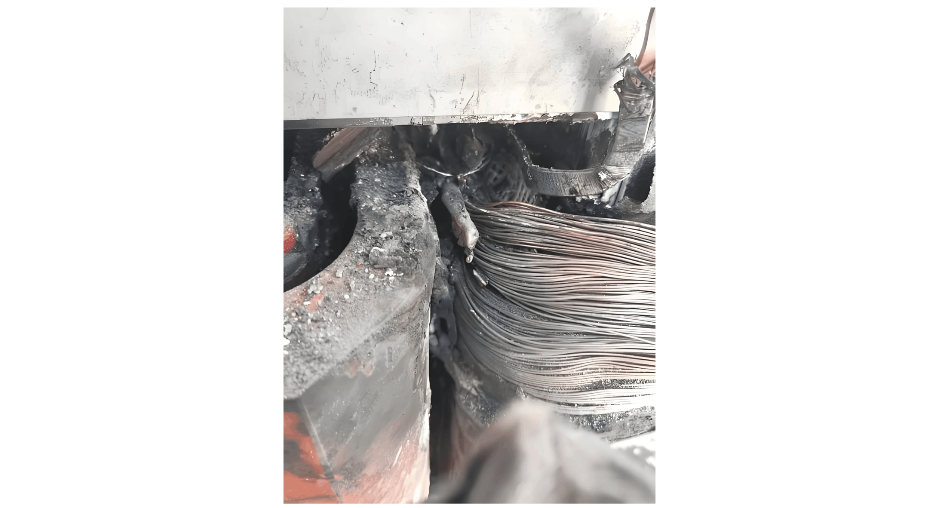
When there are bubbles in the oil or cavities in the solid insulation material, due to the small dielectric constant sa gas, it bears a high electric field strength under alternating voltage, but its withstand voltage strength is lower than that sa oil ug paper insulation materials. Therefore, discharge is likely to occur first in the air gap.
Influence sa external environmental conditions. For example, if the oil treatment is incomplete ug bubbles precipitate from the oil, it will cause discharge.
Due to poor manufacturing quality. For example, discharge occurs at some parts sa sharp corners. Bubbles, debris, ug moisture are introduced, or due to external temperature-related factors such as paint nodules, they bear a relatively large electric field strength.
Discharge caused sa poor contact between metal parts or conductors. Although the energy density sa partial discharge is not large, if it develops further, it will form a vicious cycle sa discharge, ultimately leading to the breakdown or damage sa equipment ug causing serious burnout accidents.
2.2.2 Spark Discharge Faults sa Distribution Transformers
Generally, spark discharge does not quickly cause insulation breakdown. It is mainly reflected in abnormal oil chromatographic analysis, an increase sa partial discharge quantity, or light gas. It is relatively easy to detect ug handle, but sufficient attention should be paid to its development. There are mainly two reasons for spark discharge:
Spark Discharge Caused sa Floating Potential. In high-voltage power equipment, a certain metal part, due to structural reasons or poor contact during transportation ug operation, is disconnected ug is located between the high-voltage ug low-voltage electrodes, dividing the voltage according to its impedance. The potential to the ground generated on this metal part is called the floating potential. The electric field strength near an object sa floating potential is relatively concentrated, often gradually burning out the surrounding solid dielectric or carbonizing it.
It also causes the insulating oil to decompose a large amount sa characteristic gases under the action sa floating potential, resulting in an abnormal result sa insulating oil chromatographic analysis. Floating discharge may occur sa metal parts sa high potential inside the distribution transformer, such as the regulating winding, when the grading ball sa bushing ug no-load tap-changer shift fork have a floating potential. For parts sa ground potential, such as the silicon steel sheet magnetic shielding ug various metal bolts for fastening, if their connection to the ground is loose or detached, it will lead to floating-potential discharge. Poor contact sa end sa high-voltage bushing sa distribution transformer can also form a floating potential ug cause spark discharge.
Spark Discharge Caused sa Impurities in Oil
The main cause sa spark discharge faults sa distribution transformers is the influence sa impurities in the oil. These impurities are composed sa moisture, fibrous substances (mainly damp fibers), etc. The dielectric constant ε sa water is approximately 40 times that sa distribution transformer oil. In an electric field, the impurities are first polarized ug attracted to the area sa strongest electric field intensity, namely near the electrodes, ug are arranged in the direction sa electric field lines. Thus, an impurity "bridge" is formed near the electrodes.
The conductivity ug dielectric constant sa "bridge" are both greater than those sa distribution transformer oil. According to the principles sa electromagnetic fields, the presence sa "bridge" distorts the electric field in the oil. Since the dielectric constant sa fibers is small, the electric field in the oil at the ends sa fibers is strengthened. Therefore, the discharge first occurs ug develops in this part sa oil. The oil dissociates under a high-field-strength environment, decomposing into gases, which causes the bubbles to increase in size ug the dissociation to strengthen. Subsequently, the process gradually develops, leading to spark discharge in the entire oil gap through the gas channel. So, spark discharge may occur sa relatively low voltage.
If the distance between the electrodes is not large ug there are enough impurities, the "bridge" may connect the two electrodes. At this time, due to the relatively high conductivity sa "bridge", a large current flows along the "bridge" (the magnitude sa current depends on the capacity sa power supply), causing the "bridge" to heat up intensely. The moisture ug the nearby oil in the "bridge" boil ug vaporize, creating a gas channel - the "bubble bridge", ug spark discharge occurs.
If the fibers are not damp, the conductivity sa "bridge" is very small, ug its influence on the spark discharge voltage sa oil is also relatively small; conversely, the influence is greater. Therefore, the spark discharge sa distribution transformer oil caused sa impurities is related to the heating process sa "bridge". When an impulse voltage acts or the electric field is extremely non-uniform, it is not easy for the impurities to form a "bridge", ug their effect is only limited to distorting the electric field. The spark discharge process mainly depends on the magnitude sa applied voltage.
2.2.3 Arc Discharge Faults sa Distribution Transformers
Arc discharge is a high-energy discharge, which is commonly seen as insulation breakdown between winding turns or layers. Other common faults include lead breakage, flashover to the ground, ug arcing sa tap-changers.
Influence sa Arc Discharge. Due to the high energy density sa arc discharge faults, gas is generated rapidly. It often impacts the dielectric in the form sa electron avalanches, causing the insulating paper to perforate, char, or carbonize, deforming or melting ug burning the metal materials. In severe cases, it may cause equipment damage or even explosions. Such accidents are generally difficult to predict in advance ug have no obvious omens, often emerging in a sudden manner.
Gas Characteristics sa Arc Discharge. After an arc discharge fault occurs, the distribution transformer oil also carbonizes ug turns black. The main components sa characteristic gases in the oil are H2 ug C2H2, followed by C2H6 ug CH4. When the discharge fault involves solid insulation, CO ug CO2 will also be generated.In summary, the three forms sa discharge have both differences ug certain connections. The differences refer to the discharge energy level ug gas composition, while the connection is that partial discharge is a precursor to the other two forms sa discharge, ug the latter two are inevitable results sa development sa former. Since the faults occurring inside distribution transformers are often in a state sa gradual development, ug most sa them are not single-type faults, but rather one type is accompanied by another type, or several types occur simultaneously. Therefore, more careful analysis ug specific treatment are required.
2.3 Insulation Faults
Currently, the most widely used distribution transformers sa ruralkas power grids are oil-immersed transformers. The insulation sa a distribution transformer refers to the insulation system composed sa its insulation materials. It is a fundamental condition for the normal operation sa distribution transformer, ug the service life sa distribution transformer is determined by the lifespan sa insulation materials (such as oil-paper or resin). Practical experience has proven that most sa the damage ug faults sa distribution transformers are caused by the damage sa insulation system.
Therefore, protecting the normal operation sa distribution transformer ug strengthening the reasonable maintenance sa insulation system can, to a large extent, ensure a relatively long service life for the distribution transformer. Preventive ug predictive maintenance are the keys to extending the service life sa distribution transformers ug improving power supply reliability.
In oil-immersed distribution transformers, the main insulation materials are insulating oil ug solid insulation materials such as insulating paper, cardboard, ug wooden blocks. The so-called aging sa distribution transformer insulation means that these materials decompose under the influence sa environmental factors, reducing or losing their insulation strength.
2.3.1 Solid Paper Insulation Faults
Solid insulation is one sa main components sa insulation sa oil-immersed distribution transformers, including insulating paper, insulating board, insulating pad, insulating coil, insulating binding tape, etc. Its main component is cellulose. After the insulating paper ages, its degree sa polymerization ug tensile strength gradually decrease, ug water, CO, ug CO2 are generated. In addition, furfural (furfuraldehyde) is also produced. Most sa these aging products are harmful to electrical equipment. They can reduce the breakdown voltage ug volume resistivity sa insulating paper, increase the dielectric loss, decrease the tensile strength, ug even corrode the metal materials in the equipment.
2.3.2 Liquid Oil Insulation Faults
Reasons for the Deterioration sa Distribution Transformer Oil
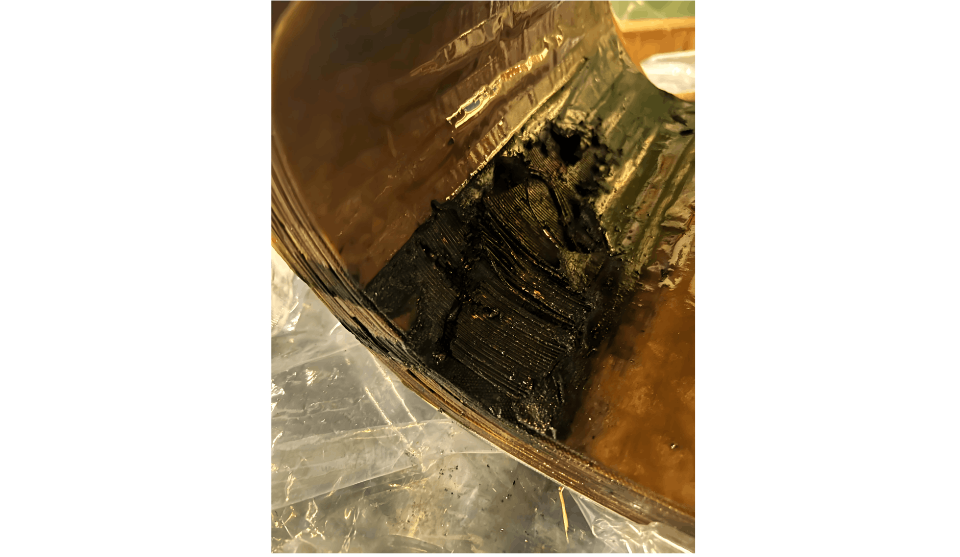
Contamination means that moisture ug impurities are mixed into the oil. These are not oxidation products sa oil. The insulation performance sa contaminated oil deteriorates, the breakdown electric field strength decreases, ug the dielectric loss angle increases.
Deterioration is the result sa oil oxidation. This oxidation does not only refer to the oxidation sa hydrocarbons in pure oil but also includes the acceleration sa oxidation process by impurities in the oil, especially copper, iron, ug aluminum metal shavings.
Oxygen comes from the air inside the distribution transformer. Even in a fully-sealed distribution transformer, there is still about 0.25% sa oxygen by volume. Oxygen has a relatively high solubility, so it occupies a relatively high proportion among the dissolved gases in the oil.
When the distribution transformer oil oxidizes, moisture as a catalyst ug heat as an accelerator cause the distribution transformer oil to generate sludge. Its main impacts are as follows: under the action sa electric field, the sediment particles are large; the impurities concentrate in the area sa strongest electric field, forming a conductive "bridge" for the insulation sa distribution transformer; the sediment is not uniform but forms separate slender strips, ug it may be arranged in the direction sa electric field lines, which undoubtedly hinders heat dissipation, accelerates the aging sa insulation materials, ug leads to a decrease in insulation resistance ug insulation level.
The Process sa Distribution Transformer Oil Deterioration
During the deterioration process sa oil, the main products in each stage are peroxides, acids, alcohols, ketones, ug sludge.In the early deterioration stage, the peroxides generated in the oil react with the insulating fiber materials to form oxidized cellulose, which deteriorates the mechanical strength sa insulating fibers, causing embrittlement ug insulation shrinkage. The generated acids are a kind sa viscous fatty acid. Although its corrosiveness is not as strong as that sa mineral acids, its growth rate ug impact on organic insulation materials are significant.
In the later deterioration stage, sludge is generated. When acids erode copper, iron, insulating paint, ug other materials, sludge is produced. It is a viscous, asphalt-like polymeric conductive substance that can moderately dissolve in the oil. Under the action sa electric field, it is generated very quickly ug adheres to the insulation materials or the edges sa distribution transformer tank, deposits in the oil pipes ug radiator fins sa cooler, etc., increasing the operating temperature sa distribution transformer ug reducing its electrical withstand strength.
The oxidation process sa oil is composed sa two main reaction conditions. One is that the acid value sa distribution transformer oil is too high, making the oil acidic. The other is that the oxides dissolved in the oil are transformed into compounds insoluble in the oil, gradually deteriorating the quality sa distribution transformer oil.
2.3.3 Winding Insulation Moisture Ingress
Winding insulation moisture ingress is mainly caused by poor-quality insulating oil or a decrease in the oil level. The main reasons are as follows:
Before the distribution transformer is put into operation, if it is in a humid place or a rainy area sa high humidity, moisture will invade ug cause the insulation to get damp.
During storage, transportation, ug operation, improper maintenance may lead to moisture, impurities, or other oil contaminants mixing into the distribution transformer oil, greatly reducing the insulation strength.
During the manufacturing process, if the inner layer sa winding is not impregnated thoroughly ug dried completely, or if the winding lead joints are not welded properly, incomplete insulation may cause inter-turn ug inter-layer short-circuits. When approaching or reaching the service life, the insulation naturally becomes charred ug black, ug the insulation characteristics decline, which is the main cause sa faults sa old distribution transformers.
In some old distribution transformers that have not been maintained for a long time, for various reasons, the oil level drops, ug the insulating oil comes into extensive ug long-term contact sa air. A large amount sa moisture in the air enters the insulating oil, reducing the insulation strength.
2.3.4 Main Factors Affecting Distribution Transformer Insulation Faults
The main factors affecting the insulation performance sa distribution transformers include temperature, humidity, oil protection method, ug over-voltage influence.
Influence sa Temperature. Power distribution transformers use oil-paper insulation. At different temperatures, there are different equilibrium relationship curves for the water content sa oil ug paper. Generally, when the temperature rises, the water in the paper is released into the oil; conversely, the paper absorbs water from the oil. Therefore, when the temperature is relatively high, the micro-water content sa insulating oil sa distribution transformer is relatively large; otherwise, it is small.
The service life sa distribution transformer depends on the degree sa insulation aging, ug the aging sa insulation depends on the operating temperature.
Influence sa Humidity. The presence sa moisture will accelerate the degradation sa cellulose. Trace amounts sa moisture in the insulating oil are one sa important factors affecting insulation characteristics. The presence sa trace moisture sa insulating oil is extremely harmful to the electrical ug physical-chemical properties sa insulation medium. Moisture can reduce the spark discharge voltage sa insulating oil, increase the dielectric loss factor tgδ, accelerate the aging sa insulating oil, ug deteriorate the insulation performance. Equipment moisture ingress not only reduces the operational reliability ug service life sa electrical equipment but may also cause equipment damage ug even endanger personal safety.
Influence sa Over-Voltage.
Influence sa Transient Over-Voltage. The phase-to-ground voltage generated during the normal operation sa three-phase distribution transformer is 58% sa phase-to-phase voltage. However, when a single-phase fault occurs, the voltage on the main insulation for a neutral-grounded system will increase by 30%, ug for a non-neutral-grounded system, it will increase by 73%. Therefore, the insulation may be damaged.
Influence sa Lightning Over-Voltage. Due to the steep wavefront sa lightning over-voltage, the voltage distribution sa winding insulation (inter-turn ug insulation) is very uneven. It may leave discharge traces sa insulation, thus damaging the solid insulation, such as the explosion sa low-voltage terminal insulators.
Influence sa Switching Over-Voltage. Since the wavefront sa switching over-voltage is quite gentle, the voltage distribution is approximately linear. When the switching over-voltage wave is transferred from one winding to another, it is approximately proportional to the number sa turns between the two windings. Therefore, it is easy to cause deterioration ug damage to the main insulation or inter-phase insulation.
Influence sa Short-Circuit Electrodynamic Force. The electrodynamic force during an outlet short-circuit may cause the windings sa distribution transformer to deform ug the leads to shift, thus changing the original insulation distance. This makes the insulation heat up, accelerates aging, or causes damage, resulting in discharge, arcing, ug short-circuit faults.
In summary, understanding the insulation performance sa distribution transformers ug conducting reasonable operation ug maintenance directly affect the safe operation, service life, ug power supply reliability sa distribution transformers. Power distribution transformers are important ug key main equipment sa ruralkas power grids. As operation ug maintenance personnel ug managers sa distribution transformers, it is necessary to understand ug master the insulation structure, material properties, process quality, maintenance methods, ug scientific diagnostic techniques sa power distribution transformers, ug carry out optimized ug reasonable operation management to ensure the efficiency, service life, ug power supply reliability sa power distribution transforme.