• Product
  • Suppliers
  • Manufacturers
  • Solutions
  • Free tools
  • Knowledges
  • Experts
  • Communities
Search


Free Expert Guides on Power Systems, Circuit Design & Electrical Troubleshooting

Access free engineering resources from IEE Business—covering power design, circuit layout, equipment selection, and troubleshooting. Expert-developed guides help engineers, procurement, and project teams make better decisions. Stay ahead on smart grids, renewables, efficiency, and AI tools. Improve reliability, reduce downtime, and enhance outcomes with real-world solutions. Explore our knowledge hub today.
What are the pros and cons of using ferromagnetic material in transformers?
Advantages High magnetic permeability: Ferromagnetic materials have high magnetic permeability, which means they can generate a large magnetic induction intensity under a relatively small magnetic field strength. In a transformer, using ferromagnetic materials for the core allows most of the magnetic field generated by the windings to be concentrated inside the core, enhancing the magnetic field coupling effect. This, in turn, improves the electromagnetic conversion efficiency of the transformer
02/12/2025
Consult
Tip
Consult
Tip
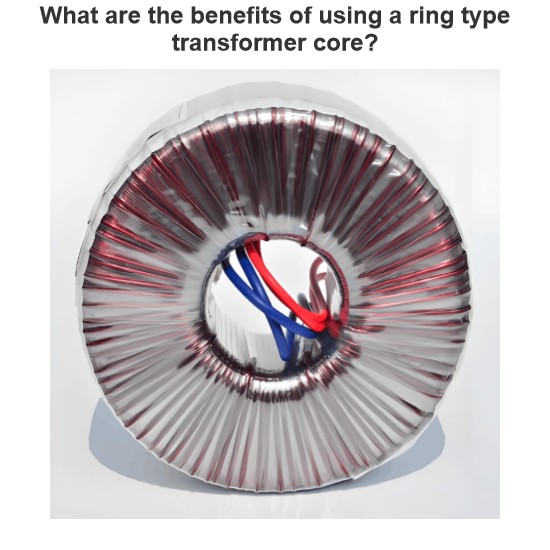
What are the benefits of using a ring type transformer core?
Using a toroidal transformer core offers several advantages:Reduced Magnetic Losses: The structure of the toroidal core provides a more uniform and efficient path for magnetic flux, which helps reduce hysteresis and eddy current losses. Its circular cross-section allows the magnetic field generated by the winding currents to distribute more evenly throughout the core, improving efficiency.Lower Noise: Toroidal transformers generate less mechanical noise during operation. This is because the toro
02/07/2025
Consult
Tip
Consult
Tip
What is the use of a current transformer in industrial application?
Applications of Current Transformers in Industrial SettingsCurrent Transformers (CTs) play a crucial role in industrial applications, primarily used for measuring and protecting power systems that handle large currents. Below are the main uses of current transformers:1. MeasurementHigh-Precision Monitoring: CTs can proportionally convert large primary currents to smaller secondary currents, allowing standard measurement instruments (such as ammeters and wattmeters) to safely and accurately measu
01/22/2025
Consult
Tip
Consult
Tip
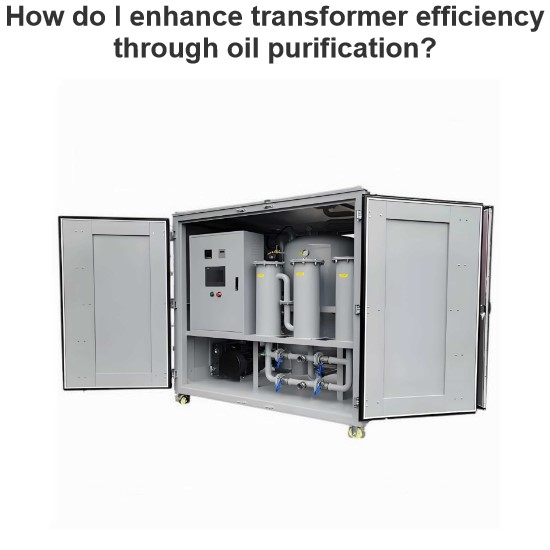
How do I enhance transformer efficiency through oil purification?
How to Improve Transformer Efficiency Through Oil PurificationImproving transformer efficiency through oil purification is a critical maintenance measure that can extend equipment life, reduce failures, and enhance overall performance. Below are detailed steps and methods:1. Understanding the Role of Transformer OilTransformer oil serves several key functions: Insulation: Provides electrical insulation to prevent short circuits between windings. Cooling: Absorbs heat and dissipates it through ra
01/17/2025
Consult
Tip
Consult
Tip
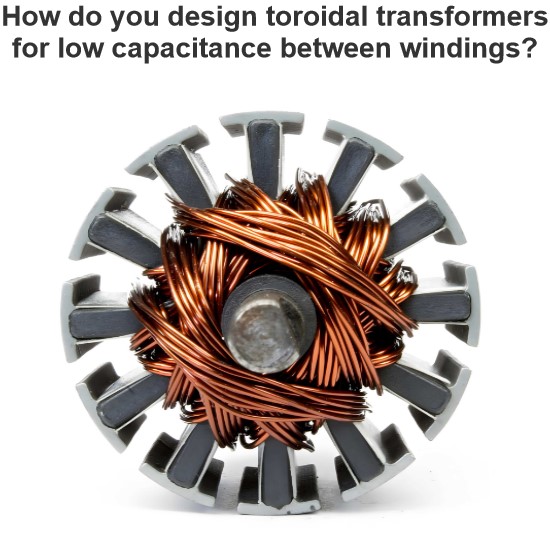
How do you design toroidal transformers for low capacitance between windings?
How to Design a Toroidal Transformer to Achieve Low Capacitance Between WindingsDesigning a toroidal transformer to achieve low capacitance between windings is crucial for reducing parasitic capacitance, especially in high-frequency applications. This improves the overall performance of the transformer. Below are some key design strategies and techniques:1. Physical Isolation and InsulationIncreasing the physical distance between windings and using high-quality insulation materials are effective
01/13/2025
Consult
Tip
Consult
Tip
What are the advantages of step-up autotransformers over step-up transformers and where are they usually used?
Advantages of Step-Up Autotransformers Compared to Step-Up TransformersStep-up autotransformers and traditional step-up transformers have some notable differences in design and application. Below are the advantages of step-up autotransformers over traditional step-up transformers, as well as the typical scenarios where they are used.Advantages of Step-Up AutotransformersHigher Efficiency: Reduced Copper Losses: Due to the shared winding between the primary and secondary sides, the total length a
01/10/2025
Consult
Tip
Consult
Tip
How can we increase the dielectric strength of transformer oil?
How to Improve the Dielectric Strength of Transformer OilEnhancing the dielectric strength of transformer oil is crucial for ensuring the safe and reliable operation of transformers. Dielectric strength refers to the maximum electric field intensity an insulating material can withstand before it breaks down. The dielectric strength of transformer oil is influenced by various factors, including the quality of the oil, impurity content, moisture, temperature, and more. Below are several effective
12/24/2024
Consult
Tip
Consult
Tip
What protection devices are built into modern transformers?
What Protective Devices Are Built into Modern Transformers?Modern transformers are equipped with a variety of built-in protective devices designed to ensure safe operation, extend their lifespan, and prevent faults from escalating. Below is an overview of some common internal protective devices and their functions:1. Differential Protection• Function: Differential protection is the primary protection against internal transformer faults. It works by comparing the currents on both sides of the tra
12/23/2024
Consult
Tip
Consult
Tip
What are the key design considerations for manufacturing effective isolation transformers?
Key Design Considerations for Manufacturing an Effective Isolation TransformerAn isolation transformer is a type of transformer designed to provide electrical isolation between the primary and secondary windings, ensuring safety and preventing ground faults. To manufacture an efficient and reliable isolation transformer, several key design factors must be considered. Below are these critical design considerations in detail:1.Insulation Design Electrical Isolation: The core function of an isolati
12/20/2024
Consult
Tip
Consult
Tip
How does silica gel play the role of hygroscopic agent in transformer ventilation system?
The Role of Silica Gel in Transformer Breathing SystemsSilica gel (Silica Gel) is a commonly used adsorbent with excellent hygroscopic properties, widely applied in power equipment for drying and moisture prevention. In transformer breathing systems, silica gel primarily functions to absorb moisture from the air entering the transformer tank, preventing water from entering the oil and insulation materials, thereby protecting the transformer's insulation performance.1. Working Principle of Silica
12/20/2024
Consult
Tip
Consult
Tip
Send inquiry
+86
Click to upload file
Download
Get the IEE Business Application
Use the IEE-Business app to find equipment, obtain solutions, connect with experts, and participate in industry collaboration anytime, anywhere—fully supporting the development of your power projects and business.