• Product
  • Suppliers
  • Manufacturers
  • Solutions
  • Free tools
  • Knowledges
  • Experts
  • Communities
Search


Free Expert Guides on Power Systems, Circuit Design & Electrical Troubleshooting

Access free engineering resources from IEE Business—covering power design, circuit layout, equipment selection, and troubleshooting. Expert-developed guides help engineers, procurement, and project teams make better decisions. Stay ahead on smart grids, renewables, efficiency, and AI tools. Improve reliability, reduce downtime, and enhance outcomes with real-world solutions. Explore our knowledge hub today.
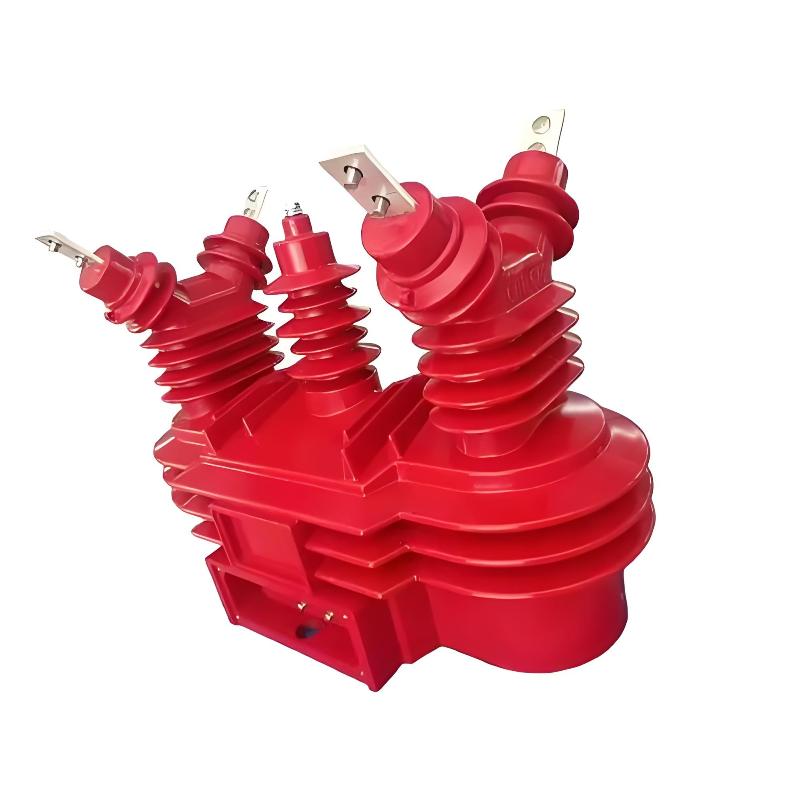
What Are Combined Transformer Standards? Key Specs & Tests
Combined Instrument Transformers: Technical Requirements and Testing Standards Explained with DataA combined instrument transformer integrates a voltage transformer (VT) and a current transformer (CT) into a single unit. Its design and performance are governed by comprehensive standards covering technical specifications, testing procedures, and operational reliability.1. Technical RequirementsRated Voltage:The primary rated voltages include 3kV, 6kV, 10kV, and 35kV, among others. The secondary v
10/23/2025
Consult
Tip
Consult
Tip
Why Upgrade to Maintenance-Free Transformer Breathers?
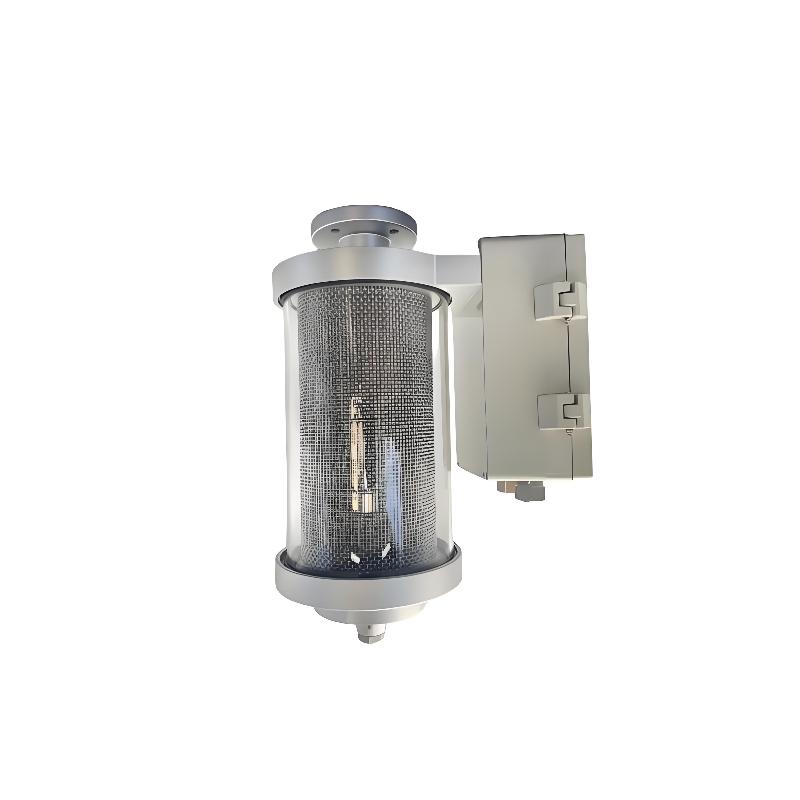
Maintenance-Free Moisture Absorption Technology for Oil-Immersed TransformersIn traditional oil-filled transformers, the temperature control system causes thermal expansion and contraction of insulating oil, requiring the sealing gel chamber to absorb significant moisture from the air above the oil surface. The frequency of manual silica gel replacement during patrols directly impacts equipment safety—delayed replacement can easily lead to oil degradation. Maintenance-free moisture absorbers rev
10/23/2025
Consult
Tip
Consult
Tip
What Is an MVDC Transformer? Key Applications & Benefits Explained
Medium-voltage DC (MVDC) transformers have a wide range of applications in modern industry and power systems. The following are some key application areas for MVDC transformers: Power Systems: MVDC transformers are commonly used in high-voltage direct current (HVDC) transmission systems to convert high-voltage AC into medium-voltage DC, enabling efficient long-distance power transmission. They also contribute to grid stability control and power quality improvement. Industrial Applications: In in
10/23/2025
Consult
Tip
Consult
Tip
How to Improve Rectifier Transformer Efficiency? Key Tips
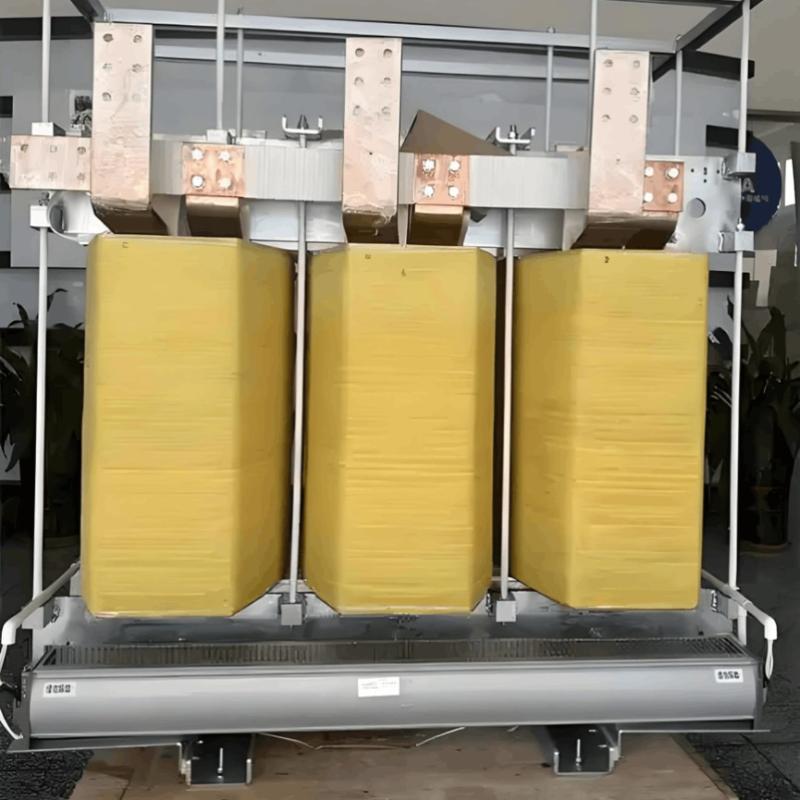
Optimization Measures for Rectifier System EfficiencyRectifier systems involve numerous and diverse equipment, so many factors affect their efficiency. Therefore, a comprehensive approach is essential during design. Increase Transmission Voltage for Rectifier LoadsRectifier installations are high-power AC/DC conversion systems requiring substantial power. Transmission losses directly impact rectifier efficiency. Increasing the transmission voltage appropriately reduces line losses and improves r
10/22/2025
Consult
Tip
Consult
Tip
3D Wound-Core Transformers in China: Technical Trends for Utility Companies
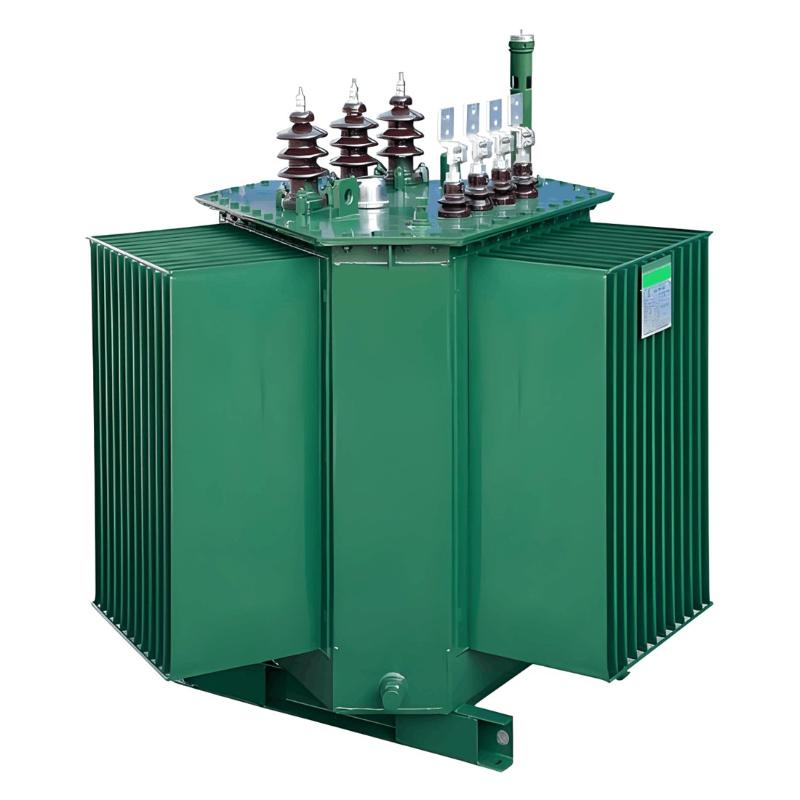
Technical Requirements and Development Trends for Distribution Transformers Low losses, especially low no-load losses; highlighting energy-saving performance. Low noise, particularly during no-load operation, to meet environmental protection standards. Fully sealed designto prevent transformer oil from contacting external air, enabling maintenance-free operation. Integrated protection devices within the tank, achieving miniaturization; reducing transformer size for easier on-site installation. C
10/20/2025
Consult
Tip
Consult
Tip
10 Prohibitions for Transformer Installation and Operation!
10 Prohibitions for Transformer Installation and Operation! Never install the transformer too far away—avoid placing it in remote mountains or wilderness. Excessive distance not only wastes cables and increases line losses, but also makes management and maintenance difficult. Never choose transformer capacity arbitrarily. Selecting the right capacity is essential. If the capacity is too small, the transformer may be overloaded and easily damaged—overloading beyond 30% should not exceed two hours
10/20/2025
Consult
Tip
Consult
Tip
How to Safely Maintain Dry-Type Transformers in India?
Ⅰ.Maintenance Procedures for Dry-Type Transformers in IndiaIn India, with rapid urbanization and continuously growing industrial and commercial power demands, dry-type transformers are widely used in office buildings, data centers, industrial parks, and distribution networks. Due to high ambient temperatures, humidity, and significant dust levels in many regions, regular maintenance is critical to ensuring reliable transformer operation. The following outlines the standard maintenance procedures
10/20/2025
Consult
Tip
Consult
Tip
Understanding Transformer Tap Changer Operation
I. Transformer Operating Tap PositionsIs the number of tap positions on a transformer equal to its number of operating tap positions?In China, on-load tap-changing (OLTC) transformers typically have 17 taps, while off-load tap-changing transformers usually have 5 taps—some may have 3 or 2.Theoretically, the number of tap positions equals the number of available operating positions. During operation, the tap position of an OLTC transformer can be adjusted under load to regulate voltage. However,
10/20/2025
Consult
Tip
Consult
Tip
Transformer Bushings: Function, Types & Installation Guide
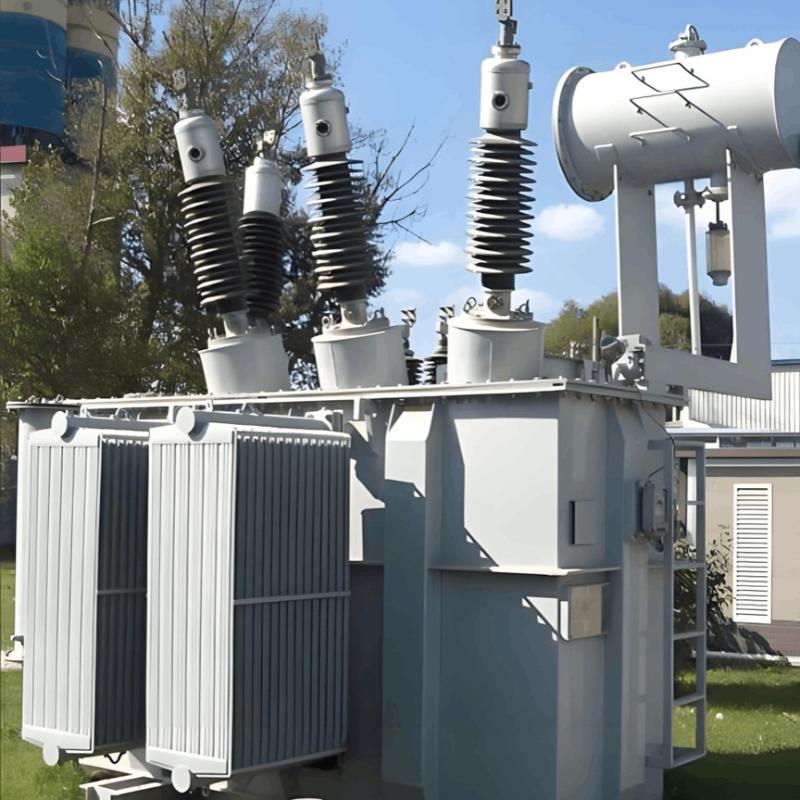
Transformer Bushings: External Insulation and Current-Carrying ComponentsTransformer bushings are the primary external insulation devices mounted on the transformer tank. The leads from the transformer windings must pass through these insulating bushings, which provide insulation between the leads as well as between the leads and the transformer tank, while also serving to mechanically secure the leads.Depending on the voltage level, transformer bushings are available in several types: porcelain
10/20/2025
Consult
Tip
Consult
Tip
How does temperature affect transformer insulation condition and service life?
1. The Hydraulic Transformer: Filling a Critical Gap in Fluid Power TechnologyConventional hydraulic systems consist of a pump, actuators (cylinders or motors), control valves, and auxiliary components—but they have long lacked a functional equivalent to the electrical transformer: the hydraulic transformer. Given the strong analogies between hydraulic and electrical systems—where pressure corresponds to voltage, flow to current, and power transmission principles align closely—the absence of suc
10/20/2025
Consult
Tip
Consult
Tip
Send inquiry
+86
Click to upload file
Download
Get the IEE Business Application
Use the IEE-Business app to find equipment, obtain solutions, connect with experts, and participate in industry collaboration anytime, anywhere—fully supporting the development of your power projects and business.