• Product
  • Suppliers
  • Manufacturers
  • Solutions
  • Free tools
  • Knowledges
  • Experts
  • Communities
Search


Free Expert Guides on Power Systems, Circuit Design & Electrical Troubleshooting

Access free engineering resources from IEE Business—covering power design, circuit layout, equipment selection, and troubleshooting. Expert-developed guides help engineers, procurement, and project teams make better decisions. Stay ahead on smart grids, renewables, efficiency, and AI tools. Improve reliability, reduce downtime, and enhance outcomes with real-world solutions. Explore our knowledge hub today.
What is Megger ?
What is Megger ?Megger DefinitionA megger is defined as a device used to measure the insulation resistance of electrical components and systems, crucial for ensuring operational safety and functionality.Working PrincipleMeggers generate a testing voltage (either via a hand-cranked generator or battery) that creates a torque proportional to voltage and inversely proportional to current, helping measure the electrical resistance.Types of MeggersElectronicAdvantages Level of accuracy is very high.
07/31/2024
Consult
Tip
Consult
Tip
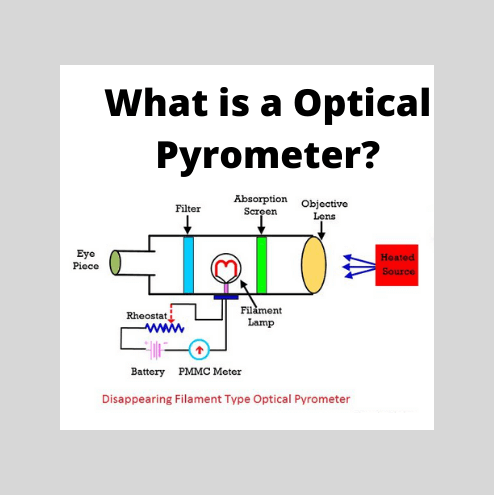
Optical Pyrometer | Construction and Working Principle
The working principle and construction of an Optical Pyrometer are quite simple. We have drawn an experimental model of this type of temperature sensors. It is a measuring instrument that measures temperature of a hot glowing object.The instrument has an illuminated reference, with which the brightness of that of the hot body is matched by controlling the input electric current of the reference.When, the glow of the reference matches with the hot object through an eye piece, that electric curren
03/28/2024
Consult
Tip
Consult
Tip
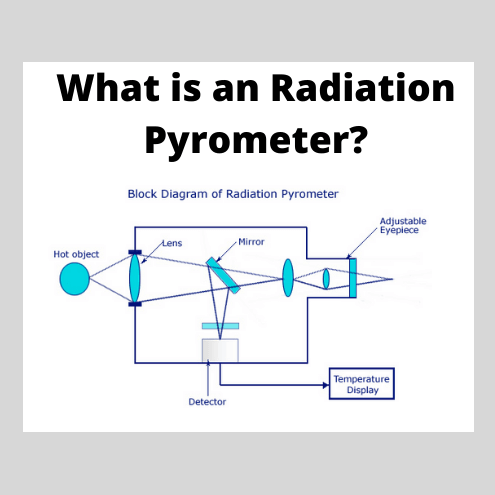
 Radiation Pyrometer: A Non-Contact Temperature Sensor
A radiation pyrometer is a device that measures the temperature of a distant object by detecting the thermal radiation it emits. This type of temperature sensor does not need to touch the object or be in thermal contact with it, unlike other thermometers such as thermocouples and resistance temperature detectors (RTDs). Radiation pyrometers are mainly used for measuring high temperatures above 750°C, where physical contact with the hot object is not possible or desirable.What is a Radiation Pyro
03/28/2024
Consult
Tip
Consult
Tip
Characteristics of Sensors
Sensors are characterized depending on the value of some of the parameters. Important characteristics of sensors and transducers are listed below: Input characteristics Transfer characteristics Output characteristicsInput Characteristics of Sensors Range:It is the minimum and maximum value of physical variable that the sensor can sense or measure. For example, aResistance Temperature Detector(RTD) for the measurement of temperature has a range of -200 to 800oC. Span:It is the difference between
03/28/2024
Consult
Tip
Consult
Tip
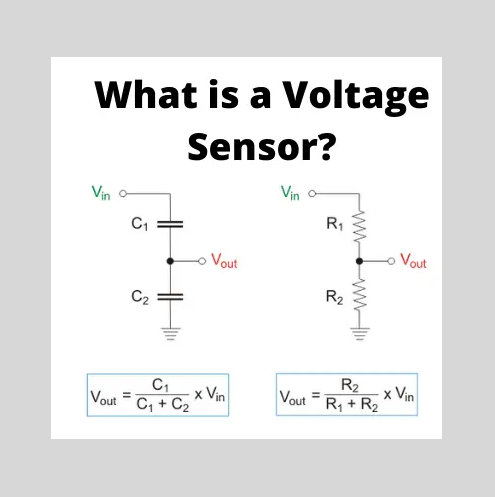
Voltage Sensor: Working Principle, Types & Circuit Diagram
What is a Voltage Sensor?A voltage sensor is a sensor used to calculate and monitor the amount of voltage in an object. Voltage sensors can determine the AC voltage or DC voltage level. The input of this sensor is the voltage, whereas the output is the switches, analog voltage signal, a current signal, or an audible signal.Sensors are devices that can sense or identify and react to certain types of electrical or optical signals. The implementation of a voltage sensor and current sensor technique
03/28/2024
Consult
Tip
Consult
Tip
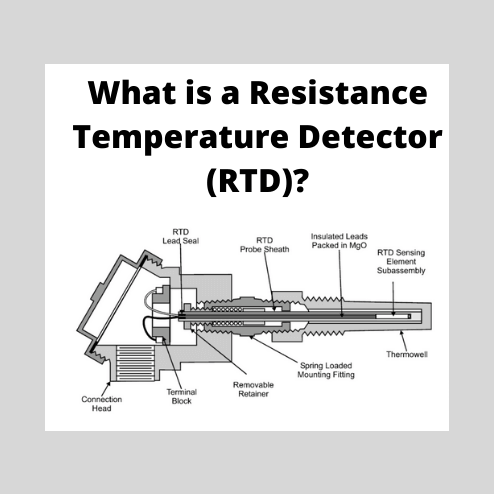
 Resistance Temperature Detector or RTD | Construction and Working Principle
What is an RTD (Resistance Temperature Detector)?A Resistance Temperature Detector (also known as a Resistance Thermometer or RTD) is an electronic device used to determine the temperature by measuring the resistance of an electrical wire. This wire is referred to as a temperature sensor. If we want to measure temperature with high accuracy, an RTD is the ideal solution, as it has good linear characteristics over a wide range of temperatures. Other common electronics devices used to measure temp
03/28/2024
Consult
Tip
Consult
Tip
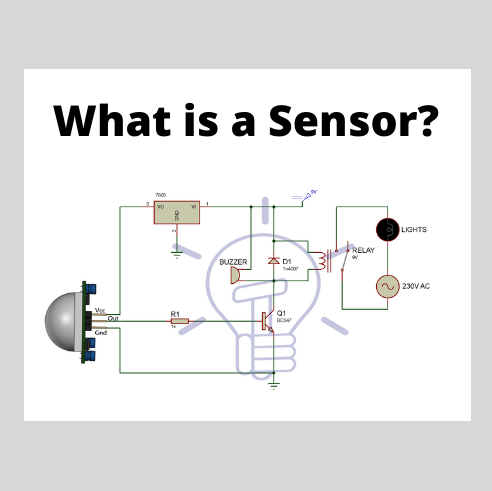
Sensor | Types of Sensor
Let us consider a measurement system. It is composed of an input device which senses the environment or surrounding to generate an output and, a signal processing block which processes the signal from input device and an output device which presents the signal to human or machine operator in a more readable and usable form.The initial stage is input device which is mainly what we are going to discuss in this chapter.SensorA sensor is a device that responds to any change in physical phenomena or
03/28/2024
Consult
Tip
Consult
Tip
Thermistor: Definition, Uses & How They Work
What is a Thermistor?Athermistor(orthermalresistor) is defined as atype of resistorwhoseelectrical resistancevaries with changes in temperature. Although all resistors’ resistance will fluctuate slightly with temperature, a thermistor is particularly sensitive to temperature changes.Thermistors act as a passive component in a circuit. They are an accurate, cheap, and robust way to measure temperature.While thermistors do not work well in extremely hot or cold temperatures, they are the sensor of
03/28/2024
Consult
Tip
Consult
Tip
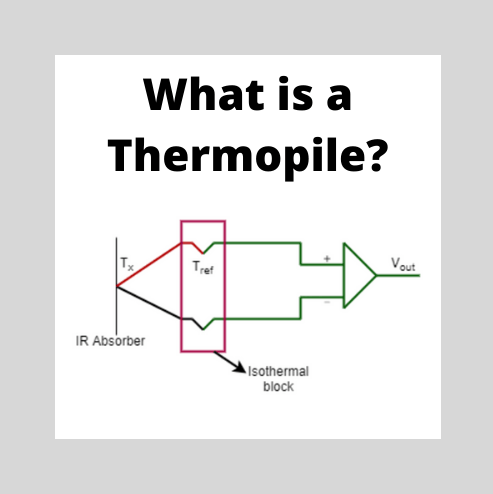
Thermopile: A Device that Converts Heat into Electricity
A thermopile is a device that converts heat into electricity by using the thermoelectric effect.It consists of several thermocouples, which are pairs of wires made of different metals that generate a voltage when exposed to a temperature difference. Thermocouples are connected in series or sometimes in parallel to form a thermopile, which produces a higher voltage output than a single thermocouple. Thermopiles are used for various applications, such as measuring temperature, generating power, an
03/28/2024
Consult
Tip
Consult
Tip
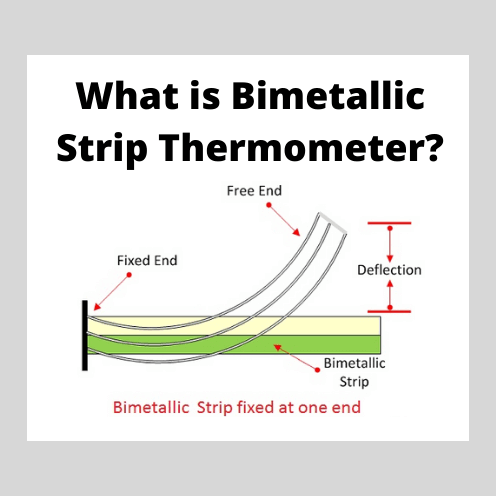
Bimetallic Strip Thermometer: How It Works and Its Applications
What is a Bimetallic Strip Thermometer?A bimetallic strip thermometer is a device that uses the principle of different thermal expansion of solids to measure temperature. It consists of two metal strips (e.g., steel and brass) with different coefficients of thermal expansion, which are firmly joined together along their length. When the bimetallic strip is heated or cooled, it bends or twists due to the unequal expansion or contraction of the two metals. The amount of bending or twisting is prop
03/28/2024
Consult
Tip
Consult
Tip
Send inquiry
+86
Click to upload file
Download
Get the IEE Business Application
Use the IEE-Business app to find equipment, obtain solutions, connect with experts, and participate in industry collaboration anytime, anywhere—fully supporting the development of your power projects and business.