• Product
  • Suppliers
  • Manufacturers
  • Solutions
  • Free tools
  • Knowledges
  • Experts
  • Communities
Search


Free Expert Guides on Power Systems, Circuit Design & Electrical Troubleshooting

Access free engineering resources from IEE Business—covering power design, circuit layout, equipment selection, and troubleshooting. Expert-developed guides help engineers, procurement, and project teams make better decisions. Stay ahead on smart grids, renewables, efficiency, and AI tools. Improve reliability, reduce downtime, and enhance outcomes with real-world solutions. Explore our knowledge hub today.
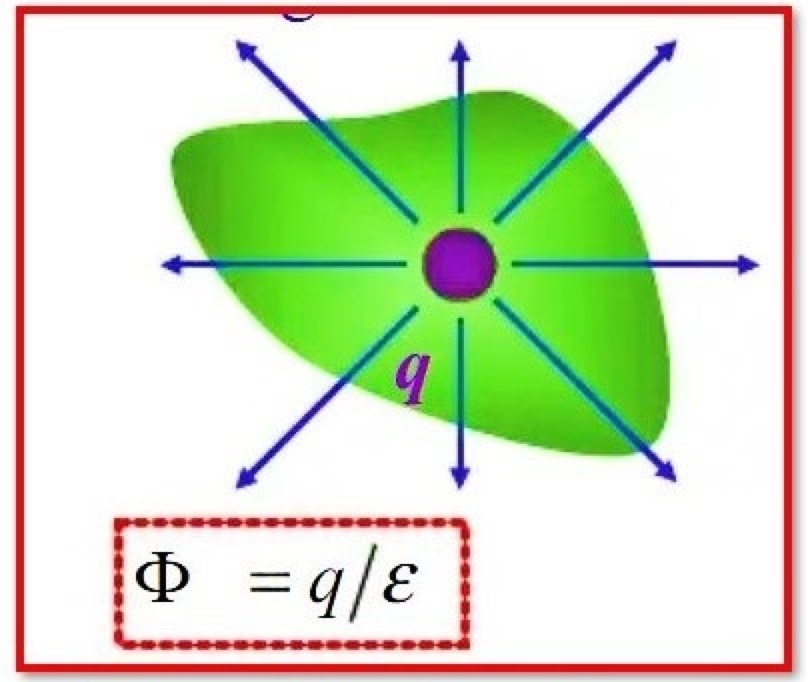
State Gauss’s law
In physics, Gauss’s Law is a fundamental relationship that connects the distribution of electric charge to the resulting electric field. It is a generalization of Coulomb’s Law, which describes the electric force between two-point charges. Gauss’s Law states that the flux of the electric field through any closed surface is equal to the charge enclosed within that surface.Gauss’s law Mathematical Expression:Mathematically, Gauss’s Law can be expressed as:∫E⋅dA = q/εwhere:E – The electric fielddA
03/09/2024
Consult
Tip
Consult
Tip
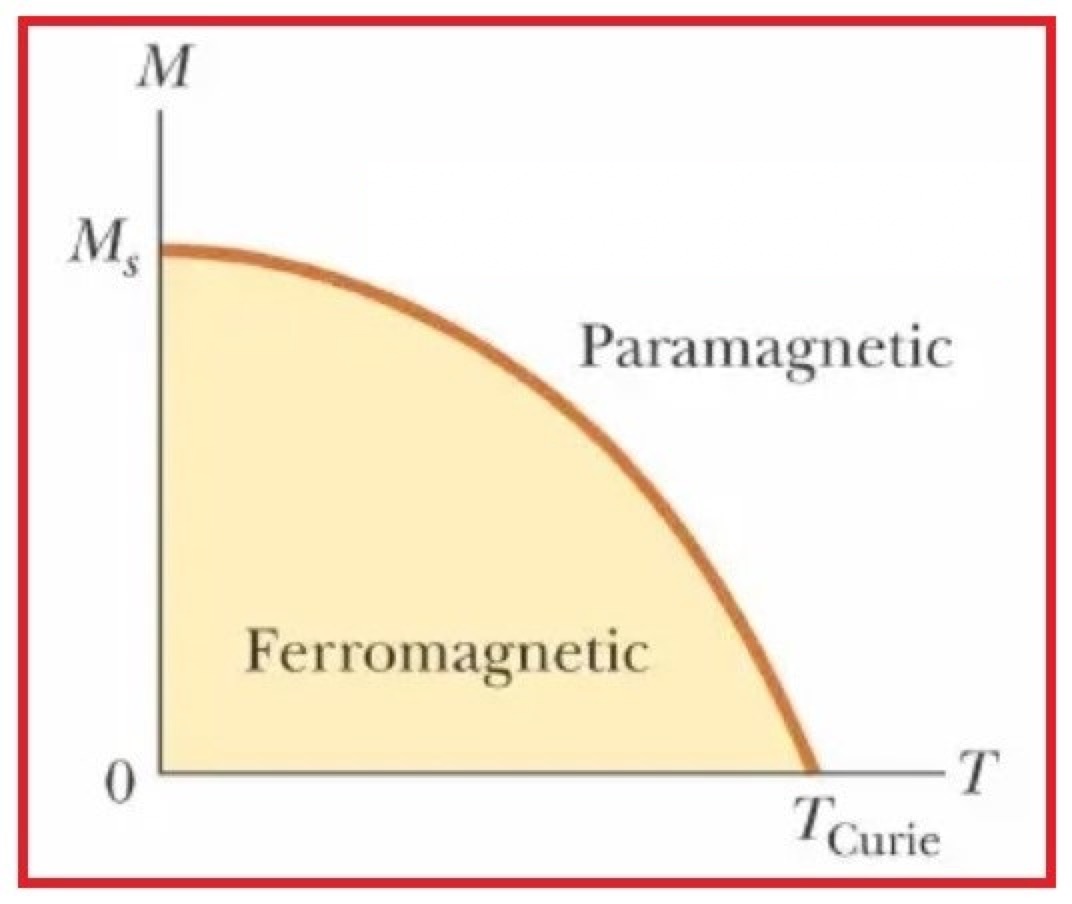
Curie’s Law
Curie’s Law is a relationship in physics that describes the behavior of magnetic materials at different temperatures. It states that the magnetic moment per unit volume of a material is directly proportional to the temperature. The magnetic moment of a material is a measure of the strength of its magnetization.Curie’s Law Expression:Mathematically, Curie’s Law can be expressed as:M/V = C/Twhere:M – The magnetic moment per unit volumeV – The volume of the materialC – A constant of proportionality
03/09/2024
Consult
Tip
Consult
Tip
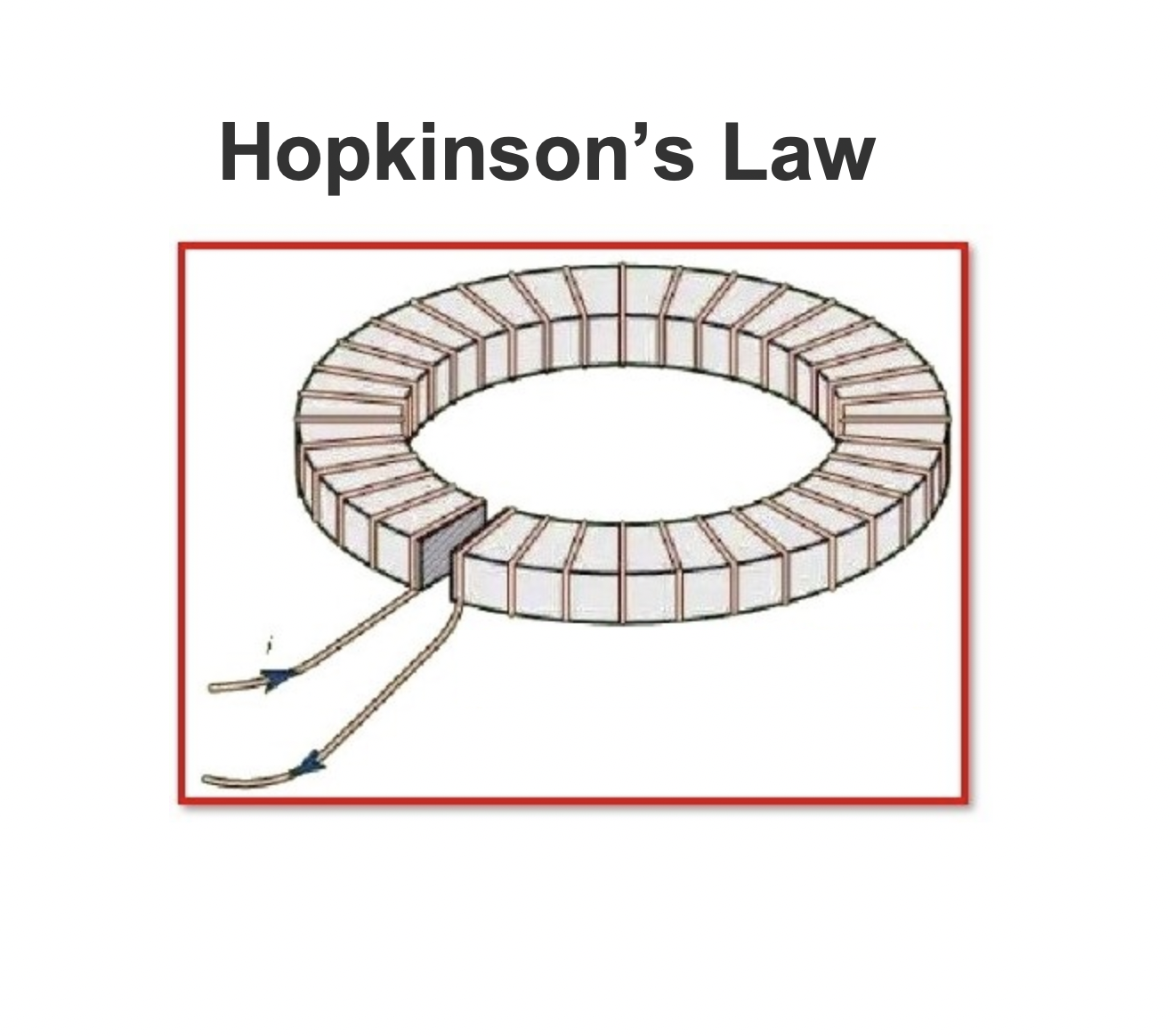
Hopkinson’s Law
Hopkinson’s Law is a relationship in materials science that describes the behavior of materials under high strain rates. It states that the stress of a material is proportional to the strain rate at which it is deformed. Hopkinson’s Law is named after Sir Benjamin Baker Hopkinson, who first proposed it in the early 20th century.Hopkinson’s Law Mathematical Expression:Mathematically, Hopkinson’s Law can be expressed as:σ = k ε̇where:σ – The stress of the materialk – The material’s strength coeffi
03/09/2024
Consult
Tip
Consult
Tip
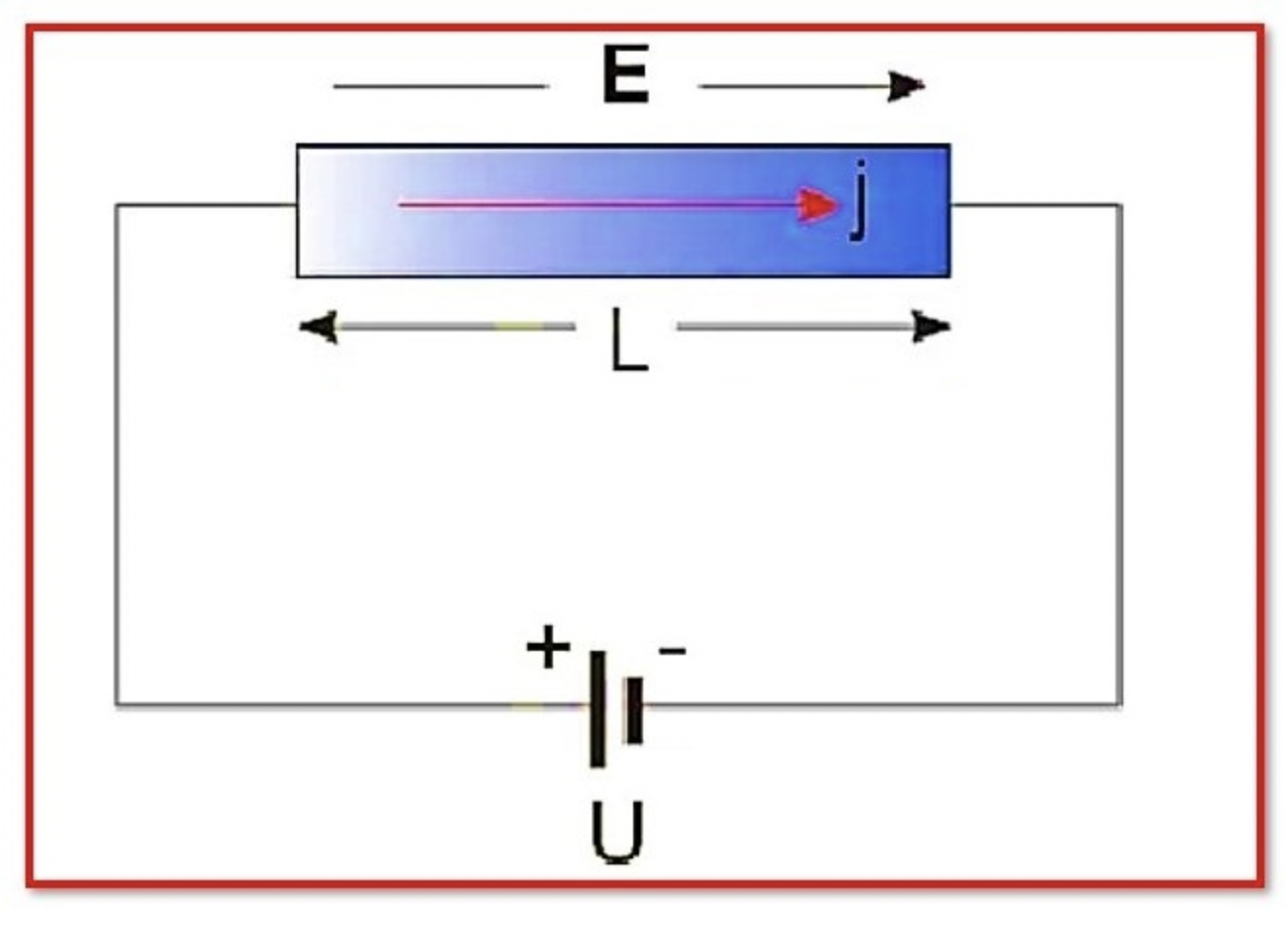
Wiedemann–Franz law
The Wiedemann–Franz law is a relationship in physics that relates the electrical conductivity of a metal to its thermal conductivity. It states that the ratio of the electrical conductivity to the thermal conductivity of a metal is proportional to the temperature and is equal to a constant known as the Lorenz number. The Wiedemann–Franz law is named after German physicists Georg Wiedemann and Robert Franz, who first proposed it in the mid-19th century.Wiedemann–Franz law Derivation:Mathematicall
03/09/2024
Consult
Tip
Consult
Tip
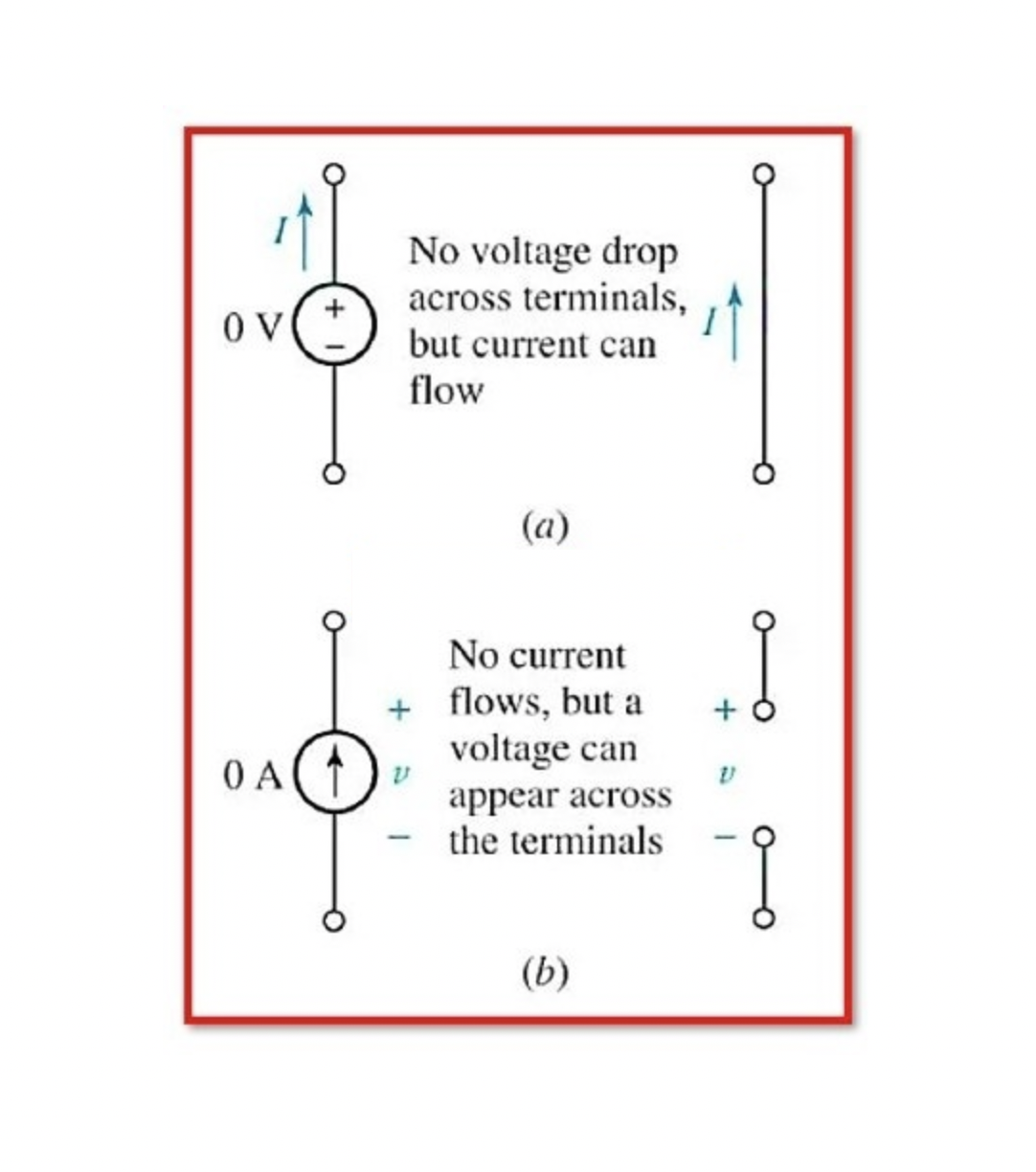
Superposition Theorem
The superposition theorem is a fundamental principle in electrical engineering that states that the response of a linear system to any input can be represented as the sum of the responses to individual inputs. In other words, the output of a linear system to a combination of inputs is equal to the sum of the outputs that would be produced by each input individually.The superposition theorem states that:“In any linear bilateral network with multiple sources, the response (voltage and current) in
03/09/2024
Consult
Tip
Consult
Tip
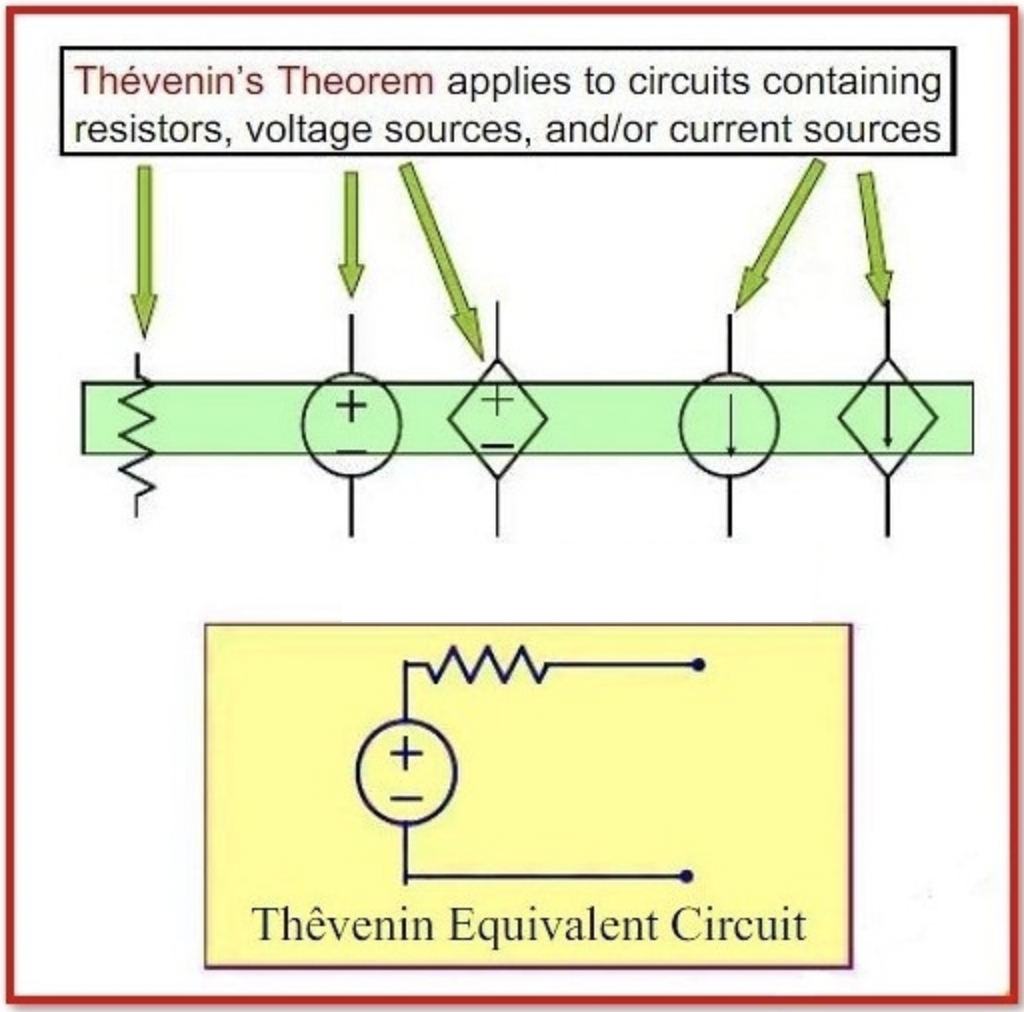
Thevenin’s Theorem
Thevenin’s Theorem is a principle in electrical engineering that allows the complex impedance of an electric circuit to be reduced to a single equivalent impedance. It states that any linear, two-terminal electrical network can be represented by an equivalent circuit consisting of a single voltage source in series with a single impedance. The voltage of the source is the open-circuit voltage of the network, and the impedance is the impedance seen looking into the circuit with the voltage source
03/09/2024
Consult
Tip
Consult
Tip
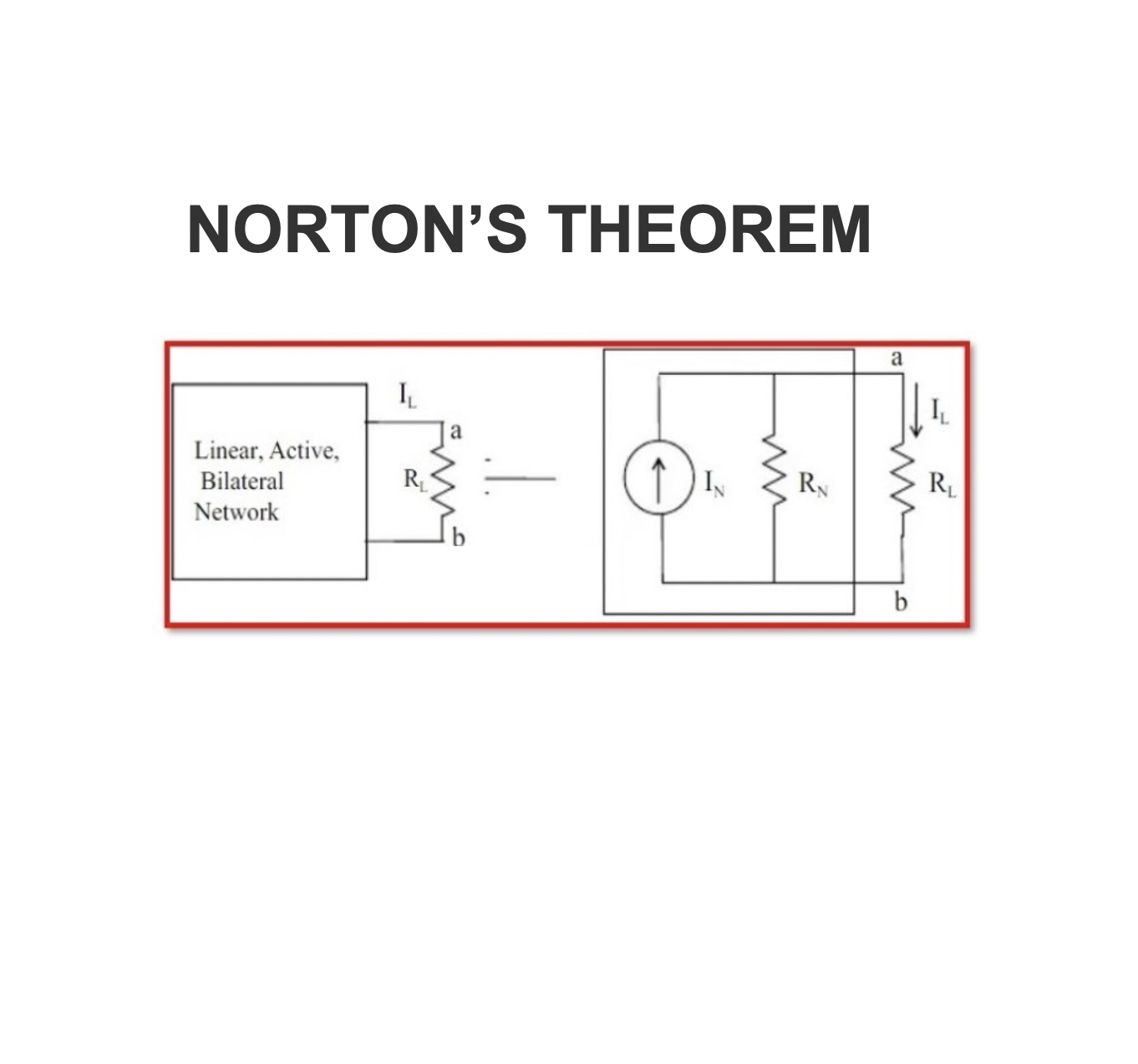
NORTON’S THEOREM
Norton’s Theorem is a principle in electrical engineering that allows the complex impedance of an electric circuit to be reduced to a single equivalent impedance. It states that any linear, two-terminal electrical network can be represented by an equivalent circuit consisting of a single current source in parallel with a single impedance. The current of the source is the short-circuit current of the network, and the impedance is the impedance seen looking into the circuit with the current source
03/09/2024
Consult
Tip
Consult
Tip
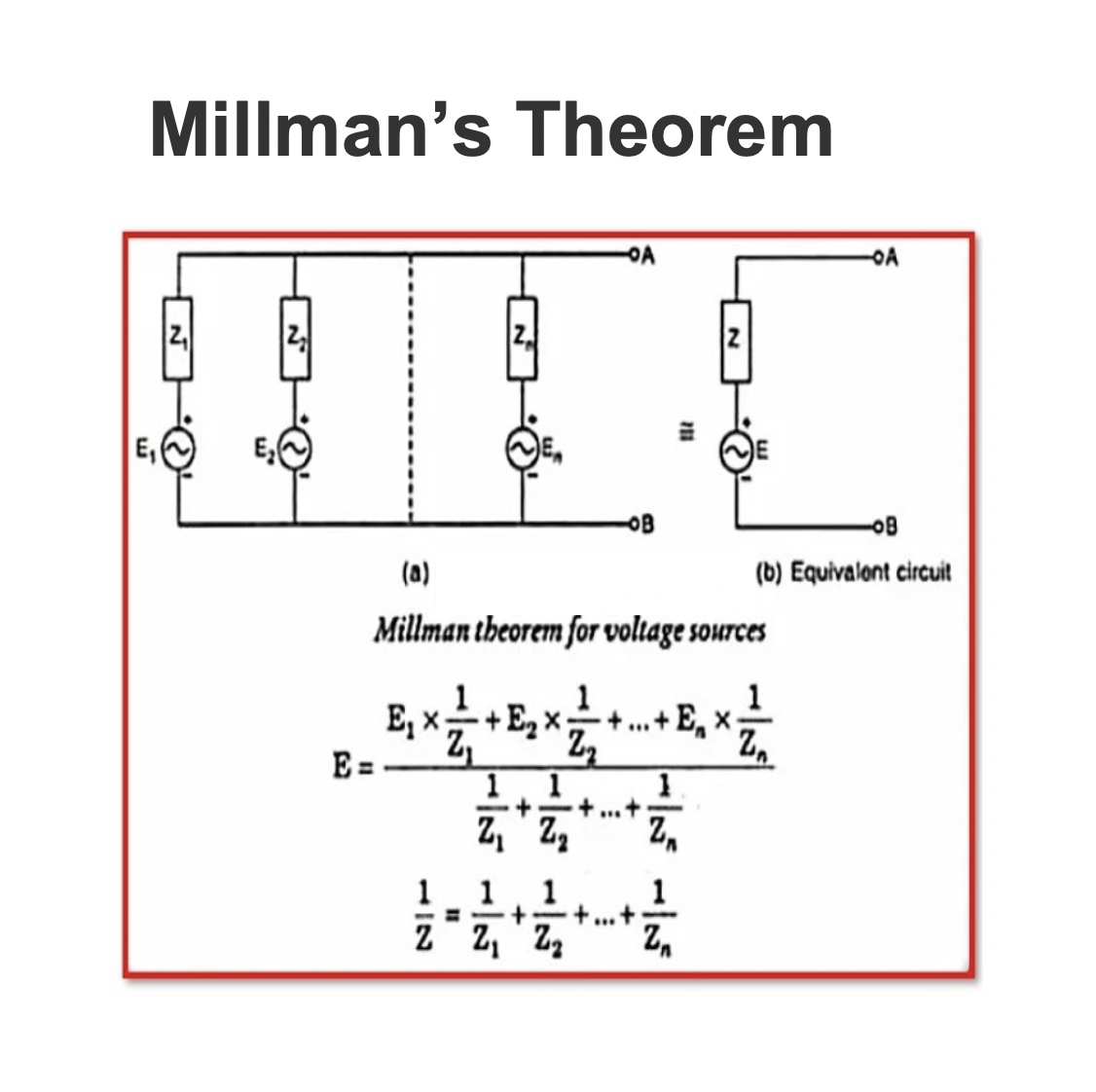
Millman’s Theorem
Millman’s Theorem is a principle in electrical engineering that allows the complex impedance of a series of resistors and voltage sources to be reduced to a single equivalent impedance. It states that any series circuit consisting of a number of resistors and voltage sources can be represented by an equivalent circuit consisting of a single resistor in parallel with a single voltage source. The resistor is the equivalent resistance of the circuit, and the voltage of the source is the equivalent
03/09/2024
Consult
Tip
Consult
Tip
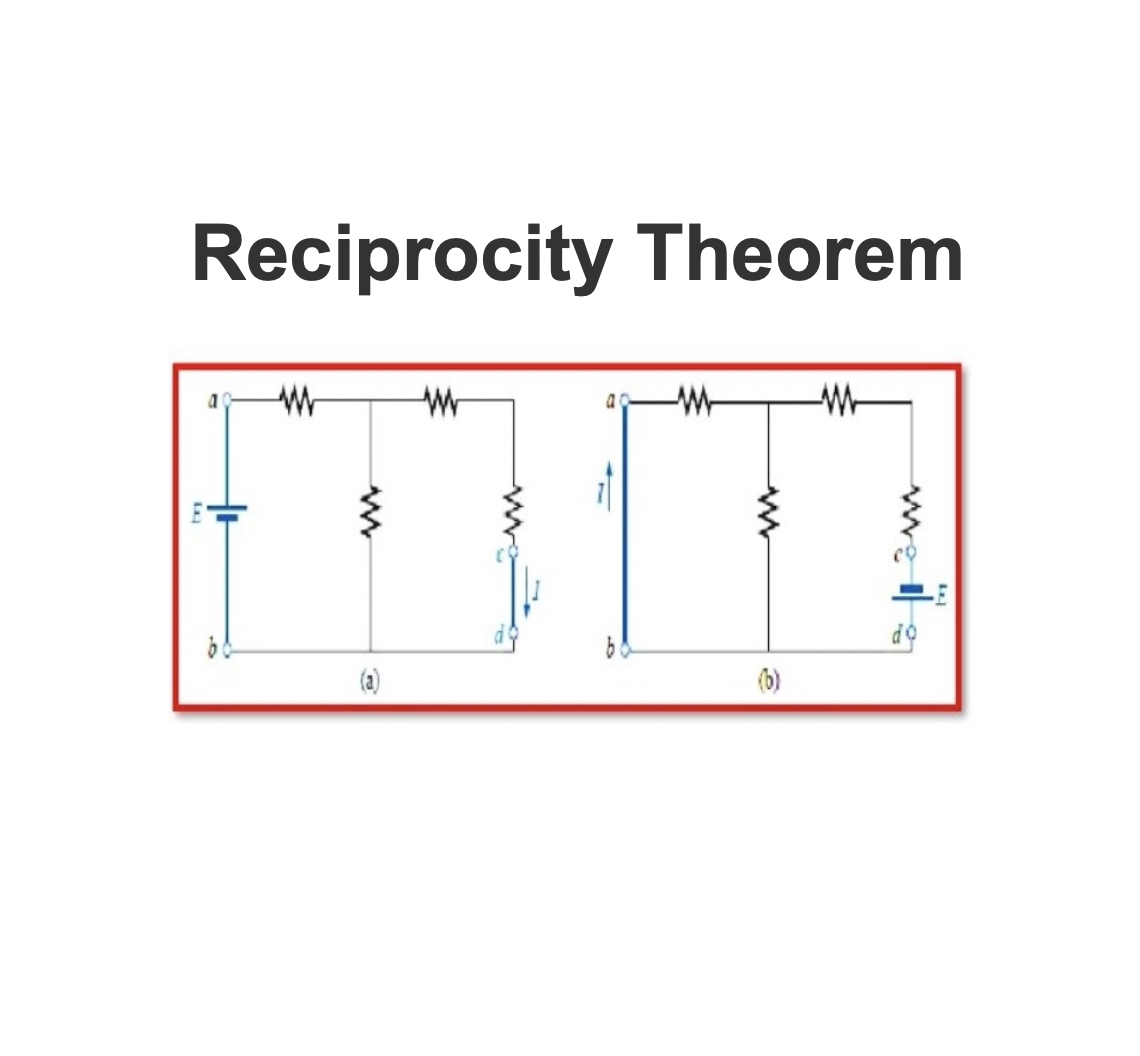
Reciprocity Theorem
The Reciprocity Theorem is a principle in electromagnetics that relates the voltage and current at two points in a linear, passive network. It states that the ratio of the voltage at one point to the current at another point is equal to the ratio of the current at the first point to the voltage at the second point.What is the formula for the reciprocity theorem?Mathematically, the Reciprocity Theorem can be expressed as:V1/I1= V2/I2where:V1– the voltage at the first pointI1– the current at the f
03/09/2024
Consult
Tip
Consult
Tip
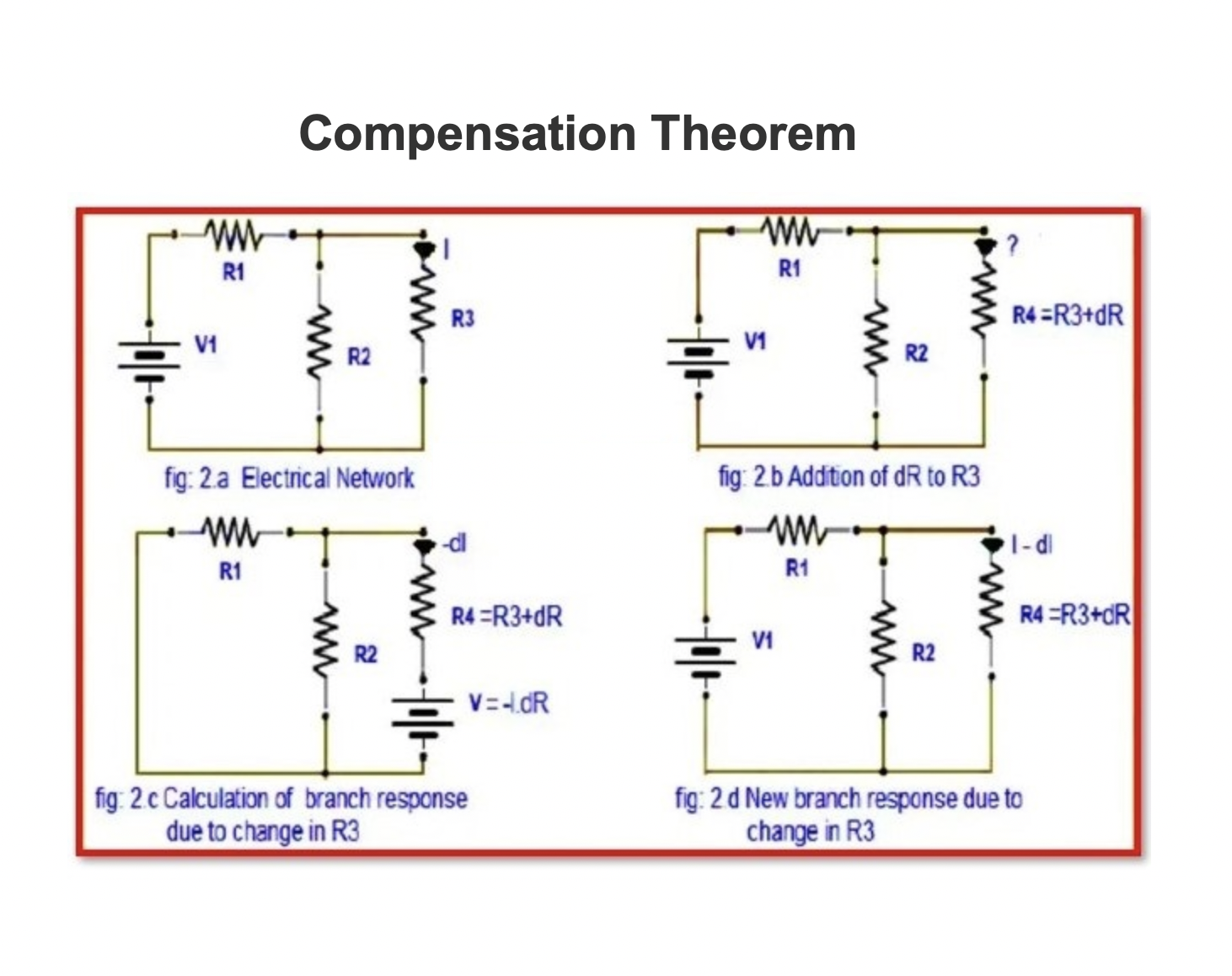
Compensation Theorem
The Compensation Theorem is a principle in electrical engineering that allows the response of a linear, two-port network to be determined based on the response of the network to a single input. It states that the response of a two-port network to any two inputs can be determined by measuring the response of the network to a single input and a zero input.The Compensation Theorem is based on the idea that the response of a linear, two-port network to any two inputs can be represented by a matrix,
03/09/2024
Consult
Tip
Consult
Tip
Send inquiry
+86
Click to upload file
Download
Get the IEE Business Application
Use the IEE-Business app to find equipment, obtain solutions, connect with experts, and participate in industry collaboration anytime, anywhere—fully supporting the development of your power projects and business.