• Product
  • Suppliers
  • Manufacturers
  • Solutions
  • Free tools
  • Knowledges
  • Experts
  • Communities
Search


Free Expert Guides on Power Systems, Circuit Design & Electrical Troubleshooting

Access free engineering resources from IEE Business—covering power design, circuit layout, equipment selection, and troubleshooting. Expert-developed guides help engineers, procurement, and project teams make better decisions. Stay ahead on smart grids, renewables, efficiency, and AI tools. Improve reliability, reduce downtime, and enhance outcomes with real-world solutions. Explore our knowledge hub today.
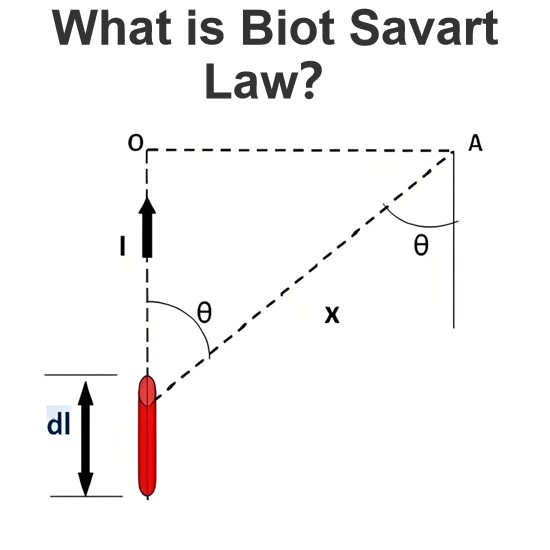
What is Biot Savart Law?
The Biot-Savart Law is employed to determine the magnetic field intensity dHnear a current-carrying conductor. In other words, it describes the relationship between the magnetic field intensity generated by a source current element. This law was formulated in 1820 by Jean-Baptiste Biot and Félix Savart. For a straight wire, the direction of the magnetic field adheres to the right-hand rule. The Biot-Savart Law is also referred to as Laplace’s law or Ampère&rsq
05/20/2025
Consult
Tip
Consult
Tip
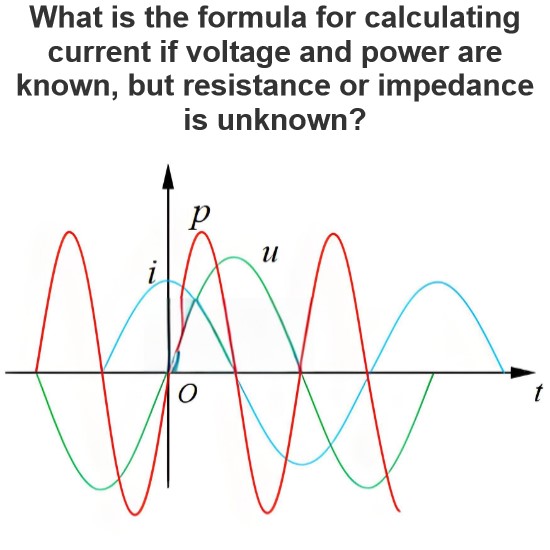
What is the formula for calculating current if voltage and power are known, but resistance or impedance is unknown?
For DC Circuits (Using Power and Voltage)In a direct - current (DC) circuit, the power P (in watts), voltage V (in volts), and current (in amperes) are related by the formula P=VIIf we know the power P and voltage V, we can calculate the current using the formula I=P/V. For example, if a DC device has a power rating of 100 watts and is connected to a 20- volt source, then the current I=100/20=5 amperese.In an alternating - current (AC) circuit, we deal with apparent power S (in volt - amperes),
10/04/2024
Consult
Tip
Consult
Tip
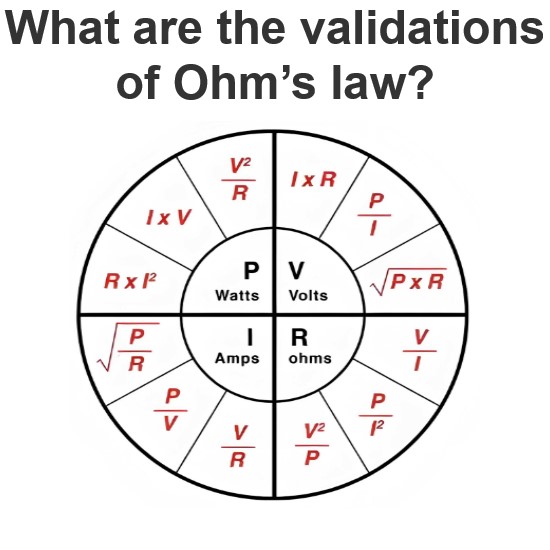
What are the validations of Ohm’s law?
Ohm's Law is a fundamental principle in electrical engineering and physics that describes the relationship between the current flowing through a conductor, the voltage across the conductor, and the resistance of the conductor. The law is expressed mathematically as:V=I×R V is the voltage across the conductor (measured in volts, V), I is the current flowing through the conductor (measured in amperes, A), R is the resistance of the conductor (measured in ohms, Ω).While Ohm's Law is widely accepted
09/30/2024
Consult
Tip
Consult
Tip
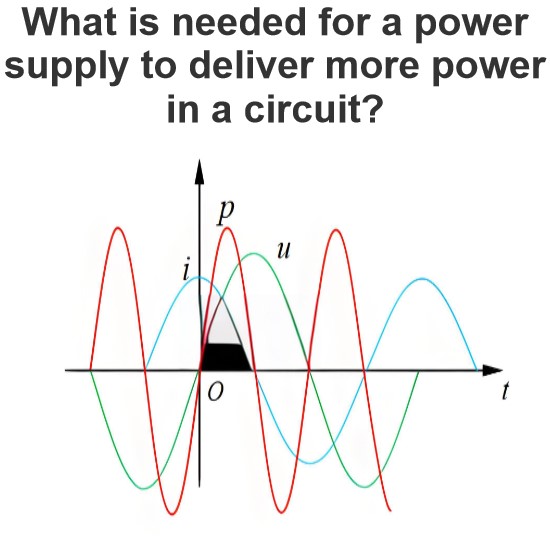
What is needed for a power supply to deliver more power in a circuit?
To increase the power delivered by a power supply in a circuit, you need to consider several factors and make appropriate adjustments. Power is defined as the rate at which work is done or energy is transferred, and it is given by the equation:P=VI P is power (measured in watts, W). V is voltage (measured in volts, V). I is current (measured in amperes, A).Thus, to deliver more power, you can either increase the voltage V or the current I, or both.Here are the steps and considerations involved:I
09/27/2024
Consult
Tip
Consult
Tip
What is the method for determining the induced electromotive force in a circuit with varying magnetic flux?
The method for determining the induced electromotive force caused by a change in magnetic flux in a circuit usually follows Faraday's law of electromagnetic induction. Faraday's law of electromagnetic induction describes the induced electromotive force (EMF) due to changes in magnetic flux, as follows:The meanings of the symbols are as follows: E stands for induced electromotive force (volts, V). N is the number of turns of the coil. ΔΦB is the change in magnetic flux through the coil (unit: Web
09/26/2024
Consult
Tip
Consult
Tip
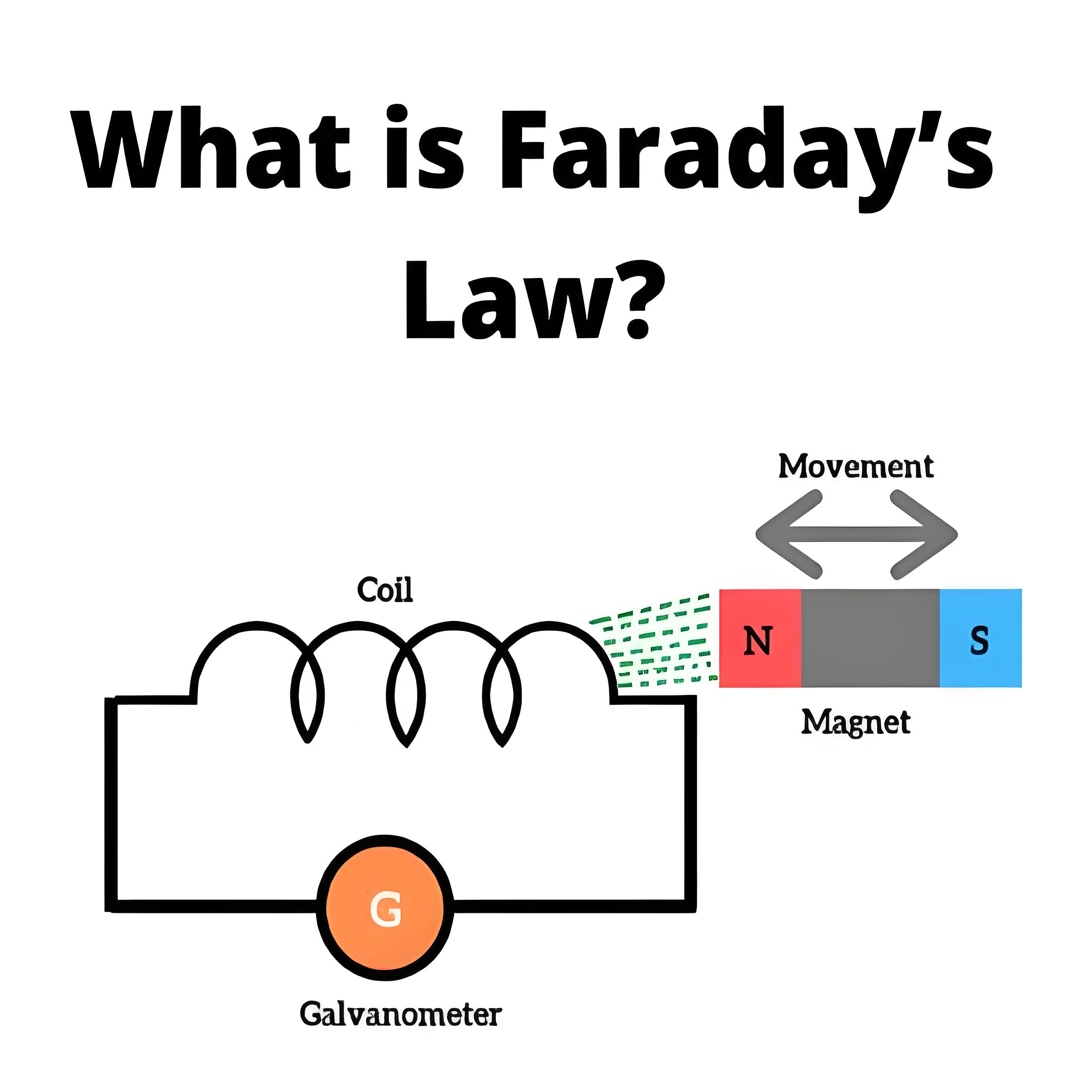
What is Faraday’s Law?
What is Faraday’s Law?Faraday’s Law DefinitionFaraday’s law of electromagnetic induction is defined as the principle that a changing magnetic field within an electric circuit produces an electromotive force.First LawFaraday’s first law states that any change in the magnetic environment of a coil induces an EMF, known as induced EMF, and, if the circuit is closed, induces current as well.Method to change the magnetic field: By moving a magnet towards or away from the coil By moving the coil into
07/26/2024
Consult
Tip
Consult
Tip
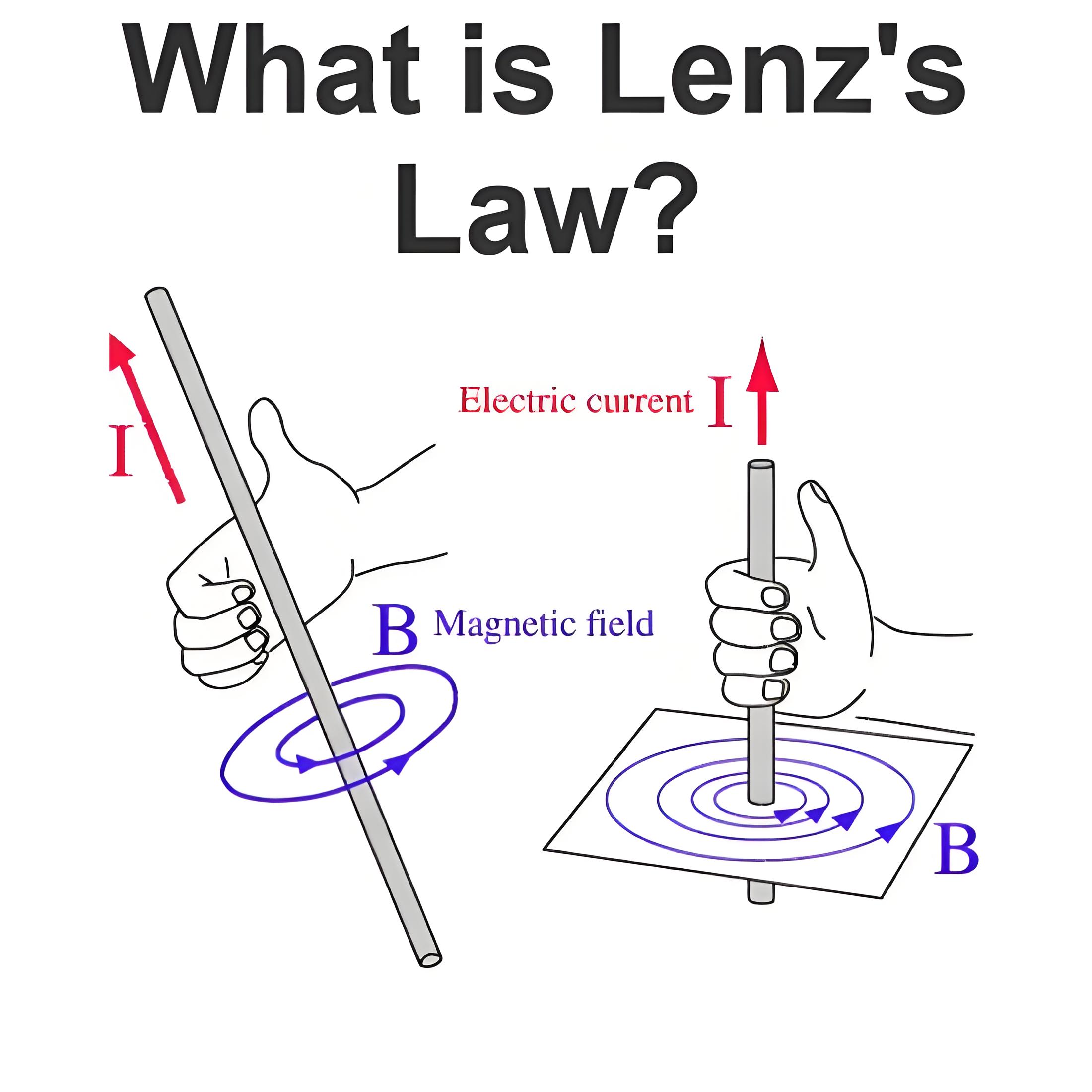
What is Lenz's Law?
What is Lenz's Law?Lenz’s Law DefinitionLenz’s Law is defined as the principle stating that the induced current in a conductor will flow in a direction such that the magnetic field it creates opposes the change in the magnetic field that produced it.Induction PrincipleIf the magnetic flux Ф linking a coil increases, the direction of current in the coil will be such that it will oppose the increase in flux and hence the induced current will produce its flux in a direction as shown below (using Fl
07/26/2024
Consult
Tip
Consult
Tip
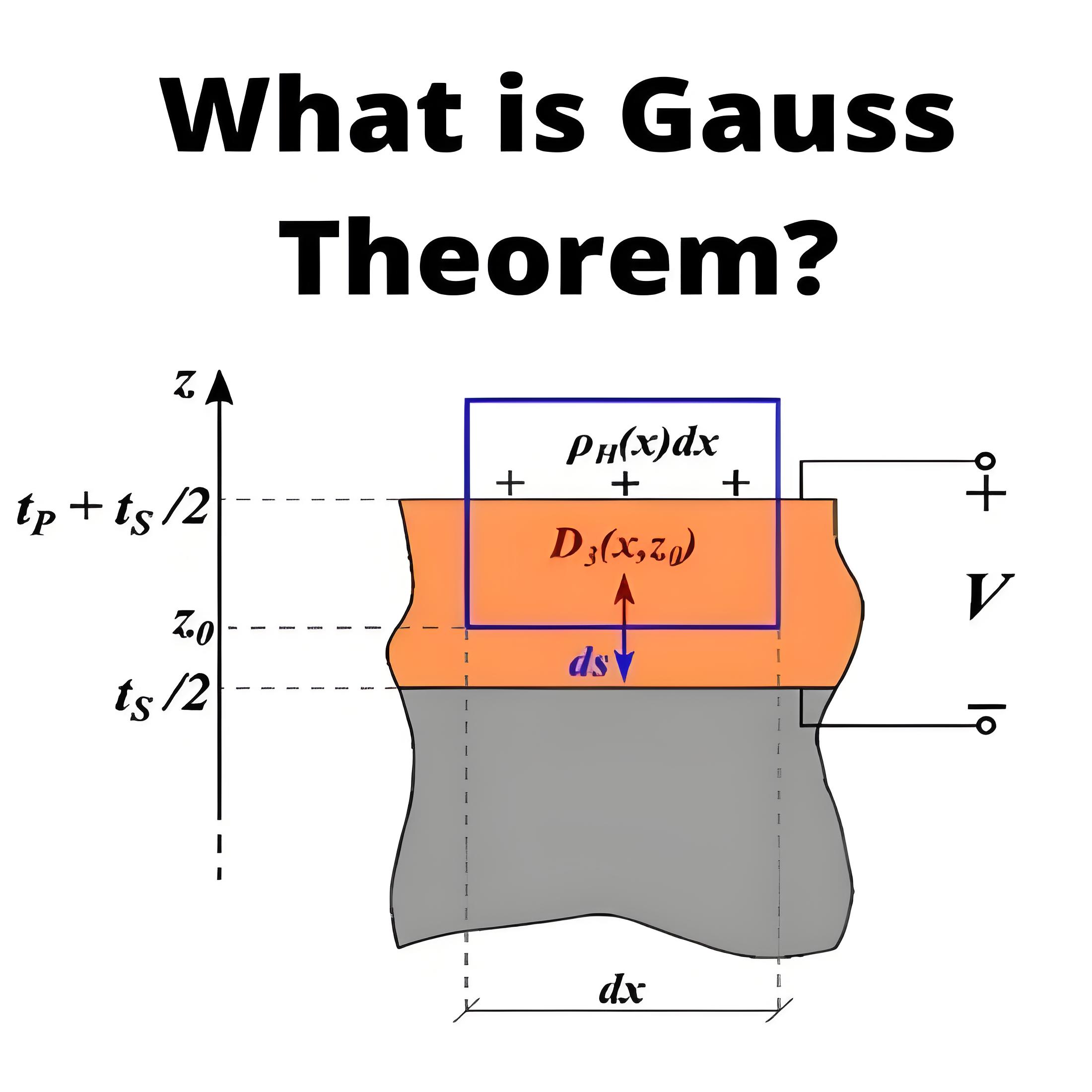
What is Gauss’s Theorem ?
What is Gauss’s Theorem ?Gauss’s Theorem DefinitionGauss’s theorem states that the total electric flux through any closed surface is equal to the net positive charge enclosed by that surface.Flux and ChargeThe flux from an electric charge depends on the quantity of the charge.Mathematical ExpressionGauss’s theorem is expressed mathematically using a surface integral involving flux density and the outward vector.Component FluxIf a charge is not at the center, the flux lines resolve into horizonta
07/26/2024
Consult
Tip
Consult
Tip
What is are  Resistivity  Laws?
What is are Resistivity Laws?Resistivity DefinitionResistivity is defined as a material’s property that opposes the flow of electrical current.Factors Affecting ResistanceResistance depends on length, cross-sectional area, material nature, and temperature.Unit of ResistivityThe unit of resistivity is Ω-m in the MKS system and Ω-cm in the CGS system.First Law of ResistivityResistance increases with the length of the substance.Second Law of ResistivityResistance decreases with a larger cross-secti
07/25/2024
Consult
Tip
Consult
Tip
What is a  Coulomb's Law?
What is a Coulomb's Law?Coulomb’s Law DefinitionCoulomb’s law defines the force between two stationary, electrically charged particles, known as the electrostatic force.Electrostatic ForceThe electrostatic force is directly proportional to the product of the charges and inversely proportional to the square of the distance between them.Coulomb’s Law FormulaCoulomb’s ConstantCoulomb’s constant (k) in a vacuum is approximately 8.99 x 10⁹ N m²/C², and it varies with the medium.Historical BackgroundC
07/22/2024
Consult
Tip
Consult
Tip
Send inquiry
+86
Click to upload file

IEE Business will not sell or share your personal information.

Download
Get the IEE Business Application
Use the IEE-Business app to find equipment, obtain solutions, connect with experts, and participate in industry collaboration anytime, anywhere—fully supporting the development of your power projects and business.