• Product
  • Suppliers
  • Manufacturers
  • Solutions
  • Free tools
  • Knowledges
  • Experts
  • Communities
Search


Free Expert Guides on Power Systems, Circuit Design & Electrical Troubleshooting

Access free engineering resources from IEE Business—covering power design, circuit layout, equipment selection, and troubleshooting. Expert-developed guides help engineers, procurement, and project teams make better decisions. Stay ahead on smart grids, renewables, efficiency, and AI tools. Improve reliability, reduce downtime, and enhance outcomes with real-world solutions. Explore our knowledge hub today.
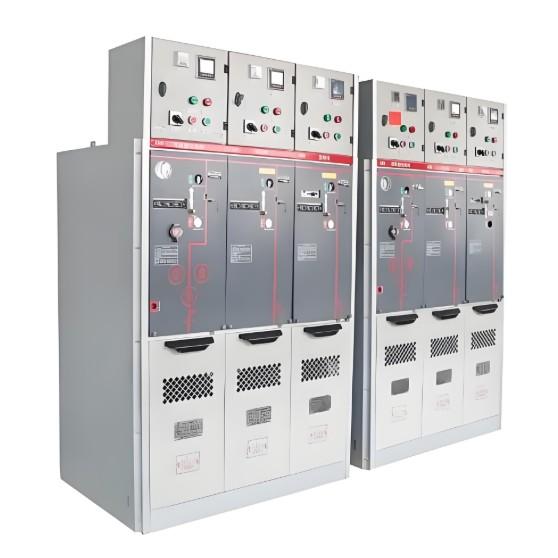
SF6 vs SF6 gas Free Ring Main Units: Key Differences
From the perspective of insulation performance, sulfur hexafluoride SF6 exhibits excellent insulating properties. Its dielectric strength is approximately 2.5 times that of air, effectively ensuring the insulation performance of electrical equipment under standard atmospheric pressure and ambient temperature. The new SF6 gas free gases used in SF6 gas-free switchgear—such as certain gas mixtures—can also meet insulation requirements, though their specific values vary depending on the formulation
12/10/2025
Consult
Tip
Consult
Tip
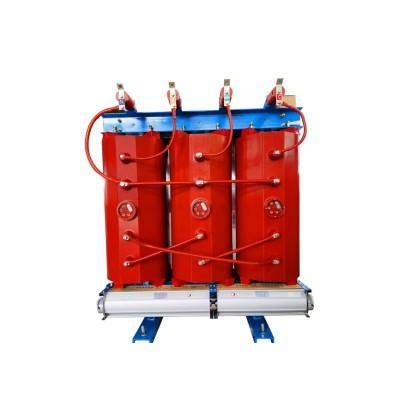
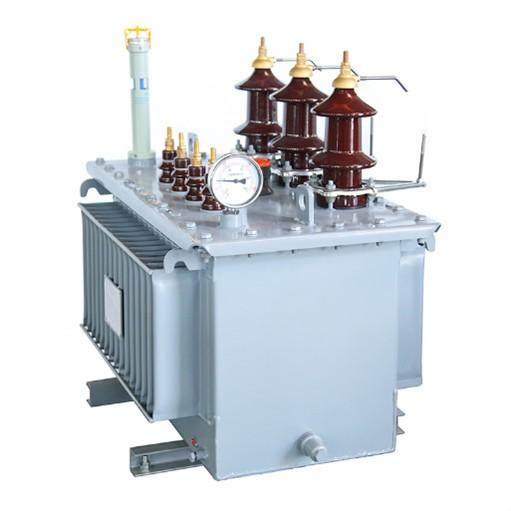
What are the differences between a grounding transformer and a conventional transformer?
What is a Grounding Transformer?A grounding transformer, abbreviated as "grounding transformer," can be classified into oil-immersed and dry-type according to the filling medium; and into three-phase and single-phase grounding transformers according to the number of phases.Difference Between Grounding Transformers and Conventional TransformersThe purpose of a grounding transformer is to create an artificial neutral point for connecting an arc suppression coil or resistor when the system is conne
12/04/2025
Consult
Tip
Consult
Tip
What is the difference between a grounding transformer and an arc suppression coil?
Overview of Grounding TransformersA grounding transformer, commonly referred to as a "grounding transformer" or simply "grounding unit," can be classified into oil-immersed and dry-type based on the insulating medium, and into three-phase and single-phase based on the number of phases. The primary function of a grounding transformer is to provide an artificial neutral point for power systems whose transformers or generators lack a natural neutral (e.g., delta-connected systems). This artificial
12/03/2025
Consult
Tip
Consult
Tip
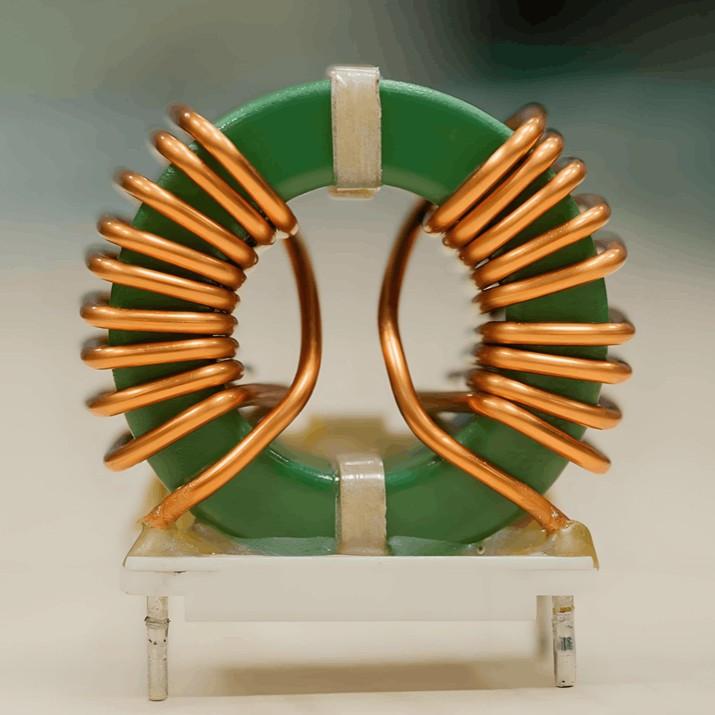
Toroidal vs Square Transformers: Key Differences
What Is a Toroidal Transformer?A toroidal transformer is a major type of electronic transformer that has been widely used in household appliances and other electronic equipment with higher technical requirements. Its primary applications are as a power transformer and an isolation transformer. Abroad, toroidal transformers are already available in complete series and are extensively used in computers, medical equipment, telecommunications, instruments, and lighting applications.In China, toroida
11/06/2025
Consult
Tip
Consult
Tip
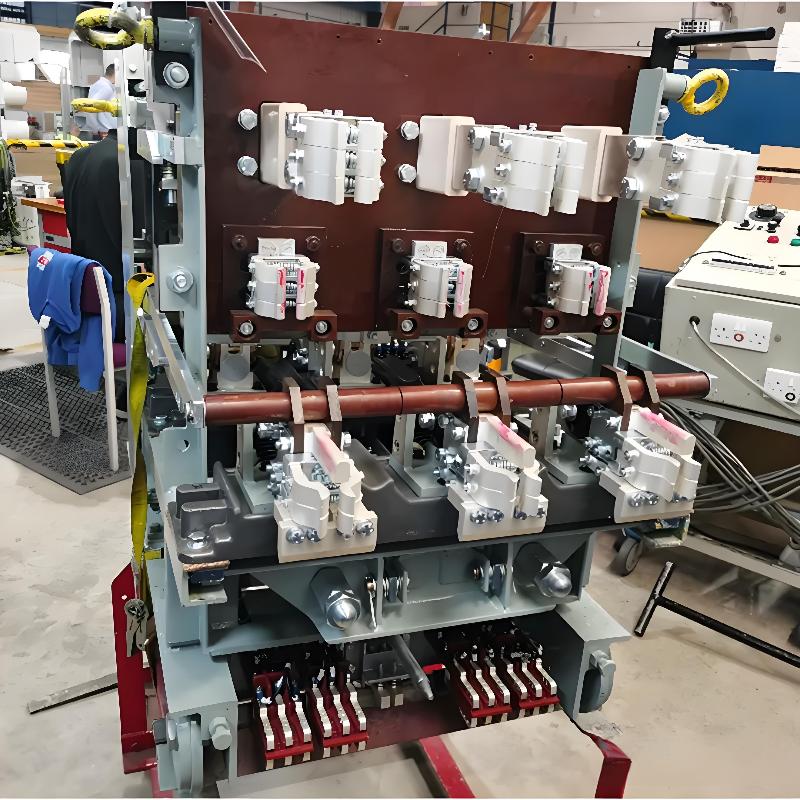
Vacuum vs Air Circuit Breakers: Key Differences
Low-Voltage Air Circuit Breakers vs. Vacuum Circuit Breakers: Structure, Performance and ApplicationLow-voltage air circuit breakers, also known as universal or molded frame circuit breakers (MCCBs), are designed for AC voltages of 380/690V and DC voltages up to 1500V, with rated currents ranging from 400A to 6300A or even 7500A. These breakers use air as the arc-quenching medium. The arc is extinguished through arc elongation, splitting, and cooling by an arc chute (arc runner). Such breakers c
10/18/2025
Consult
Tip
Consult
Tip
Send inquiry
+86
Click to upload file
Download
Get the IEE Business Application
Use the IEE-Business app to find equipment, obtain solutions, connect with experts, and participate in industry collaboration anytime, anywhere—fully supporting the development of your power projects and business.