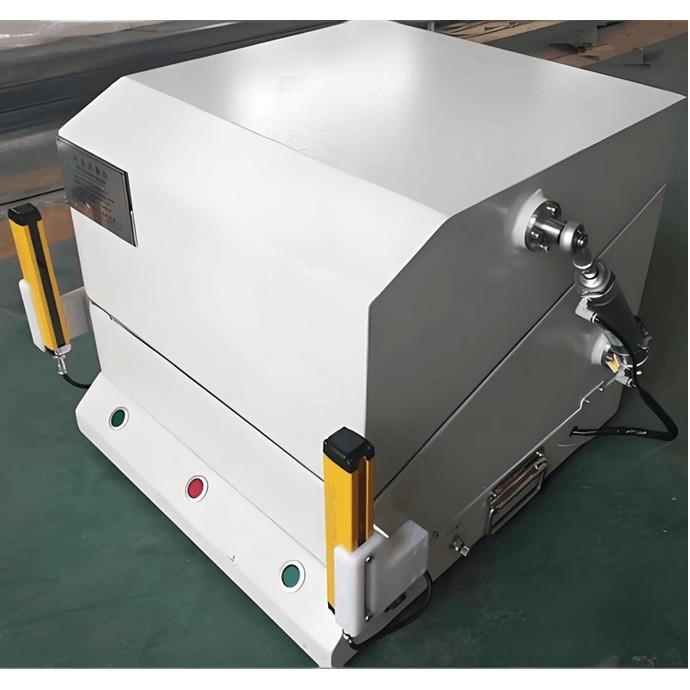
A shielding enclosure is a metallic structure made of conductive or magnetic materials in various shapes, designed to confine electromagnetic energy within a defined space and suppress radiated interference. A typical shielding enclosure consists of a conductive fabric layered over foam plastic, with a silver-plated woven material bonded onto it to form a soft gasket that occupies most of the loose space. This type is primarily used for civilian applications and is suitable for foam gaskets in e
11/06/2025
Consult
Tip
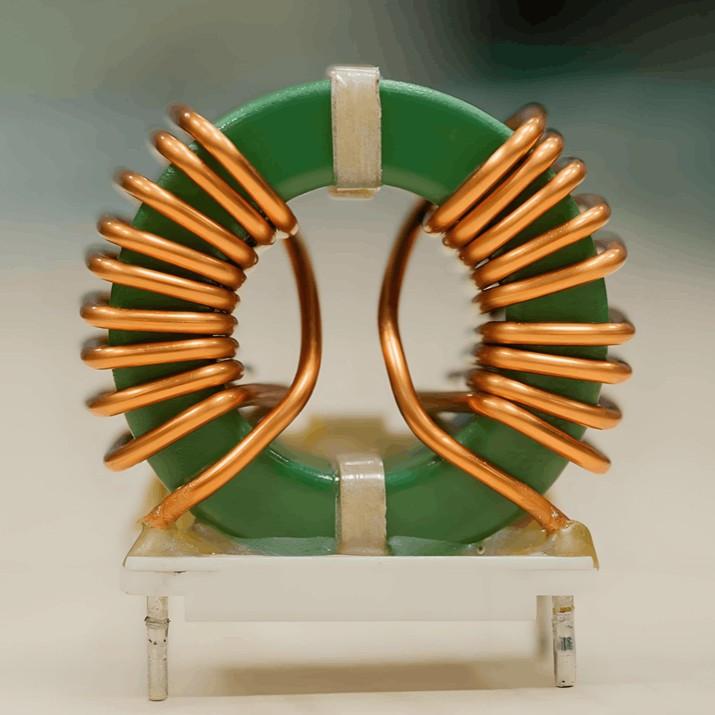
What Is a Toroidal Transformer?A toroidal transformer is a major type of electronic transformer that has been widely used in household appliances and other electronic equipment with higher technical requirements. Its primary applications are as a power transformer and an isolation transformer. Abroad, toroidal transformers are already available in complete series and are extensively used in computers, medical equipment, telecommunications, instruments, and lighting applications.In China, toroida
11/06/2025
Consult
Tip
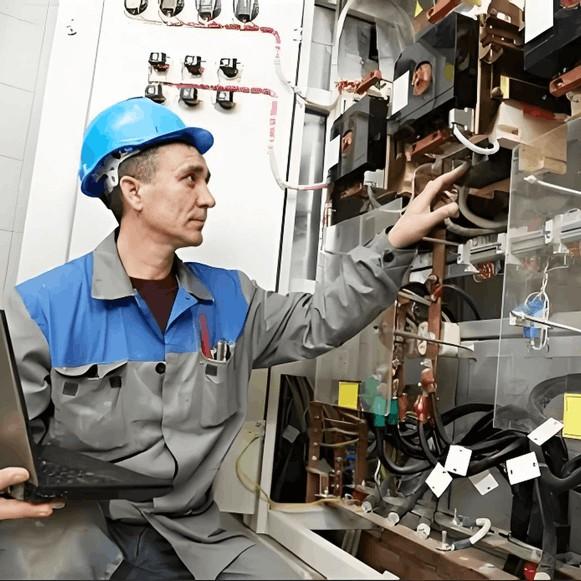
Essential Rules for Three-Level Power Distribution System Design1.Hierarchical and Branch Circuit Distribution(1) Power distribution from the primary main distribution board (distribution cabinet) to secondary distribution boards can be branched; that is, one main distribution board may supply power via multiple branch circuits to several secondary distribution boards.(2) Similarly, power distribution from a secondary distribution board to tertiary switch boxes can also be branched; that is, one
11/06/2025
Consult
Tip
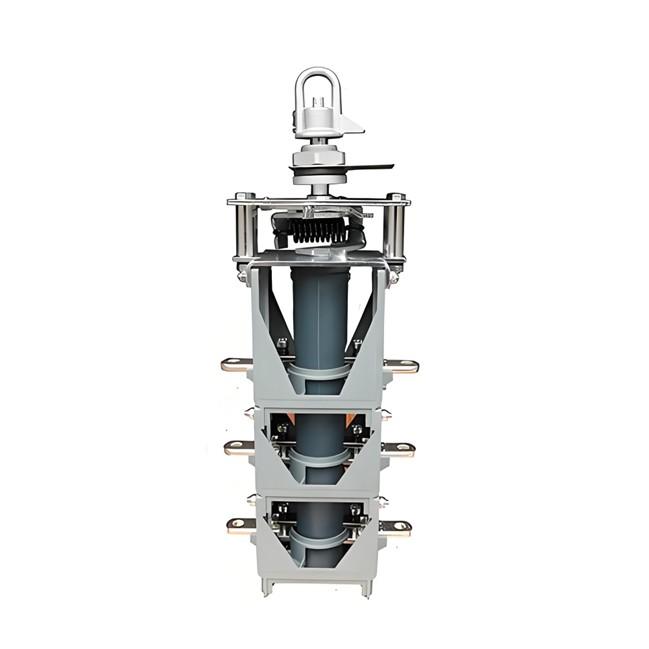
Causes of Fire and Explosion in Oil Circuit Breakers When the oil level in an oil circuit breaker is too low, the oil layer covering the contacts becomes too thin. Under the effect of the electric arc, the oil decomposes and releases flammable gases. These gases accumulate in the space beneath the top cover, mixing with air to form an explosive mixture, which can ignite or explode under high temperature. If the oil level inside the tank is too high, the released gases have limited space to expan
11/06/2025
Consult
Tip
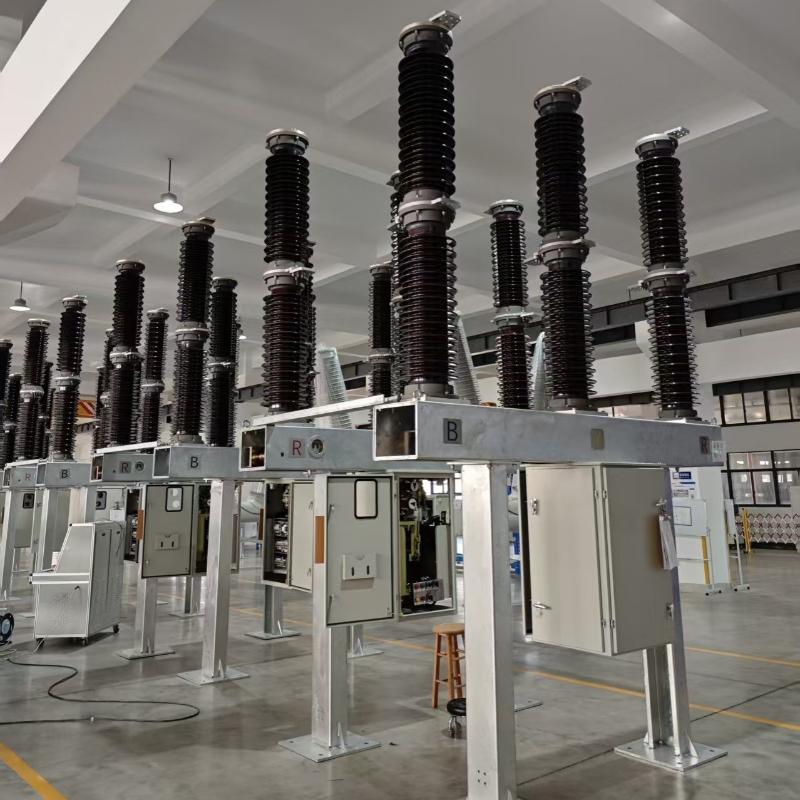
The basic meaning of a high-voltage circuit breaker is, simply put, that under normal conditions, it is used to open (interrupt, trip) and close (make, reclose) circuits, feeders, or specific loads—such as those connected to transformers or capacitor banks. When a fault occurs in the power system, protective relays activate the circuit breaker to interrupt either load current or short-circuit current, thereby ensuring the safe operation of the power system.A high-voltage circuit breaker is a typ
11/06/2025
Consult
Tip
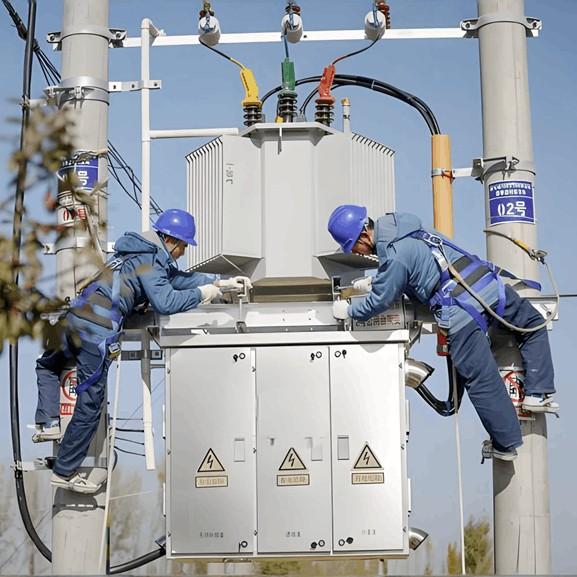
1.Reasonable Use of TransformersTransformers should be selected with flexible winding configurations according to the power consumption characteristics of industrial enterprises, and load adjustments should be made promptly based on each transformer’s load rate to ensure operation at optimal loading conditions. Three-phase loads on transformers should be kept as balanced as possible; unbalanced operation not only reduces output capacity but also increases losses. Energy-efficient transformers sh
11/06/2025
Consult
Tip
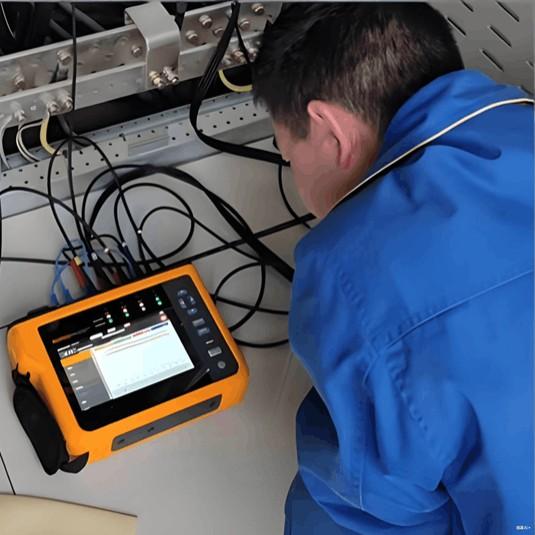
Voltage distortion in AC power systems causes unequal intervals between the firing pulses of the control angle in conventional converters, and through positive feedback, it amplifies the system voltage distortion, resulting in unstable rectifier operation. In inverters, continuous commutation failures may occur, preventing normal operation and even damaging commutation equipment.For star-connected transformers, third-order and triplen harmonics can cause third-harmonic oscillation when the windi
11/06/2025
Consult
Tip
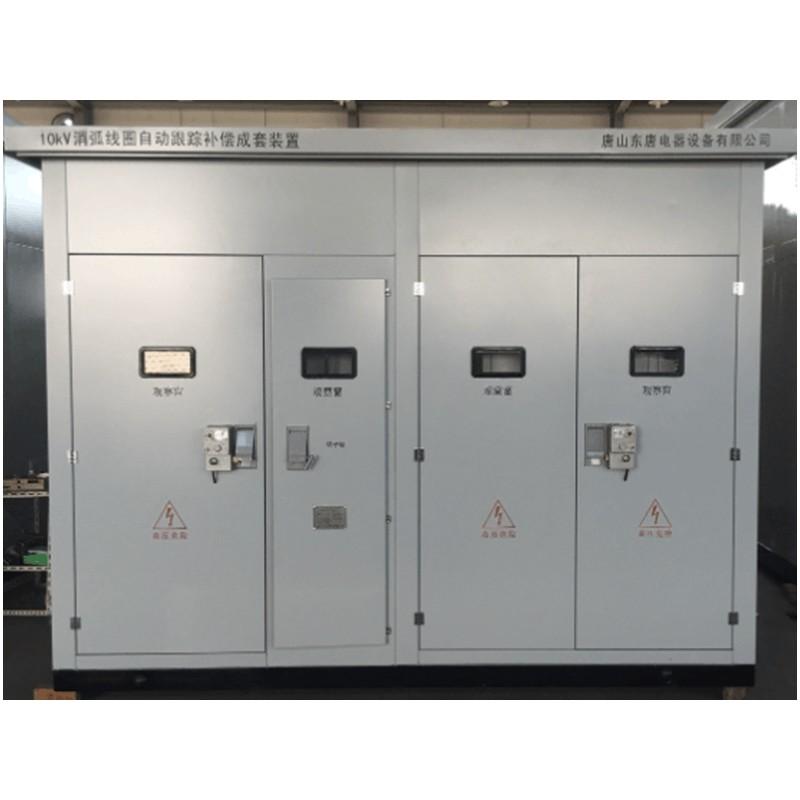
When installing an arc suppression coil, it is important to identify the conditions under which the coil should be taken out of service. The arc suppression coil should be disconnected under the following circumstances: When a transformer is being de-energized, the neutral-point disconnector must be opened first before performing any switching operations on the transformer. The energizing sequence is the reverse: the neutral-point disconnector should be closed only after the transformer is energ
11/05/2025
Consult
Tip
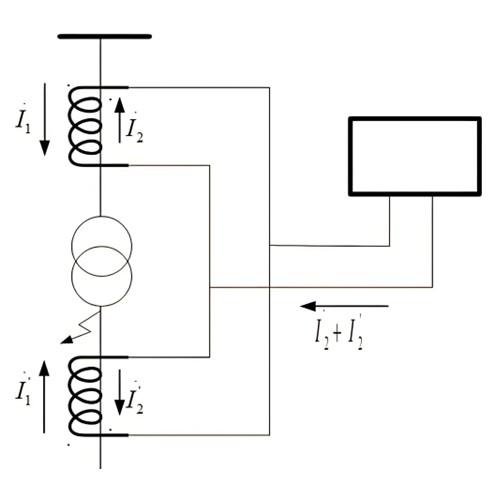
Transformer Longitudinal Differential Protection: Common Issues and SolutionsTransformer longitudinal differential protection is the most complex among all component differential protections. Misoperations occasionally occur during operation. According to 1997 statistics from the North China Power Grid for transformers rated 220 kV and above, there were 18 incorrect operations in total, of which 5 were due to longitudinal differential protection—accounting for approximately one-third. Causes of
11/05/2025
Consult
Tip
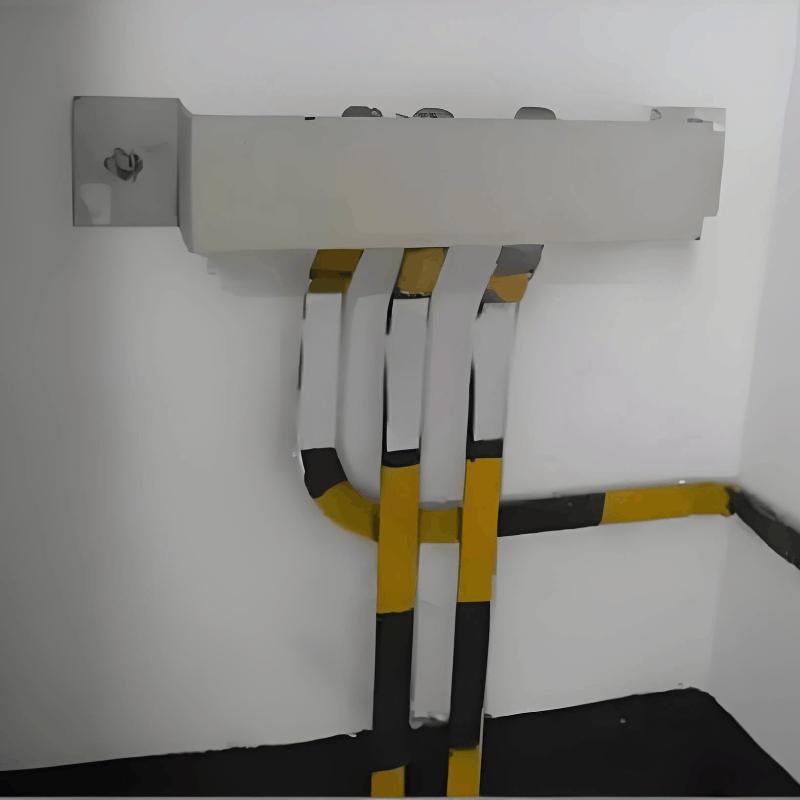
What Is Common Grounding?Common grounding refers to the practice where a system’s functional (working) grounding, equipment protective grounding, and lightning protection grounding share a single grounding electrode system. Alternatively, it may mean that grounding conductors from multiple electrical devices are connected together and linked to one or more common grounding electrodes.1. Advantages of Common Grounding Simpler system with fewer grounding conductors, making maintenance and inspecti
11/05/2025
Consult
Tip






