
The crystal in the LED emits light through the combination of electrons and holes when a voltage is applied.Principle of LuminescenceThe core of an LED is a chip composed of P-type and N-type semiconductors. When a voltage is applied, electrons and holes recombine at the P-N junction, releasing energy that is emitted in the form of light.Electronic TransitionDuring the luminescence process, electrons transition from high energy states to low energy states, with the excess energy being released i
10/12/2024
Consult
Tip
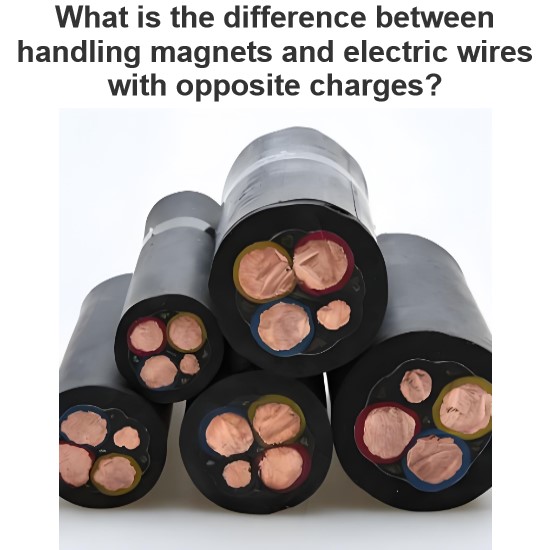
There are the following differences in handling magnets with opposite charges and wires:I. Different propertiesMagnetA magnet is an object with magnetism. The magnetic field it generates is formed by the orderly arrangement of internal magnetic domains. The two poles of a magnet are respectively the north pole (N pole) and the south pole (S pole). Like poles repel each other and opposite poles attract each other.For example, when two magnets are close to each other, if opposite poles are facing
10/12/2024
Consult
Tip

Electric current is the flow of electric charge over time. Current can be categorized into two main types: current produced by freely flowing charges and current associated with stationary charges (although strictly speaking, stationary charges do not produce current themselves, but can induce currents). Below are explanations of both situations:1. Current Due to Free Flowing ChargesDefinitionElectric current is defined as the amount of charge passing through a given cross-section per unit time.
10/11/2024
Consult
Tip
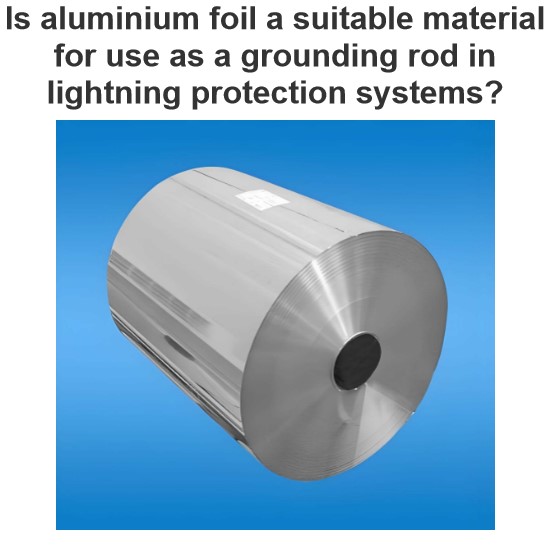
Aluminum foils not suitable for use as an earthing rod in a lightning protection system. The earthing rod in a lightning protection system needs to have good conductivity, sufficient mechanical strength, and corrosion resistance, all of which aluminum foil does not meet. Below is a detailed explanation:Conductivity Thickness of Aluminum Foil : Aluminum foil is typically very thin (usually only a few micrometers thick), and its cross-sectional area is too small to effectively conduct lightning cu
10/11/2024
Consult
Tip

In physics, voltage and potential energy have the following differences:I. ConceptVoltageVoltage, also known as potential difference or potential difference, is a physical quantity that measures the difference in energy produced by a unit charge in an electrostatic field due to the difference in electric potential.For example, in a simple circuit, there is voltage at both ends of the battery, which causes charge to flow in the circuit. If you move a unit of positive charge from one point to anot
10/10/2024
Consult
Tip
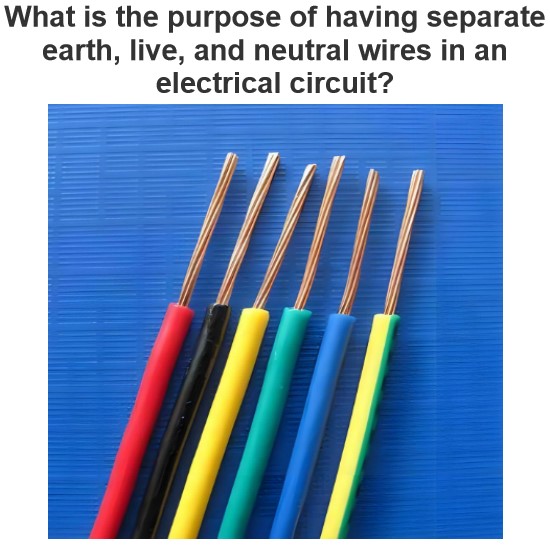
The purpose of separating ground, live and neutral wires in a circuitFire lineTransmission of electrical energy: The fireline is the main line responsible for the transmission of electrical energy in the circuit. It transmits the alternating current provided by the power supply (such as 220V mains) to various electrical equipment to provide the energy required for the electrical equipment to work. For example, when you turn on a light bulb, the current flows from the live wire into the bulb, pas
10/09/2024
Consult
Tip

The skin effect refers to the phenomenon where, under the influence of an alternating electric field, current tends to concentrate near the surface of a conductor. As frequency increases, this effect becomes more pronounced. In high-frequency power transmission systems, the skin effect can significantly impact the design. Here are the specific influences and corresponding design considerations:Conductor Size and Shape Conductor Diameter: The skin effect causes the current to primarily concentrat
10/08/2024
Consult
Tip
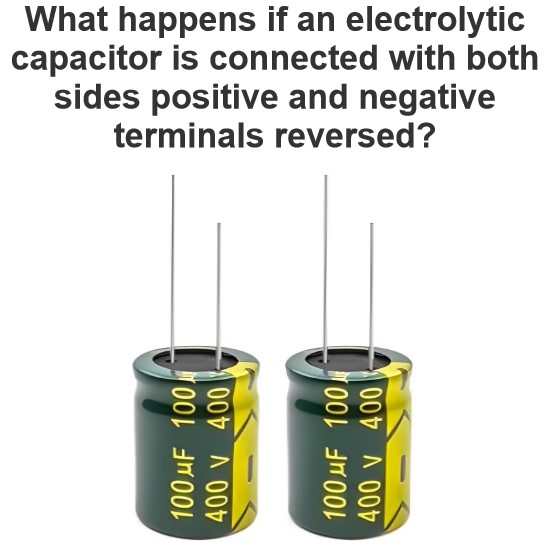
If the positive and negative terminals of an electrolytic capacitor are connected in reverse, i.e., reverse-biased, it can lead to a series of problems and potentially damage the capacitor. Electrolytic capacitors are polarized capacitors that contain an electrolyte. The positive terminal is typically a metal foil or a metal foil coated with an oxide layer, while the negative terminal is usually made of metal powder or carbon. The electrolyte serves to isolate the positive and negative terminals
10/08/2024
Consult
Tip
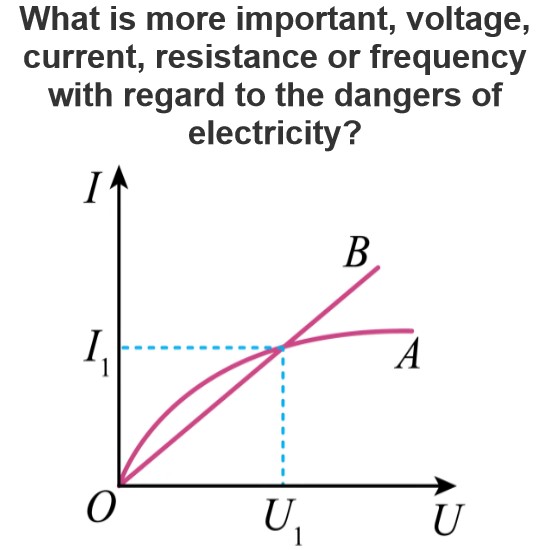
When assessing the dangers associated with electricity, voltage, current, resistance, and frequency are all important factors, but their significance depends on the specific context. Understanding the role of each parameter in electrical hazards can help better comprehend potential risks. Below is a discussion of the importance of these factors:Voltage (Voltage) Definition: Voltage is the force that drives current through a circuit. Importance: Higher voltage means there is more energy available
10/08/2024
Consult
Tip

Connecting two polarized capacitors (typically electrolytic capacitors) together requires careful attention to their polarity to ensure they operate correctly and avoid damage. Polarized capacitors have distinct positive and negative terminals, and incorrect connections can lead to damage or even explosions. Here are some guidelines on how to properly connect polarized capacitors:Parallel Connection (Parallel Connection)If you want to connect two polarized capacitors in parallel to increase the
10/08/2024
Consult
Tip






