Ⅰ. Mga Hamon sa Enerhiya ug Halaga sa Pag-imbak sa Enerhiya sa mga Mall
Isip mga komersyal nga kompleks nga may mataas nga konsumo sa enerhiya, ang mga mall nagpakita og distinct nga karakteristikas sa pagkonsumo sa kuryente:
Ang mga sistema sa pag-imbak sa enerhiya mabawasan ang bayad sa kuryente ngadto sa 20%–40% ug pauswag sa reliability sa grid pinaagi sa tatlo ka core functions: peak shaving, demand management, ug emergency backup.
Ⅱ. Disenyo sa Arkitektura sa Sistema
1. Konfigurasyon sa Hardware
|
Component |
Technical Specifications |
Function |
|
Battery (ESS) |
LFP Cells (Cycle life ≥6,000 cycles) |
High safety, long lifespan; supports 2 daily charge/discharge cycles |
|
Bi-directional PCS |
High-frequency inverter (Response <10ms, ≥95% efficiency) |
AC/DC conversion; seamless grid-tied/off-grid switching |
|
Smart Distribution Panel |
Multi-circuit auto-switching |
Allocates power to critical loads (e.g., fire control, cold chain) |
|
Energy Management System (EMS) |
AI-driven load forecasting & strategy optimization |
Dynamically adjusts charge/discharge schedules to maximize ROI |
2. Topology Structure
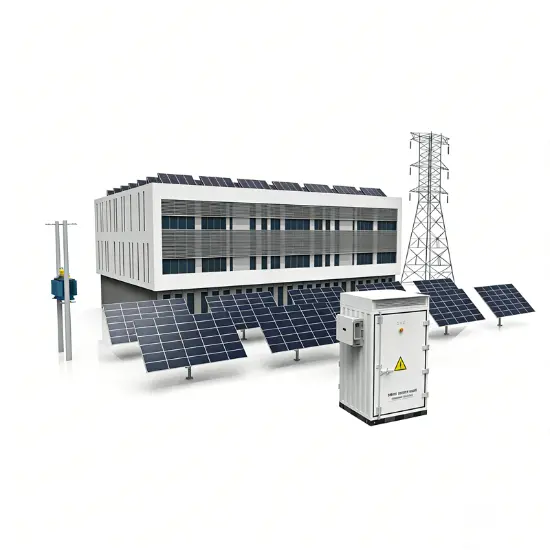
• Flexible Integration: Supports DC coupling with solar PV or AC coupling with grid, adaptable for new/retrofit projects.
• Multi-level Redundancy: Fire systems operate independently (≥3 hours backup) to ensure emergency evacuation.
Ⅲ. Core Functions and Application Scenarios
1. Cost Efficiency Enhancement
• Peak-Valley Arbitrage: Charges during off-peak (0:00–8:00) & discharges during peak hours; IRR reaches 13%–20%.
• Demand Charge Management: Smoothens load curves, reducing transformer capacity fees (for users >315kVA).
• Demand Response Revenue: Participates in grid peak-shaving programs.
2. Stability Assurance
• Seamless Backup: Off-grid switching <10ms; zero interruption for elevators/security systems.
• Power Quality Optimization: Mitigates voltage sags/harmonics to protect sensitive equipment (e.g., data centers).
3. Green Energy Integration
• PV-Storage-Charging Integration:
o Rooftop solar → ESS stores excess energy → powers EV chargers.
o Boosts renewable self-consumption to 80%, cutting carbon emissions.
Ⅳ. Smart Control Strategies
|
EMS Core Algorithms |
Strategy |
Implementation |
Benefit |
|
Dynamic Peak-Valley Dispatch |
Optimizes charge/discharge timing using TOU tariffs & load forecasts |
2 daily cycles; maximizes revenue |
|
|
Demand Control |
Real-time load monitoring; ESS offsets peaks |
Reduces transformer upgrade costs |
|
|
Multi-objective Optimization |
Balances cost (price gaps) vs. battery lifespan (cycle counts) |
Extends system life to 10 years |
Ⅴ. Implementation & ROI Analysis
1. Deployment Process
2. Investment Return Model
|
Item |
Value |
Description |
|
CAPEX |
¥1.2–1.5/Wh |
Includes equipment, installation, grid access |
|
Annual Revenue Structure |
||
|
Peak-Valley Revenue |
60%–70% |
Price gap up to ¥0.8/kWh |
|
Demand Charge Savings |
20%–30% |
Reduced transformer capacity fees |
|
Payback Period |
5–7 years |
IRR >12% (incl. subsidies) |
Ⅵ. Innovation: From Efficiency to "Zero-Carbon Mall"