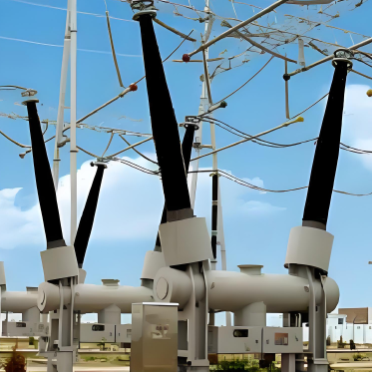
420kV Dead tank SF6 circuit breaker
Rockwill Electric GROUP Co., Ltd
16yrs 700++
staff 108000m²+m² US$150,000,000+
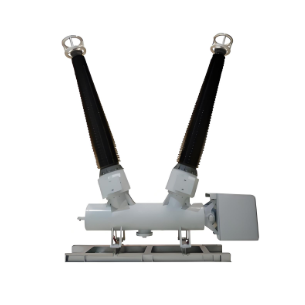
Key attributes
| Brand | ROCKWILL |
| Model NO. | 420kV Dead tank SF6 circuit breaker |
| Rated voltage | 420kV |
| Rated normal current | 5000A |
| Rated frequency | 50/60Hz |
| Series | LW |
Product descriptions from the supplier
Description
Description:
420kV Dead tank SF6 circuit breaker products are composed of inlet and outlet bushings, current transformers, interrupters, frames, operating mechanisms and other componentsIt is used to cut off the rated current, fault current or conversion line to realize the control and protection of the power system, and is widely used in domestic and overseas electric power, metallurgy, mining, transportation and public utilities industries.
Main Features:
Technical specifications:


ROCKWILL
Rockwill Electric GROUP Co., Ltd
16yrs 700++
staff 108000m²+m² US$150,000,000+
Online store
On-time delivery rate
Response time
100.0%
≤4h
Company overview
Workplace: 108000m²m²
Total staff: 700+
Highest Annual Export(usD): 150,000,000
Services
Business Type: Design/Manufacture/Sales
Main Categories: High Voltage Electrical Apparatus
Whole life care manager
Full lifecycle management services for equipment procurement, use, maintenance, and after-sales,
ensuring safe operation of electrical equipment, continuous control, and worry-free electricity
consumption.
The equipment supplier has passed platform qualification certification and technical evaluation,
ensuring compliance, professionalism, and reliability from the source.
Related Products
Related Knowledges
-
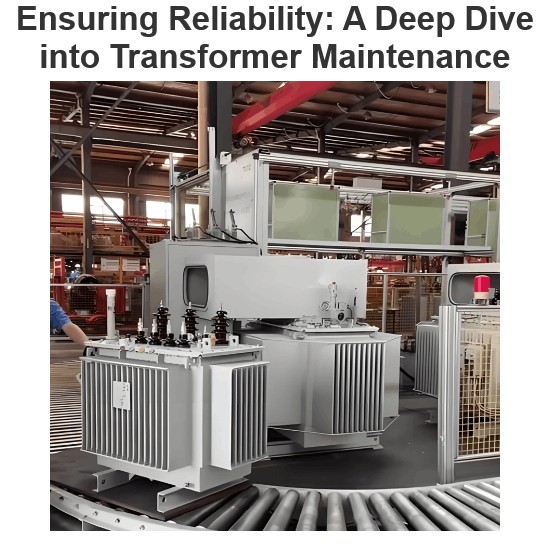 Ensuring Reliability: A Deep Dive into Transformer MaintenanceIntroductionElectric transformers are the backbone of modern power distribution systems, silently enabling the reliable delivery of electricity to homes, businesses, and industries. As these critical assets age and the demand for uninterrupted power grows, the importance of diligent transformer maintenance has never been greater. This essay explores the essential role of transformer maintenance, highlighting the value of proactive care, the impact of advanced diagnostic technologies, and the traVziman09/03/2025
 -
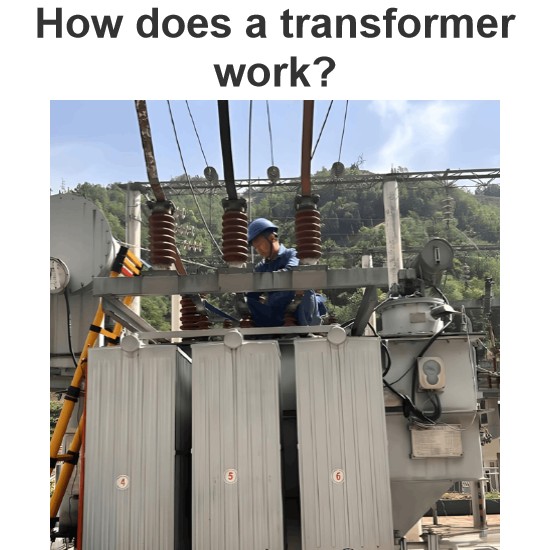 How does a transformer work?Transformer Operation PrincipleA transformer is an electrical device that operates on the principle of electromagnetic induction to transfer electrical energy from one circuit to another. It enables the adjustment of voltage levels within an alternating current (AC) system, either stepping up (increasing) or stepping down (decreasing) voltage while maintaining the same frequency.Working Principle:Basic ComponentsA transformer consists of two coils, known as windings—the "primary winding" connectRockwell09/03/2025
 -
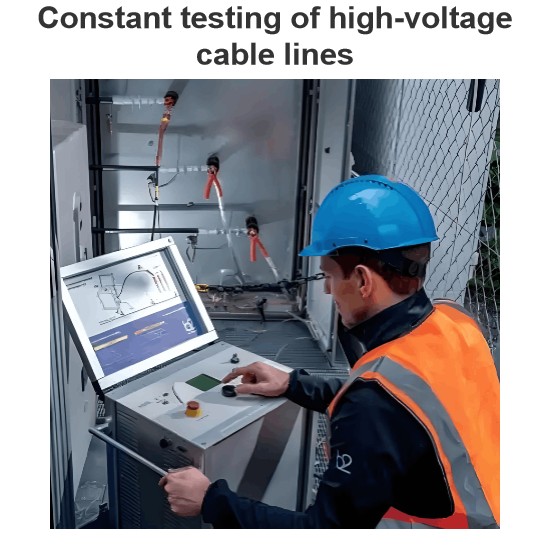 Constant testing of high-voltage cable lines1. Definition of High-Voltage Cable Line Constant TestingHigh-voltage cable line constant testing refers to the systematic measurement, using specialized instruments, of electrical parameters such as resistance, inductance, capacitance, and conductance before a cable line is commissioned or after major maintenance. The aim is to obtain fundamental data characterizing the electromagnetic properties of the cable, serving as a critical testing phase that provides accurate parameter support for poweOliver Watts09/03/2025
 -
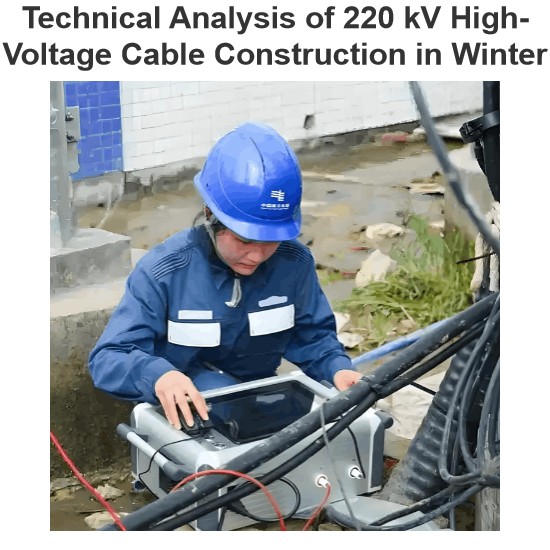 Technical Analysis of 220 kV High-Voltage Cable Construction in Winter1.Work Environment Requirements and Safeguard MeasuresBased on technical requirements for cable equipment storage, laying, transportation, laying, transposition, testing, and cable terminations, the project owner and construction units have conducted extensive trials and implemented protective measures regarding ambient temperature, humidity, bending radius, traction control, and route optimization. These measures ensure high-voltage cable quality and on-site safety under harsh winter conditionsJames09/03/2025
 -
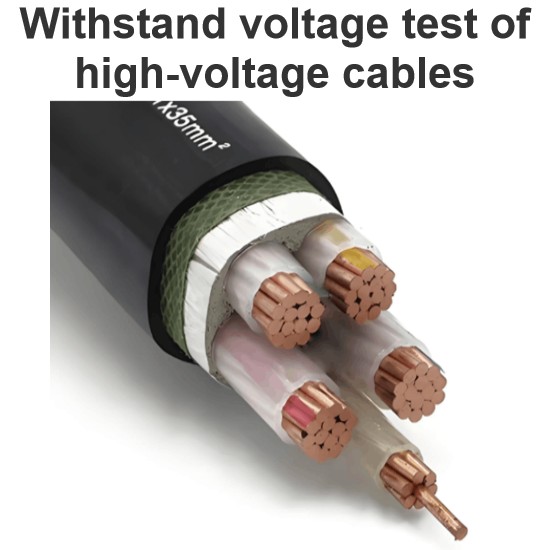 Withstand voltage test of high-voltage cablesWithstand voltage test is an insulation test, but it is a destructive test that can reveal insulation defects difficult to detect in non-destructive testing.The test cycle for high-voltage cables is three years, and it must be conducted after non-destructive tests. In other words, the withstand voltage test is performed only after all non-destructive tests have been passed.Most high-voltage cables used today are cross-linked polyethylene (XLPE) cables, which can have large cross-sections and covOliver Watts09/03/2025
 -
 Analysis of Abnormal Causes of High-Voltage Cable Grounding Circulation and Typical CasesI. Introduction to Cable Grounding Loop CurrentCables rated 110 kV and above use a single-core structure. The alternating magnetic field generated by the operating current induces a voltage on the metallic sheath. If the sheath forms a closed circuit through the earth, a grounding loop current will flow on the metallic sheath. Excessive grounding loop current (loop current exceeding 50 A, more than 20% of the load current, or a ratio of maximum-to-minimum phase current greater than 3) not only aFelix Spark09/03/2025
Related Solutions
-
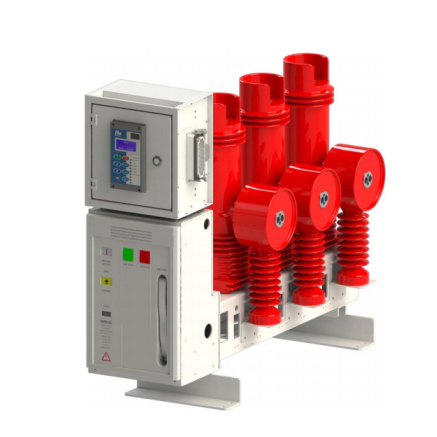 Intelligent Operation Solution for 12kV Vacuum Circuit Breakers: Integrating Real-time Monitoring & Lifetime OptimizationⅠ. Equipment Operation & MaintenanceIntelligent Monitoring System IntegrationMulti-parameter Real-time Monitoring: Embedded sensors (temperature, displacement, Hall effect current sensors) track contact temperature rise, mechanical characteristics (opening/closing speed, overtravel), coil current, and partial discharge signals. Data undergoes preprocessing via edge computing prior to cloud upload.Lifetime Prediction Model: Dynamically evaluates remaining lifespan using electrical wear dataRockwill06/10/2025
 -
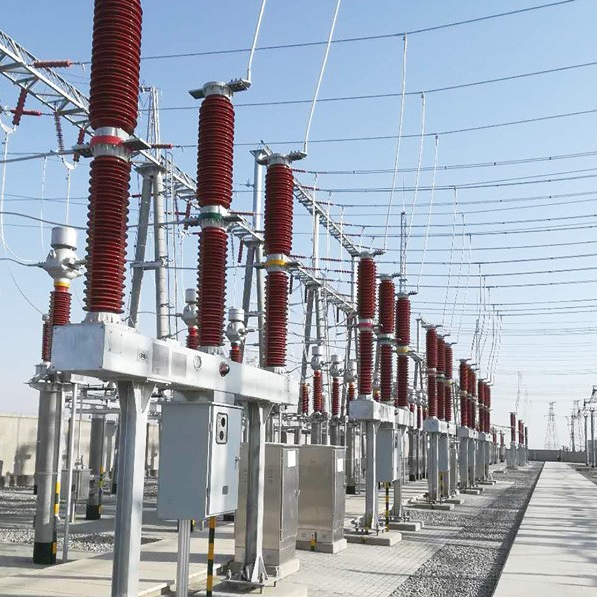 SF6 Circuit Breaker Solutions for Outdoor Installation (Anti-Pollution & Seismic Resistance)I.Core Challenges in Outdoor InstallationIn high-voltage transmission and distribution systems, SF6 circuit breakers are exposed to complex outdoor environments for extended periods, facing the following critical issues:Pollution & Insulation DegradationDust, salt fog, and industrial pollutants in outdoor environments easily adhere to equipment surfaces. In coastal or industrial areas, pollution levels may reach Class IV, resulting in insufficient creepage distance and triggering flashoRockwill05/12/2025
Haven't found the right supplier yet? Let matching verified suppliers find you.
Get Quotation Now