| Brand | ROCKWILL |
| Model NO. | 40.5kV/72.5kV/145kV/170kV/252kV/363kV Live tank SF6 gas circuit breaker |
| Rated voltage | 363kV |
| Rated frequency | 50/60Hz |
| Series | RHB |
Description :
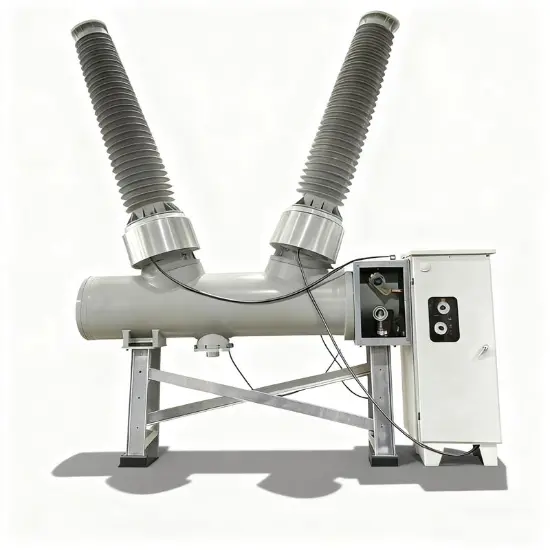
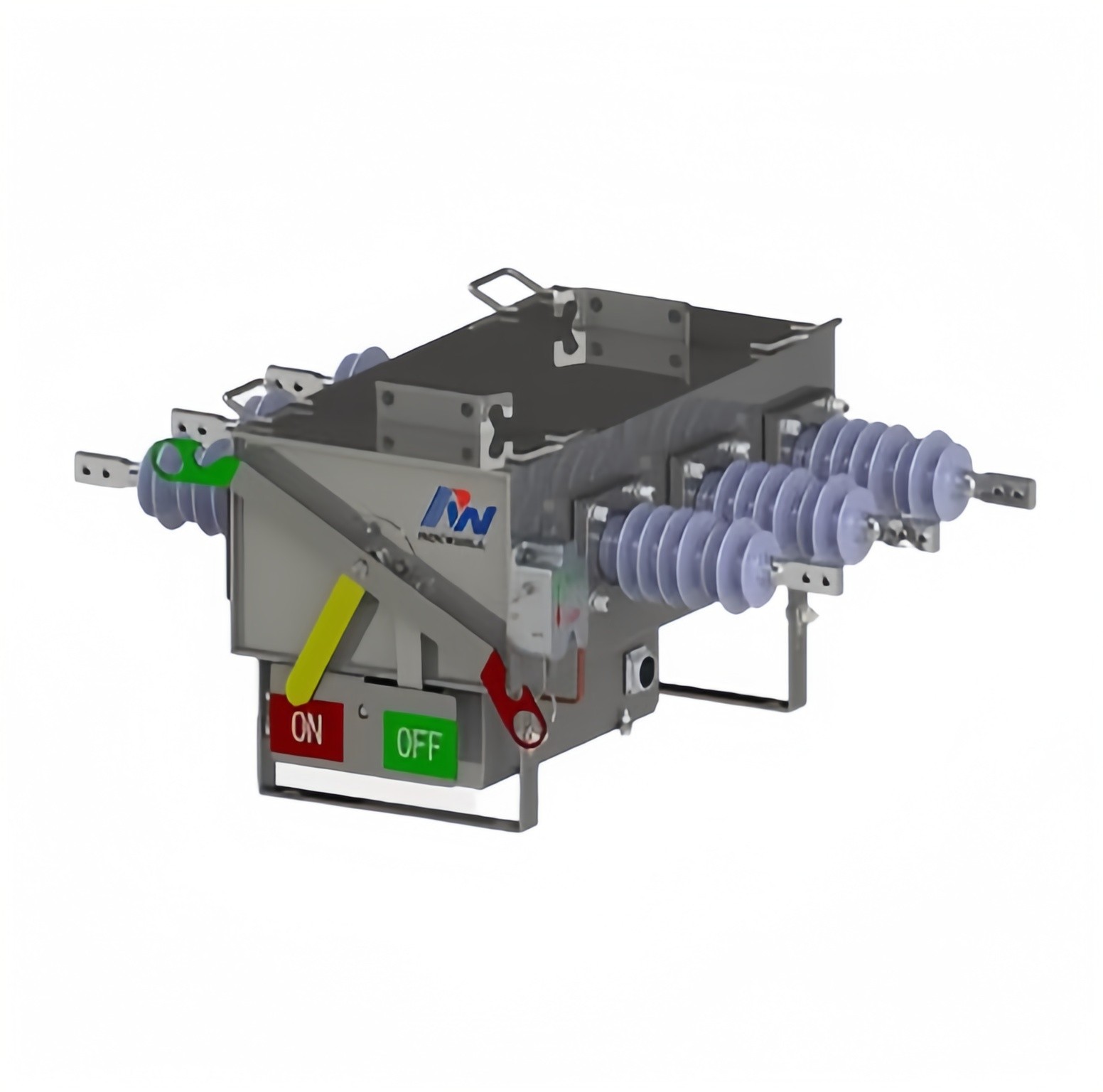
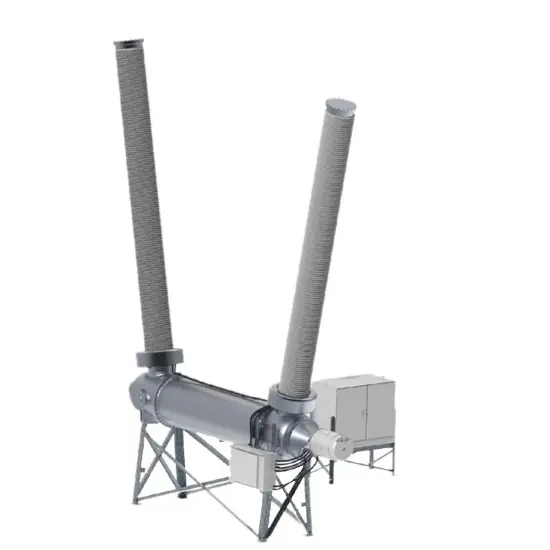
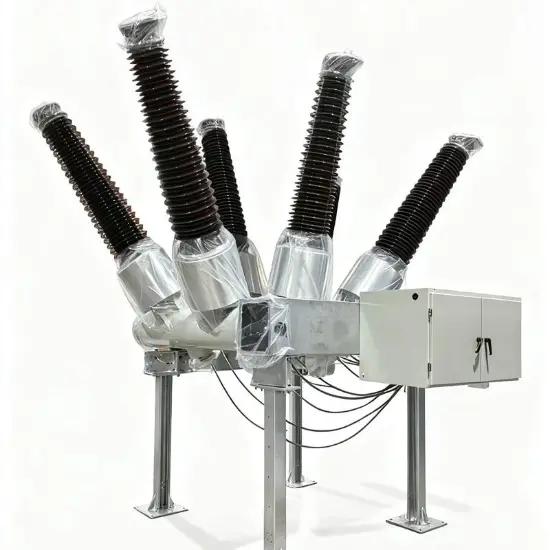
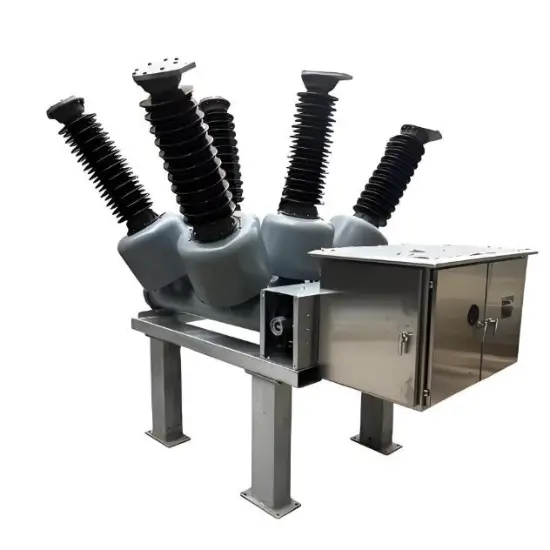
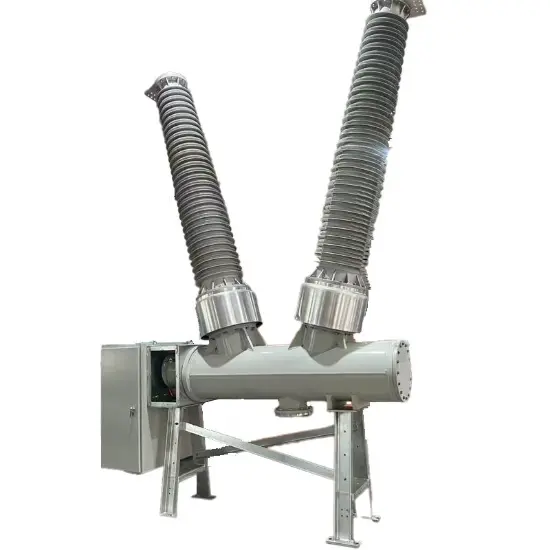
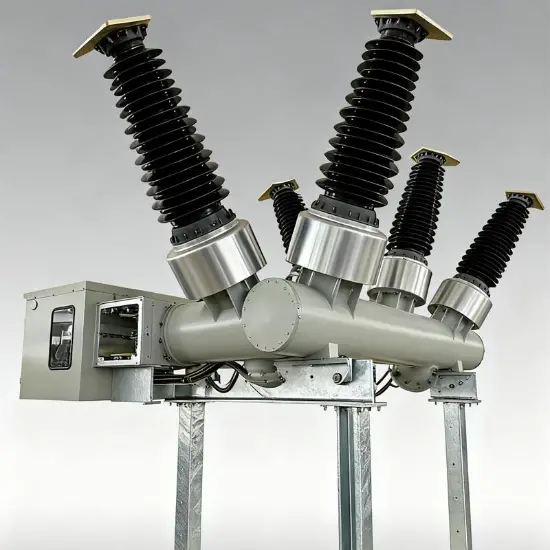
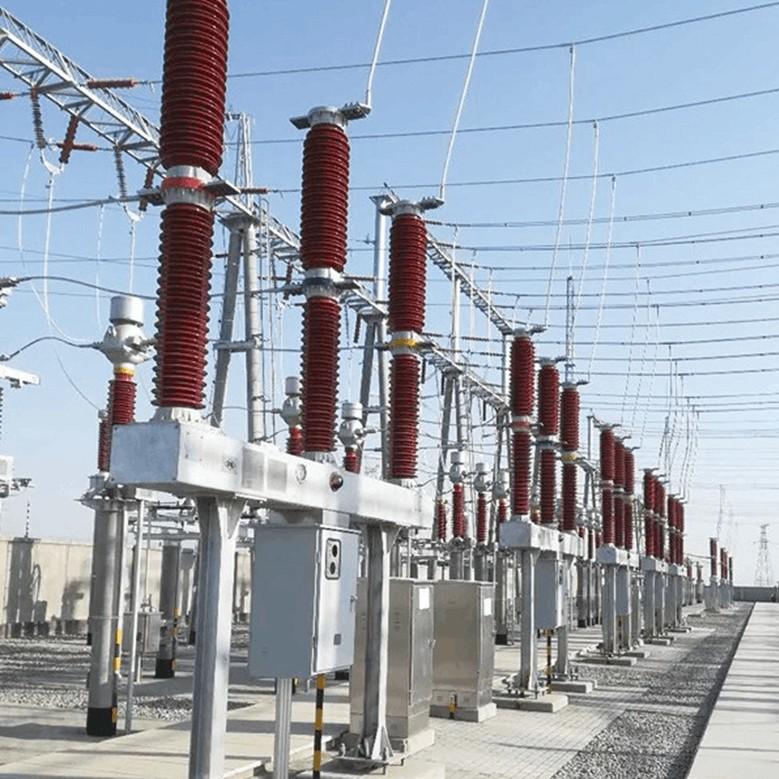
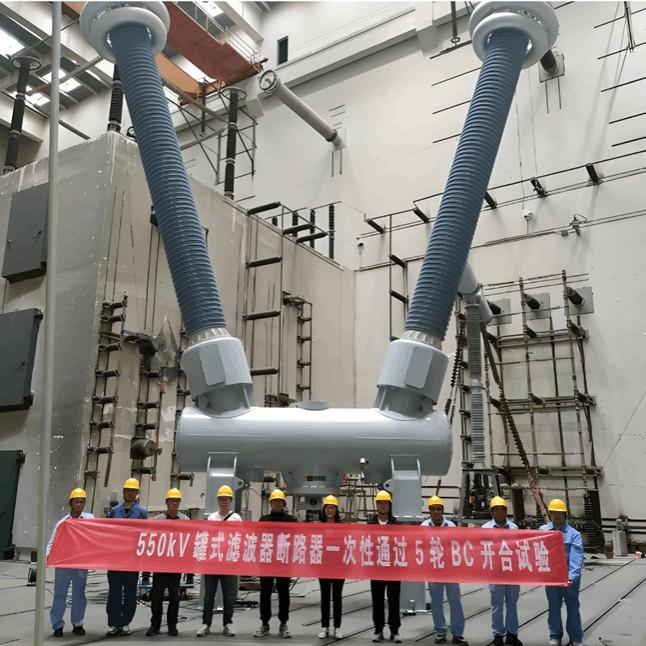
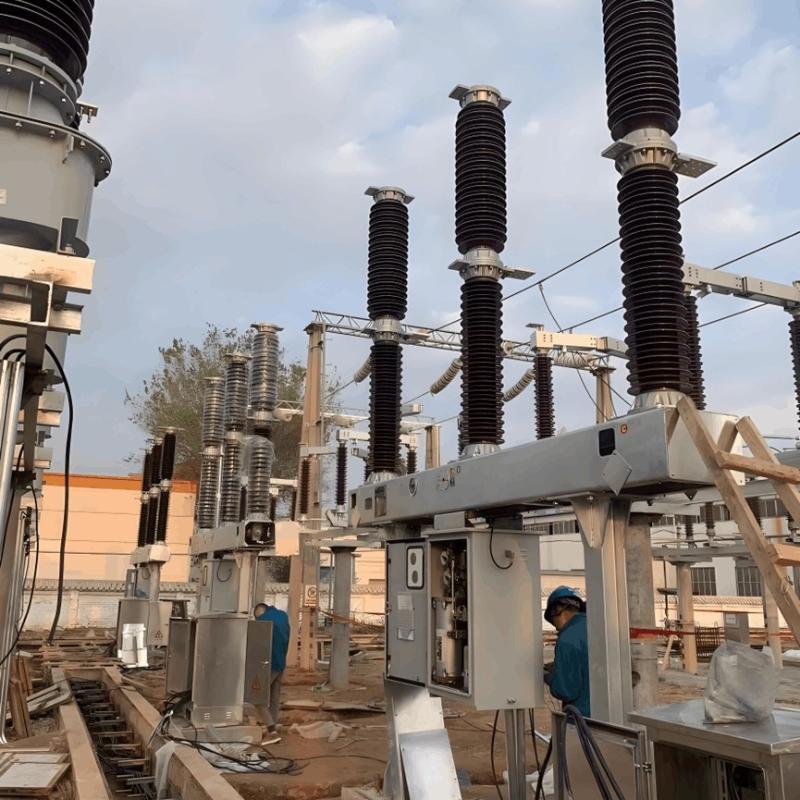
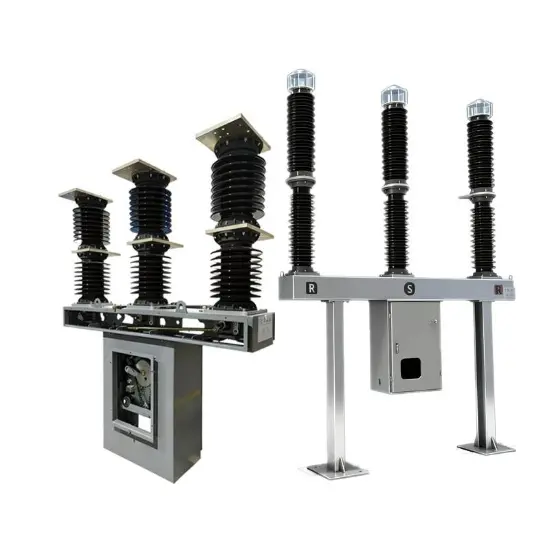
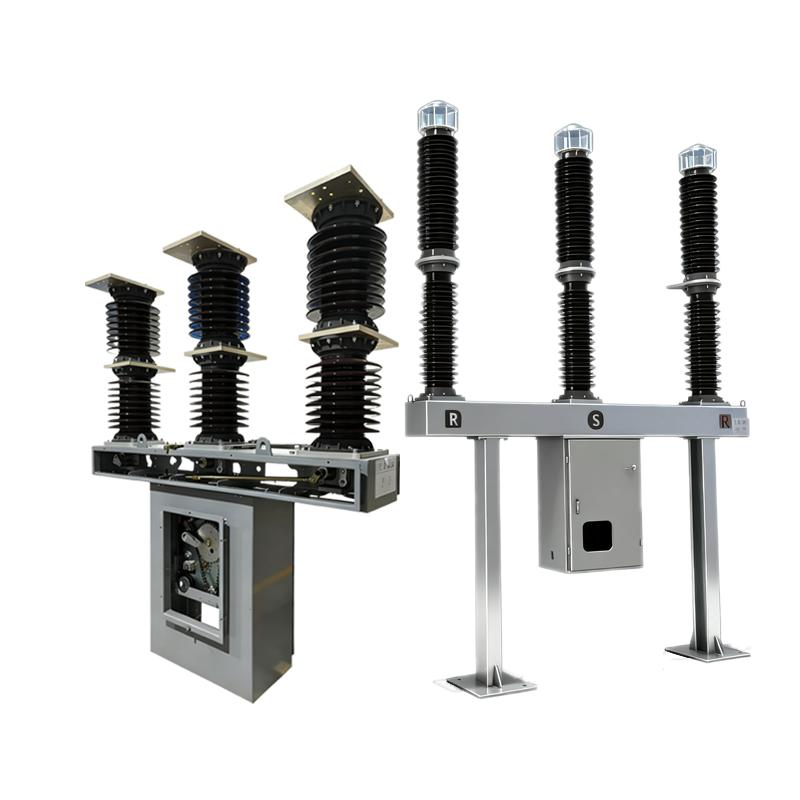
The RHB type Live tank SF6 gas circuit breaker is specifically designed for outdoor high - voltage environments. Utilizing self - blast arc - extinguishing technology and taking advantage of the excellent insulating and arc - extinguishing properties of SF₆ gas, it can quickly quench arcs, ensuring the efficient interruption of fault currents. With a compact and robust structure, it can adapt to various harsh weather conditions. It boasts high reliability and a long service life, which can significantly reduce maintenance frequency, making it a key device for enhancing the safety and stability of power systems.
Main function introduction:
SF6 gas is used for arc extinguishing
Monitor with a pointer-type density relay
Adopt the self-blast arc extinguishing principle
Adopt pointer-type density relays for pressure and density monitoring
Technology parameters:
RHB-40.5
| Item | Unit | Parameter |
| Rated voltage | kV | 40.5 |
| Rated frequency | Hz | 50/60 |
| Rated current | A | up to 4000 |
| Rated short-time withstand current, up to 3 s | kA | up to 63 |
| Rated peak withstand current | kA | 80 |
| Rated short-duration power-frequency withstand voltage( 1 min) | kV | 95 |
| Power-frequency withstand voltage( 1 min ),across open contacts | kV | 95 |
| Rated lightning impulse withstand voltage 1.2/50 us | kV | 200 |
| Rated lightning impulse withstand voltage 1.2/50 us, across open contacts | kV | 250 |
| Rated filling pressure (abs. at 20℃) circuit-breaker/other components | Mpa | 0.5 |
| Minimum functional pressure (abs. at 20℃) circuit-breaker/other components | Mpa | 0.4 |
| Temperature range (ambient) | ℃ | -30...+40 |
| Type of installation | outdoor | |
| Partial discharge capacity | PC | <5 |
| SF6 leakage rate per year | <0.5% | |
| Maintenance cycle | Year | 30 |
RHB-72.5
| Item | Unit | Parameter |
| Rated voltage | kV | 72.5 |
| Rated frequency | Hz | 50 |
| Rated current | A | up to 4000 |
| Rated short-time withstand current, up to 3 s | kA | up to 63 |
| Rated peak withstand current | kA | 100 |
| Rated short-duration power-frequency withstand voltage( 1 min) | kV | 140 |
| Power-frequency withstand voltage( 1 min ),across open contacts | kV | 160 |
| Rated lightning impulse withstand voltage 1.2/50 us | kV | 325 |
| Rated lightning impulse withstand voltage 1.2/50 us, across open contacts | kV | 375 |
| Rated filling pressure (abs. at 20℃) circuit-breaker/other components | Mpa | 0.5/0.6 |
| Minimum functional pressure (abs. at 20℃) circuit-breaker/other components | Mpa | 0.5/0.5 |
| Temperature range (ambient) | ℃ | -30...+40 |
| Type of installation | outdoor | |
| Partial discharge capacity | PC | <5 |
| SF6 leakage rate per year | <0.5% | |
| Maintenance cycle | Year | 30 |
RHB-123/145
| Item | Unit | Parameter | |
| Rated voltage | kV | 123 | 145 |
| Rated frequency | Hz | 50/60 | |
| Rated current | A | up to 4000 | |
| Rated short-time withstand current, up to 3 s | kA | up to 63 | |
| Rated peak withstand current | kA | 100 | |
| Rated short-duration power-frequency withstand voltage( 1 min) | kV | 230 | 275 |
| Power-frequency withstand voltage( 1 min ),across open contacts | kV | 265 | 315 |
| Rated lightning impulse withstand voltage 1.2/50 us | kV | 550 | 650 |
| Rated lightning impulse withstand voltage 1.2/50 us, across open contacts | kV | 650 | 750 |
| Rated filling pressure (abs. at 20℃) circuit-breaker/other components | Mpa | 0.6 | |
| Minimum functional pressure (abs. at 20℃) circuit-breaker/other components | Mpa | 0.5 | |
| Temperature range (ambient) | ℃ | -30...+40 | |
| Type of installation | outdoor | ||
| Partial discharge capacity | PC | <5 | |
| SF6 leakage rate per year | <0.5% | ||
| Maintenance cycle | Year | 30 | |
RHB-170
| Item | Unit | Parameter |
| Rated voltage | kV | 170 |
| Rated frequency | Hz | 50/60 |
| Rated current | A | up to 4000 |
| Rated short-time withstand current, up to 3 s | kA | up to 63 |
| Rated peak withstand current | kA | 125 |
| Rated short-duration power-frequency withstand voltage( 1 min) | kV | 275 |
| Power-frequency withstand voltage( 1 min ),across open contacts | kV | 315 |
| Rated lightning impulse withstand voltage 1.2/50 us | kV | 650 |
| Rated lightning impulse withstand voltage 1.2/50 us, across open contacts | kV | 750 |
| Rated filling pressure (abs. at 20℃) circuit-breaker/other components | Mpa | 0.5 |
| Minimum functional pressure (abs. at 20℃) circuit-breaker/other components | Mpa | 0.4 |
| Temperature range (ambient) | ℃ | -40...+40 |
| Type of installation | outdoor | |
| Partial discharge capacity | PC | <5 |
| SF6 leakage rate per year | <0.5% | |
| Maintenance cycle | Year | 30 |
RHB-252
| Item | Unit | Parameter |
| Rated voltage | kV | 252 |
| Rated frequency | Hz | 50/60 |
| Rated current | A | up to 4000 |
| Rated short-time withstand current, up to 3 s | kA | up to 63 |
| Rated peak withstand current | kA | 100/125 |
| Rated short-duration power-frequency withstand voltage( 1 min) | kV | 460 |
| Power-frequency withstand voltage( 1 min ),across open contacts | kV | 530 |
| Rated lightning impulse withstand voltage 1.2/50 us | kV | 1050 |
| Rated lightning impulse withstand voltage 1.2/50 us, across open contacts | kV | 1200 |
| Rated filling pressure (abs. at 20℃) circuit-breaker/other components | Mpa | 0.6/0.6 |
| Minimum functional pressure (abs. at 20℃) circuit-breaker/other components | Mpa | 0.5/0.5 |
| Temperature range (ambient) | ℃ | -30...+40 |
| Type of installation | outdoor | |
| Partial discharge capacity | PC | <5 |
| SF6 leakage rate per year | <0.5% | |
| Maintenance cycle | Year | 30 |
RHB-363
| Item | Unit | Parameter |
| Rated voltage | kV | 363 |
| Rated frequency | Hz | 50/60 |
| Rated current | A | up to 4000 |
| Rated short-time withstand current, up to 3 s | kA | up to 63 |
| Rated peak withstand current | kA | 100/125 |
| Rated short-duration power-frequency withstand voltage( 1 min) | kV | 450 |
| Power-frequency withstand voltage( 1 min ),across open contacts | kV | 520 |
| Rated lightning impulse withstand voltage 1.2/50 us | kV | 1175 |
| Rated lightning impulse withstand voltage 1.2/50 us, across open contacts | kV | 1175 |
| Rated filling pressure (abs. at 20℃) circuit-breaker/other components | Mpa | 0.6 |
| Minimum functional pressure (abs. at 20℃) circuit-breaker/other components | Mpa | 0.5 |
| Temperature range (ambient) | ℃ | -30...+40 |
| Type of installation | outdoor | |
| Partial discharge capacity | PC | <5 |
| SF6 leakage rate per year | <0.5% | |
| Maintenance cycle | Year | 30 |
Device structure:
RHB-40.5

RHB-72.5

RHB-123/145

RHB-170

RHB-252

RHB-363

1. Select the circuit breaker corresponding to the voltage level based on the power grid level
The standard voltage (12/24/40.5/72.5/126/170/245/363/420/550/800/1100kV) is matched with the corresponding nominal voltage of the power grid. For example, for a 35kV power grid, a 40.5kV circuit breaker is selected. According to standards such as GB/T 1984/IEC 62271-100, the rated voltage is ensured to be ≥ the maximum operating voltage of the power grid.
2. Applicable scenarios for non-standard customized voltage
Non standard customized voltage (11/22/44/52/132/230/275/300/345/400/380/765kV) is used for special power grids, such as the renovation of old power grids and specific industrial power scenarios. Due to the lack of suitable standard voltage, manufacturers need to customize according to power grid parameters, and after customization, insulation and arc extinguishing performance must be verified.
3. The consequences of selecting the wrong voltage level
Choosing a low voltage level can cause insulation breakdown, leading to SF leakage and equipment damage; Choosing a high voltage level significantly increases costs, increases operational difficulties, and may also result in performance mismatch issues.