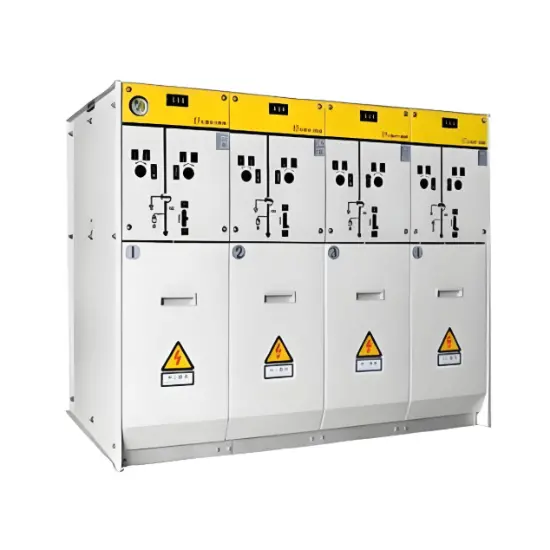
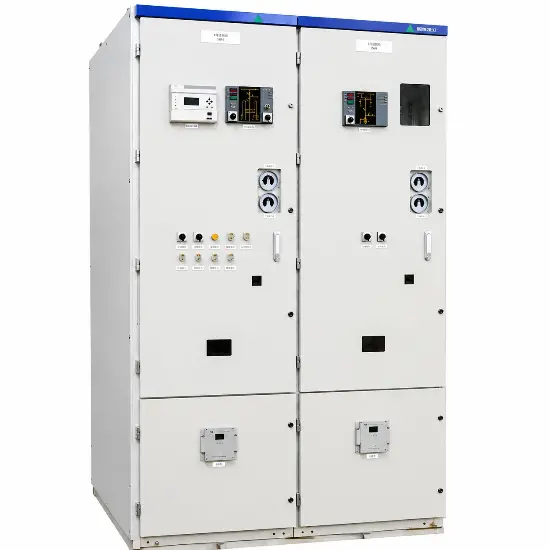
| Brand | ROCKWILL |
| Series | RMR,RGIS,REC |
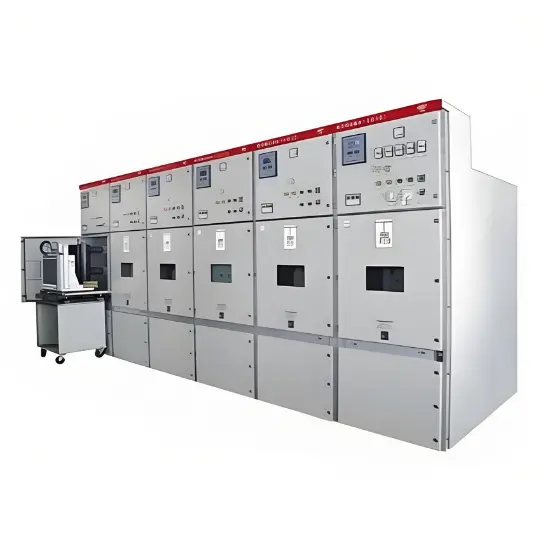
Sealed-tank gas insulated switchgear for primary distribution — G3 clean gas or SF6, vacuum interruption, 12kV to 40.5kV, indoor and outdoor configurations, built for maintenance-free service.
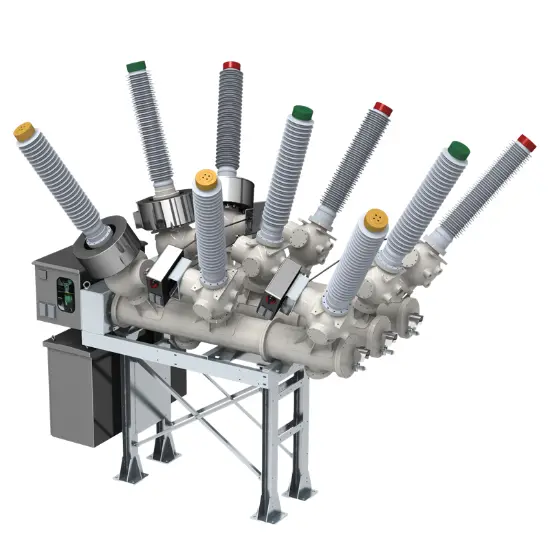
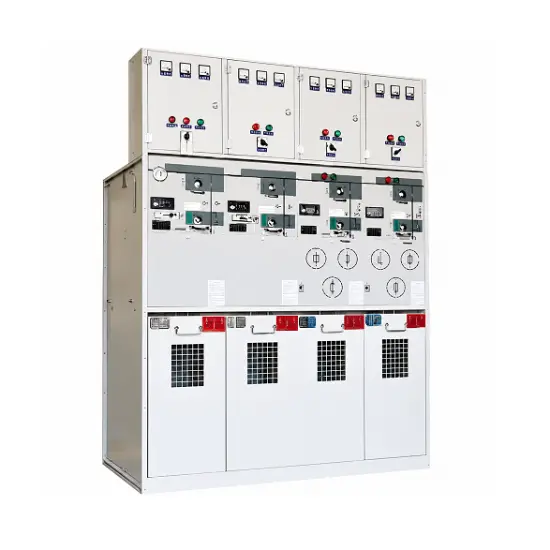
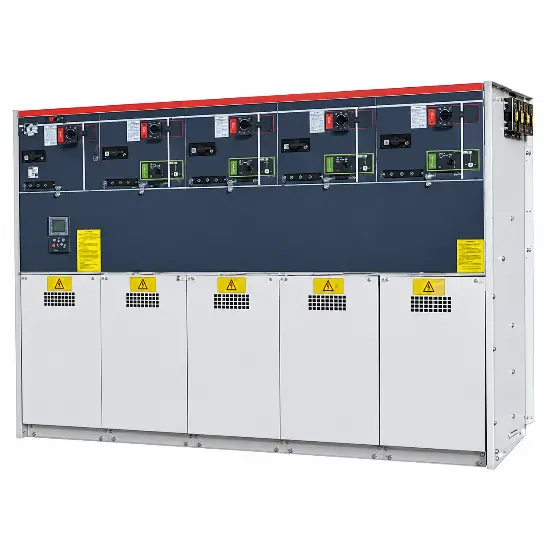
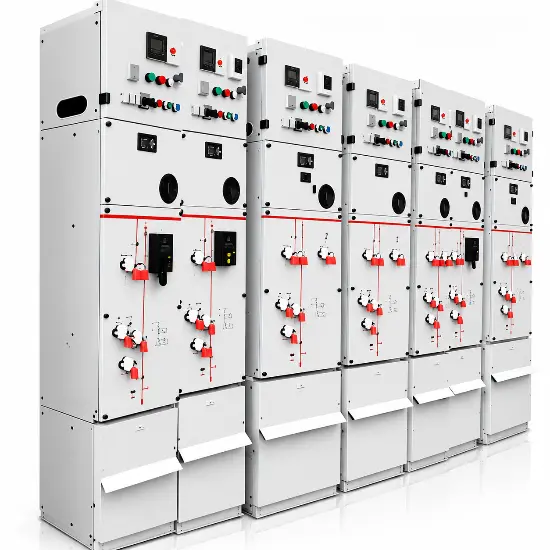
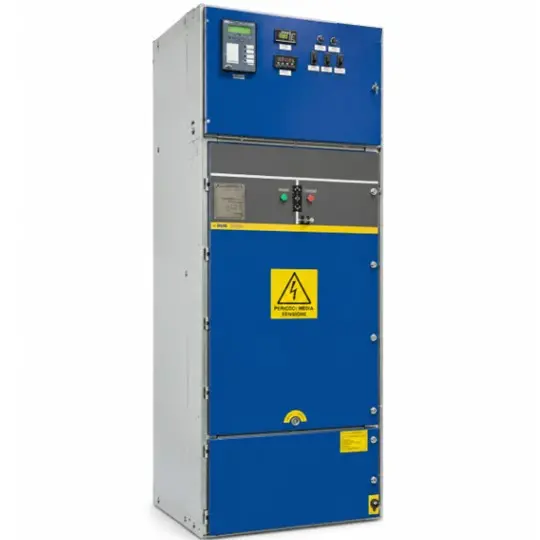
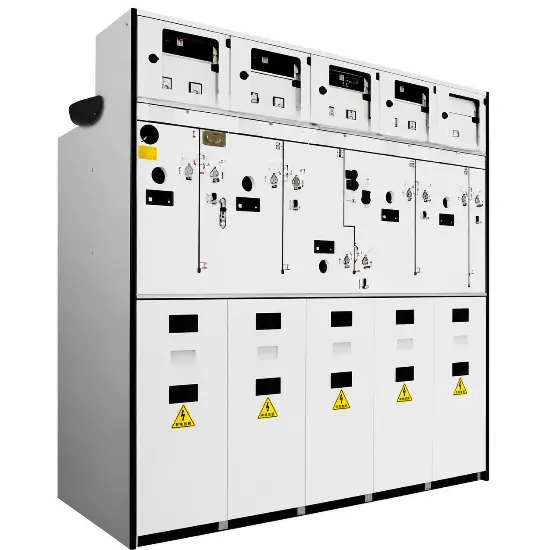
Primary gas insulated switchgear places the switching, protection and cable termination functions inside a sealed stainless-steel tank filled with insulating gas. The vacuum interrupter does the switching; the gas does the insulation. That division is what makes primary GIS compact, immune to pollution and humidity, and effectively maintenance-free for its 30-year design life.
It sits at the primary distribution level — the first stage below the substation transformer — where currents and fault levels are highest in the MV range: 630–1250A continuous and 20–25kA for 3–4 seconds. Its job is to receive, sectionalise and protect the feeders that supply secondary substations, industrial plants and renewable-energy collector nodes.
ROCKWILL builds this class in two dielectrics — SF6 for proven compactness and G3 clean gas for F-gas-free projects — with both sharing the same tank architecture, the same vacuum interruption and the same IEC 62271 test regime. The result is one engineering platform with two policy options, so a project can change dielectric without changing switch room design.
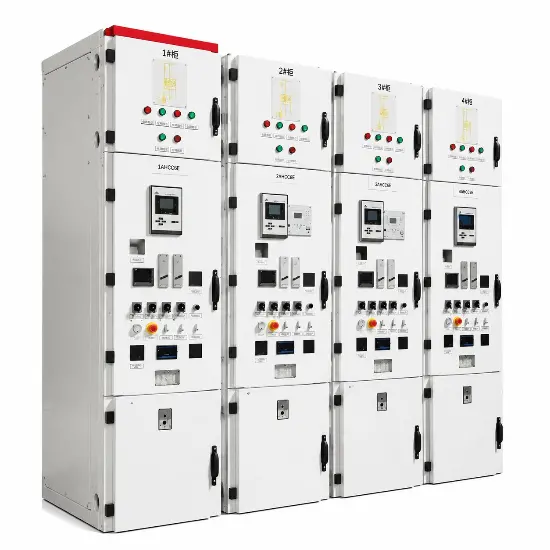
Each product links to its dedicated page with full specifications and documentation.
Sealed G3 clean-gas primary RMU covering 12kV to 40.5kV in one tank family — near-zero GWP and no F-gas reporting.
Maintenance-free G3 ring main unit for the upper end of primary distribution, 33kV through 40.5kV.
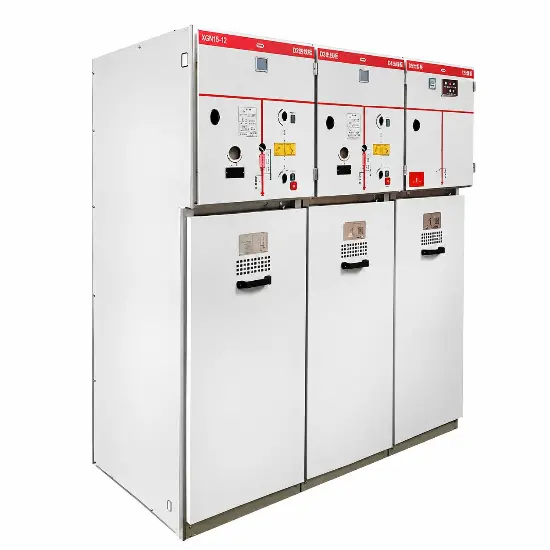
REC-series eco-friendly gas-insulated RMU for 12kV distribution networks — a greener tank for urban and industrial primary nodes.
IEC-standard SF6 gas insulated ring main unit for 33kV to 40.5kV primary distribution networks.
SF6 gas insulated RMU with vacuum interruption, built for primary distribution networks at 12kV.
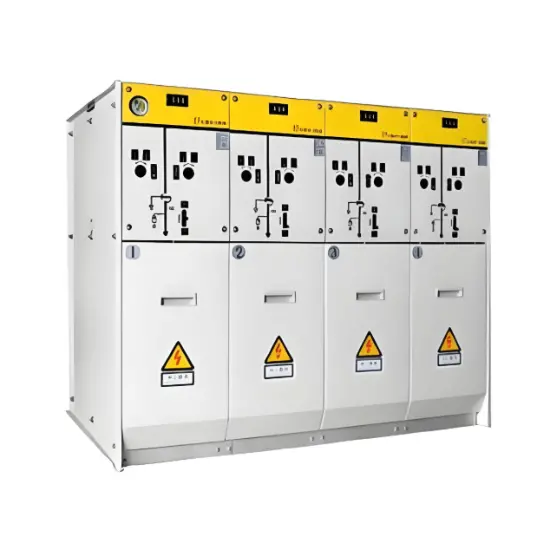
SF6 MV ring main unit switchgear for urban power grids — compact primary node for congested city distribution.
Extensible, modular SF6 RMU with stainless-steel tank (≤0.1% annual leakage) and a 30-year design life.
RMR indoor SF6 ring main unit with enclosure for 36kV primary distribution rooms.
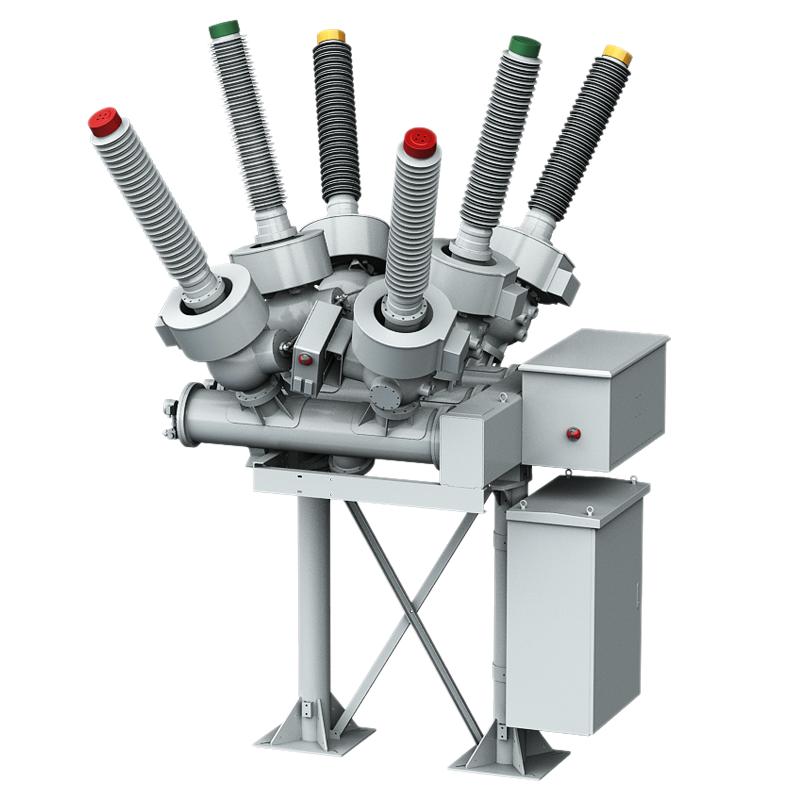
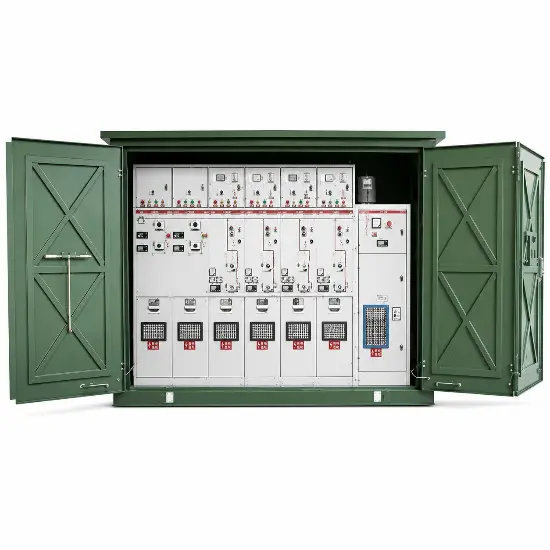
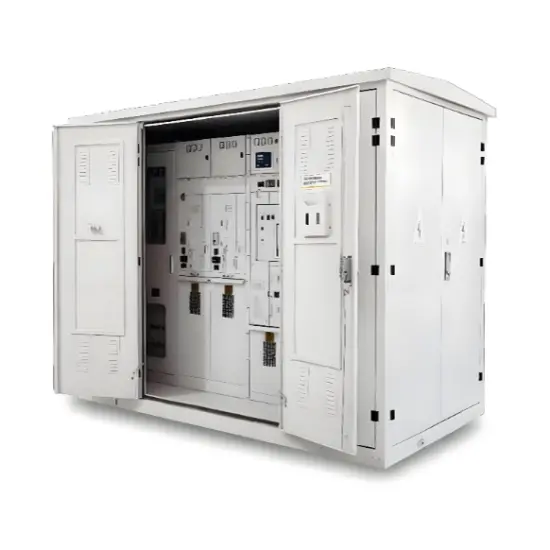
RGIS outdoor gas insulated RMU in a welded stainless-steel, pressure-sealed enclosure with IP65 protection.
The portfolio is organised around two decisions: which voltage class the network uses, and whether the project permits SF6. Both paths are covered from 12kV to 40.5kV.
| Class | G3 clean gas | SF6 indoor | SF6 outdoor | Typical duty |
|---|---|---|---|---|
| 12kV | Primary Gas Insulated RMU (3438) | SF6 RMU 12kV (1890); Eco-friendly RMU 12kV (2595) | Outdoor SF6 RMU (3077) | Urban distribution, industrial feeders |
| 24kV | Primary Gas Insulated RMU (3438) | Extensible SF6 RMU 24kV (2648) | Outdoor SF6 RMU (3077) | Secondary substations, expandable rings |
| 33 / 35kV | G3 RMU 33/35/40.5kV (3306) | SF6 GIS RMU 33–40.5kV (3283) | Outdoor SF6 RMU (3077) | Sub-transmission step-down nodes |
| 36kV | G3 RMU 33/35/40.5kV (3306) | Indoor SF6 RMU 36kV (3066) | Outdoor SF6 RMU (3077) | Regional distribution rooms |
| 40.5kV | G3 RMU 33/35/40.5kV (3306) | SF6 GIS RMU 33–40.5kV (3283) | Outdoor SF6 RMU (3077) | MV ceiling, transformer incoming |
| Decision point | G3 clean gas | SF6 gas |
|---|---|---|
| Global warming potential | Near-zero GWP, no F-gas reporting | Very high GWP, F-gas accounting applies |
| Footprint | Compact, slightly larger than SF6 | Smallest tank for the same rating |
| Dielectric withstand | 70 / 80 / 95kV at 33/35/40.5kV | 70 / 80 / 95kV at 33/35/40.5kV |
| Maintenance | Sealed for life, maintenance-free | Sealed for life, pressure monitoring |
| Best fit | F-gas-free tenders, green procurement, ESG-driven utilities | Retrofit, restricted rooms, legacy specifications |
| Project situation | Recommended family | Why it fits |
|---|---|---|
| Urban primary node with limited space | SF6 GIS RMU 33–40.5kV | Smallest footprint at the highest MV rating, sealed tank |
| Utility with an F-gas reduction target | G3 RMU / Primary Gas Insulated RMU | Near-zero GWP on the same tank platform, no SF6 accounting |
| Expandable ring that grows in phases | Extensible SF6 RMU 24kV | Extensible and modular formats, expansion without SF6 transfer |
| Outdoor pad, coastal or polluted site | Outdoor SF6 GIS RMU 7.2–40.5kV | IP65 welded enclosure, pressure-relief duct, 3150A busbar |
| Higher fault level industrial plant | SF6 GIS RMU 33–40.5kV / RGIS | 20–25kA (40kA outdoor) with breaker-based protection |
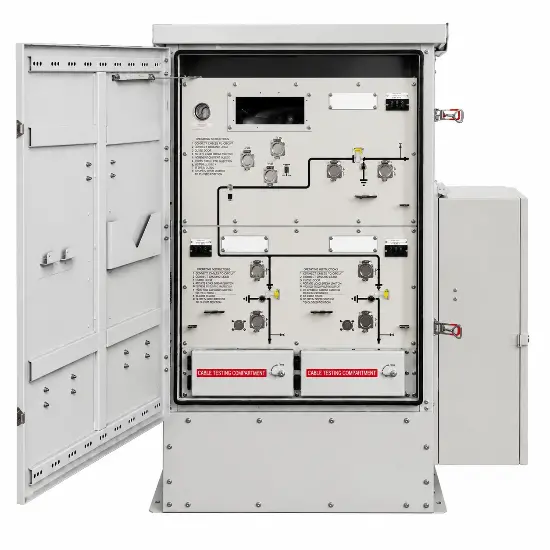
Sealed-tank designs are type-tested at recognised high-voltage laboratories, including the China Electric Power Research Institute and Xi'an High Voltage Apparatus Research Institute.
IEC 62271-1 common clauses, IEC 62271-102 / -103 for RMUs, IEC 62271-200 for metal-enclosed assemblies, IEC 60529 for IP ratings.
Dielectric, resistance and mechanical operation tests on every unit, with drawings and IEC documentation issued for tender submission.
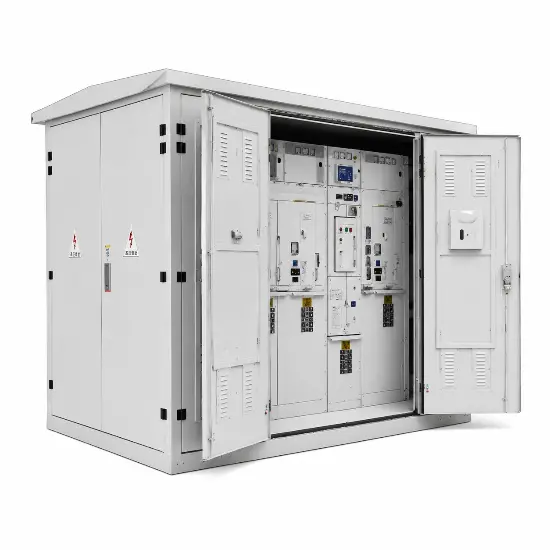
Gas insulation inside a stainless-steel tank is unaffected by salt, dust, humidity or flooding — the reason primary GIS can sit outdoors or in basements where air-insulated boards cannot.
Dielectric strength of SF6 and G3 is several times that of air, so the same 40.5kV rating fits in a fraction of the switch room — decisive in urban retrofit projects.
Vacuum interruption means no arc by-products in the tank; a sealed, robot-welded enclosure with ≤0.1% annual leakage rate supports a 30-year life without gas top-up.
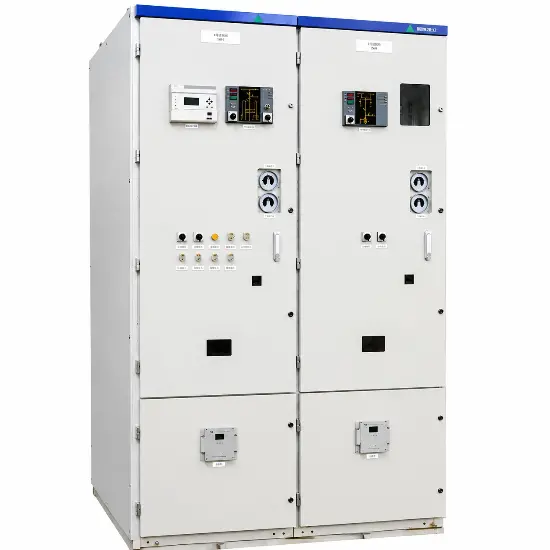


It is medium voltage switchgear for primary distribution in which the busbar, switching and cable terminations sit inside a sealed tank filled with insulating gas, with vacuum interrupters doing the switching. It is typically used at 12kV to 40.5kV.
Primary GIS is rated for the main distribution level and carries higher currents and fault levels (630–1250A, 20–25kA), with breaker-based protection. Secondary GIS serves the last distribution step, usually with load break switches and lower ratings.
G3 has near-zero global warming potential and avoids F-gas reporting; SF6 remains the most compact and widely type-tested option. Both use the same sealed-tank and vacuum-interruption architecture, so the choice is usually driven by project policy rather than performance.
Yes. The RGIS outdoor version uses a welded stainless-steel, pressure-sealed enclosure with IP65 protection and a pressure-relief duct, rated from 7.2kV to 40.5kV.
Designs follow IEC 62271-1 and IEC 62271-102 / -103 for RMUs, with type tests at recognised high-voltage laboratories and routine tests on every unit before shipment.













 Login