Automatic Recloser Controller ngadto sa Cebuano: Awtomatikong Pagsarado nga Tagapamahala
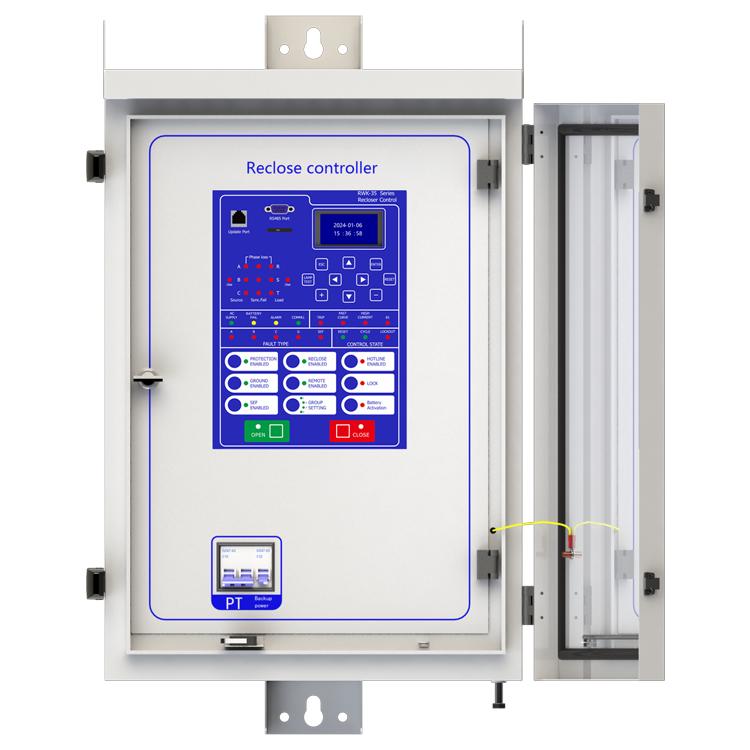
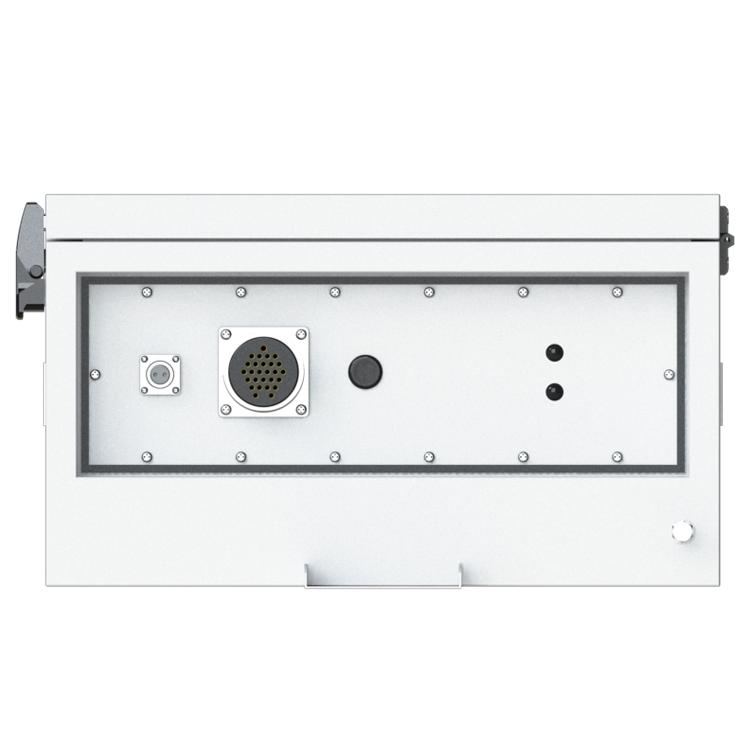
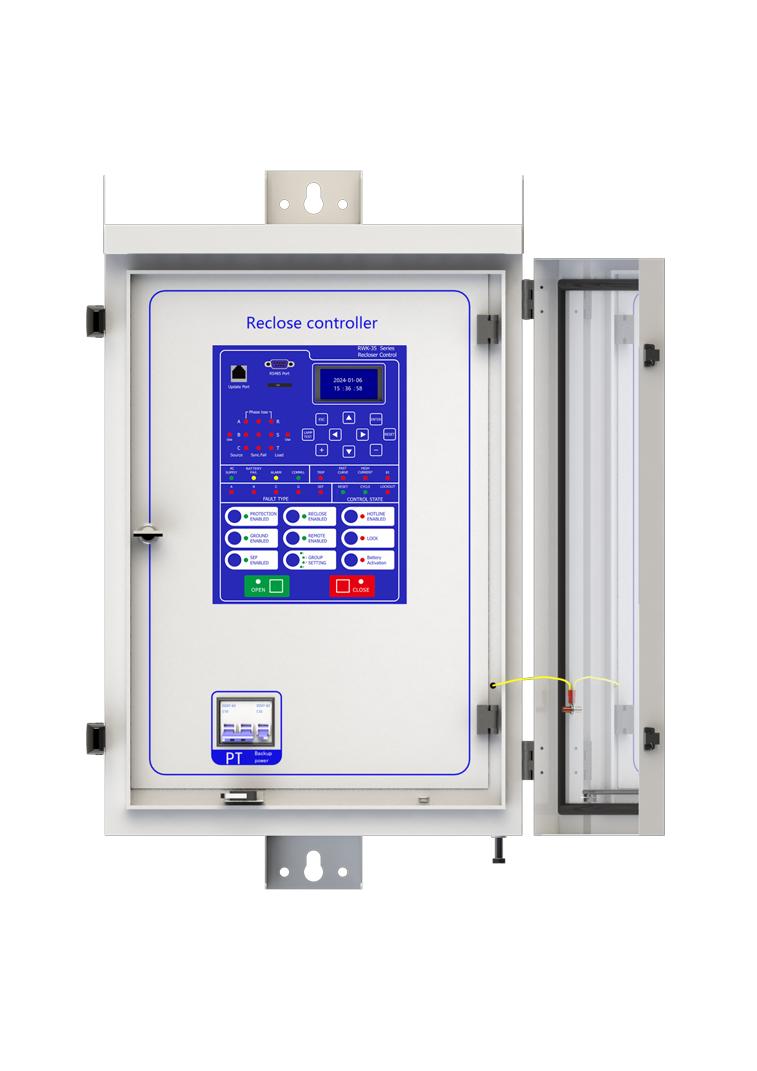
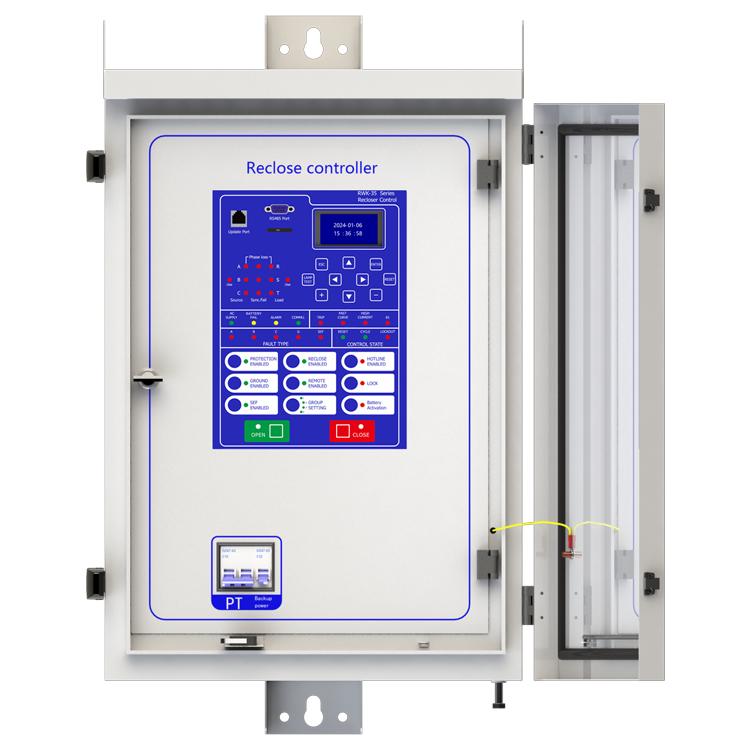
Mga mahalagang katangian
| Brand | RW Energy |
| Numero sa Modelo | Automatic Recloser Controller ngadto sa Cebuano: Awtomatikong Pagsarado nga Tagapamahala |
| Naka nga boltahang rated | 230V ±20% |
| Nasodnong peryedyo | 50/60Hz |
| Konsumo sa Electrikidad | ≤5W |
| Versyon | V2.3.3 |
| Serye | RWK-35 |
Mga deskripsyon sa produkto gikan sa supplier
Mga Pahayag
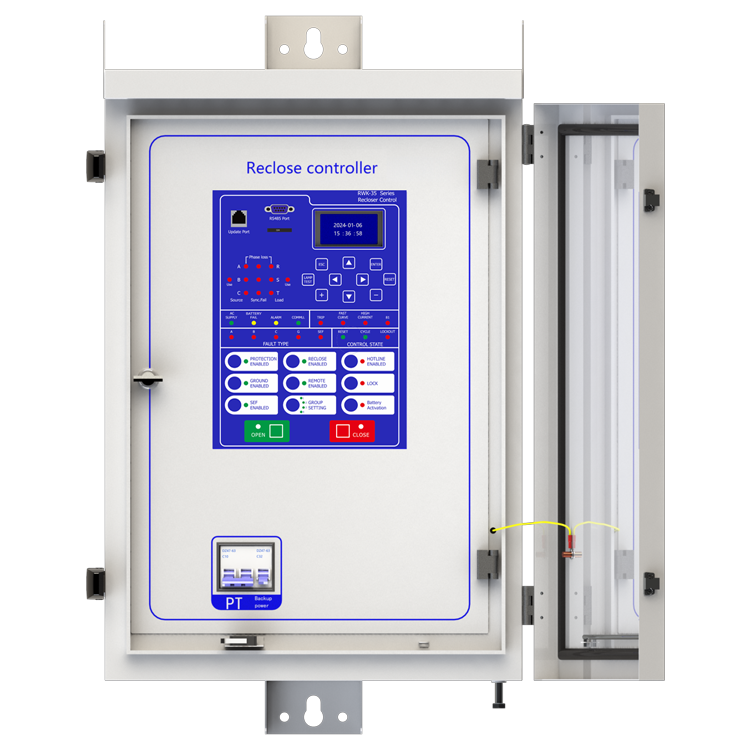
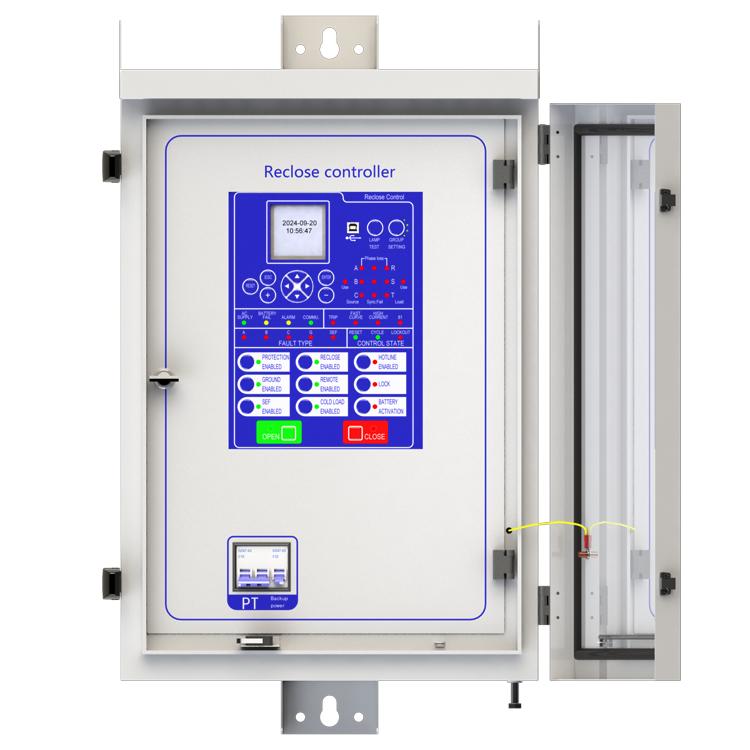
Ang RWK-35 usa ka intelligent medium Voltage controller nga gigamit sa overhead line grid monitoring aron maprotektahan ang overhead line. Kini mahimong pagbutangan og CW(VB) type vacuum circuit breaker aron maabot ang automatic monitoring, fault analysis ug store event records.
Kini nga yunit naghatag og safe line switching sa mga fault sa power grid ug naghatag og automatic power recovery. Ang serye sa RWK-35 kuyog sa hangtod sa 35kV outdoor switchgear sama sa vacuum circuit breakers, oil circuit breakers, ug gas circuit breakers. Ang RWK-35 intelligent controller gipakompleto ngadto sa line protection, control, measurement, ug monitoring sa Voltage ug current signals nga integrated automation ug control devices sa labas.
Ang RWK usa ka automatic management unit para sa single way/multi ways/ring network/two power sourcing, na-provide og tanang Voltage ug current signals ug tanang function. Ang RWK-35 column switch intelligent controller nagsuporta sa: Wireless (GSM/GPRS/CDMA), Ethernet mode, WIFI, optical fiber, power line carrier, RS232/485, RJ45, ug uban pang form sa communication, ug makapuyo sa uban nga station premises equipment (tulad ni TTU, FTU, DTU, etc.).
Pangunhing Pahayag sa Function
1. Protection relay functions:
1) 79 Auto Reclose (Reclose) ,
2) 50P Instantaneous/Definite-Time Overcurrent (P.OC) ,
3) 51P Phase Time-Overcurrent(P.Fast curve/P.Delay curve),
4) 50/67P Directional Phase Overcurrent (P.OC-Direction mode (2-Forward /3-Reverse)),
5) 51/67P Directional Phase Time-Overcurrent (P.Fast curve/P.Delay curve-Direction mode (2-Forward/3-Reverse)),
6) 50G/N Ground Instantaneous/Definite-Time Overcurrent (G.OC),
7) 51G/N Ground Time-Overcurrent (G.Fast curve/G.Delay curve),
8) 50/67G/N Directional Ground Overcurrent (G.OC- Direction mode (2-Forward/3-Reverse)) ,
9) 51/67G/P Directional Ground Time-Overcurrent (P.Fast curve/P.Delay curve-Direction mode (2-Forward/3-Reverse)),
10) 50SEF Sensitive Earth Fault (SEF),
11) 50/67G/N Directional Sensitive Earth Fault (SEF-Direction mode (2-Forward/ 3-Reverse)) ,
12) 59/27TN Earth Fault Protection With 3RD Harmonics (SEF-Harmonic inhibit enabled) ,
13) 51C Cold Load,
14) TRSOTF Switch-Onto-Fault (SOTF) ,
15) 81 Frequency protection ,
16) 46 Negative- Sequence Overcurrent (Nega.Seq.OC),
17) 27 Under Voltage (L.Under volt),
18) 59 Over Voltage (L.Over volt),
19) 59N Zero-Sequence Over Voltage (N.Over volt),
20) 25N Synchronism-Check,
21) 25/79 Synchronism-Check/Auto Reclose,
22) 60 Voltage unbalance,
23) 32 Power direction,
24) Inrush,
25) Loss of phase,
26) Live load block,
27) High gas,
28) High temperature,
29) hotline protection.
2. Supervision functions:
1) 74T/CCS Trip & Close Circuit Supervision,
2) 60VTS. VT Supervision.
3. Control functions:
1) 86 Lockout,
2) circuit-breaker control.
4. Monitoring Functions:
1) Primary/Secondary Phases and Earth Currents,
2) Phases Current with 2nd Harmonics and Earth Current With 3RD Harmonics,
3) Direction, Primary/Secondary Line and Phase Voltages,
4) Apparent Power and Power Factor,
5) Real and Reactive Power,
6) Energy and History Energy,
7) Max Demand and Month Max Demand,
8) Positive Phase Sequence Voltage,
9) Negative Phase Sequence Voltage & Current,
10) Zero Phase Sequence Voltage,
11) Frequency, Binary Input/Output status,
12) Trip circuit healthy/failure,
13) Time and date,
14) Trip, alarm,
15) signal records, Counters,
16) Wear, Outage.
5. Communication functions:
a. Communication interface: RS485X1,RJ45X1
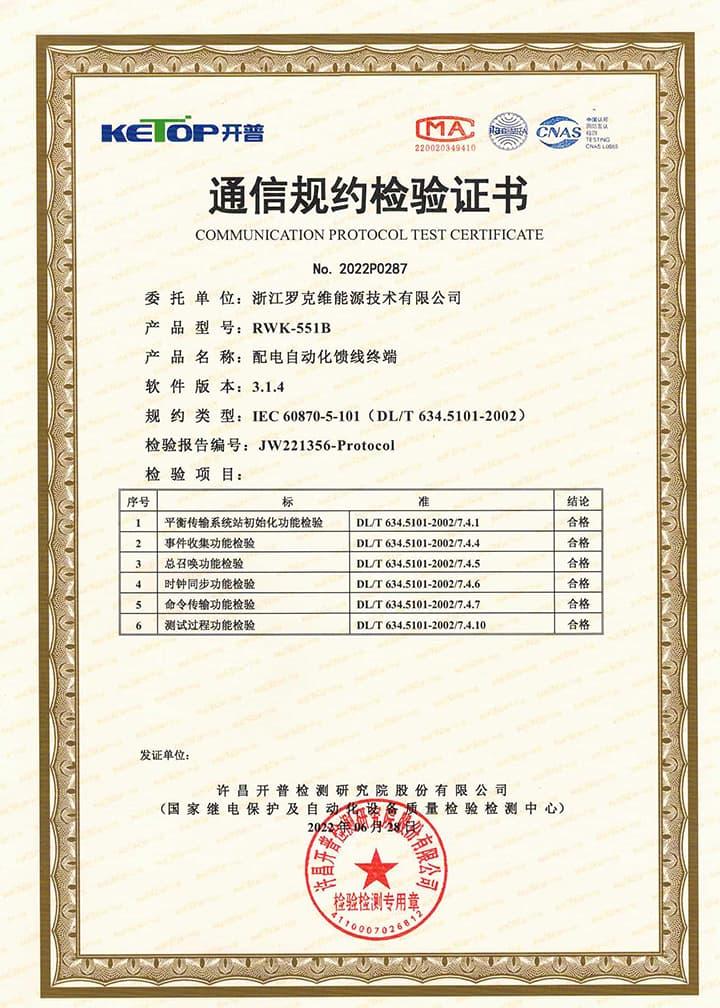
b. Communication protocol: IEC60870-5-101; IEC60870-5-104; DNP3.0; Modbus-RTU
c. PC software: RWK381HB-V2.1.3,The address of the information body can be edited and queried by PC software,
d. SCADA system: SCADA systems that support the four protocols shown in "b.”.
6. Data Storage functions:
1) Event Records,
2) Fault Records,
3) Measurands.
7. remote signaling remote measuring, remote controlling function can be customized address.
Technology parameters

Device structure


About customization
The following optional functions are available: Power supply rated at 110V/60Hz, cabinet heating defrosting device, battery upgrade to lithium battery or other storage equipment, GPRS communication module,1~2 signal indicators,1~4 protection pressure plates, the second voltage transformer, custom aviation socket signal definition.
For detailed customization, please contact the salesman.
Q: Ano ang recloser?
A: Ang reclosing device usa ka device nga makakita sa automatic detection sa fault current, ug automatic cut off sa circuit kon may fault, ug paghuman perform multiple reclosing operations.
Q: Ano ang function sa recloser?
A: Ginagamit kini sa distribution network. Kon may temporary fault sa line (tulad sa branch touching the line for a short time), ang reclosing device restores power supply pinaagi sa reclosing operation, nga dako kaayo nakatabang sa pagreduce sa outage time ug scope ug nag-improve sa power supply reliability.
Q: Asa ang recloser magdetermine sa type sa failure?
A: Ini monitor nia ang characteristics sama sa magnitude ug duration sa fault currents. Kon permanent ang fault, human sa preset number of reclosing, ang reclosing device will be locked aron iwasan ang further damage sa device.
Q: Asa ang application scenarios sa reclosers?
A: Widespread kini gamiton sa urban distribution network ug rural power supply network, nga effective cope sa various possible line failures ug ensure stable supply of power.

Ang Three-Section Overcurrent Protection mao ang usa ka koordinadong sistema sa pagprotekta nga gi gamit sa mga sistema sa kuryente aron mopilde ug isulay ang mga kasayahan (e.g., short circuits) samtang sigurado ang pagpili sa pag trip. Kini gisakop og tulo ka yugto uban ang ilang kaugalingon nga operasyon batas sa magnitude sa kuryente ug delay sa panahon:
- Instantaneous Overcurrent Protection (Section I)
Pungtaron: Nag responde agad sa dako nga overcurrents nga mas taas sa high-set threshold (e.g., 5–10 times the rated current).
Layun: Agad nga mopilde sa mga close-in faults (near the protection device) aron maprevent ang pagkasira sa equipment.
Dakong Pungtaron: Walay intentional time delay (operates in milliseconds).
- Time-Delayed Overcurrent Protection (Section II)
Pungtaron: Nagsiguro human sa predefined short delay (e.g., 0.1–0.5 seconds) para sa moderate overcurrents (e.g., 2–5 times the rated current).
Layun: Mga handle sa faults nga mas layo gikan sa protection device, naghatag og oportunidad sa downstream breakers nga mopilde sa localized faults unang (selectivity).
Koordination: Gigamit ang time-graded scheme—mas taas nga fault currents (closer faults) trip mas rapido, samtang mas bata nga currents (remote faults) trip mas dili matag.
- Backup Overcurrent Protection (Section III)
Pungtaron: Nagsiguro human sa longer time delay (e.g., several seconds) para sa low-magnitude overcurrents (e.g., 1.2–2 times the rated current).
Layun: Nag serbisyo isip backup para sa primary protection (Sections I/II) ug nagsilbi sa overloads o persistent faults.
Pungtaron: Mahimo mogamit ang inverse-time curve (trip time decreases as current increases).
Prinsipyong Koordination
Ang tulo ka yugto nagtrabaho hierarchically:
Section I mopilde sa severe faults agad.
Section II naghandle sa moderate faults ngadto sa short delays, nag prioridad sa system selectivity.
Section III naghatag og backup protection, nag ensure sa reliability kon ang upstream protections mag fail.
Kini nga layered approach minimizes ang scope sa outage, balanse ang speed ug selectivity, ug nag enhance sa grid stability.
Ania nga protective device nagsuporta og 3-channel serial data communication, nga independiente gikan sa usa ka lain. Usa niini mao ang RS232, duha mao ang RS485, ug tulo mao ang ETH, nga mahimong i-configure nga separate. Ang paagi sa pag-configure mao kini:
- Pasul-ob sa settings page: Edit → Port → Port1 set;
- I-configure ang communication function on/off: Scroll down ug pangita og Comm1 Status iset sa 1, nga nagpakita nga ania, ug 0 nagpakita nga wala. Ang default setting mao ang open;
- I-set ang communication baud rate: Batasan sa baud rate configuration sa RTU o protocol converter, ang default value mao ang 9600;
- I-set ang communication protocol: Adunay apat ka protocols nga mahimong pilian, nga kasagaran sa setting 1 mao ang IEC-60870-101, setting 2 mao ang IEC-60870-104, setting 3 mao ang DNP3.0, setting 4 mao ang ModBus RTU, default mao ang IEC-60870-101;
- I-set ang communication balance (valid lang para sa multiple IEC-60870-101): Iset og 1 sa IEC-60870-101 protocol balance mode ug 0 sa imbalance mode;
- I-set ang communication source address: Iset ang value sa 1-65535, default value sa 1;
- I-set ang target address for the report: iset ang value sa 0-65535, default value sa 1;
- I-set ang active upload: 0 dili mag-upload ngadto, 1 mag-upload ngadto, default value mao ang 1;
- I-set ang remote signaling cycle: iset sa 1 periodic upload, 0 wala'y upload
- I-set ang remote signaling cycle time: Iset ang oras sa seconds
- I-set ang telemetry cycle: iset sa 1 periodic upload, 0 wala'y upload
- I-set ang telemetry cycle time: Iset ang oras sa seconds
- Save ang settings: Humanudto sa pag-complete sa mga settings, pindot sa "Enter" key, ipasabot ang password 0099 (ang uban nga models mao ang 0077), pindot usab sa "Enter" key, ug ang screen mosulti "Save successful", nga nagpakita nga ania na ang mga settings.
Kini nga panahon, ania na ang channel 1, ug ang channels 2 ug 3 iset sa sama nga paagi sa channel 1. Sa samang panahon, ang channel 3 usab kinahanglan i-configure sa network ports. Ang steps mao kini:
Konektar sa kompyuter gamit ang Ethernet cable ug access 192.168.0.7 pinaagi sa WEB (ang IP address sa kompyuter kinahanglan 192.168.0.XXX network segment, kung dili dili mahimo ang access). Humanudto sa pag-enter sa background, pilian ang "Local IP Config" button aron iset ang terminal's DHCP mode, static address, subnet mask, ug gateway address; Pilian ang "Serial Port" button sa background, iset ang output port sa communication protocol sa "Local Port number", ug iset ang network port working mode (TCP Server/TCP Client) sa "Local Port number". Kung iset ang TCP Client, ipasabot ang TCP server address sa ubos. Kini nga panahon, tanang communication settings naiset na
NOTE: 1. Ang product naiset na sa default settings human sa pag-deliver aron makasabot sa daghang usage scenarios. Dili recommend ang pag-modify o lang i-modify ang controllable items (tulad sa pag-modify sa communication protocols, configure communication functions on/off, etc.) kon normal ra ang pag-uswag
1. Paunsa ang paagi sa pag-ila sa transformation rate
Pasulayi ang page sa settings: Edit → Para; Ihanda ang communication function on/off: Scroll down, pangita-on ang CT Rate aron isulod ang current rate, pangita-on ang VS Rate aron isulod ang voltage sensor rate, ug pangita-on ang PT Rate aron isulod ang PT rate.
2.Paunsa ang pagkuha sa transformation ratio coefficient
Ang transformation ratio sa current transformer gi-kalkula batas sa winding rate sa current transformer. Pwede mahimong halimbawa, gihatag og magnet sa usa ka copper tube, ug ang surface sa magnet gibungkag og enameled wire sa 400 turns. Kon adunay current nga 400A naka-pasabot sa copper tube, maka-produce og induced current nga 1A sa enameled wire. Sa industriya, ang current nga naka-pasabot sa copper tube gigikanan og primary current, ug ang current nga giproduce sa enameled wire pinaagi sa electromagnetic induction gigikanan og secondary current. Ang terminal mokuha ang secondary current ug mobalik sa primary current value pinaagi sa proportional coefficient, nga gitawag og transformation ratio coefficient. Gikuha gikan sa secondary winding value/primary winding value sa coil. Ang parehas mahimong mapasabot sa voltage transformers.
Ang rate calculation method sa voltage sensors kasagaran batas sa voltage division ratio. Halimbawa, duha ka resistors nga may resistance values nga 100M ug 100K giserye sa pagduok gikan sa live wire hangtod sa ground wire. Kon adunay voltage nga 10KV sa bus, gi-meaasure ang voltage sa duha ka endpoints sa duha ka resistors, ug natukod nga adunay 1000:1 relationship, o 1000M divided into 9.99kV voltage ug 100K divided into 0.01kV voltage. Mahimo nato mobalik sa original na voltage sa bus pinaagi sa collection sa voltage sa duha ka sides sa gamay resistor ug multiplied by the proportional coefficient, ang formula sa kalkula mao kini Ubus=U2/1:1000+1, nga mao ang rate value sa voltage sensor.
Oo, ang device ni may koresponding nga upper computer software (disponible lamang sa windows-X86 version), nga mahimo nimong i-connec sa terminal pinaagi sa serial port o network port, nag-enable og fixed parameter configuration ug viewing, address configuration para sa remote signaling, telemetry, ug control, viewing sa event reports, monitoring sa electricity meters, packet capture sa communication messages, ug simulation sa remote control functions.
Sige, kini nga device dili mahimo ang pag-upgrade online, apan kinahanglan og offline firmware version upgrade pinaagi sa usa ka burning device aron makapag-upgrade og mas daghan pang mga features o fix sa mga known bugs. Tungod kay customized product kini nga device, kinahanglan ninyo mohatag sa amoa ang model number ug version number sa device samtang nag-upgrade. Sakaling natukod na nato ang upgrade plan, kami mosulob sa imo ug mobihis ninyo og ang kinahanglang burning device ug firmware upgrade package alang sa upgrade.

Mga Produktong Nakarrelasyon
-
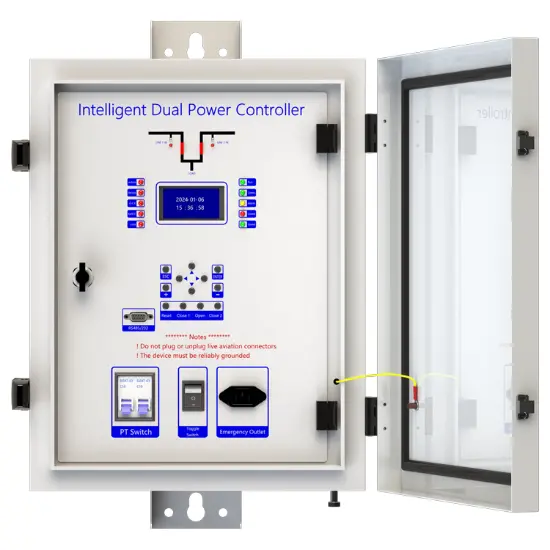
Intelligent Dual Power Controller Inteligente Dual Power Controller
-
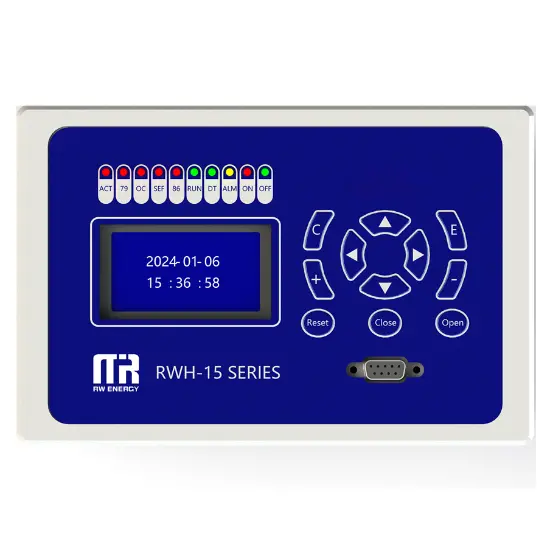
Pangkalahatang Pansanay nga Device
-
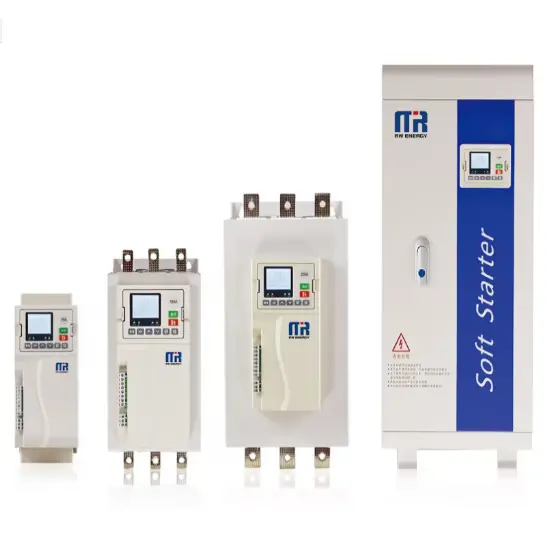
RWS-7000 Built-in bypass type motor soft starter
-
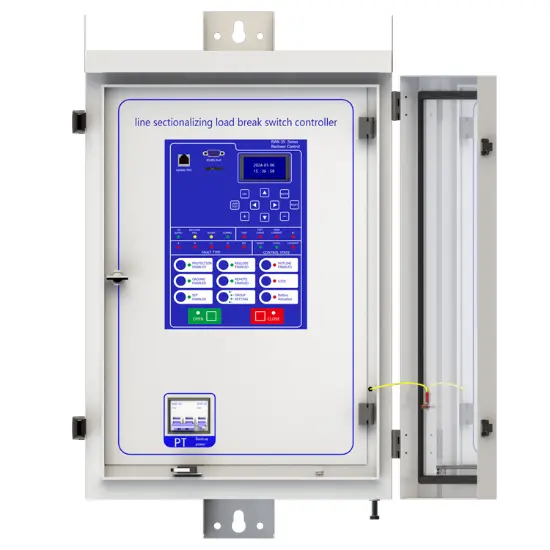
Kontrolador sa Load Break Switch para sa Line Sectionalizing
-
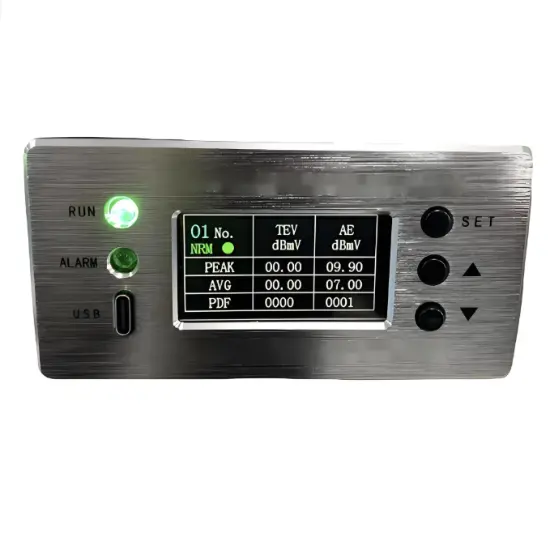
Sistema nga Online Monitoring sa Partial Discharge para sa Ring Main Units nga gikan sa IEE-Business
-
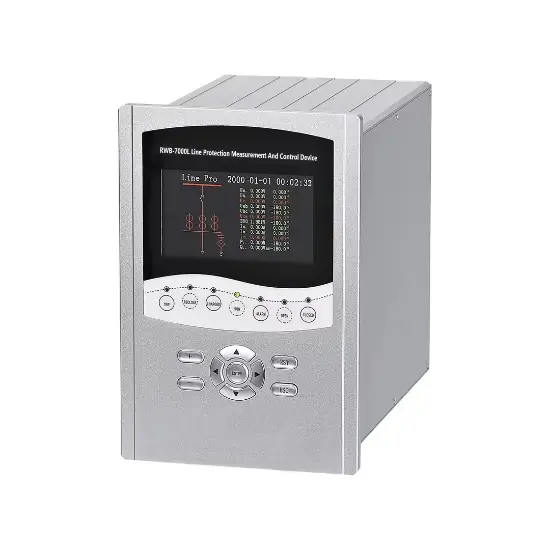
Pangangalanan nga Pagprotekta sa Linya ug Pagsukod ug Paghimo sa Pagkotrol nga Device nga RWB-7000L
-
Terminal Unit sa Feeder
Kaalamang May Kaugnayan
-
 Pangunahon nga Transformer Accidents ug Light Gas Operation Issues1. Talaan sa Pagkamalasakit (Marso 19, 2019)Sa 16:13 sa Marso 19, 2019, ang background monitoring nagreport og light gas action sa No. 3 main transformer. Sumala sa Code for Operation of Power Transformers (DL/T572-2010), ang mga tawo sa operation and maintenance (O&M) nagsagol sa kondisyon sa No. 3 main transformer sa dapit.Konfirmasyon sa dapit: Ang WBH non-electrical protection panel sa No. 3 main transformer nagreport og Phase B light gas action sa transformer body, ug ang reset wala mae02/05/2026
 -
 Mga Sayop ug Paghunahuna Sa Pag-atas Sa Iisa Ka Fasa Sa 10kV Distribution LinesMga Kinaiya ug mga Kaugalingong Detektor sa Single-Phase Ground Fault1. Mga Kinaiya sa Single-Phase Ground FaultMga Signal sa Central Alarm:Nagring ang warning bell, ug naglitaw ang indicator lamp nga gilabel “Ground Fault on [X] kV Bus Section [Y]”. Sa mga sistema nga may Petersen coil (arc suppression coil) nga naka-ground sa neutral point, ang “Petersen Coil Operated” nga indicator usab motindog.Mga Indikasyon sa Insulation Monitoring Voltmeter:Ang voltage sa nahisalaan nga phase mokubos (kon01/30/2026
 -
 Neutral nga punto sa grounding operation mode alang sa 110kV~220kV power grid transformersAng pag-arrange sa mga modo ng operasyon ng grounding ng neutral point para sa 110kV~220kV power grid transformers dapat matugunan ang mga requirement ng insulation withstand sa mga neutral points ng transformer, ug usahay mao usab ang pagpanalipod sa zero-sequence impedance sa mga substation nga walay dako nga kausaban, samtang sigurado nga ang zero-sequence comprehensive impedance sa anumang punto sa short-circuit sa sistema dili mogawas sa tulo ka beses sa positive-sequence comprehensive impe01/29/2026
 -
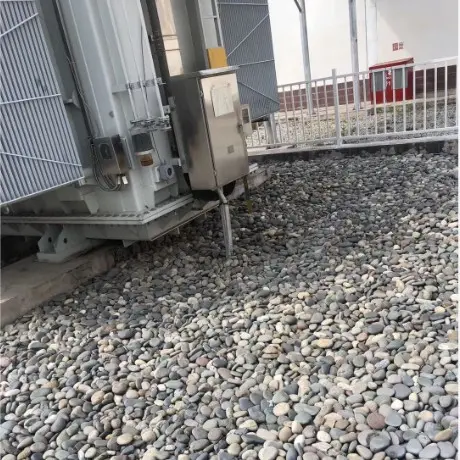 Unsa ang Katuyohan sa Paggamit og Bato Gravel Pebbles ug Crushed Rock sa mga Substation?Asa Kini ang mga Substation Usa ka Bato, Gravel, Pebbles, ug Crushed Rock?Sa mga substation, ang mga equipment sama sa power ug distribution transformers, transmission lines, voltage transformers, current transformers, ug disconnect switches nimo kinahanglan og grounding. Padulong sa grounding, karon atong ibutangan ang kahibawo bahin kon asa kini nga gravel ug crushed stone gamiton sa mga substation. Bisag ordinaryohan ra sila, importante kaayo ang papel nila sa seguridad ug pagkabana-bana.Sa d01/29/2026
 -
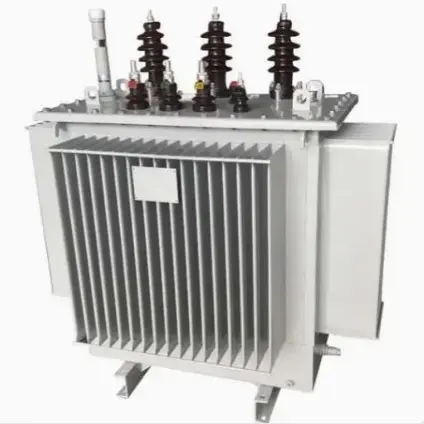 Asa kini ang usa ka Transformer Core Nangangailangan I-ground sa Tungod nga Punto Lamang? Usa ra ba ang Mas Handuraw ang Multi-Point Grounding?Asa karon ang Core sa Transformer Nangangailangan Moground?Sa panahon sa operasyon, ang core sa transformer, sama sa metal nga estruktura, bahin, ug komponente nga naghulagway sa core ug windings, tanan nahimutang sa matigas nga elektrisidad. Sa impluwensya niining elektrisidad, sila magkuha og relatyibong mataas nga potensyal labi na sa ground. Kon ang core wala moground, adunay potential difference kay sa pagitan sa core ug grounded clamping structures ug tank, mahimong makaresulta og intermit01/29/2026
 -
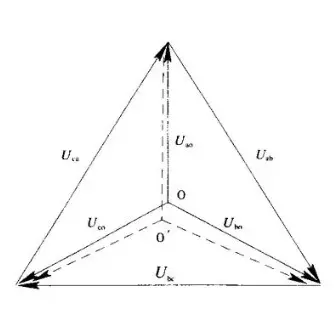 Pagkabana sa Transformer Neutral GroundingI. Ano ang Neutral Point?Sa mga transformer ug generator, ang neutral point mao ang partikular nga punto sa winding diin ang absolute voltage tali kini nga punto ug bawg external terminal sama. Sa diagram sa ubos, ang punto O mao ang neutral point.II. Asa Nagkinahanglan ang Grounding sa Neutral Point?Ang elektrikal nga koneksyon pamaagi tali sa neutral point ug yuta sa usa ka three-phase AC power system gitawag og neutral grounding method. Kini nga grounding method direkta nakaapekto sa:Ang segu01/29/2026
Mga Solusyon nga Relate
-
 Solusyon sa mga sistema sa awtomatikong distribusyonUnsa ang mga kahadlok sa operasyon ug pagpanalipod sa overhead line?Kahadlok uno:Ang overhead lines sa distribution network adunay dako nga sakop, komplikado nga terreno, daghan nga radiation branches ug distributed power supply, resulta nianang "daghan nga mga line faults ug kahadlok sa pagtroubleshoot sa fault".Kahadlok Duha:Ang manual troubleshooting mahimong mapuslan ug makapoy. Sa wala pa, ang running current, voltage ug switching state sa line wala masayran real-time tungod sa kulang sa in04/22/2025
 -
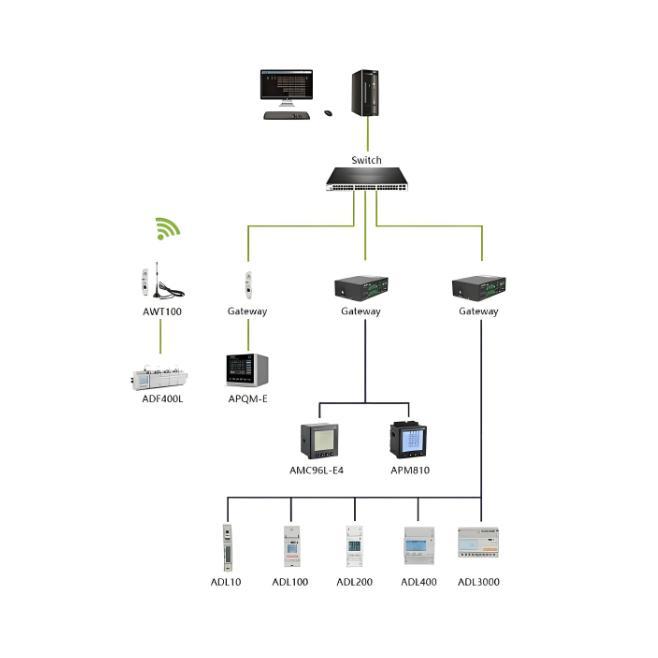 Integradong Smart Power Monitoring ug Energy Efficiency Management SolutionOverviewAnia nga solusyon naglakip og usa ka maayo nga sistema sa pag-monitor sa kuryente (Power Management System, PMS) nga nakentro sa end-to-end na optimisasyon sa mga resources sa kuryente. Pinaagi sa pagbuhat og usa ka closed-loop management framework sa "monitoring-analysis-decision-execution," makatabang kini sa mga kompanya mula sa simpleng paggamit sa kuryente hangtod sa maayo nga pag-manage sa kuryente, sukad pa sa pag-achieve sa safe, maayo, low-carbon, ug ekonomikal nga paggamit sa09/28/2025
 -
 Isang Bagong Modular na Solusyon sa Paghahamon para sa mga Sistema ng Pagbuhat ng Kapangyarihan sa Photovoltaic at Imprastraktura ng Pagsimpan ng Enerhiya1. Pagpakilala ug Background sa Pananaliksik1.1 Kasamtangan nga Kahimtang sa Industriya sa SolarIsip usa ka sa labi abundant nga renewable energy, ang pagpalambo ug paggamit sa solar energy naging sentral sa global nga transition sa energy. Sa katapusan nga mga tuig, gihatagan sa mga patakaran sa tibuok kalibutan, ang photovoltaic (PV) industry namihasik nga pagkamata. Ang estadistika nagpakita nga ang PV industry sa Tsina nakakita og 168-fold nga pagtaas sa "12th Five-Year Plan" period. Hang09/28/2025






