• Product
  • Suppliers
  • Manufacturers
  • Solutions
  • Free tools
  • Knowledges
  • Experts
  • Communities
Search


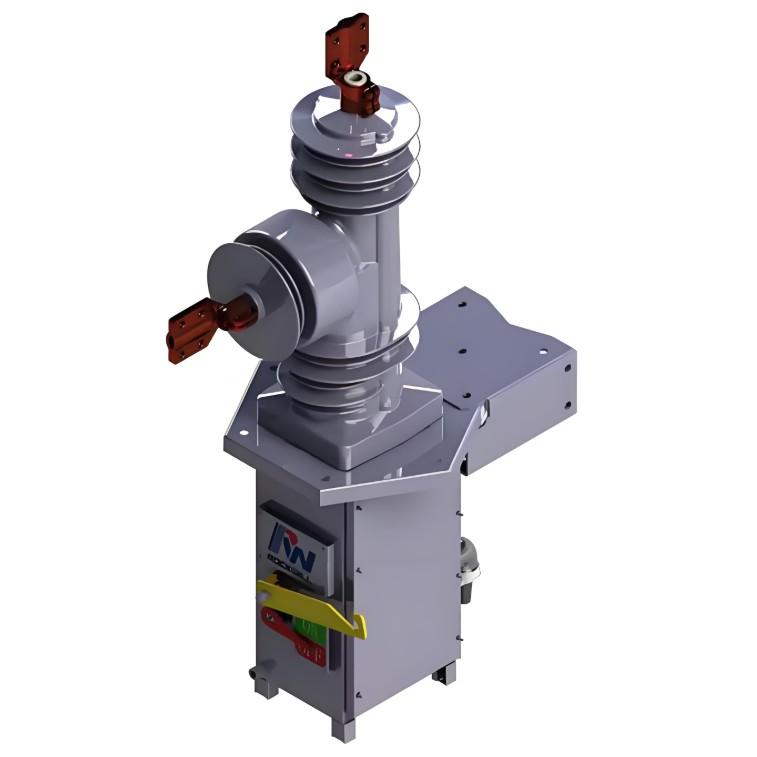
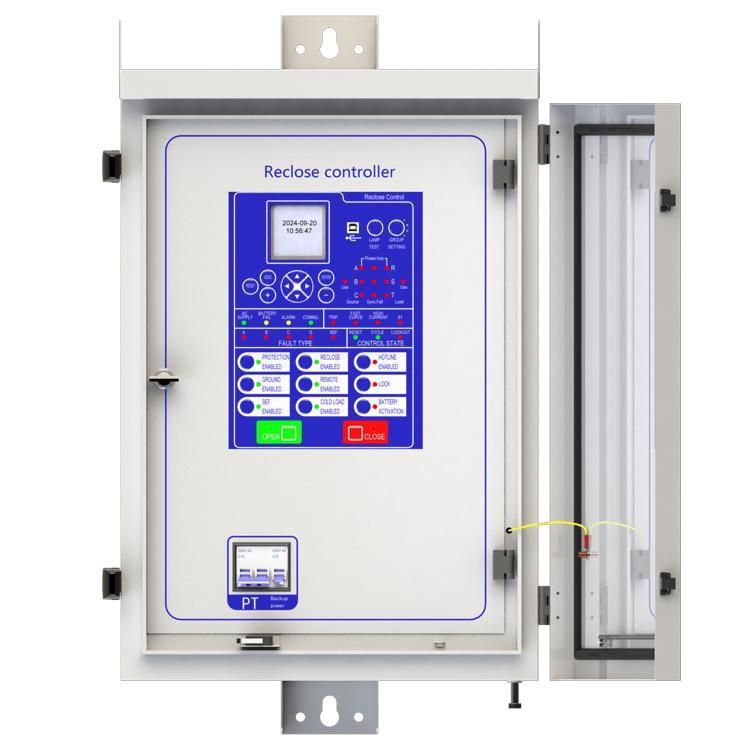
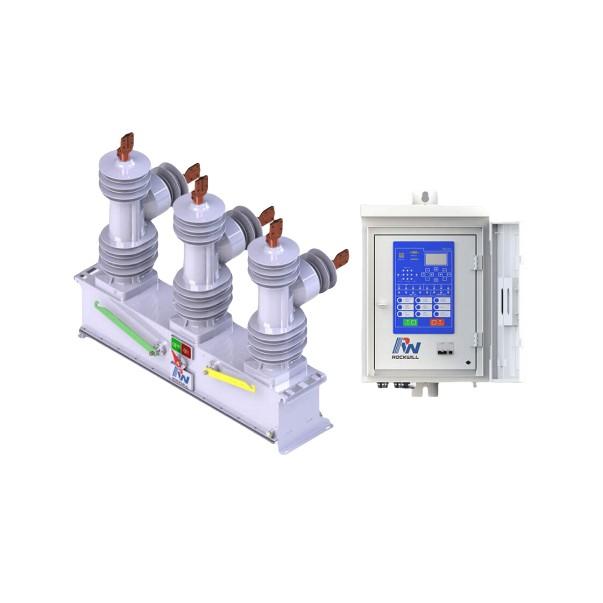
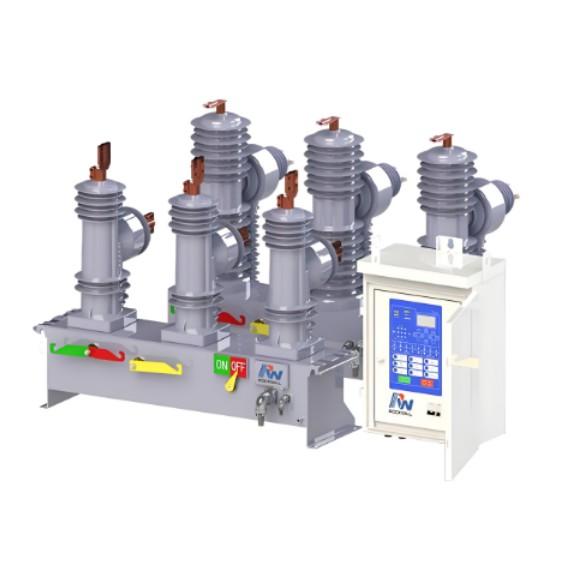
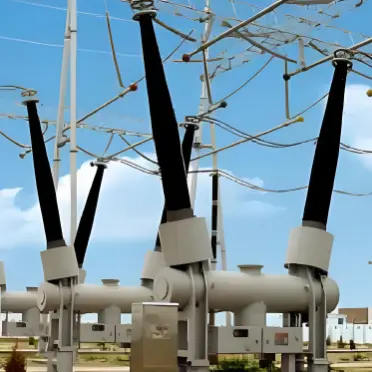
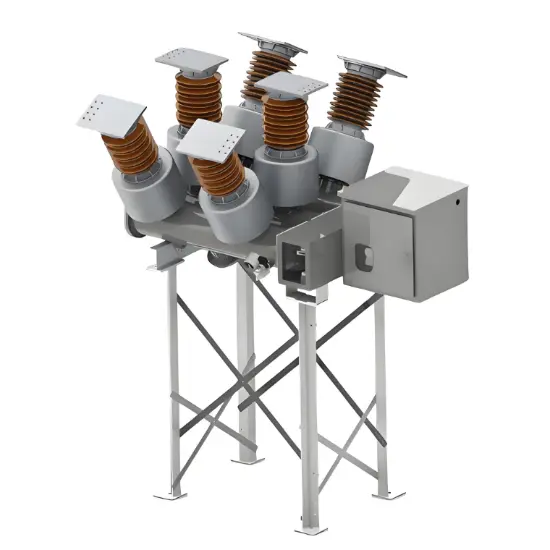
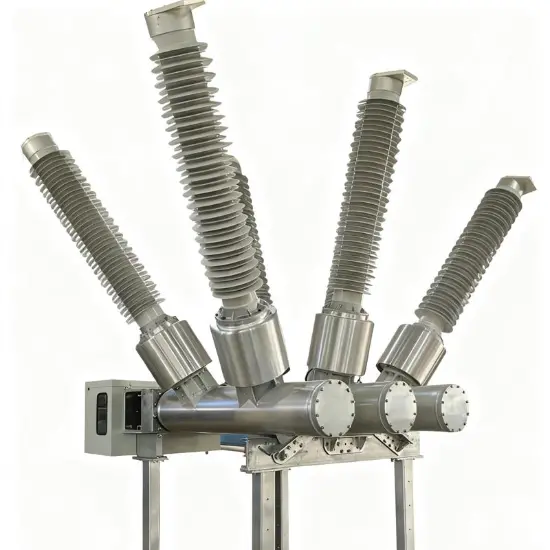
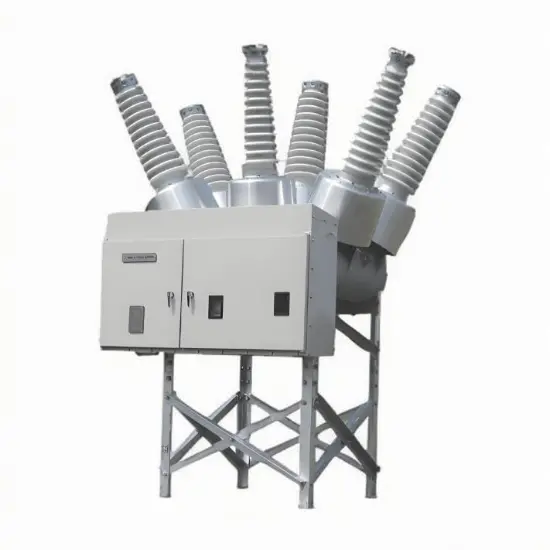
40.5kV 72.5kV 145kV 170kV 245kV Dead tank Vacuum Circuit-Breaker

  • 40.5kV 72.5kV 145kV 170kV 245kV Dead tank Vacuum Circuit-Breaker

Key attributes

Brand ROCKWILL
Model NO. 40.5kV 72.5kV 145kV 170kV 245kV Dead tank Vacuum Circuit-Breaker
Rated voltage 40.5kV
Rated normal current 2500A
Rated frequency 50/60Hz
Series ZW

Product descriptions from the supplier

Description

Description :

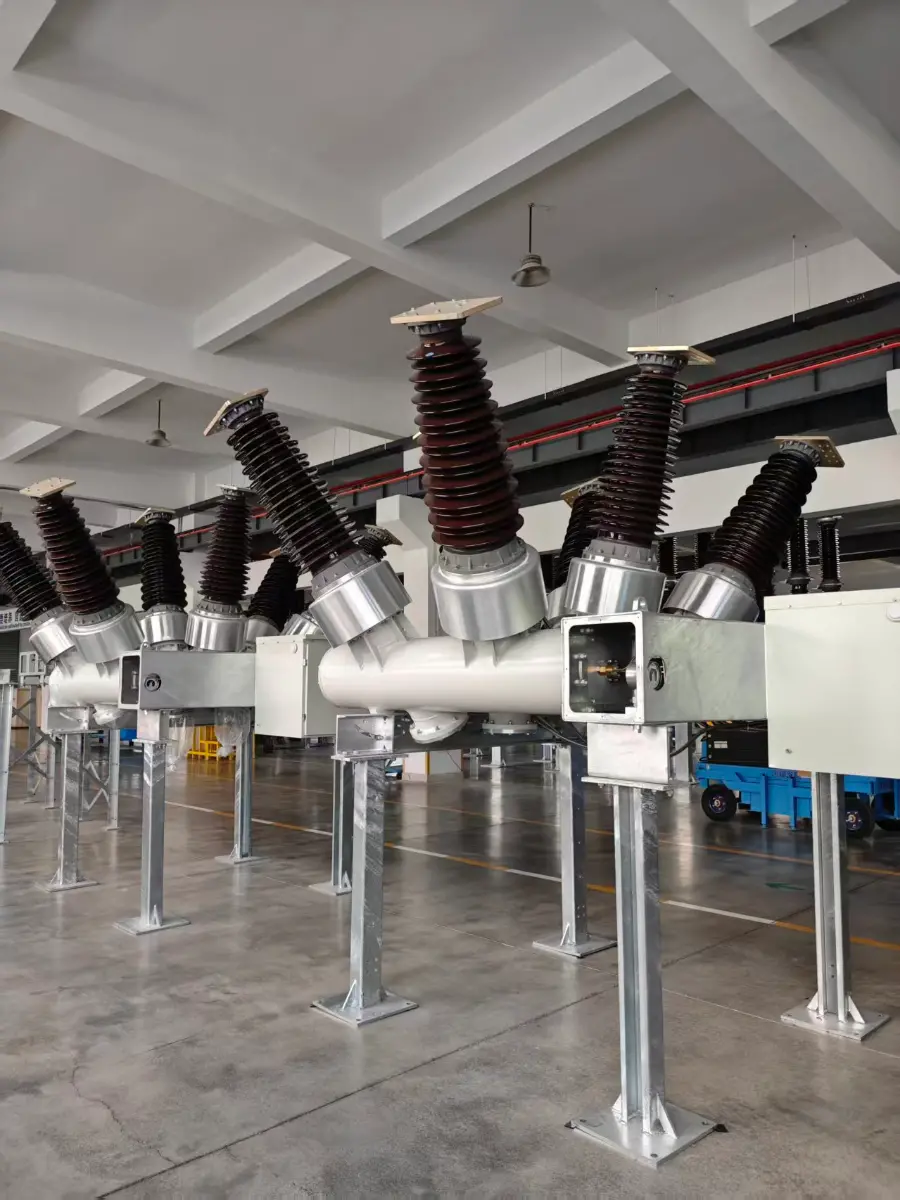
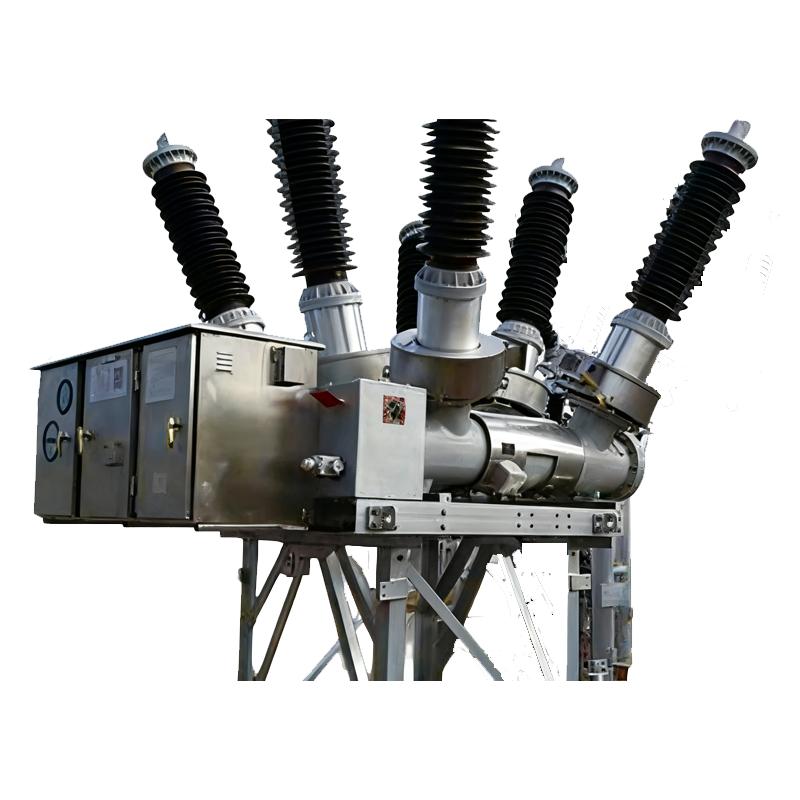
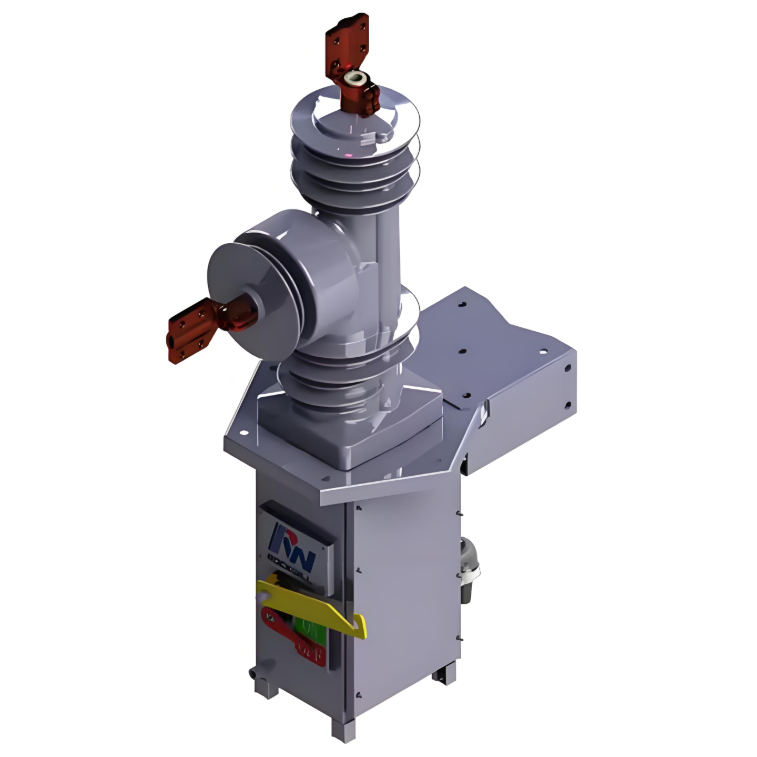
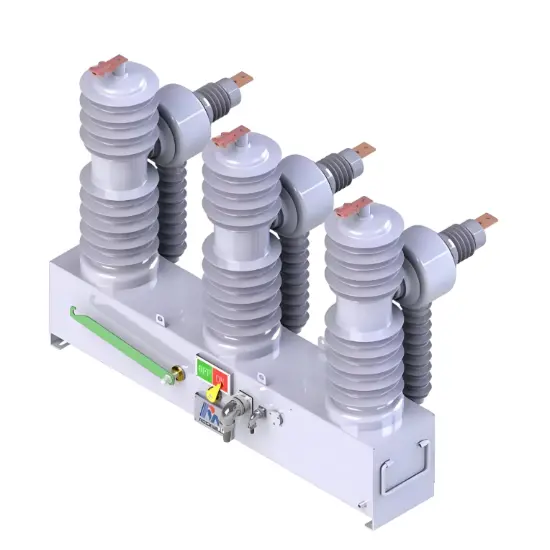
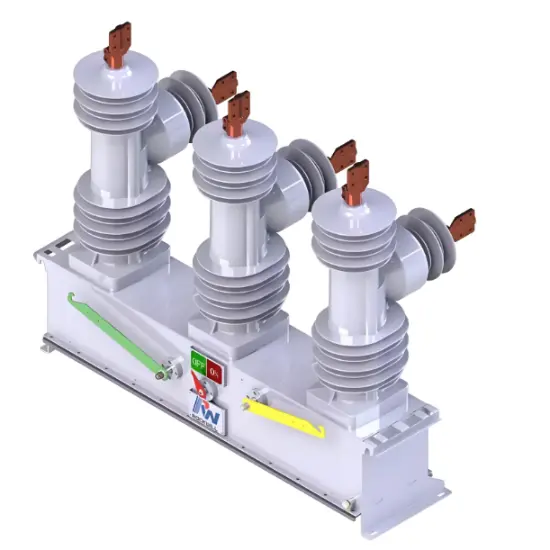
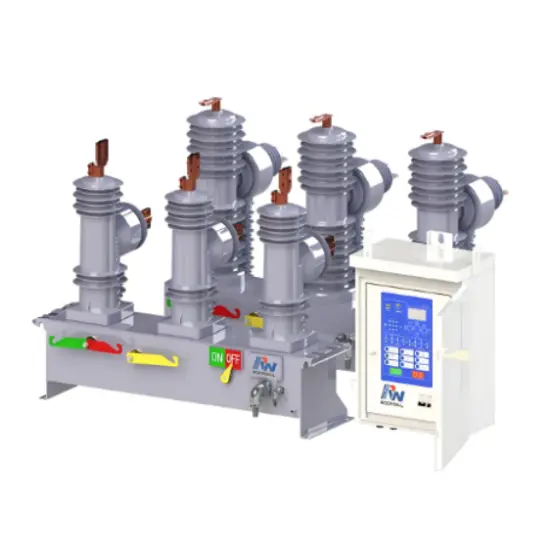
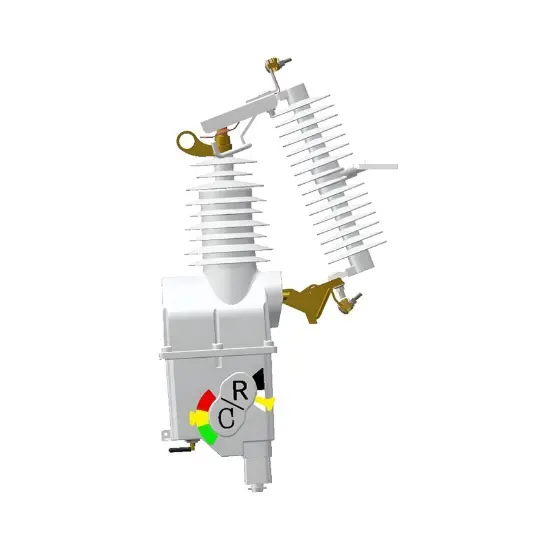
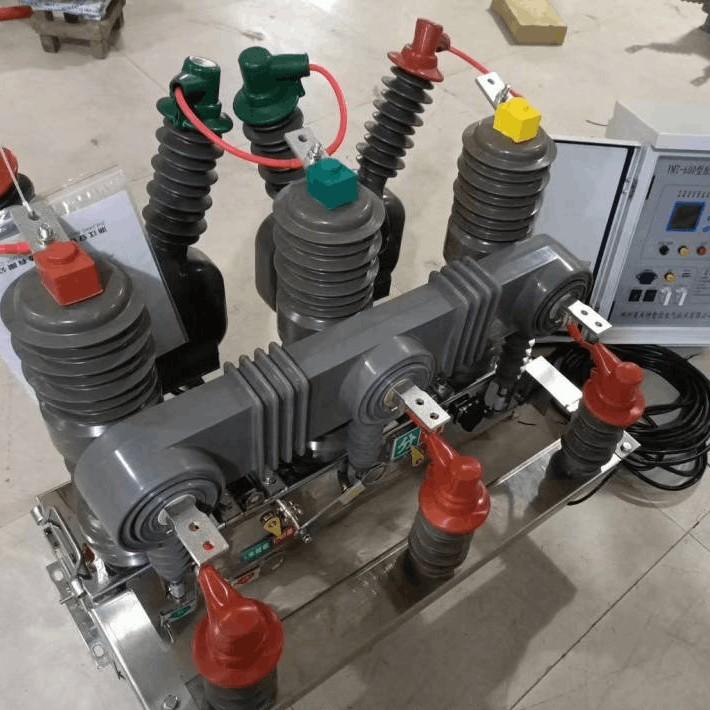
The 40.5kV, 72.5kV, 145kV, 170kV, and 245kV Dead tank Vacuum Circuit-Breakers are essential protective devices for high-voltage power systems. Employing vacuum as the arc-extinguishing and insulating medium, they boast exceptional arc-quenching capabilities, swiftly interrupting fault currents and effectively preventing arc re-ignition to ensure stable power system operation. The dead tank design offers a compact footprint and robust mechanical stability, facilitating installation and maintenance. Equipped with highly reliable spring operating mechanisms, these circuit breakers have a mechanical lifespan exceeding 10,000 operations, delivering rapid and precise responses. With outstanding environmental adaptability, they can operate stably under harsh outdoor conditions. Widely applied in substations, transmission lines, and other scenarios, they provide efficient and secure power switching control and reliable protection across various voltage levels.

Main function introduction:

  • Efficient Arc Extinction: Utilizes vacuum for rapid and reliable arc quenching, preventing re - ignition.

  • Wide Voltage Range: Available in 40.5kV, 72.5kV, 145kV, 170kV, and 245kV ratings for versatile grid applications.

  • Robust Dead Tank Design: Compact structure ensures mechanical stability and simplifies installation/maintenance.

  • Reliable Operation: Spring - based operating mechanism with over 10,000 mechanical endurance cycles.

  • Enhanced Sealing: Dual - seal flange design offers waterproof and gas - tight protection, ideal for outdoor use.

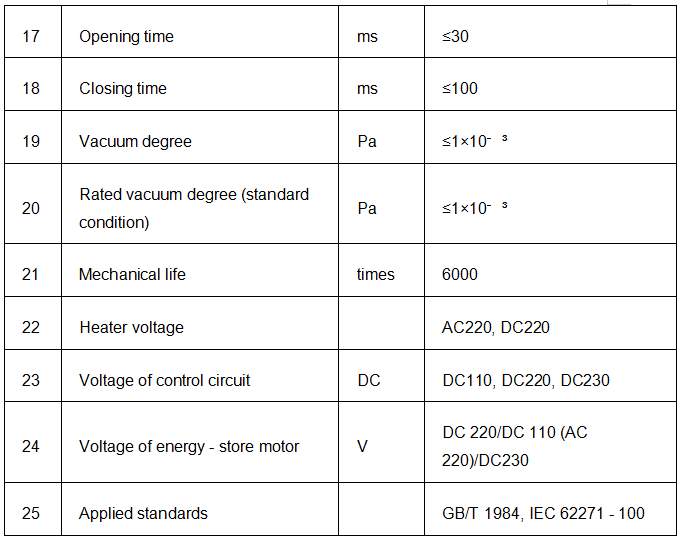
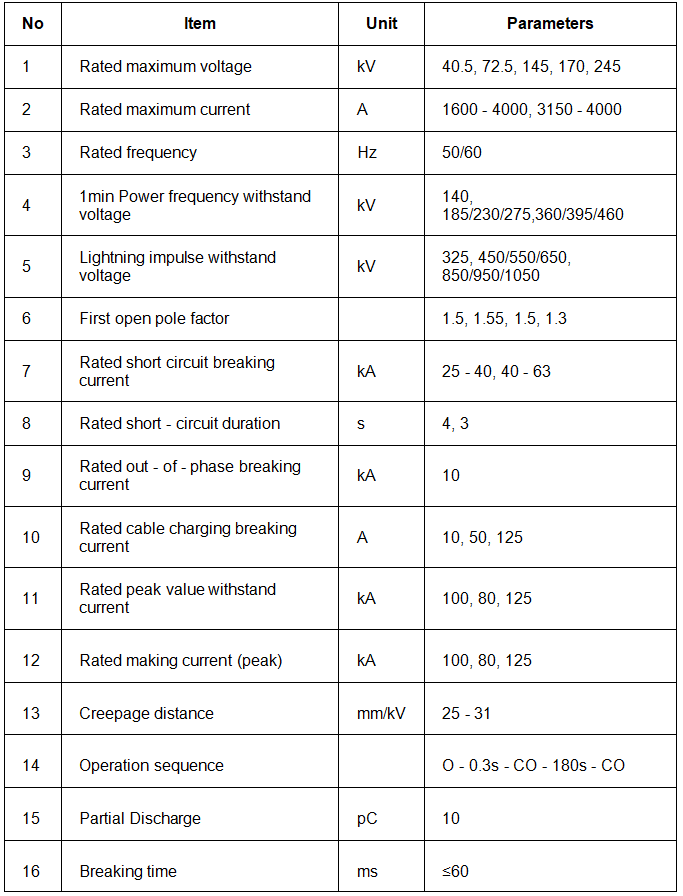
Technology parameters:
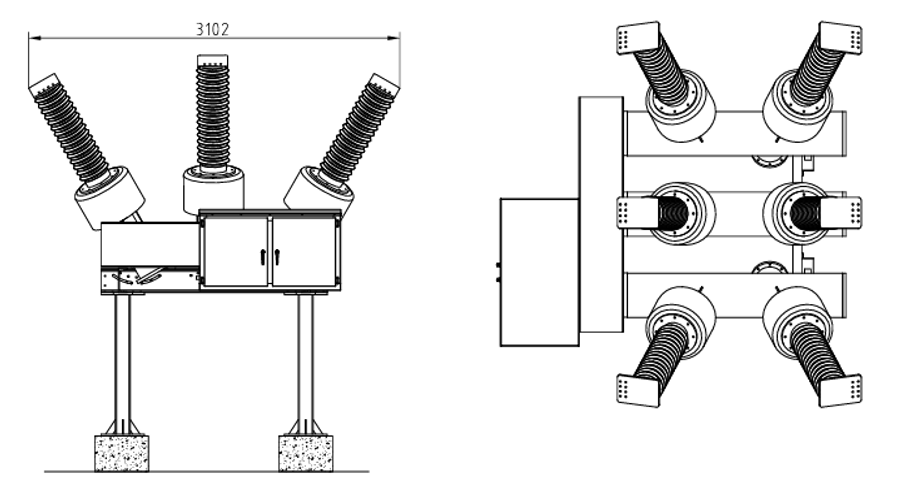
Device structure:
ZW-40.5
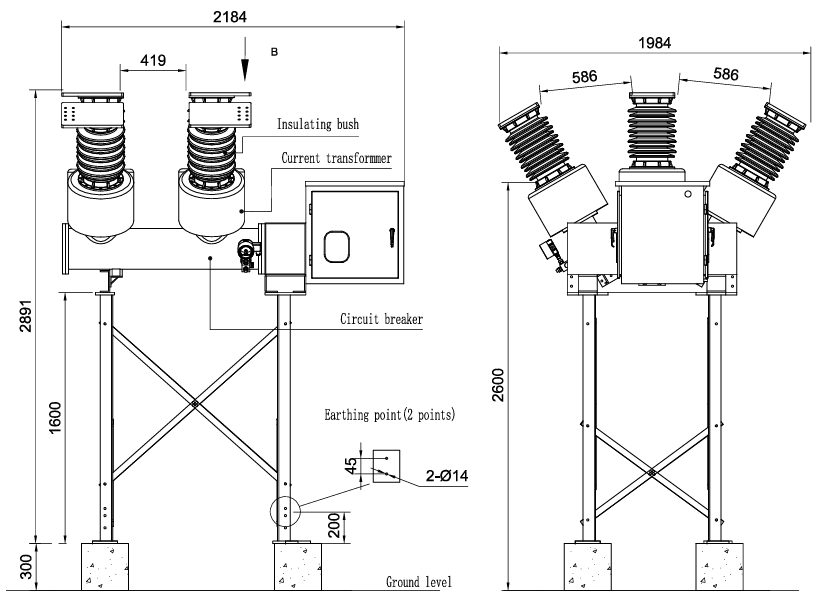
image.png

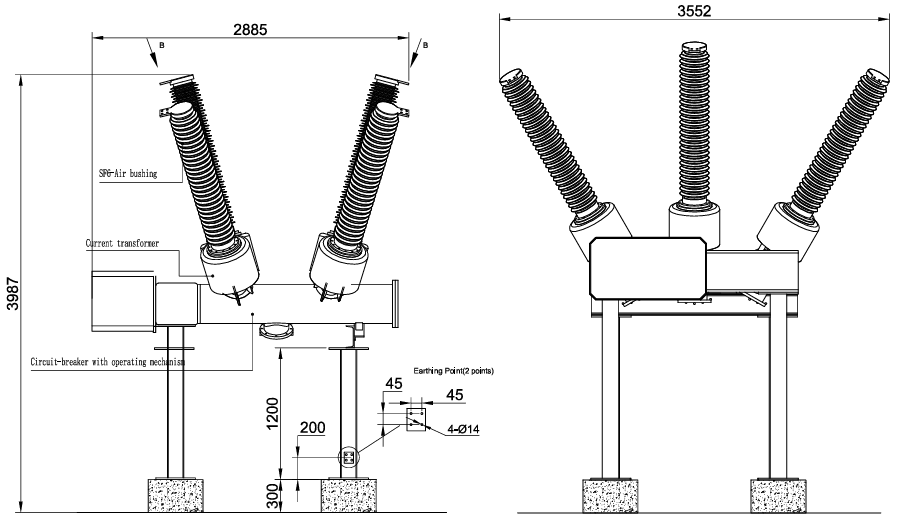
ZW-72.5

image.png

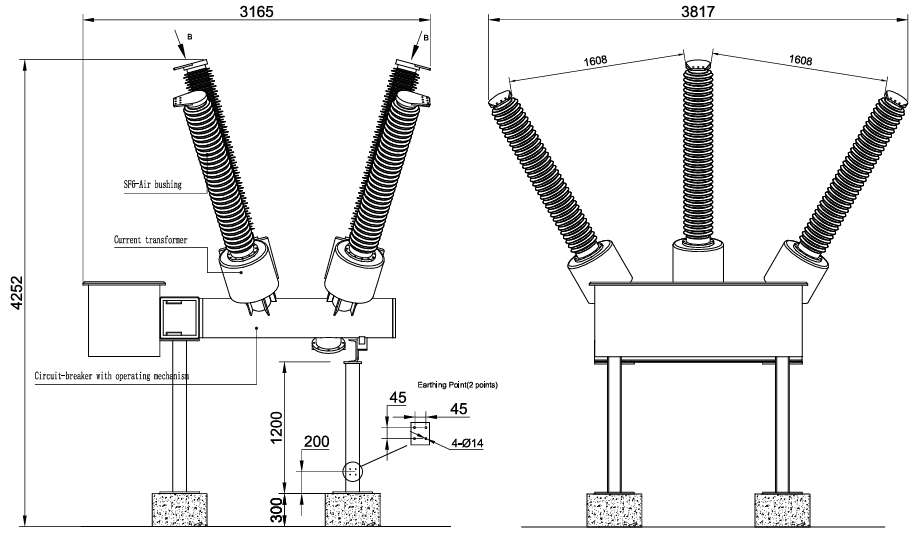
ZW-145

image.png

ZW-170

image.png

 Finished Products Storage Area

On-site Drawing.jpg

Documentation Resource Library
Restricted
Dead Tank Circuit Breakers Catalog
Catalogue
English
Consulting
Consulting
FAQ for
Q: What are the main technological alternatives for SF6 gas free circuit breakers?
A:

1. Environmentally friendly gas mixed insulation technology
CO ₂ and perfluoroketone/nitrile mixture gases: such as CO ₂/C ₅ - PFK (perfluoroketone) or CO ₂/C ₄ - PFN (perfluoronitrile) mixture gases. These mixed gases combine the arc extinguishing ability of CO ₂ and the high dielectric strength of perfluorinated ketones/nitriles, making them a substitute for SF ₆ in high-voltage applications. For example, CO ₂/C ₄ - PFN mixed gas has been commercially applied in high-voltage circuit breakers, with insulation and breaking performance close to SF ₆, and significantly reduced global warming potential (GWP).
Air and perfluoroketone mixed gas: In medium pressure applications, the mixture of air and C ₅ - PFK can be used as an insulation medium. By optimizing the mixing ratio and pressure, insulation performance comparable to SF ₆ can be achieved while reducing environmental impact.
2. Vacuum circuit breaker technology
Vacuum arc extinguishing chamber: Utilizing the high insulation strength and fast arc extinguishing ability in a vacuum environment, it replaces the arc extinguishing function of SF ₆. Vacuum circuit breakers are widely used in the medium and low voltage fields, especially in scenarios with high environmental requirements. Its advantages are no greenhouse gas emissions and excellent arc extinguishing performance, but it needs to solve problems such as vacuum sealing and contact materials.
Combination of vacuum circuit breaker and gas insulation: In some medium voltage switchgear, vacuum circuit breakers are used as breaking elements, combined with dry air or nitrogen as insulation media, to form environmentally friendly gas insulated switchgear (GIS) that balances insulation and arc extinguishing performance.

Q: What is the difference between vacuum circuit breaker and SF6 circuit breaker?
A:
  1. Their core difference is arc-extinguishing media: Vacuum breakers use high vacuum (10⁻⁴~10⁻⁶Pa) for insulation and arc extinction; SF₆ breakers rely on SF₆ gas, which adsorbs electrons well to quench arcs.
  2. In voltage adaptation: Vacuum breakers fit medium-low voltages (10kV, 35kV; some up to 110kV), rarely 220kV+. SF₆ breakers suit high-ultra high voltages (110kV~1000kV), mainstream for ultra-high voltage grids.
  3. For performance: Vacuum breakers extinguish arcs fast (<10ms), have 63kA~125kA breaking capacity, suit frequent use (e.g., power distribution) with long life (>10,000 cycles). SF₆ breakers excel in stable large/inductive current breaking but work less frequently, needing insulation recovery time post-extinction.
  4. Compared to SF6 gas circuit breakers, vacuum circuit breakers can achieve zero greenhouse gas emissions and are more environmentally friendly because the arc extinguishing device does not contain any gas
Q: What are the structural characteristics of the tank circuit breaker?
A:

Integral Tank Structure:

  • Integral Tank Structure: The breaker's arc quenching chamber, insulating medium, and related components are sealed within a metal tank filled with an insulating gas (such as sulfur hexafluoride) or insulating oil. This forms a relatively independent and sealed space, effectively preventing external environmental factors from affecting the internal components. This design enhances the insulation performance and reliability of the equipment, making it suitable for various harsh outdoor environments.

Arc Quenching Chamber Layout:

  • Arc Quenching Chamber Layout: The arc quenching chamber is typically installed inside the tank. Its structure is designed to be compact, enabling efficient arc quenching within a limited space. Depending on different arc quenching principles and technologies, the specific construction of the arc quenching chamber may vary, but generally includes key components such as contacts, nozzles, and insulating materials. These components work together to ensure that the arc is quickly and effectively extinguished when the breaker interrupts the current.

Operating Mechanism:

  • Operating Mechanism: Common operating mechanisms include spring-operated mechanisms and hydraulic-operated mechanisms.

  • Spring-Operated Mechanism: This type of mechanism is simple in structure, highly reliable, and easy to maintain. It drives the opening and closing operations of the breaker through the energy storage and release of springs.

  • Hydraulic-Operated Mechanism: This mechanism offers advantages such as high output power and smooth operation, making it suitable for high-voltage and high-current class breakers.
Know your supplier
Online store
On-time delivery rate
Response time
100.0%
≤4h
Company overview
Workplace: 108000m²m² Total staff: 700+ Highest Annual Export(usD): 150000000
Workplace: 108000m²m²
Total staff: 700+
Highest Annual Export(usD): 150000000
Services
Business Type: Design/Manufacture/Sales
Main Categories: High Voltage Electrical Apparatus/Electric transformer
Whole life care manager
Whole-life care management services for equipment procurement, use, maintenance, and after-sales, ensuring safe operation of electrical equipment, continuous control, and worry-free electricity consumption.
The equipment supplier has passed platform qualification certification and technical evaluation, ensuring compliance, professionalism, and reliability from the source.

Related Products

Related Knowledges

  • A Brief Discussion on the Issues of Converting Reclosers into Outdoor Vacuum Circuit Breakers for Use
    The rural power grid transformation plays an important role in reducing rural electricity tariffs and accelerating rural economic development. Recently, the author participated in the design of several small-scale rural power grid transformation projects or conventional substations. In rural power grid substations, conventional 10kV systems mostly adopt 10kV outdoor auto circuit vacuum reclosers.To save investment, we adopted a scheme in the transformation that removes the control unit of the 10
    12/12/2025
  • A Brief Analysis of Automatic Circuit Recloser in Distribution Feeder Automation
    An Automatic Circuit Recloser is a high-voltage switching device with built-in control (it inherently possesses fault current detection, operation sequence control, and execution functions without requiring additional relay protection or operating devices) and protective capabilities. It can automatically detect the current and voltage in its circuit, automatically interrupt fault currents according to inverse-time protection characteristics during faults, and perform multiple reclosures accordi
    12/12/2025
  • Recloser Controllers: Key to Smart Grid Reliability
    Lightning strikes, fallen tree branches, and even Mylar balloons are enough to interrupt current flow on power lines. That’s why utility companies prevent outages by equipping their overhead distribution systems with reliable recloser controllers.In any smart grid environment, recloser controllers play a critical role in detecting and interrupting transient faults. Although many short circuits on overhead lines can resolve themselves, reclosers help improve service continuity by automatically re
    12/11/2025
  • Application of Fault Diagnosis Technology for 15kV Outdoor Vacuum Automatic Circuit Reclosers
    According to statistics, the vast majority of faults on overhead power lines are transient, with permanent faults accounting for less than 10%. Currently, medium-voltage (MV) distribution networks commonly employ 15 kV outdoor vacuum automatic circuit reclosers in coordination with sectionalizers. This setup enables rapid restoration of power supply after transient faults and isolates faulty line segments in the event of permanent faults. Therefore, it is essential to monitor the operational sta
    12/11/2025
  • Application of 10kV Reclosers and Sectionalizers in Rural Distribution Networks
    1 Current Grid StatusWith the continuous deepening of rural power grid transformation, the health level of rural grid equipment is constantly improving, and power supply reliability basically meets user needs. However, regarding the current grid status, due to funding constraints, ring networks have not been implemented, dual power supplies are unavailable, and lines adopt a single radial tree-like power supply method. This resembles a tree trunk with many branches—meaning the lines have numerou
    12/11/2025
  • What’s the Difference Between a Recloser and a Pole-Mounted Breaker?
    Many people have asked me: “What’s the difference between a recloser and a pole-mounted circuit breaker?” It’s hard to explain in one sentence, so I’ve written this article to clarify. In fact, reclosers and pole-mounted circuit breakers serve very similar purposes—they are both used for control, protection, and monitoring on outdoor overhead distribution lines. However, there are significant differences in the details. Let’s examine them one by one.1.Different MarketsThis may be the biggest dis
    11/19/2025

Related Solutions

  • High-Voltage SF6 Dead Tank Circuit Breaker Solution for Nigeria Power Grid
    1. Project BackgroundAs Africa&rsquo;s most populous nation, Nigeria&rsquo;s power grid has long faced challenges including unstable electricity supply, aging infrastructure, and poor environmental adaptability.In its high-voltage transmission and distribution networks, traditional oil circuit breakers struggle to meet growing demand due to frequent maintenance and vulnerability to humid climates (e.g., reduced insulation performance during rainy seasons).International case studies, such
    05/24/2025
Haven't found the right supplier yet? Let matching verified suppliers find you. Get Quotation Now
Haven't found the right supplier yet? Let matching verified suppliers find you.
Get Quotation Now
Send inquiry
+86
Click to upload file
Download
Get the IEE Business Application
Use the IEE-Business app to find equipment, obtain solutions, connect with experts, and participate in industry collaboration anytime, anywhere—fully supporting the development of your power projects and business.