| Brand | ROCKWILL |
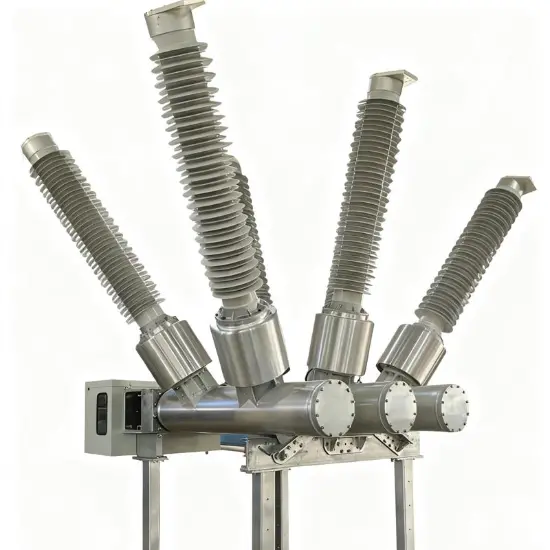
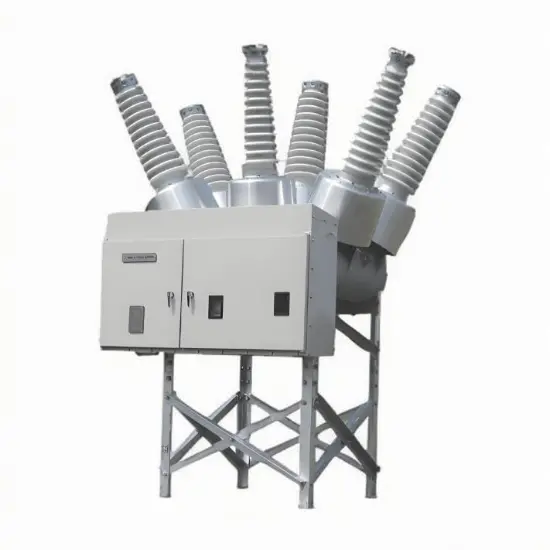
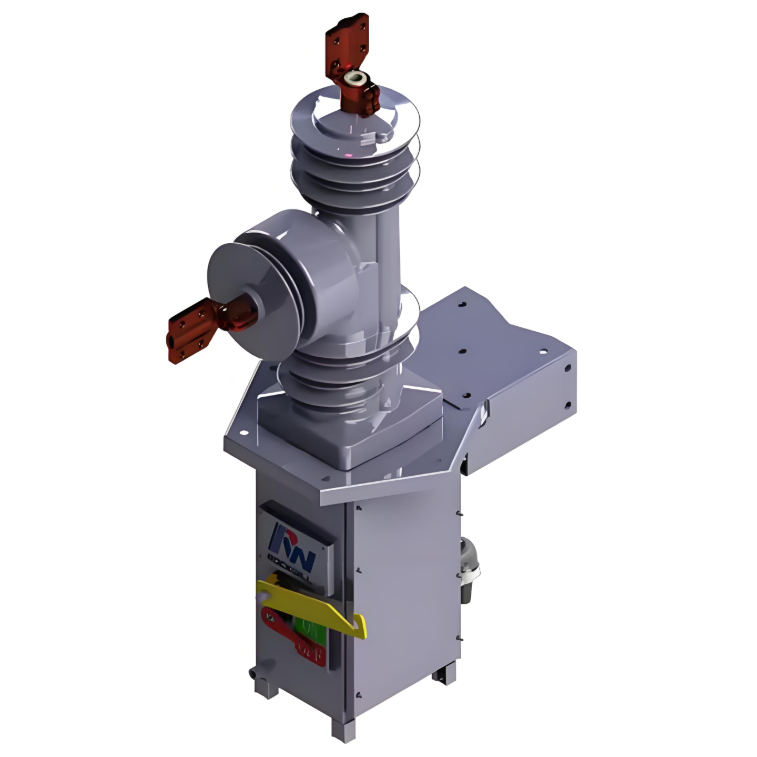
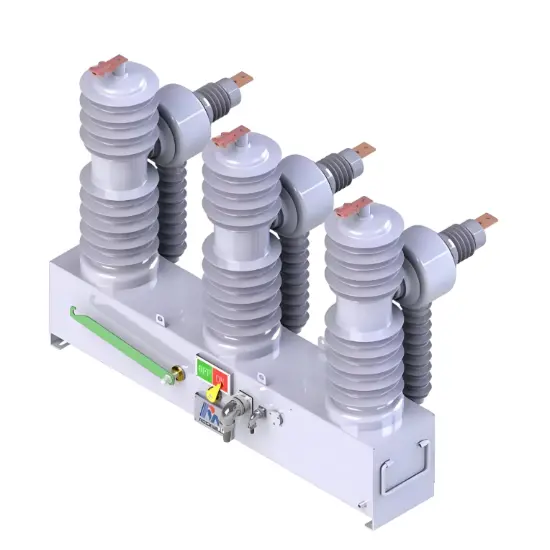
| Model NO. | 40.5kV 72.5kV 145kV 170kV 245kV Dead tank Vacuum Circuit-Breaker |
| Rated voltage | 245kV |
| Rated normal current | 4000A |
| Rated frequency | 50/60Hz |
| Series | ZW |
Description :
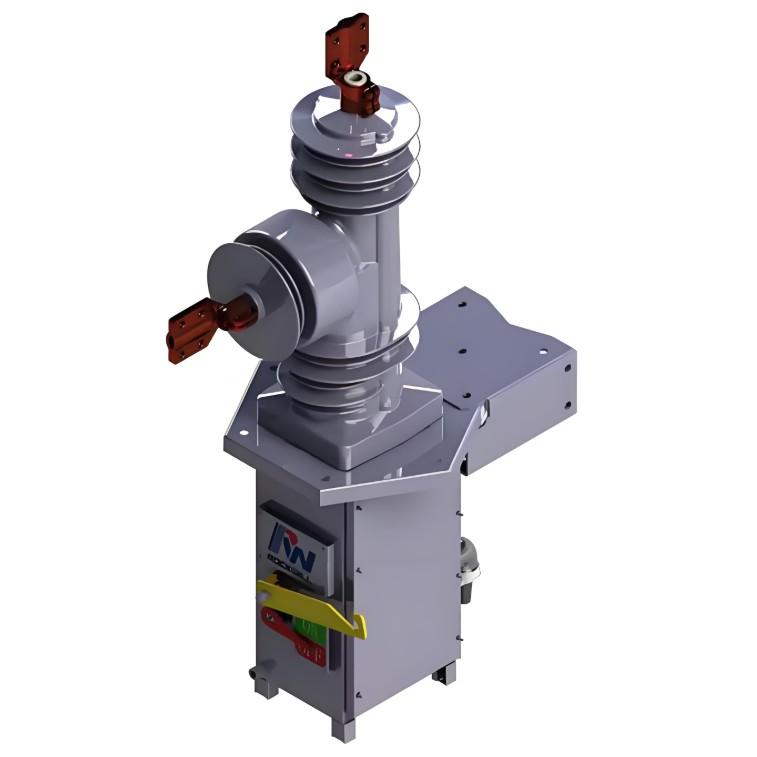
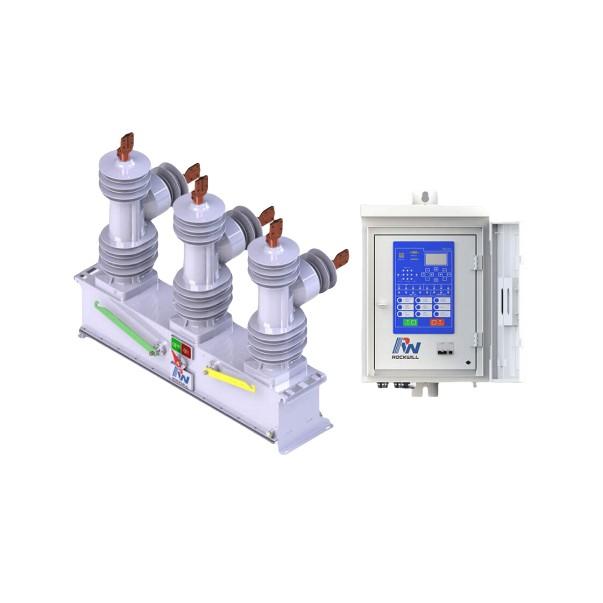
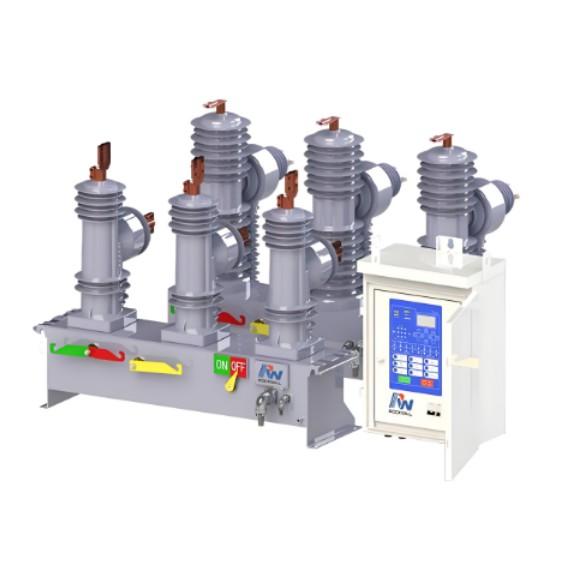
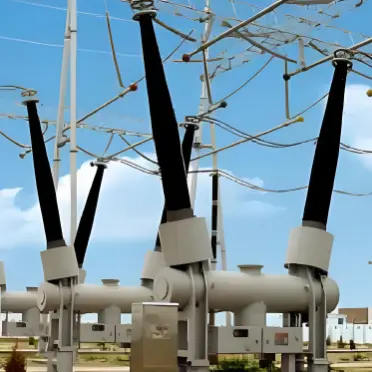
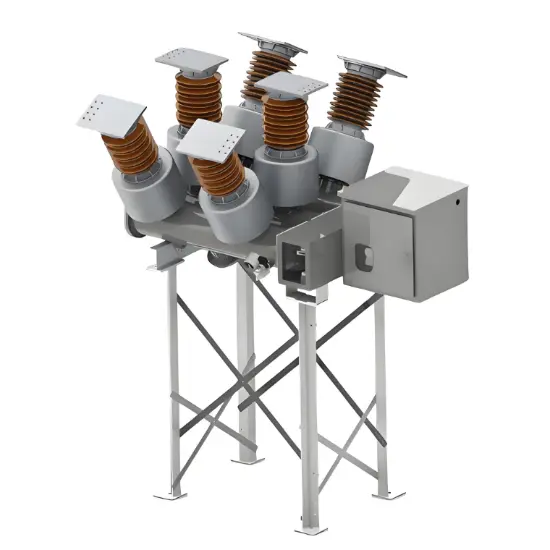
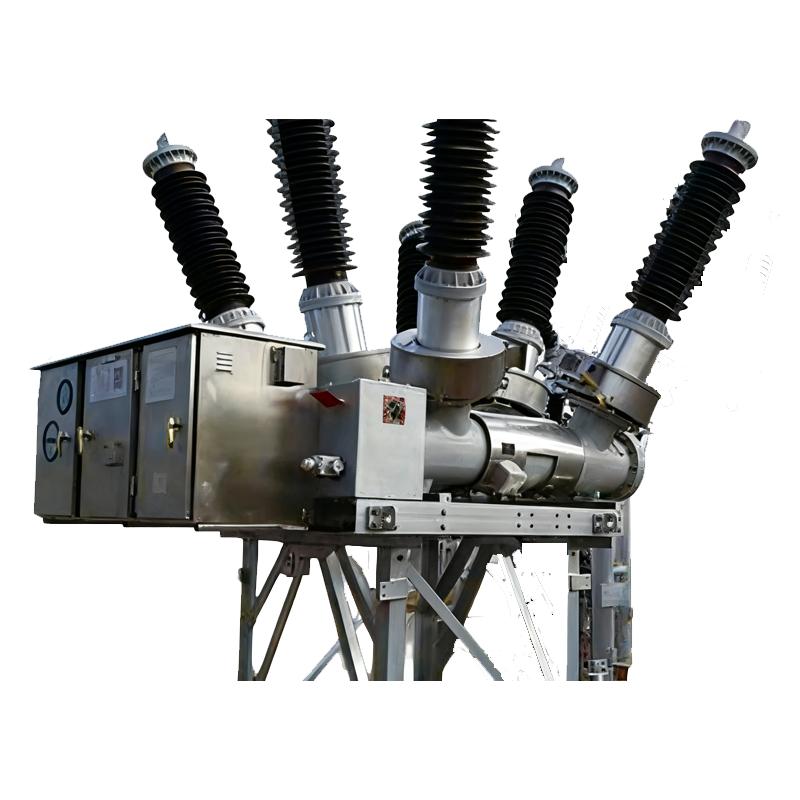
The 40.5kV, 72.5kV, 145kV, 170kV, and 245kV Dead tank Vacuum Circuit-Breakers are essential protective devices for high-voltage power systems. Employing vacuum as the arc-extinguishing and insulating medium, they boast exceptional arc-quenching capabilities, swiftly interrupting fault currents and effectively preventing arc re-ignition to ensure stable power system operation. The dead tank design offers a compact footprint and robust mechanical stability, facilitating installation and maintenance. Equipped with highly reliable spring operating mechanisms, these circuit breakers have a mechanical lifespan exceeding 10,000 operations, delivering rapid and precise responses. With outstanding environmental adaptability, they can operate stably under harsh outdoor conditions. Widely applied in substations, transmission lines, and other scenarios, they provide efficient and secure power switching control and reliable protection across various voltage levels.
Main function introduction:
Efficient Arc Extinction: Utilizes vacuum for rapid and reliable arc quenching, preventing re - ignition.
Wide Voltage Range: Available in 40.5kV, 72.5kV, 145kV, 170kV, and 245kV ratings for versatile grid applications.
Robust Dead Tank Design: Compact structure ensures mechanical stability and simplifies installation/maintenance.
Reliable Operation: Spring - based operating mechanism with over 10,000 mechanical endurance cycles.
Enhanced Sealing: Dual - seal flange design offers waterproof and gas - tight protection, ideal for outdoor use.
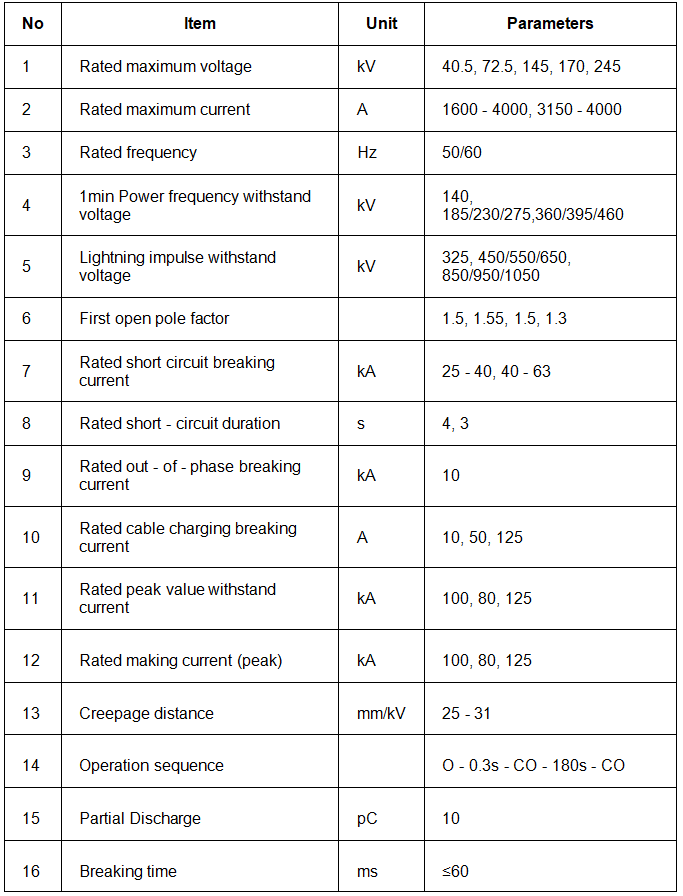
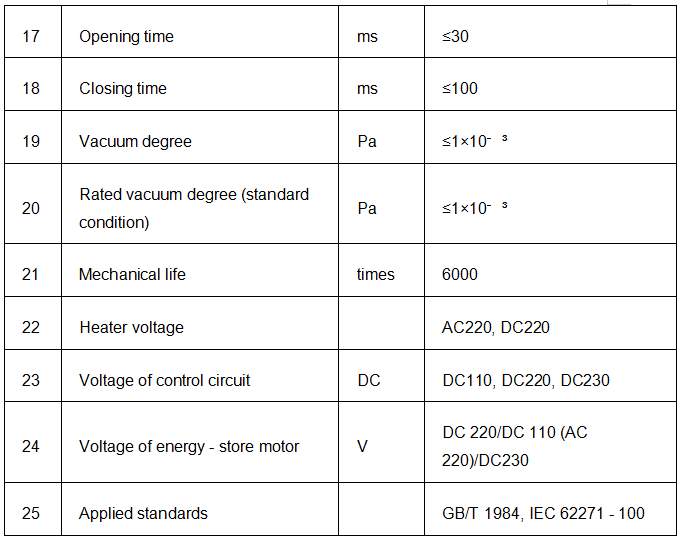
Technology parameters:
Device structure:
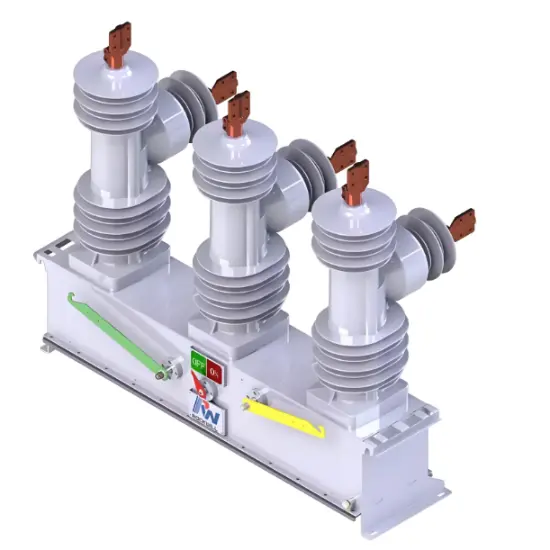
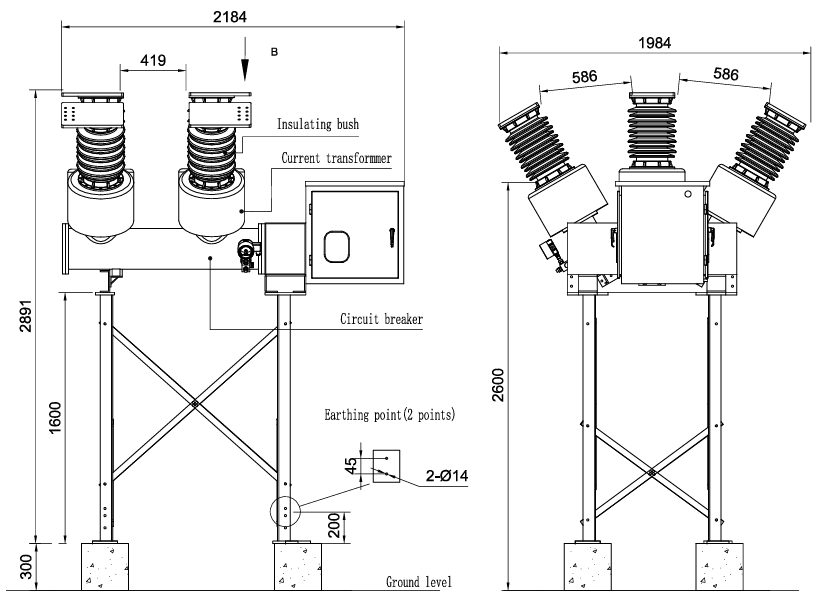
ZW-40.5
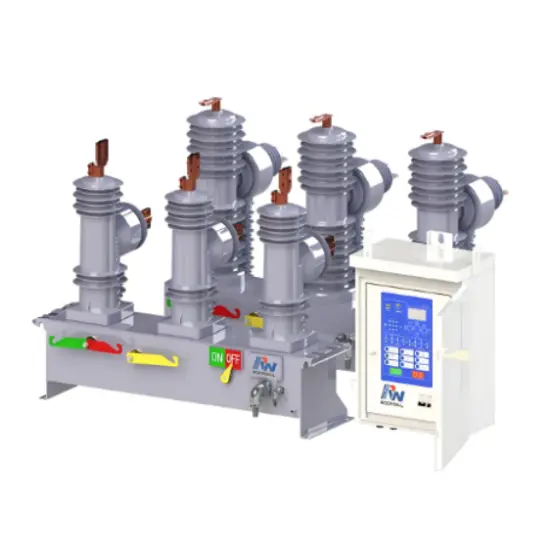
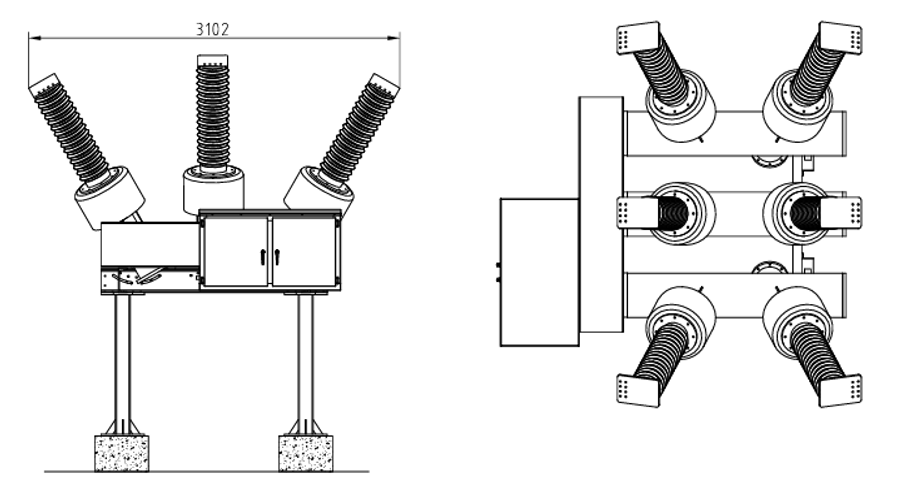
ZW-72.5
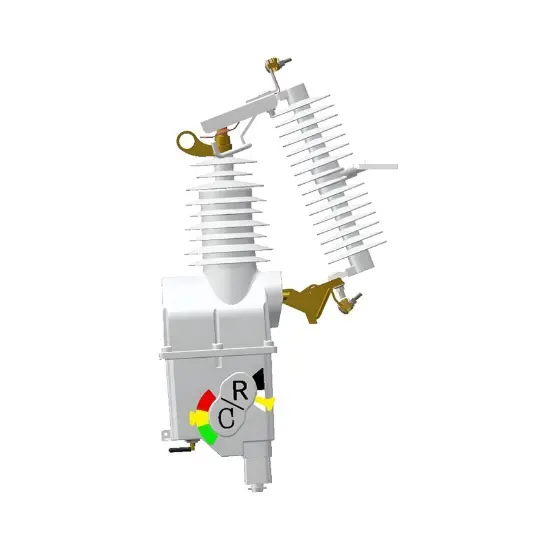
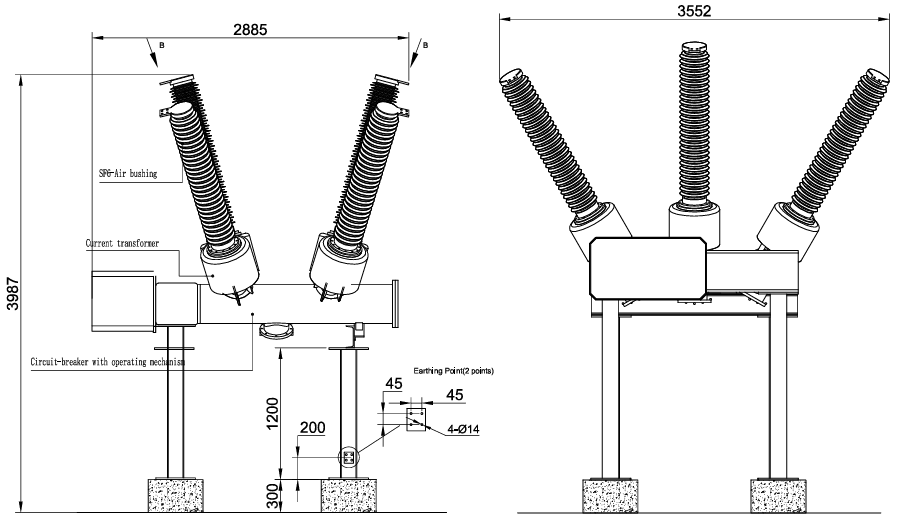
ZW-145
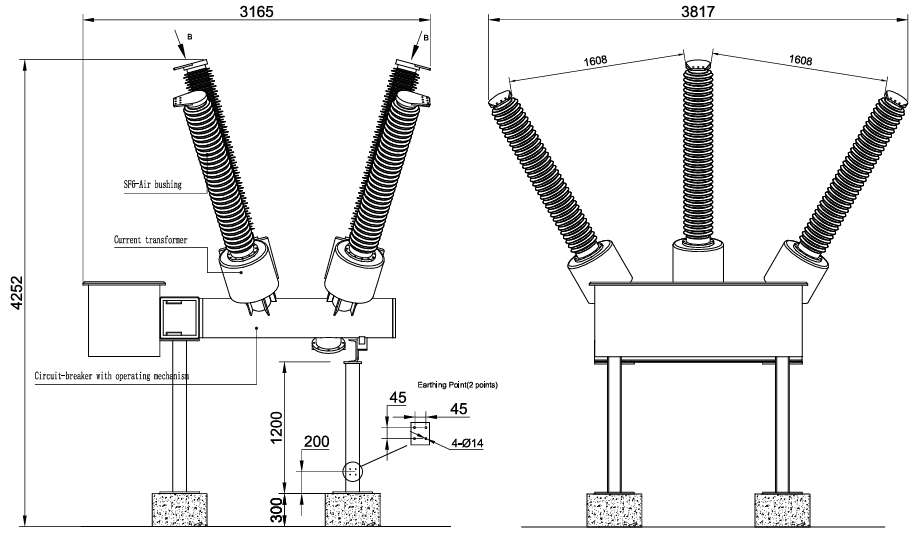
ZW-170
Finished Products Storage Area
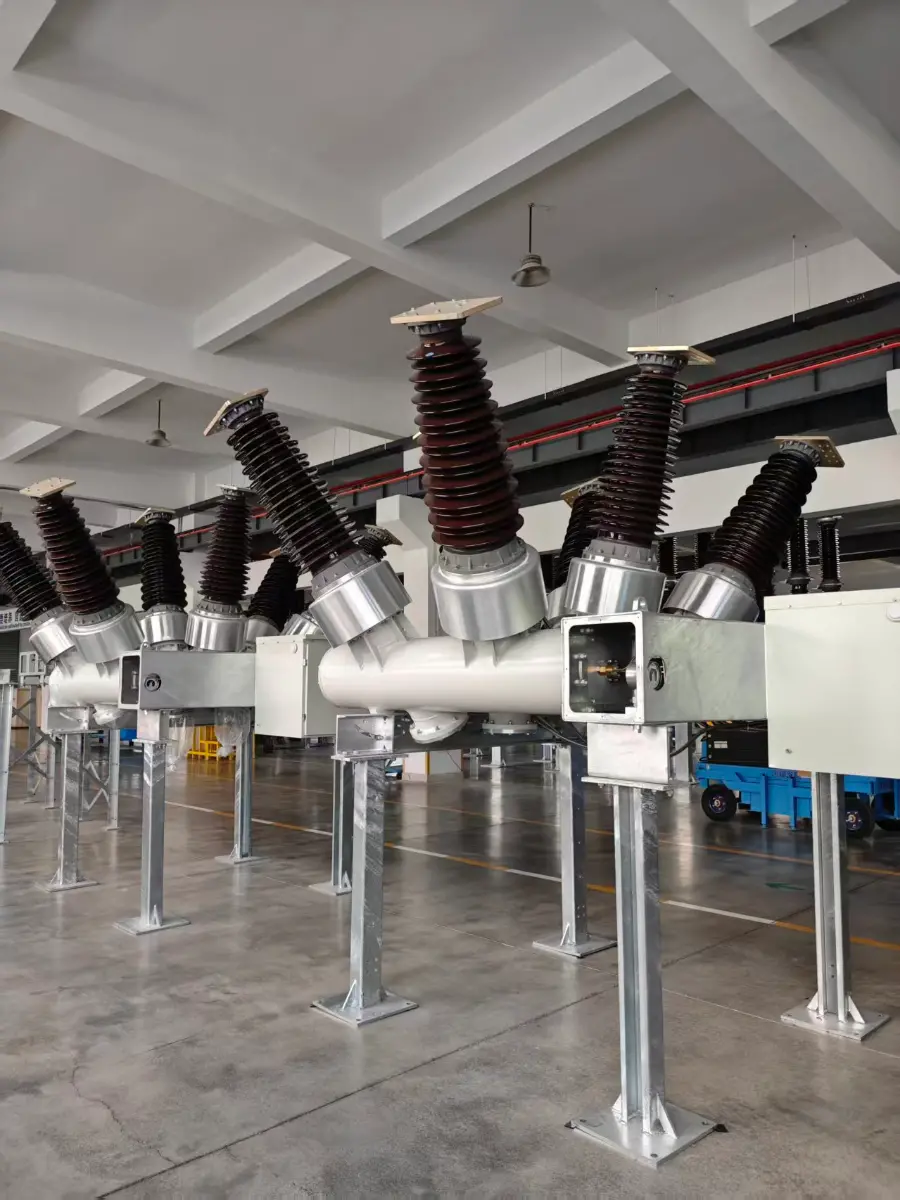
1. Environmentally friendly gas mixed insulation technology
CO ₂ and perfluoroketone/nitrile mixture gases: such as CO ₂/C ₅ - PFK (perfluoroketone) or CO ₂/C ₄ - PFN (perfluoronitrile) mixture gases. These mixed gases combine the arc extinguishing ability of CO ₂ and the high dielectric strength of perfluorinated ketones/nitriles, making them a substitute for SF ₆ in high-voltage applications. For example, CO ₂/C ₄ - PFN mixed gas has been commercially applied in high-voltage circuit breakers, with insulation and breaking performance close to SF ₆, and significantly reduced global warming potential (GWP).
Air and perfluoroketone mixed gas: In medium pressure applications, the mixture of air and C ₅ - PFK can be used as an insulation medium. By optimizing the mixing ratio and pressure, insulation performance comparable to SF ₆ can be achieved while reducing environmental impact.
2. Vacuum circuit breaker technology
Vacuum arc extinguishing chamber: Utilizing the high insulation strength and fast arc extinguishing ability in a vacuum environment, it replaces the arc extinguishing function of SF ₆. Vacuum circuit breakers are widely used in the medium and low voltage fields, especially in scenarios with high environmental requirements. Its advantages are no greenhouse gas emissions and excellent arc extinguishing performance, but it needs to solve problems such as vacuum sealing and contact materials.
Combination of vacuum circuit breaker and gas insulation: In some medium voltage switchgear, vacuum circuit breakers are used as breaking elements, combined with dry air or nitrogen as insulation media, to form environmentally friendly gas insulated switchgear (GIS) that balances insulation and arc extinguishing performance.
Integral Tank Structure: The breaker's arc quenching chamber, insulating medium, and related components are sealed within a metal tank filled with an insulating gas (such as sulfur hexafluoride) or insulating oil. This forms a relatively independent and sealed space, effectively preventing external environmental factors from affecting the internal components. This design enhances the insulation performance and reliability of the equipment, making it suitable for various harsh outdoor environments.
Arc Quenching Chamber Layout: The arc quenching chamber is typically installed inside the tank. Its structure is designed to be compact, enabling efficient arc quenching within a limited space. Depending on different arc quenching principles and technologies, the specific construction of the arc quenching chamber may vary, but generally includes key components such as contacts, nozzles, and insulating materials. These components work together to ensure that the arc is quickly and effectively extinguished when the breaker interrupts the current.
Operating Mechanism: Common operating mechanisms include spring-operated mechanisms and hydraulic-operated mechanisms.
Spring-Operated Mechanism: This type of mechanism is simple in structure, highly reliable, and easy to maintain. It drives the opening and closing operations of the breaker through the energy storage and release of springs.
Hydraulic-Operated Mechanism: This mechanism offers advantages such as high output power and smooth operation, making it suitable for high-voltage and high-current class breakers.