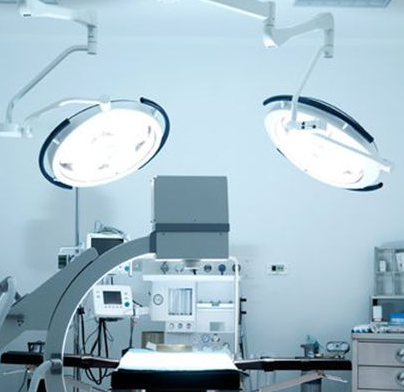
Hospital lighting is an essential aspect of healthcare facilities that affect the well-being and performance of patients, staff, and visitors. Hospital lighting design should consider the specific needs and preferences of different spaces and users, as well as the energy efficiency and sustainability of the lighting system. In this article, we will discuss the main purpose and objectives of hospital lighting, the required illuminance levels and types of luminaires for various hospital areas, and
03/16/2024
Consult
Tip
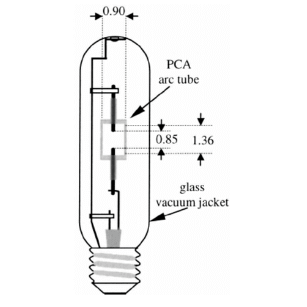
What is an Arc Lamp?An arc lamp is a type of electric lamp which produces light by creating an arc in the space between two electrodes when electrical energy is supplied. In the early 1800s, Sir Humphry Davy invented the first arc lamp. In that first lamp, two electrodes of carbon were used. The arc was produced between the electrodes in the air. It was used in searchlights, movie projectors (high-intensity light).Nowadays, gas discharge lamps are widely used. It is preferred to carbon arc lamps
03/16/2024
Consult
Tip
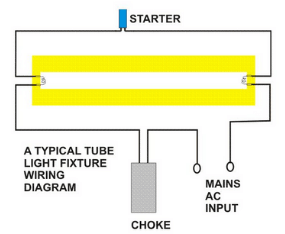
Required Wiring ComponentsA tube light is not connected in the supply main directly. Although it operates at 230 V, 50 Hz, some auxiliary electrical components are used to insert in this installation to support the tube light operational principle. The total electrical components for single tube light installation are Choke: it is electromagnetic ballast orelectronic ballast Starter: Small neon glow up lamp Switch WiresPlease ensure that you take the appropriate electrical safety precautions whe
03/16/2024
Consult
Tip
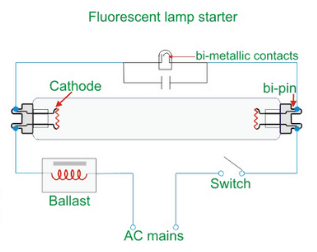
What is Tube Light?Tube shaped fluorescent lamp is termed as tube light. Tube light is a lamp that works on low pressure mercury vapor discharge phenomenon and converts ultra violate ray into visible ray with the help of phosphor coated inside glass tube.Material Used Inside the Tube LightThe materials used to build a tube light are given below. Filament coils as electrodes Phosphor coated glass bulb Mercury drop Inert gases (argon) Electrode shield End cap Glass stemAuxiliary Electrical Compone
03/16/2024
Consult
Tip
A fluorescent tube light consists of a lime glass tube drop of mercury argon gas phosphor coating electrode coils mounting assemblies aluminum capTotal set up of a lamp requires two bases and electromagnetic ballast or choke coil with a starter. The electrode mount assemblies are at both the ends of lamp tube. This electrode mounting assembly is almost similar to the stem press unit in the incandescent lamps. The electrode is similar to theincandescent lampfilament. The filaments of electrodes p
03/16/2024
Consult
Tip
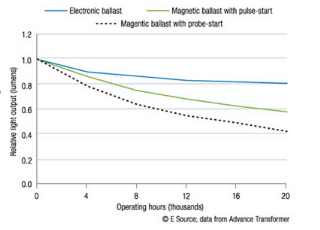
What is Electronic Ballast?An electronic ballast (or electrical ballast) is a device that controls the starting voltage and the operating currents of lighting devices.It does this through the principle of electrical gas discharge. An electronic ballast will convert power frequency to a very high frequency to initialize the gas discharge process in Fluorescent Lamps – by controlling the voltage across the lamp and current through the lamp.Use of Electronics BallastThere are some advantages to use
03/16/2024
Consult
Tip
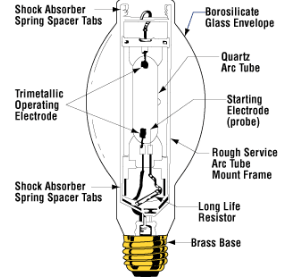
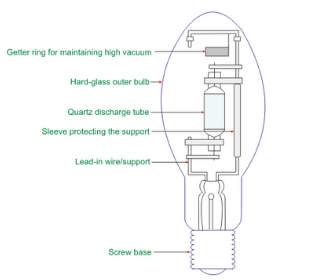
In case of fluorescent lamp the mercury vapour pressure is maintained at lower level such that 60% of the total input energy gets converted into 253.7 nm single line. Again transition of the electrons requires least amount of input energy from a colliding electron. As pressure increases the chance of multiple collisions gets increased. A schematic diagram of mercury lamp is shown below. This lamp is containing an inner quartz arc tube and outer borosilicate glass envelope. The quartz tube is abl
03/16/2024
Consult
Tip
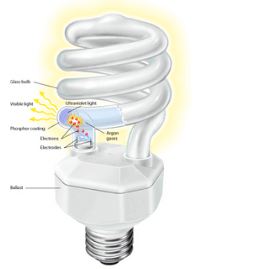
What is Fluorescent Lamp?A fluorescent lamp is a low weight mercury vapour lamp that uses fluorescence to deliver visible light. An electric current in the gas energizes mercury vapor which delivers ultraviolet radiation through discharge process and the ultraviolet radiation causes the phosphor coating of the lamp inner wall to radiate visible light.A fluorescent lamp has changed over electrical energy into useful light energy to a great deal more proficiently than incandescent lamps. The norma
03/16/2024
Consult
Tip
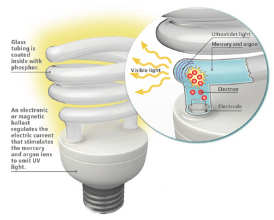
Fluorescent lamps are widely used as light sources in various applications, such as homes, offices, schools, and industries. They are more energy-efficient and durable than incandescent lamps, which produce light by heating a metal filament. Fluorescent lamps produce light by exciting a gas mixture inside a glass tube with an electric current, which emits ultraviolet (UV) radiation. However, UV radiation is invisible and harmful to human eyes and skin, so it needs to be converted into visible li
03/16/2024
Consult
Tip
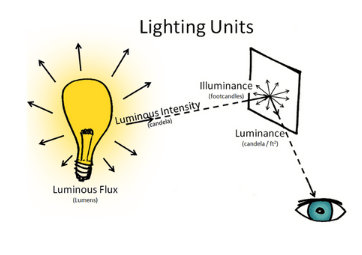
The radiant flux emitted from a point source in a certain direction per unit solid angle per unit projected area perpendicular to the specified direction is called radiance.Radiance is denoted by Le,λ and it is equal to the double derivative of radiant flux with respect to projected surface area As and Solid angle ωs.where, ÆŸ is the angle between normal to the elemental and the given direction.dAs is the elemental area and dωs is the elemental solid angle containing the given direction.The unit
03/16/2024
Consult
Tip






