Search


What is Differential Protection?

Differential protection detects internal generator faults using matched CTs & stabilizing resistors. Features percentage biasing for reliable stator winding protection.

Encyclopedia
Field: Industry News
Electrical Engineer
10Year<
China
Add us on Google


What is Differential Protection?


Differential Protection Definition


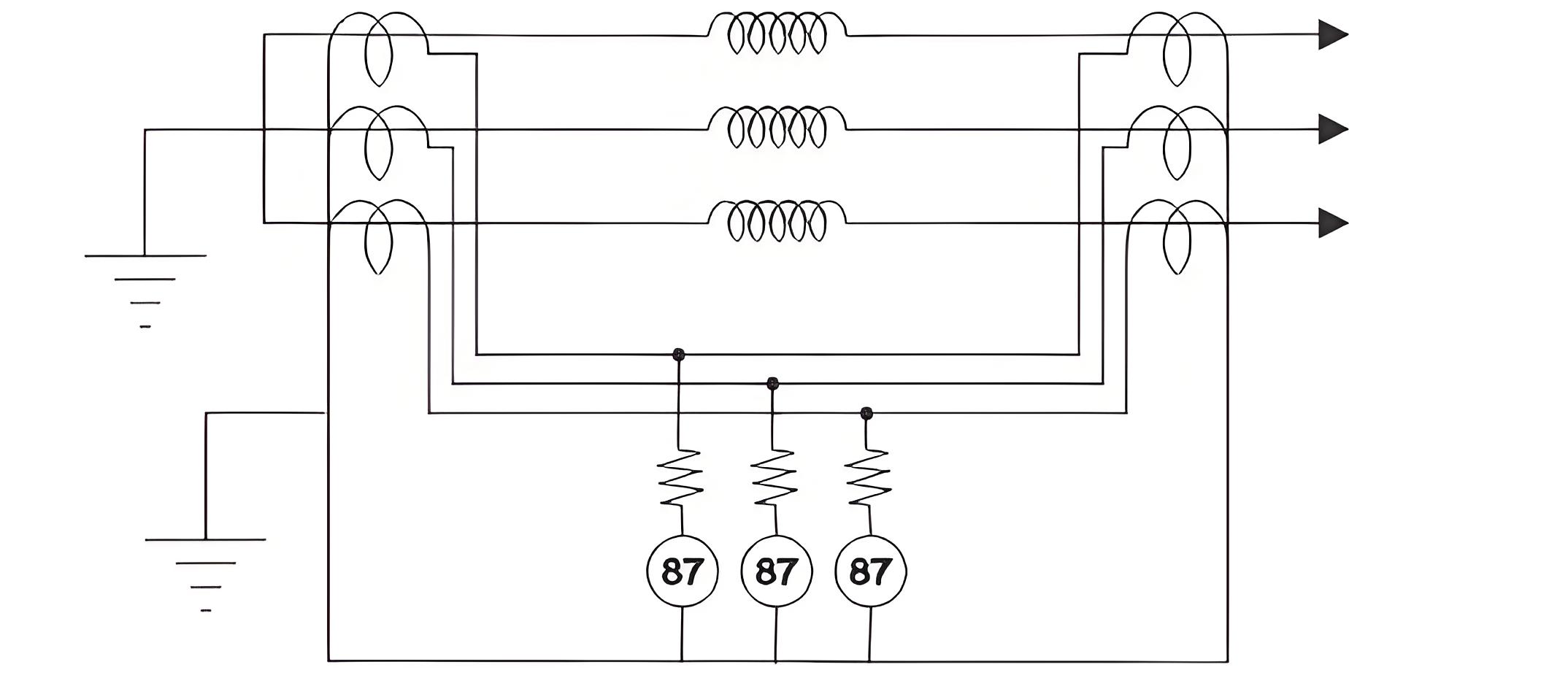
Differential protection is a method used to clear internal faults in the stator winding of a generator or alternator.


779aa64b-0c2e-43bf-9710-a8f0b234c3a8.jpg


Current Transformers


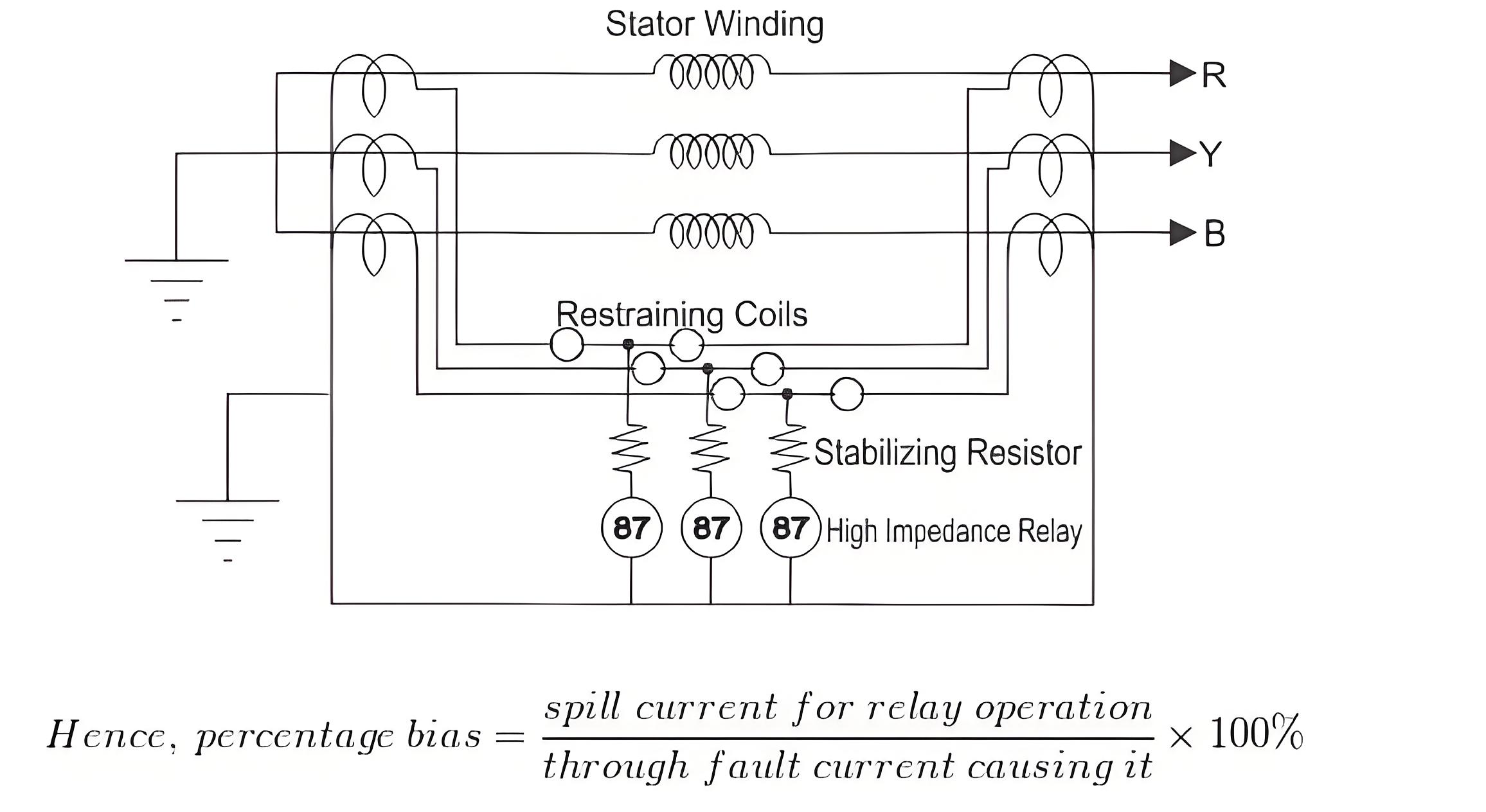
Two sets of current transformers (CTs) are used, one on the line side and one on the neutral side, and their characteristics must match to avoid relay malfunctions.


Stabilizing Resistor


A stabilizing resistor in series with the relay prevents operation due to external faults or CT saturation.


Percentage Biasing


Percentage biasing in differential relays helps manage spill current from mismatched CTs, preventing unwanted relay operation.


805af702-d52a-462b-9dae-8374155c4ae2.jpg


Relay Operation


The differential relay operates during internal faults when the operating coil’s torque overcomes the restraint coil’s torque, ensuring reliable protection.


Give a tip and encourage the author!

Comments

Share your question or perspective
WhatsApp
Send inquiry
+86
Click to upload file
Download
Get the IEE Business Application
Use the IEE-Business app to find equipment, obtain solutions, connect with experts, and participate in industry collaboration anytime, anywhere—fully supporting the development of your power projects and business.
Login
or continue with
New here?
Register