As a front - line maintenance technician, I deal with current transformers (CTs) daily. CTs convert high - magnitude primary current to low - magnitude secondary current for substation/line protection and measurement, operating in series long - term. However, they face faults from external (unbalanced loads, wrong wiring, etc.) and internal (insulation defects) issues. These faults, like secondary open - circuits or insulation breakdown, harm measurement accuracy, protection operation, and grid stability. Below, I share insights from hands - on experience.
1. CT Structure (Maintenance View)
A CT has primary/secondary windings, a core, and insulation (oil - immersed, SF6, solid). The primary winds in series with the circuit, the secondary connects to instruments/relays. Key: Fewer primary turns, more secondary turns, and near - short - circuit normal operation. Critical: Never open the secondary circuit; ground it reliably (I’ve seen dangerous arc flashes from open circuits).
2. Function & Principle (Practical)
CTs reduce large currents for safe protection/measurement via electromagnetic induction, isolating high voltage. During calibrations, I check primary - secondary current ratios to verify CTs.
3. Performance Classification
(1) Optical CTs (OTA)
Based on Faraday magneto - optical effect, used in grid tests. Temperature - sensitive but good for strong magnetic fields.
(2) Low - Power CTs
With microcrystalline alloy cores, they offer wide linear ranges, low losses, and high precision for large currents—ideal for industrial measurements.
(3) Air - Core CTs
No iron core, avoiding magnetic saturation. Popular in relay protection for strong anti - interference, suitable for complex environments.
4. Fault Causes (Field Experience)
(1) Insulation Thermal Breakdown
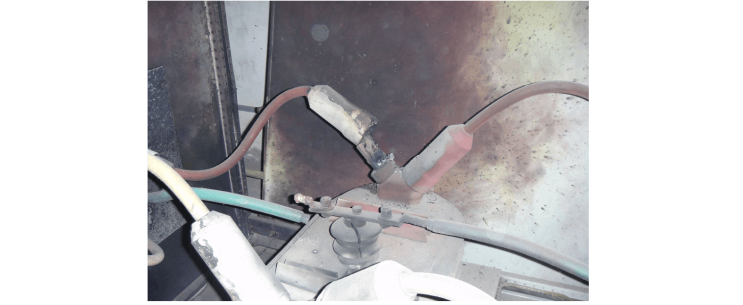
High - voltage CTs generate heat/dielectric losses. Defective insulation (e.g., uneven wrapping) causes overheating and breakdown—common in old equipment.
(2) Partial Discharge
Normal CT capacitance distributes evenly, but poor manufacturing/structure (e.g., misaligned screens) causes local high fields. Unresolved discharges lead to capacitor failures.
(3) Excessive Secondary Load
Heavy loads in 220 kV systems increase secondary voltage/current, causing errors. Faults may saturate cores, misoperate relays. Open secondary circuits (e.g., loose wires) create high voltages—risky!
5. Fault Response
(1) Follow Operational Rules
Wiring: Strictly series - connect circuits, windings, and instruments; use proper configurations (single - phase, star).
Error Compensation: Add windings/cores to correct errors via capacitance/inductance.
Calibration: Perform demagnetization/polarity tests post - installation/maintenance.
(2) Emergency Handling (Safety First)
Power Off: Immediately cut power for safety.
Inspect Secondary Circuit: Check for open circuits, minimize primary current, use insulation gear, and follow diagrams.
For secondary open circuits:
Assess Impact: Identify affected circuits, report to dispatch.
Reduce Load/Isolate: Transfer loads and de - energize if damaged.
Short - Circuit Secondary: Use approved materials; sparks mean downstream faults, no sparks mean upstream issues.
(3) Detection Techniques
Insulation Testing: Measure dielectric loss, capacitance to spot defects—good for aging assessment.
Infrared Thermography: My key tool! Detects loose connections/thermal issues quickly.
Conclusion
CTs are vital for grid reliability. Mastering their structure, principles, and fault handling ensures stability. Following guidelines, using detection tools, and acting on emergencies minimizes failures—securing a safer grid.

 Login
Login