• Product
  • Suppliers
  • Manufacturers
  • Solutions
  • Free tools
  • Knowledges
  • Experts
  • Communities
Search


Three-Phase Voltage Regulator: Safe Operation and Cleaning Tips

James
James
Field: Electrical Operations
China

Three-Phase Voltage Regulator: Safe Operation and Cleaning Tips

  • When moving a three-phase voltage regulator, do not use the handwheel; instead, use the carrying handle or lift the entire unit for relocation.

  • During operation, always ensure that the output current does not exceed the rated value; otherwise, the service life of the three-phase voltage regulator may be significantly reduced, or it may even burn out.

  • The contact surface between the coil and the carbon brushes should be kept clean at all times. If contaminated, excessive sparking may occur, damaging the coil surface. If black burn spots appear on the coil surface, wipe them gently with a cotton cloth soaked in alcohol until the spots are completely removed.

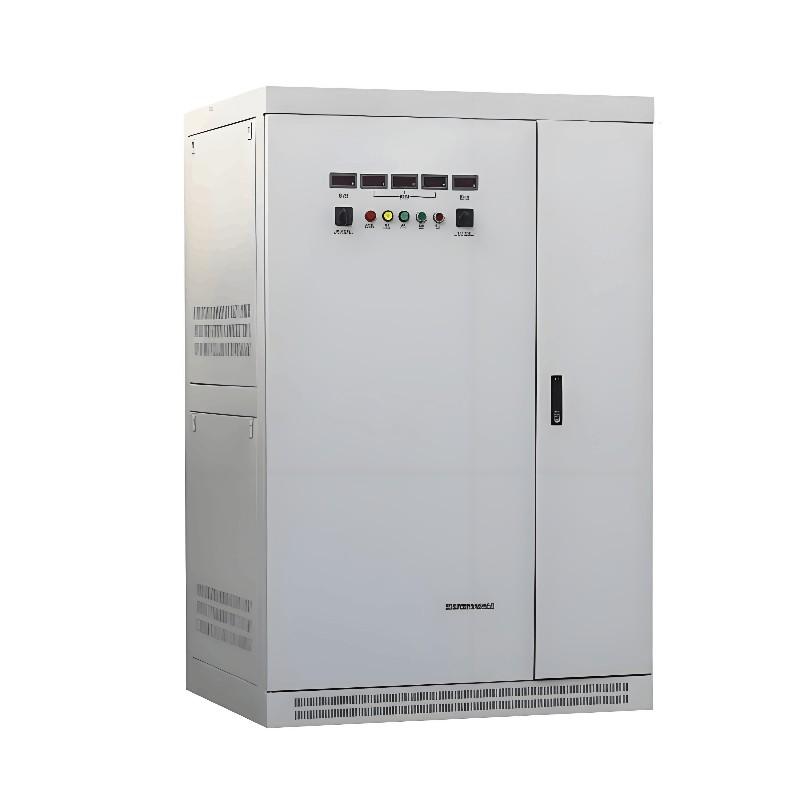
Three-phase voltage regulators are widely used in large-scale electromechanical equipment across industries such as industrial manufacturing, agriculture, transportation, telecommunications, military, railways, scientific research, cultural facilities, metal processing machinery, production assembly lines, construction machinery, elevators, medical devices, embroidery and light textile equipment, air conditioning systems, broadcasting and television equipment, household appliances, and lighting—anywhere stable voltage is required. Given such a broad range of applications, what is a reasonable price for a three-phase voltage regulator?

  • Regularly inspect the condition of the three-phase voltage regulator. If the carbon brushes show excessive wear or damage, replace them promptly with brushes of the same specification. After installation, place fine (No. 0) sandpaper under the new brushes and rotate the handwheel several times to smooth the brush contact surface and ensure good electrical contact before putting it back into service.

  • When mounting the three-phase voltage regulator horizontally onto a large panel or vertically onto another base, secure it firmly using the mounting holes provided on its base. Keep the unit clean at all times; never allow water droplets, oil, or other contaminants to enter the interior. The regulator must be powered off periodically for internal dust removal.

  • The supply voltage must match the input voltage specified on the voltage regulator’s nameplate.

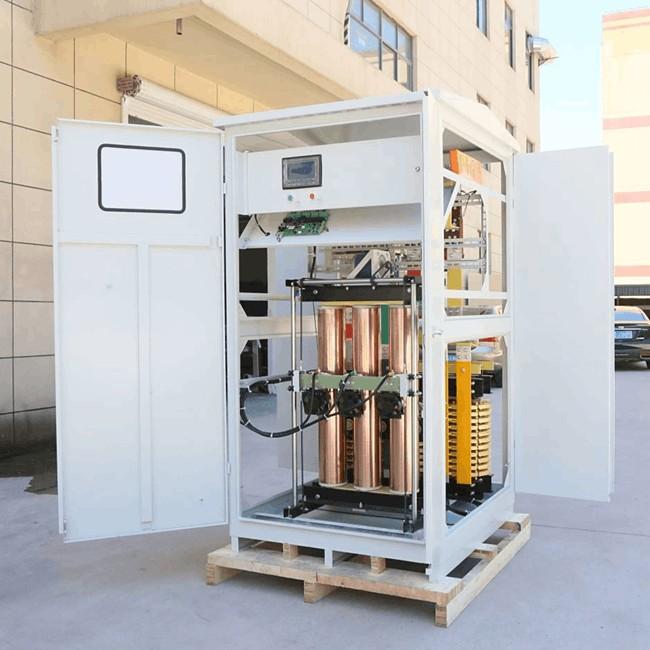
Structurally, the three-phase voltage regulator is similar to a wound-rotor induction motor, except that its rotor is locked in place by a worm gear mechanism and cannot rotate freely. The rotor position can be adjusted manually or electrically to a specific angle as needed. In terms of electromagnetic characteristics, it functions somewhat like an autotransformer.
Give a tip and encourage the author!
Recommended
Repair Small Burnt Sections in Voltage Regulator Coils
Repair of Partial Burnout in Voltage Regulator CoilWhen a portion of the voltage regulator coil is burned out, it is usually unnecessary to completely dismantle and rewind the entire coil.The repair method is as follows: remove the burned and damaged section of the coil, replace it with enameled wire of the same diameter, secure it firmly with epoxy resin, and then level it with a fine-tooth file. Polish the surface with No. 00 sandpaper and clean off any copper particles with a brush. Fill the
Felix Spark
12/01/2025
How to correctly use a single-phase autotransformer voltage regulator?
A single-phase autotransformer voltage regulator is a common electrical device widely used in laboratories, industrial production, and household appliances. It adjusts the output voltage by varying the input voltage and offers advantages such as simple structure, high efficiency, and low cost. However, improper use may not only impair equipment performance but also lead to safety hazards. Therefore, mastering the correct operating procedures is essential.1. Basic Principle of Single-Phase Autotr
Edwiin
12/01/2025
Separate vs Unified Regulation in Automatic Voltage Regulators
During the operation of power and electrical equipment, voltage stability is crucial. As a key device, the automatic voltage regulator (stabilizer) can effectively regulate voltage to ensure that equipment operates under appropriate voltage conditions. In the application of automatic voltage regulators (stabilizers), "individual-phase regulation" (separate regulation) and "three-phase unified regulation" (common regulation) are two common control modes. Understanding the differences between thes
Echo
12/01/2025
Three-Phase Voltage Regulator Wiring Guide & Safety Tips
A three-phase voltage regulator is a common electrical device used to stabilize the output voltage of a power supply so that it can meet the requirements of different loads. Correct wiring methods are crucial to ensuring the proper operation of the voltage regulator. The following describes the wiring methods and precautions for a three-phase voltage regulator.1. Wiring Method Connect the input terminals of the three-phase voltage regulator to the three-phase output terminals of the power supply
James
11/29/2025
Related Products
Send inquiry
Download
Get the IEE Business Application
Use the IEE-Business app to find equipment, obtain solutions, connect with experts, and participate in industry collaboration anytime, anywhere—fully supporting the development of your power projects and business.