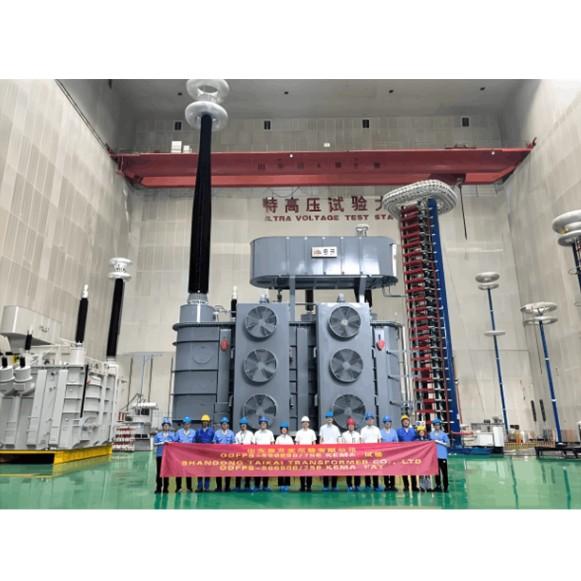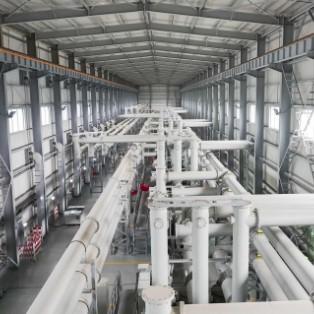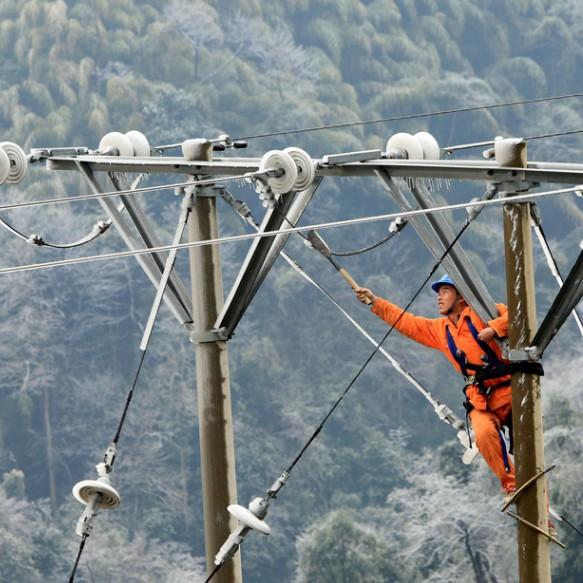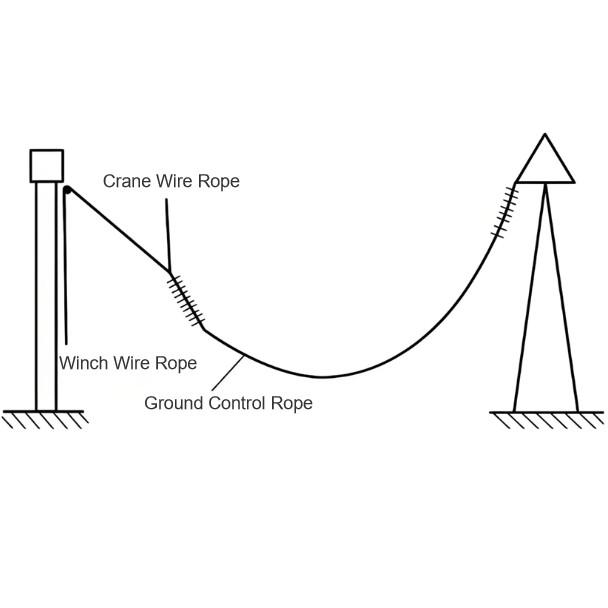
Arteyahan ang atong kompanya sa pagsuportar sa mga panginahanglan sa pagpalambo sa industriya sa kuryente, natigdasan nato ang pagtala sa mga kasayuran sa pagtatayo sa grid sa usa ka dapit ug gitabangan nato ang operasyon ug maintenance sa mga DC UHV transmission ug transformation nga mga proyekto sa mga lugar sa taas nga langit pinaagi sa pag-install ug pag-otima sa disenyo sa UHV transmission equipment. Ang kabuuang lawak sa lote sa construction site mao ang 2,541.22 m², ug ang net land area mao ang 2,539.22 m². Ang geolohikal nga strata sa construction site, gilista gikan sa itaas hangtod sa ubos, adunay kolor na sama sa loess-like soil, loess, paleosol, ug silty clay—apat ka layer sa foundation soil. Kompleks ang geolohiya ug gitubag sa matagamlang epekto sa taas nga langit, sumala makapadali og mosulob sa pagkawalang kaputian sa transmission line.
Sa konteksto kini, giisip nato ang mga kalkulo sa proyekto ug nahatagan nato og suhestyon nga ang building coefficient sa proyekto mao ang 61.48%, ug ang depth sa groundwater table nagkalihok tibuok sa 8.8 hangtod 8.9 m, sumala makapugos sa corrosion sa concrete structures sa proyekto. Ang atong kompanya nagfocus sa 110 kV transmission ug transformation project, ug ang scale sa construction nakita sa Table 1.
Table 1: Scale sa Construction sa UHV Gas-Insulated Transmission Project
| Butang | Kasamtangan nga Yuta | Mahimong Maayo sa Dili Pa |
| Pangunahing Pultahan sa Transformer | 2 × 31.5MkV |
3 × 50kV |
| 110kV Outgoing Lines | 2 Circuits | 6 Circuits |
| 35kV Outgoing Lines | 0 |
0 |
| 10kV Outgoing Lines | 20 Circuits | 36 Circuits |
| Pangkompleto sa Reactive Power | Ania ang bawat pangunahing transformer 2 × 4.8Mar | Ania ang bawat pangunahing transformer 2 × (4.8 + 4.8) Mar |
| Arc Suppression Coil | ≥869.49kVA | ≥1100VA |
Sumala, ang kompanya nato usab nangangailangan sa pagpapatigayon sa pagkonsidera sa sakop sa pagtubod sa presyon sa UHV gas-insulated transmission equipment ug ang masinop nga paggamit sa post insulators ug basin-type insulators aron mabati ang matagal na stable nga operasyon sa mga transformers.
1. Pagbuhat sa Contact Resistance Model
Tungod kay mahimong mag-occur ang overloading current pinaagi sa mga current-carrying conductors samtang nag-operate ang proyekto, importante nga iwasan ang pagdumala sa conducting spots. Kini mahimo pinaagi sa pagpadayon sa pagkuha og pangutana sa spot area ug paghunahuna sa constriction behavior sa mga ruta sa current [1]. Busa, pinaagi sa pagpataas sa on-site observation aron maobserbahan ang mga pagbag-o sa mga surrounding current lines, ang distribusyon sa ground surface, grounding current, power source, ug remote wireless points mahimo mopong analisis sa mikroskopiko nga level, nahimo kini nga makakompleto ang pagkuan sa mga unevenness issues nga nag-occur sa mga contact surfaces, sama sa gipakita sa Figure 1.
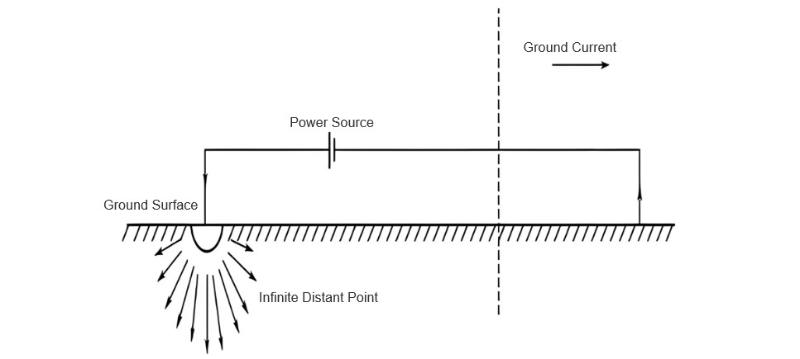
Pinaagi sa pagbuhat og contact model, ang paper niini, kasama ang paggamit sa UHV gas-insulated transmission equipment, nailhan ang tun-ang nga constriction resistance sa usa ka contact spot isip:
Re = (ρ₁ + ρ₂) / 4α,
kung diin: Re nagrepresenta sa constriction resistance sa usa ka contact spot; ρ₁ ug ρ₂ mao ang resistivities sa mga contacting materials; ug α nagrepresenta sa radius sa contact spot.
Busa, ang magnitude sa contact resistance mahimo mopong ma-analisa ngadto sa eksakto pinaagi sa correction method batasan sa contour sa strap-type contact fingers. Sumala, pinaagi sa pag-examine sa material parameters sa insulation transmission equipment sa contact area, mahimo mopong hatagan kung unsang materyales ang dapat gamiton para sa koneksyon, sama sa gipakita sa Table 2.
| Pangalan sa Komponente | Pangalan sa Materyal | Modulus ng Elasticidad | Pinahihintulutan na Stress ng Materyal |
| Pipe Busbar | Aluminum / Cast Aluminum | 70GPa | 110MPa |
| Tres - phase Support Insulator | Epoxy Resin | 25GPa | 45MPa |
| Conductor | Aluminum / Cast Aluminum | 70GPa | 110MPa |
| Bracket | Steel | 210GPa | 235MPa |
Ang sakop sa pagtahan sa presyon sa UHV gas-insulated transmission equipment mao ang 1,000 kV, uban ang pinakataas nga pagtahan sa presyon nga 1,683 kV, siguraduhon ang seguridad sa pagpada og kuryente. Ang kapabilidad sa pagpadala nia mahimong maabot sa 2.4 hangtod sa 5 beses sa kapangyarihan sa 500 kV EHV transmission. Gigamit ang puro nga SF₆ gas isip medium sa insulasyon, uban ang presyon sa pagbutang nga 0.3–0.4 MPa. Sa paggamit sa ikaduha nga henerasyon GIL (Gas-Insulated Line), gigamit ang misyos nga 20% SF₆ ug 80% N₂ batasan sa volume fraction isip medium sa insulasyon, uban ang presyon sa pagbutang nga 0.7–0.8 MPa. O masagol, ang dry ug clean compressed air mahimong gamiton isip medium, uban ang presyon sa pagbutang nga 1–1.5 MPa. Busa, ang pagpili sa gas sa insulasyon dapat matukod basehan sa kondisyon sa lugar aron siguraduhon ang stable nga operasyon sa UHV gas-insulated transmission equipment sa proyekto. Ang operating gas pressure usahay mahimo usab nga mapataas, ug ang overhead installation methods mahimong gamiton aron siguraduhon nga ang equipment makapareho sa kasamtangan nga UHV voltage level.
Ang mga personal mahimo usab nga mag-atiman sa estado sa koneksyon sa joints sa main material sa UHV gas-insulated transmission equipment aron mapalig-on ang ilang capacity sa pagdagan. Ang slenderness ratio sa main structural members usahay kinahanglan nga imong i-calculate:
λ₀ = kL₀ / r,
kon diin: λ₀ nagrepresenta sa slenderness ratio sa connected main member; k mao ang correction coefficient; L₀ mao ang length sa main member sa UHV gas-insulated transmission equipment; ug r mao ang radius of gyration sa main member.
2.Application Measures for UHV Gas-Insulated Transmission Equipment
2.1 Verification of Bus Duct and Conductor Stress
Sa panahon sa pag-aplikar sa UHV gas-insulated transmission equipment, ang stress condition sa pipe-type bus duct usahay kinahanglan matukod. Ang internal pressure mao ang 0.6 MPa, ug ang center elevation sa bus duct mao ang 7.7 m. Sa existing outdoor transmission system, ang pinakadako nga span tali sa duha ka supports mao ang 12 m. Ang external force nga nag-influence sa conductor usahay 0.6 MPa, ug ang allowable stress alang sa duha ka components mao ang 110 MPa. Masugdan pa, ang transmission system gitubok pinaagi sa three-way support insulators ug conductors.
Unang, ang outer diameter sa bus duct mao ang 500 mm, ug ang conductor’s outer diameter mao ang 160 mm. Kon may internal pressure, ang outer diameter dapat dili magbag-o, ug ang thickness sa wall dapat mapataas—gikan sa 5 mm hangtod sa 20 mm. Batas sa stress-thickness variation curve sa primary stress, natukod nga ang initial stress sa bus duct mao ang 18.45 MPa, representante sa 16.71% sa allowable stress sa materyales; ang initial stress sa conductor mao ang 3.45 MPa, representante sa 3.71% sa iyang allowable stress. Kini nagpakita nga kon ang outer diameter maglisud, ang thickness sa wall daghang nakaimpluwensya sa response sa presyon, lalo na sa first principal stress sa pipe. Ang internal pressure modala sa stress values sa pipeline structure—lalo na para sa thin-walled pipes—ug ang GIL evaluation methods mahimong gamiton aron matukod kung ang presyon makaapekto sa bus duct ug conductor.
Pangutana, ang pressure-bearing pipelines sa UHV gas-insulated transmission equipment—kasagaran sa pressure pipelines ug high-voltage risers—affect operational performance. Ang stress analysis sa thin-walled pressure-bearing pipeline structures dapat gihimo pinaagi sa sumala nga formula aron matukod ang circumferential normal stress σₜ sa longitudinal cross-section sa pipe:
σₜ = ρD / (2δ),
kon diin: ρ mao ang internal pressure sa pipe; D mao ang inner diameter sa pipe; ug δ mao ang wall thickness sa pipe. Kon ang voltage level magbag-o, ang mas dako nga diameter bushings preferred sa mas taas nga voltage levels, tungod kay ang mas gamay nga diameter bushings sufficient para sa mas gamay nga voltage levels.
2.2 Clarification of Gas Electrical Contact Characteristics
Alang sa UHV gas-insulated transmission equipment, ang primary gases nga gigamit kasagaran ang SF₆, nitrogen-oxygen mixtures, ug N₂. Kinahanglan mapalig-on ang research sa mga gases aron matukod ang ilang differences sa electrical contact characteristics. Alang sa strap-type contact fingers, ang SF₆ mahimong gamiton isip medium sa insulasyon aron mapalambo ang iyang excellent arc-quenching ug insulation properties. Ang total contact resistance (Rₜ) gigamit aron ilarawan ang electrical behavior sa current-carrying structures:
Rₜ = Rₚ + R꜀₁ + R꜀₂,
kon diin: Rₚ mao ang bulk resistance; R꜀₁ mao ang contact resistance sa upper electrode; ug R꜀₂ mao ang contact resistance sa lower electrode. Gitukod kini nga ang dielectric strength sa SF₆ dependent sa gas pressure—the mas taas ang pressure, mas taas ang dielectric strength.
2.3 Optimization of Electric Field Gap Design
Sa proyekto, ang internal electric field medyo non-uniform, uban ang non-uniformity coefficient nga humoltog sa 1.7. Kon may lightning impulse withstand voltage conditions sa area, sila magdaghan sa stress sa transmission lines, uban ang impulse coefficient nga 1.25. Unang, batas sa power frequency ug lightning impulse withstand voltage conditions sa region, ang peak value dapat matukod sa range nga 1.6–1.7 aron siguraduhon ang trouble-free operation sa UHV gas-insulated transmission equipment.
Sa pagtukod sa coaxial cylindrical structure, ang electric field strength E(x) sa region mahimo matukod aron matukod ang scenarios nga nanginahanglan og optimization:
E(x) = U / [x · ln(R/r)],
kon diin: x mao ang distance tali sa conductor ug enclosure; U mao ang voltage applied sa electrode; R mao ang inner radius sa enclosure; ug r mao ang outer radius sa central conductor. Kini makapahatag ug assessment kung ang surface sa central conductor mahimong damaged sa maximum field strength. Ang electric field safety kinahanglan kontrolado, ug ang mechanical performance kinahanglan mapalig-on.
Sa panahon sa pag-setup sa electric field infrastructure, ang actual load-bearing capacity sa UHV gas-insulated transmission equipment dapat matukod sa foundation level, ug ang stress calculations kompleto:
P = A × F,
kon diin: P mao ang load-bearing capacity sa equipment; A mao ang cross-sectional area sa transmission tower; ug F mao ang material strength. Masugdan pa, kon ang foundation gikan sa silty clay, ang subgrade kinahanglan compacted bago ang overhead line installation proceed.
Pinaagi sa optimized design nga consider sa product structure ug manufacturing capabilities, mahimo siguraduhon ang high insulation performance sa lightning impulse conditions. Pangutana, kon ang gas compartment mahaba, ang installation sa UHV gas-insulated transmission equipment magiging challenging. Sa sitwasyon, ang local operating gas pressure mahimo set sa 0.4–0.5 MPa pinaagi sa field strength design, allowing conductive particles to operate normally under electric field influence without inducing partial discharge or gas gap breakdown.
Sa tunga, batas ang kondisyon espesipiko sa UHV gas-insulated equipment, ang diameter sa wala sa conductor rod dapat idisenyo isip 130 mm, ug ang diameter sa loob sa enclosure isip 480 mm. Ang tabang sa plug-in area usab ang kailangan molihok: ang thickness sa wall dapat iset isip 30–40 mm, ug ang clearance kinahanglan <1 mm. Kon ang radius sa chamfer sa wala sa plug-in area iset isip 5 mm, mahimong mas maayo pagbuhat ang pag-ila sa field strength sa elektriko—mas taas na field strength malapit sa chamfer nagpakita og mas dako nga radius, ug mas baba na field strength nagpakita og mas gamay nga radius. Sa dapit sa pagkontrol sa lokal nga concentration sa electric field, kinahanglan maprevent ang excess nga field strength sa gap, makapahimo og preliminary electrical connection design alang sa UHV gas-insulated equipment ug padayon sa pagpasa sa electric field signal distribution requirements.
2.4 Rational Insulator Design
Tungod kay ang insulators sa UHV gas-insulated equipment operahan sa ground, ang ilang flashover voltage mas baba kaysa sa gap breakdown voltage, gawasan sila sa electrical insulation. Kini nagpasabot nga ang gap considerations kinahanglan paigagahan, ug ang field strength sa lightning impulse conditions kinahanglan intindihan aron sa proper nga pagdisenyo sa insulating components.
2.4.1 Enhanced Control of Insulator Field Strength
Batad sa kondisyon sa project construction, ang kompanya nami miudyok ang flashover phenomena sa surface sa insulator, kasinugdanan sa epekto sa material, structure, ug surface charge sa insulator. Kinahanglan maprevent ang metal particle contamination. Ang rational structure sa UHV gas-insulated equipment sigurado pinaagi sa pagkombinar sa SF₆ gas, insulating materials, ug embedded components. Pinaagi sa pagkuha sa experience sa insulator design sa dili pa, ang field strength sa operasyon mahimo mapagbatasan sa usa ka bahin sa normal nga operating electric field gap. Para sa pure SF₆-insulated equipment, ang operating gas pressure mahimo mapreserbar sa 0.4–0.5 MPa.
Ang vertical electric field strength (Eₛ) mahimo ipasabot gamit ang:
Eₛ = 45.5p + 1.7,
kon asa si p ang gas pressure. Busa, depende sa withstand voltage sa equipment, ang design field strength sa surface sa central conductor mahimo kontrol sa 19.9–24.5 kV/mm, samtang ang insulator surface field strength dili mahimo mogawas sa 10 kV/mm. Sigurado nga ang insulators internal nga embedded sa electric field nagpreventa sa abrupt nga increase sa field sa impakto sa UHV, nagsulay sa risk sa insulation failure ug nagpadayon sa long-term application sa UHV gas-insulated transmission equipment sa proyekto.
2.4.2 Optimized Basin-Type Insulator Design
Tungod sa complex nga terrain sa proyekto ug ang panginahanglan sa electric field simulation, ang basin-type insulator design kinahanglan paigagahan—partikular nga sa pag-omit sa shielding electrodes. Kini nga structure nahimo ang observation sa electric field intensity sa high-voltage conductor side sa insulator. Kon taas ang field strength, ang maximum value sa convex surface nahimong 12.7 kV/mm ug 13 kV/mm sa concave surface; mosobra kini nga threshold nagpakita og abnormal nga operasyon. Tungod kay taas ang electric field intensity sa insulator, ang maximum power frequency operating voltage kinahanglan ipreserbar sa babaw sa 3.4 kV/mm. Ang pag-install sa shielding electrodes sa basin-type insulators paigagahan ug simulate ang electric field.
Pinaagi sa previous nga electrical connection methods, ang size sa shielding electrode kinahanglan mapreserbar, ug ang electrical plug-in connector kinahanglan posisyon sa chamfer sa basin-type insulator aron pasabtan ang iyang electrode shielding effect, busa mag-improve sa electric field distribution sa UHV gas-insulated transmission equipment.
3. Conclusion
Arong mopasabot sa comprehensive development requirements sa power enterprises, ang kompanya nami kinahanglan paigagahan ang research sa UHV gas-insulated transmission equipment. Batad sa specific nga operating conditions, ang mga problema kinahanglan analisa ug solusyunan pinaagi sa mga metodo sama sa pag-establish sa contact resistance model, verification sa bus duct ug conductor stress, clarification sa gas electrical contact characteristics, optimization sa electric field gap design, ug rational design sa insulators—busa mapadaghan ang service life sa equipment.