Transformer Main Protection
The main protection for transformers consists of gas protection and differential protection.
Gas Protection
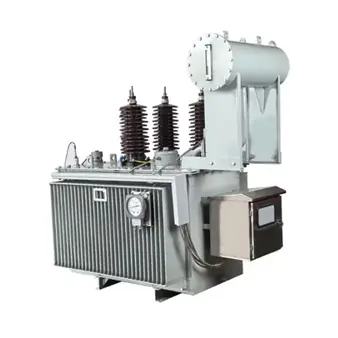
Gas protection is a protective mechanism that responds to internal faults within the transformer tank and to a drop in oil level. When an internal fault occurs in the transformer tank, gases generated from the decomposition of transformer oil and insulation materials due to fault currents and arcing flow from the tank toward the upper part of the oil conservator. The protection that operates based on these gas and oil flows is known as gas protection. Designed according to the characteristic that gases are produced during internal transformer faults, gas protection serves as the primary protection for internal transformer faults and is unique to transformers.
Differential Protection
Transformer longitudinal differential protection, commonly referred to as differential protection, is designed based on the circulating current principle. Differential protection is the main protection for various short-circuit faults in transformer windings, bushings, and lead wires. However, it is not highly sensitive to certain internal faults such as minor turn-to-turn short circuits. Therefore, differential protection and gas protection are typically used together to form the main protection system for transformers. Longitudinal differential protection is recommended for large, critical transformers, or when the sensitivity of instantaneous overcurrent protection is insufficient.
Scope of Differential Protection
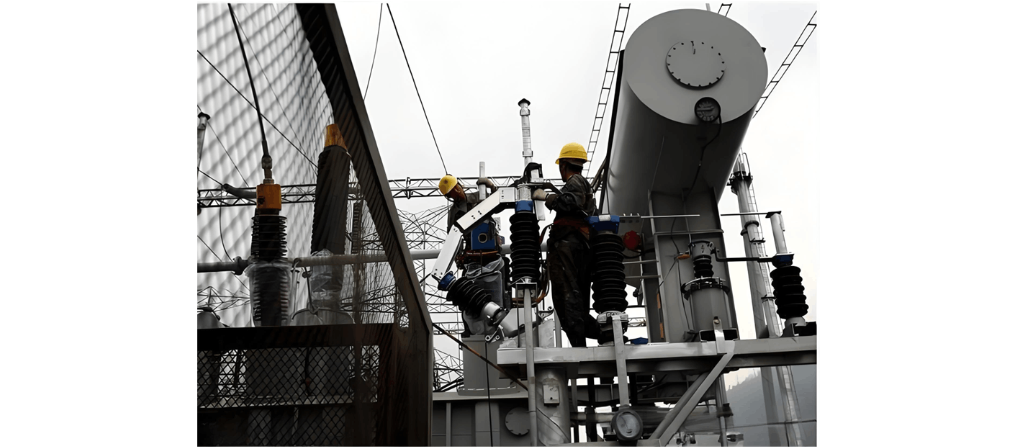
The protection zone covers the primary electrical components between the current transformers on all sides of the transformer.
Multi-phase short circuits in the transformer leads and windings.
Severe turn-to-turn short circuits.
Grounding faults on windings and leads in high-current grounding systems.
Advantages and Disadvantages of Differential Protection
Advantages: Capable of quickly and effectively clearing faults within its protection zone. When correctly wired and properly commissioned, it operates reliably without maloperation.
Disadvantages: Not sufficiently sensitive to minor internal turn-to-turn short circuits.

 Login