Ang status nga operasyonal ug kabalaka sa mga equipment sa loob sa mga substation direktang makaapekto sa seguridad ug estabilidad sa power grid. Ang daghang mga equipment sa substation gisangpot sa mga metal nga gihimo sa iba't ibang materyales sama sa pure copper, carbon steel, ug stainless steel. Sa pag-operate og dugay, ang pagbaba sa kalibrehan sa mga metal nga materyales kasagaran mogulid sa pag-fail sa mga equipment, nga nagpapahimong adunay dako nga panganib sa maayo ug stable nga operasyon sa mga substation.
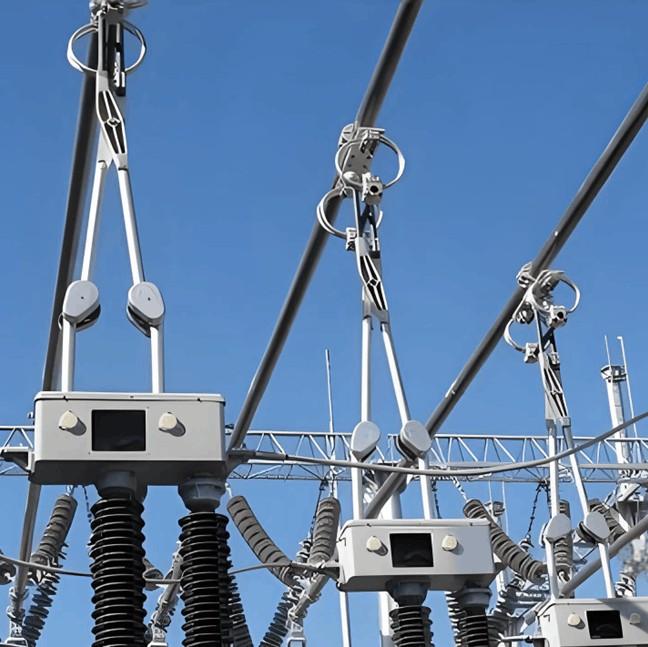
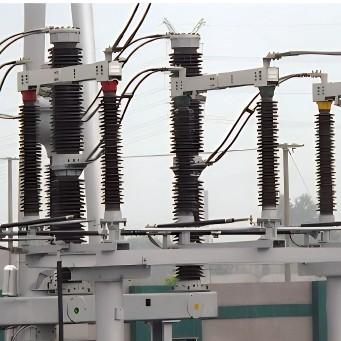
Ang outdoor high-voltage disconnectors usa ka prime example. Importante gyud ang ilang maayo nga pag-operate—dili lang para sa kabalaka, seguridad, ug estabilidad sa power supply sa substation, apan tungod kay ang ilang pag-fail mahimong mogulid sa pag-collapse sa buong power grid. Kini importante nga aktibo nga analisisi ang root causes sa common nga mga failure sa mga equipment sa substation ug ipresentar ang targeted nga mga protective measures.
1. Introduction to Outdoor High-Voltage Disconnectors
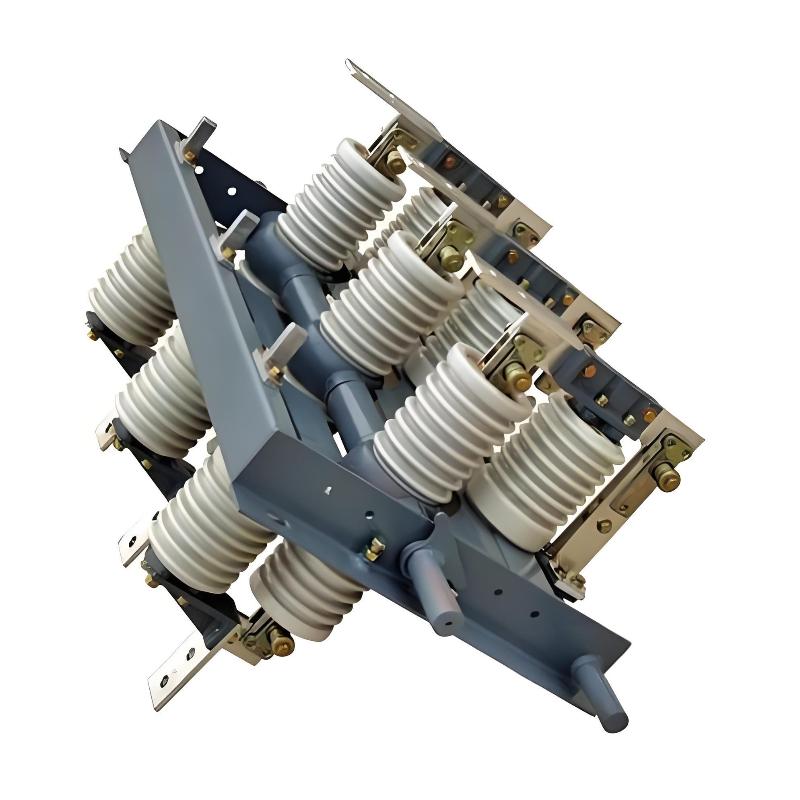
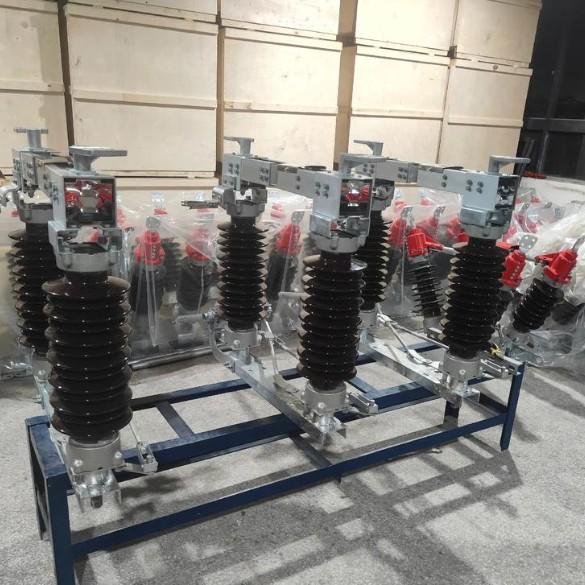
Ang outdoor high-voltage disconnectors sa usa ka 330 kV substation mao ang early-model GW4-series products giproduktso sa usa ka former high-voltage switchgear plant. Nagsakop sila og double-column horizontal structure nga symmetrical sa left-right ug gisangpot sa base, support brackets, insulators, ug main conductive assembly. Ang main conductive assembly nagsakop og flexible connectors, terminal clamps, conductive rods, contacts, contact fingers, springs, ug rain shields.
Sa Setyembre 2017, samtang gi-maintain ang rutin, ang mga operator mihatag nga ang pipila ka outdoor disconnectors naghimong naa og varying degrees sa cracking sa ilang support brackets, kasama sa severe corrosion. Kini naghatag og serious nga safety hazard sa manual operation. Taliwala kini, gibuhat ang macroscopic examination sa crack morphology. Gi-analisi usab ang contaminants gikolekta gikan sa clamp-side ug terminal-side sa support brackets gamit ang microscopic metallographic analysis. Gitubag usab ang spectrometer aron mas kompleto nga i-analyze ang chemical composition sa support brackets, conductive rods, ug associated contaminants.
2. Inspection Results of Support Bracket Cracking
2.1 Macroscopic Morphology
Ang surface coating sa disconnector support brackets mi-peel off, nagsakop sa severe corrosion. Obvious nga corrosion products gibantayan gikan sa bracket hangtod sa conductive rod. Ang cracks naghimong brittle fracture, ngadto sa chevron ("herringbone") patterns visible sa fracture surfaces. Ang crack origin ug propagation zones naghimong black o dark gray.
Ang deflection measurements nagsakop og deformation nga 3.0 mm sa terminal-board side ug 2.0 mm sa clamp side, naghimo og significant structural distortion sa bracket.
2.2 Microscopic Morphology
Ang microscopic metallographic analysis nagsakop og contaminant layer thicknesses nga 1.1–3.3 mm sa clamp side ug 3.2–3.5 mm sa terminal-board side sa support bracket.
2.3 Spectral Analysis
Ang spectrometric analysis sa support bracket, conductive rod, ug contaminants nagsakop sa sumala (tan-aw Table 1):
Ang support bracket nagsakop og 94.3% aluminum, naghimo kini nga cast aluminum alloy.
Ang conductive rod nagsakop og 92.7% copper, kasama ang trace elements, naghimo kini nga copper alloy tube.
Ang contaminants nagsakop og 94.3% aluminum.
Sa humid atmospheric conditions, ang aluminum (gikan sa bracket) ug copper (gikan sa conductive rod) naghimo og galvanic couple, naggulid sa electrochemical (galvanic) corrosion reaction. Kini nag-generate og aluminum-ion-rich corrosion products—identified as the primary contaminant causing material degradation and eventual cracking.
| Pangalan sa Sampol | Sulod sa Elemento | |||||
| Al | Zn | Mn | Cu | Fe | Si | |
| Suporta sa Isolator | 94.3 | 0.33 | 0.39 | 2.64 | 0.76 | -- |
| Conductive Rod | 6.12 | 0.26 | < 0.017 | 92.66 | < 0.028 | 0.936 |
| Kontaminante | 94.3 | 0.34 | 0.28 | 2.51 | 0.61 | 1.13 |
3. Analisis ng Kausaban ug mga Pamaagi sa Proteksyon
3.1 Analisis sa Mga Dugang Rason sa Pagkawas sa Suporta Bracket
Kahit asa, ang pagkawas sa materyal nga metal makakita sa duha ka kategoriyahan sa rason:
Mga panahon nga adunay kalabutan: may kalabutan sa kalidad sa materyal ug proseso sa pagbuhat;
Mga panahon nga wala adunay kalabutan: may kalabutan sa kondisyon sa serbisyo sama sa mekanikal nga pagkuha, oras, temperatura, ug panglawas.
Sa mga proyekto sa power grid, ang mga komponente nga metal kasagaran gipasabot sa mahigpit nga inspeksyon sa kalidad—kasama na ang komposisyon sa materyal ug inaasahang oras sa serbisyo—sa dili pa ilisan. Ang karanasan sa field nagpakita nga ang mga outdoor high-voltage disconnector nagoperasyon sa higanteng kondisyon, ug ang ilang reliabilidad kasagaran gi-dominar sa eksternal nga kondisyon sa serbisyo kontra sa inherent nga defekto sa materyal. Busa, ang pagkawas nga nabantog sa suporta bracket niining disconnector wala kay gikan sa gamay nga kalidad sa materyal apan kasagaran gitumongan sa eksposisyon sa environment.
Ang 330 kV substation nahimutang sa rehiyon sa amihanang-kasadpan nga tipikal nga temperate semi-arid climate—na gikatakdang dry air, abundant nga sunshine, ug large nga diurnal ug annual temperature variations. Ang winter mao ang long ug cold ug minimal nga precipitation, samtang ang summer short pero hot.
Ang aluminum alloy support bracket sa disconnector walay letup nga ekspondo sa severe atmospheric environment, subject sa strong winds, thermal cycling, ice accumulation, ug occasional rainfall—conditions highly conducive to stress corrosion cracking (SCC).
Ang SCC nagrefer sa brittle fracture sa stressed metal component sa corrosive environment. Ang iyang pag-occur nimo require two essential conditions: tensile stress ug specific corrosive medium.
Sa kasong ini:
Adunay tensile stresses downward sa both sides sa bracket’s bottom centerline ug upward sa center, result sa uneven stress distribution.
Ang non-uniform loading induce plastic strain ug dislocation slip sa metal, accelerating SCC initiation, propagation, ug eventual fracture.
Ang bracket gihimo sa cast aluminum alloy. Sa presence sa moisture ug airborne dust particles nga form soluble contaminants, galvanic ug crevice corrosion readily occur—especially sa clamp-side gap, diin water o ice can accumulate.
Ang synergistic effect sa tensile stress ug corrosive attack ultimately led to cracking.
Macroscopically, SCC fracture surfaces typically show black o gray-black crack origins ug propagation zones due to corrosion, with sudden brittle fracture areas exhibiting radial patterns o chevron ("herringbone") markings—exactly matching the observed fracture morphology of the disconnector bracket. This strongly confirms that the failure mechanism was stress corrosion cracking.
As the most numerous equipment type in substations, outdoor disconnectors face significant risks when operating long-term in exposed environments—especially with the increasing deployment of unattended substations, which demand higher reliability. The following four protective strategies are proposed:
Since outdoor disconnectors are directly exposed to atmospheric conditions—and particularly vulnerable in extreme climates (e.g., alpine cold, high heat, coastal salinity, or icing zones)—installing isolation shields or protective enclosures can create a controlled micro-environment, significantly mitigating corrosion.
Given that uneven stress distribution combined with harsh environmental conditions triggered SCC, operators must intensify visual and mechanical inspections of critical components—especially base supports and clamping structures—to detect early signs of deformation, corrosion, or cracking and prevent secondary damage or safety incidents.
Condition monitoring of substation equipment is not only an efficient means to improve maintenance effectiveness but also a cornerstone of full lifecycle asset management. Advanced corrosion detection and real-time monitoring technologies should be actively deployed for periodic, targeted assessment of outdoor disconnectors and their attachments.
Applying high-quality anti-corrosion coatings is one of the most effective ways to inhibit corrosion on substation equipment. On disconnector support brackets, coatings with excellent resistance to permeation by oxygen, moisture, and ionic contaminants can effectively isolate the metal surface from corrosive agents. Such coatings provide robust physical barrier protection, establishing a reliable first line of defense against environmental degradation.
4. Conclusion
Based on comprehensive testing and analysis of the support bracket, conductive rod, and contaminants from the 330 kV substation’s outdoor high-voltage disconnector, the following conclusions are drawn:
(1) The primary cause of the support bracket cracking is stress corrosion cracking (SCC). Uneven tensile stress at the bracket base, combined with crevice corrosion in the clamp-side gap under fluctuating climatic conditions, accelerated material degradation and ultimately led to fracture.
(2) Ang mga ginahisgutan nga mga pamaagi sa pagprotekta kasagaran nanglakip sa pag-install ug mga isolation enclosures, pag-aplikar og high-performance anti-corrosion coatings, pagpataas sa pagsusi regular, ug pag-implementar og systematic corrosion monitoring. Alang sa partikular nga mga lugar, dili dapat mahimong buhaton ang pagbuhat ug comprehensive site-specific corrosion mitigation strategy aron masiguro ang safe, stable, ug reliable operation sa mga substation equipment.