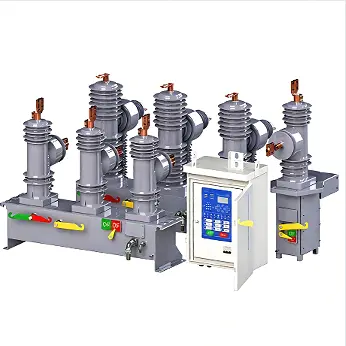
How to Select Low-Voltage Electrical Apparatus: Two Key Principles and Four Important Considerations
When selecting low-voltage electrical devices, two fundamental principles must be followed: safety and economy. Additionally, there are several critical factors to consider. Those unfamiliar with the process should refer to the guidelines below.
I. Two Core Principles for Selecting Low-Voltage Electrical Apparatus
Safety Principle
The selected low-voltage devices must operate accurately and reliably, meeting all specified technical requirements to ensure normal operation of electrical equipment. They must also comply with relevant protection standards (e.g., IP ratings) and insulation standards to prevent personal injury or equipment damage.
Economy Principle
Provided that safety and required technical performance are satisfied, choose devices offering the best value—i.e., high performance at a reasonable cost. Also consider the expected service life, maintenance intervals, ease of replacement, and repair convenience when making your selection.
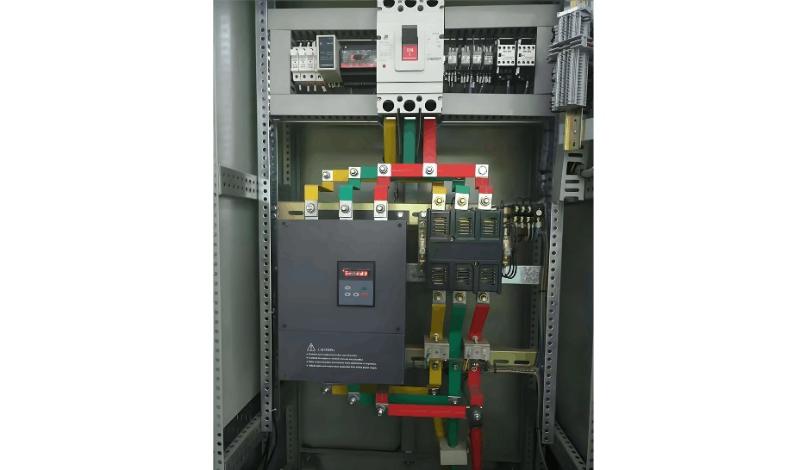
II. Key Considerations When Selecting Low-Voltage Electrical Apparatus
Match the Application
Select devices based on the type of load to be controlled (e.g., motor control, machine tool control, or other electrical systems), specific control requirements, and the operating environment.
Evaluate Normal Operating Conditions
Consider environmental factors such as altitude, ambient relative humidity, presence of corrosive gases or conductive dust, allowable mounting orientation, mechanical shock resistance, and whether the device will be used indoors or outdoors.
Determine Technical Specifications
Define required technical parameters according to the controlled equipment’s needs—such as rated voltage, rated current, operating frequency, duty cycle (e.g., continuous, intermittent), etc.
Ensure Adequate Capacity
The rated capacity of the selected low-voltage device must exceed that of the connected load. For equipment with special control requirements (e.g., speed regulation, pressure control), use specialized low-voltage apparatus designed for those functions.
Assess Performance Characteristics
In addition to compatibility with the load, evaluate the device’s make-and-break (switching) capability, expected service life, and compliance with manufacturing or installation process requirements.
By adhering to these principles and considerations, you can ensure safe, reliable, and cost-effective selection of low-voltage electrical components for any industrial or commercial application.

 Login