Search


ROCKWILL Tank-Type SF6 Circuit Breaker: High-Altitude Insulation Strengthening Mechanism and Engineering Practice

Rockwill tank-type SF6 circuit breaker: high-altitude insulation strengthening mechanism, engineering practice, and performance validation.

Rockwill
Field: Manufacturing
10Year<
China
Add us on Google

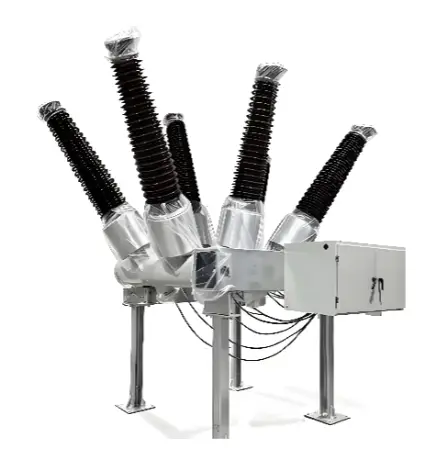
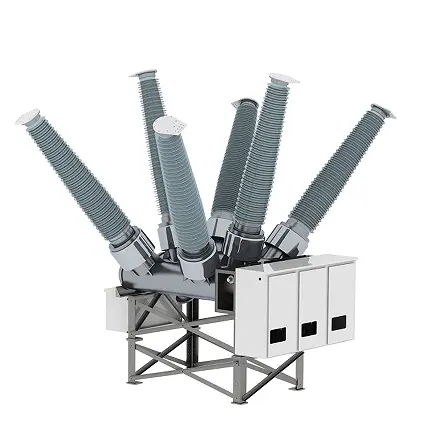
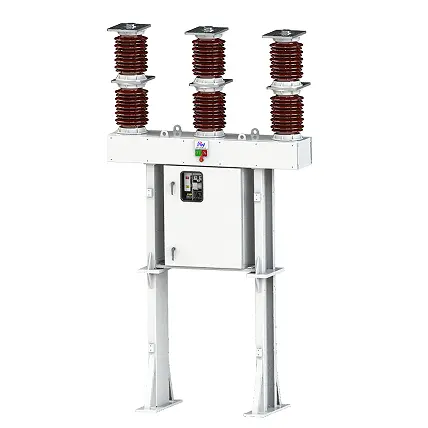
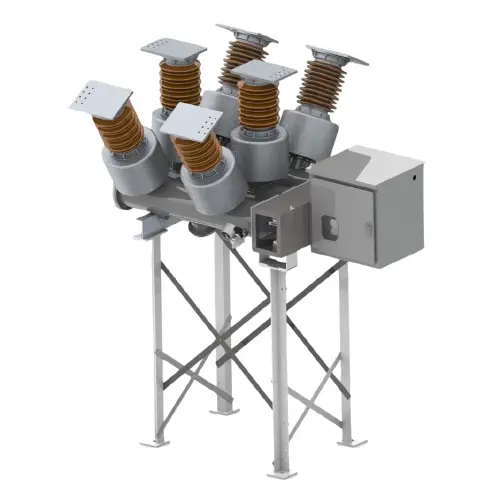
When a ROCKWILL tank-type SF6 circuit breaker is deployed at altitudes exceeding 1000 m, the physical environment in which it operates changes significantly. The weakening effect of high-altitude conditions on external insulation performance requires targeted insulation strengthening measures in engineering practice.

Thorough analysis of the influencing mechanism and mastery of commonly used strengthening measures are the foundation for ensuring safe operation of high-voltage power grids.

iee-business

Dead Tank SF6 Circuit Breaker Original Manufacturer

I. Core Mechanism of High-Altitude Impact on High-Voltage Insulation

The weakening of high-voltage equipment's external insulation at high altitudes is essentially a decline in the dielectric strength (breakdown voltage) of the air medium. This phenomenon is primarily attributed to reduced air density and changes in absolute humidity, which together disrupt the original electric field balance:

"Electron Avalanche" Effect Caused by Reduced Air Density (Core Mechanism)
An increase in altitude directly leads to lower atmospheric pressure — the air becomes thinner and the spacing between gas molecules increases. According to Paschen's Law, in low-pressure environments, the average distance traveled by free electrons between two collisions (mean free path) when accelerated in an electric field becomes significantly longer. This allows electrons to accumulate higher kinetic energy, greatly enhancing their ionization capability when striking air molecules, making it much easier to trigger an "electron avalanche" and causing the insulating medium to break down at a lower voltage.

Weakened "Cooling" Suppression Due to Reduced Absolute Humidity
Absolute humidity in high-altitude areas is typically low. Under normal atmospheric conditions, water vapor molecules have a large electric dipole moment and can absorb the kinetic energy of high-speed electrons through inelastic collisions, thereby effectively suppressing the development of "electron avalanches." In high-altitude dry air, the reduction in water molecules weakens this electron "cooling" effect, further lowering the overall air insulation strength.

iee-business

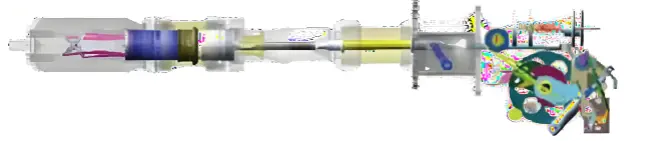
Section simulation of sealed SF₆ interrupter

II. Engineering Insulation Strengthening Measures for High-Altitude Environments

Based on the above physical mechanisms, the following multi-dimensional insulation strengthening measures are typically adopted in the engineering design and equipment selection of ROCKWILL tank-type circuit breakers, in accordance with international standards such as IEC 62271-1 and IEC 60071:

Increase Air Clearances (Electrical Clearances)

Strictly follow the insulation coordination requirements of IEC 60071, using the altitude correction factor (Ka) specified in the standard for precise calculation. Increase the minimum air distance between conductors and tower structures or equipment enclosures to compensate for the reduction in breakdown voltage caused by lower air density through physical extension of the gap, ensuring compliance with the corrected withstand voltage requirements.

Increase Creepage Distance

Extend the shortest path along the insulation surface by increasing the number of insulator sheds or using longer composite insulators. This measure aims to raise the surface flashover voltage, effectively preventing surface tracking or flashover faults under combined low-pressure and pollution conditions.

Adopt Gas-Insulated Technology

Inside the tank-type circuit breaker, fully utilize SF6 gas with its extremely high dielectric strength to replace part of the air insulation. This fully enclosed metal grounded tank structure not only isolates the influence of the external low-pressure environment but also significantly enhances the overall insulation and arc-quenching performance of the equipment.

Select High-Altitude-Specific Equipment or Strengthen External Insulation

Directly select specialized equipment compliant with the high-altitude application classes (e.g., G2 to G5) specified in IEC 62271-1, or require the manufacturer to increase the external insulation withstand voltage levels (such as lightning impulse withstand voltage BIL and power-frequency withstand voltage) according to the altitude correction factor for the installation site, ensuring from the source that equipment parameters match the environmental conditions.

Apply Anti-Contamination Flashover Coatings and Anti-Corona Treatment

Coat the insulator surface with hydrophobic anti-contamination flashover coatings such as RTV silicone rubber to enhance pollution resistance. At the same time, apply anti-corona paint to high-voltage components to reduce power loss and insulation aging caused by the lowering of the corona onset voltage at high altitudes.

iee-business

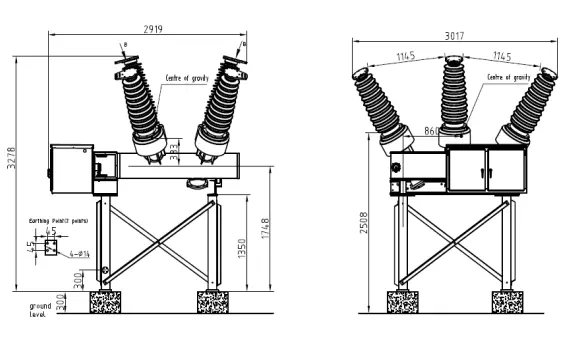
Outline drawing showing insulation clearance layout

III. Conclusion

The application of ROCKWILL tank-type SF6 circuit breakers at altitudes above 1000 m is essentially a defensive battle against environmental derating. The air thinning caused by high altitude weakens the electrical strength of the external insulation medium, making originally safe electrical clearances prone to breakdown under low pressure.

Therefore, engineering practice must strictly follow the "tight inside, loose outside" response strategy: internally, rely on the proven dual-mode self-adaptive mechanism of the SF6 arc-quenching chamber to ensure stable arc-quenching and insulation performance is maintained even under low-pressure environments; externally, based on IEC standards, use physical means such as increasing air gaps, extending creepage distances, and applying anti-contamination coatings to actively compensate for the insulation margin lost due to reduced air density.

Only by deeply integrating the core self-adaptive arc-quenching technology with standardized external insulation strengthening measures can the circuit breaker safeguard the high-voltage power grid under extreme high-altitude conditions and achieve reliable operation throughout its full lifecycle.

Edited From:Garca

Give a tip and encourage the author!

Comments

Share your question or perspective
WhatsApp
Send inquiry
+86
Click to upload file
Download
Get the IEE Business Application
Use the IEE-Business app to find equipment, obtain solutions, connect with experts, and participate in industry collaboration anytime, anywhere—fully supporting the development of your power projects and business.
Login
or continue with
New here?
Register