How to Perform Switching Operations of Electrical Equipment Properly

In the daily operations of an enterprise, the stable operation of electrical equipment is crucial. As a key step in changing the operational state of electrical equipment, the accuracy and standardization of switchgear operations directly impact equipment safety, production continuity, and personnel safety. Therefore, it is essential to enhance the level of switchgear operations and ensure that the operational procedures are standardized and precise.
I. Definition and Importance of Switchgear Operation
Switchgear operation refers to the process of changing electrical equipment from one state to another by operating disconnect switches, circuit breakers, and installing or removing grounding wires. Electrical equipment typically has three states: running, standby (cold standby and hot standby), and maintenance. Switchgear operations are required during equipment maintenance, accident handling, and system configuration adjustments. Correct execution of switchgear operations ensures smooth maintenance work, timely handling of accidents and abnormalities, and optimization of power system operation, thereby providing reliable power support for enterprise production. Conversely, errors in switchgear operations could lead to equipment damage, power outages, and even endanger the lives of employees, causing significant economic losses and adverse effects for the enterprise.
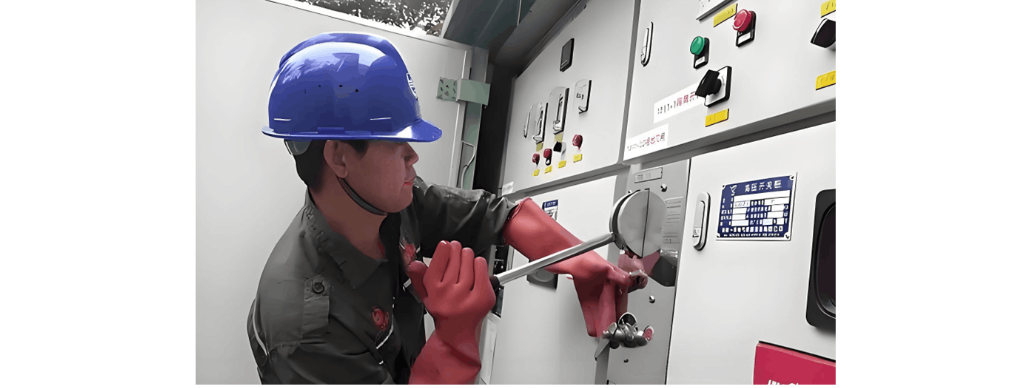
II. Standard Procedures for Switchgear Operation
-
Preparation before Operation: Before operation, personnel must clearly understand the operational task and have a thorough understanding of the power grid's operating mode. Based on the task, they should carefully fill out the operation ticket, ensuring its content is accurate and error-free, including the required operations (opening/closing circuit breakers, disconnect switches, grounding switches, etc.), voltage testing, installation/removal of grounding wires, etc. Additionally, the equipment numbers at the operation site must be carefully verified to ensure they match the operation ticket. Personnel should also check that operation tools are in good condition and that safety protective equipment is complete and qualified.
-
Simulation Operation: Before the actual operation, a simulation must be performed on the simulation board. The simulation should strictly follow the steps outlined in the operation ticket, with each step rehearsed to verify the correctness of the ticket, identify potential issues in advance, and make timely corrections. After the simulation is complete, the operator and the supervisor should recheck the operation ticket to confirm its accuracy before proceeding to the next step.
-
On-site Operation: Upon arriving at the operation site, the operator and supervisor should again verify the equipment number to confirm the correct equipment location. During the operation, the supervision and repetition system must be strictly enforced. The operator must repeat the operation content for each step to the supervisor, and only proceed after receiving confirmation from the supervisor. Operations should be carried out sequentially according to the operation ticket; skipping or omitting steps is strictly prohibited. Before opening or closing a disconnect switch or moving a draw-out switch in or out, it is imperative to check that the circuit breaker is indeed in the open position to prevent operating the disconnect switch under load.
-
Post-operation Inspection: After completing the operation, the operator should inspect the actual position of the equipment to ensure it has been correctly operated into place. For example, check if the open/close indicators of the circuit breaker and disconnect switch are correct and if the actual state of the equipment matches the operational requirements. Additionally, check if any tools or debris have been left behind at the operation site to ensure the area is clean and orderly.
III. Precautions for Switchgear Operation
Strictly Enforce the Operation Ticket System: The operation ticket is the basis for switchgear operations and must be filled out and reviewed according to regulations. The ticket should be filled out clearly and accurately, with no alterations allowed. During the operation, personnel must strictly follow the content of the operation ticket; operating without a ticket or making unauthorized changes to the ticket content is strictly prohibited.
-
Strengthen Supervision: Switchgear operations must be performed by two people: one operates while the other supervises. The supervisor should possess rich work experience and professional knowledge to promptly identify and correct any errors made by the operator. During the operation, the supervisor should closely monitor the operator's actions to ensure the operation is safe and standardized.
-
Prevent Misoperation: To prevent misoperations, management of the equipment's anti-misoperation interlock devices should be strengthened to ensure they are functioning normally. Operators should be familiar with the use of these devices and use them correctly during operations. Additionally, operational procedures must be strictly followed, and equipment numbers and operation content must be carefully verified to avoid misoperations due to negligence.
-
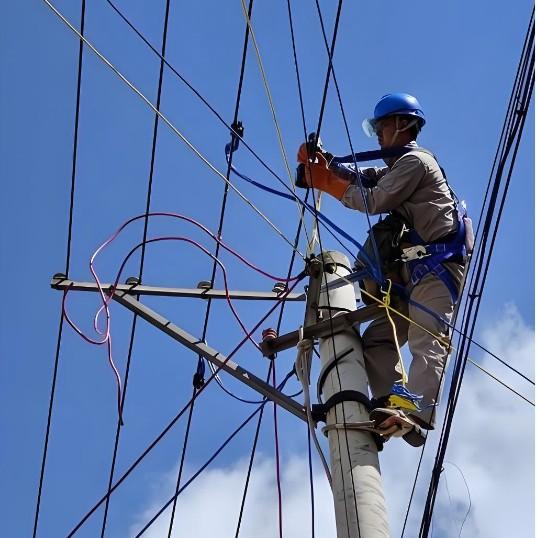
Pay Attention to Safety Protection: During switchgear operations, operators should wear the necessary safety protective equipment, such as insulating gloves and insulating shoes. When operating high-voltage equipment, they should also stand on an insulating mat to ensure personal safety. Furthermore, warning signs should be set up at the operation site to prevent unauthorized personnel from entering the operation area.
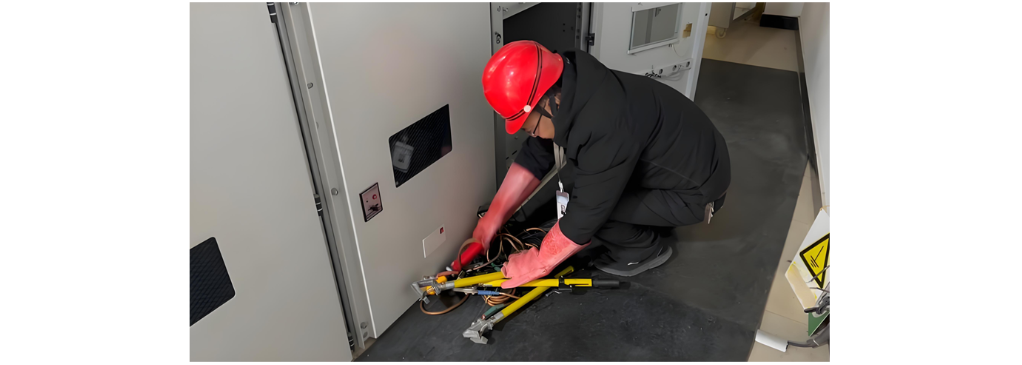
- Strictly Implement the "Five Prevents
- Prevent Mis-tripping and Mis-closing of Circuit Breakers: Through mechanical interlocks, electrical interlocks on the operating mechanism, and the operation ticket system, ensure that circuit breaker operations can only be performed under the correct conditions, avoiding power outages or faults due to misoperations
- Prevent Opening or Closing Disconnect Switches Under Load: When the circuit breaker is in the closed state, the disconnect switch cannot be operated to open; only after the circuit breaker is opened can the disconnect switch be operated. This is achieved through electrical interlocks and strict operational sequence regulations, preventing arcs from being generated when operating disconnect switches under load, which could cause equipment damage and personnel casualties
- Prevent Installing Grounding Wires or Closing Grounding Switches on Energized Equipment: When electrical equipment is de-energized for maintenance, voltage testing must be performed first to confirm the absence of voltage before installing grounding wires or closing grounding switches. Through voltage testers, interlocks between grounding switches and circuit breakers/disconnect switches, etc., prevent installing grounding wires or closing grounding switches on energized equipment, avoiding ground short-circuit accidents
- Prevent Closing with Grounding Wires or Grounding Switches Engaged: Before energizing, it must be checked whether the grounding wires or grounding switches have been removed or opened. Through the operation ticket system, equipment status checks, and interlock devices, ensure that the grounding devices have been correctly removed before energizing the equipment, preventing three-phase short-circuit accidents caused by closing with grounding wires or grounding switches engaged
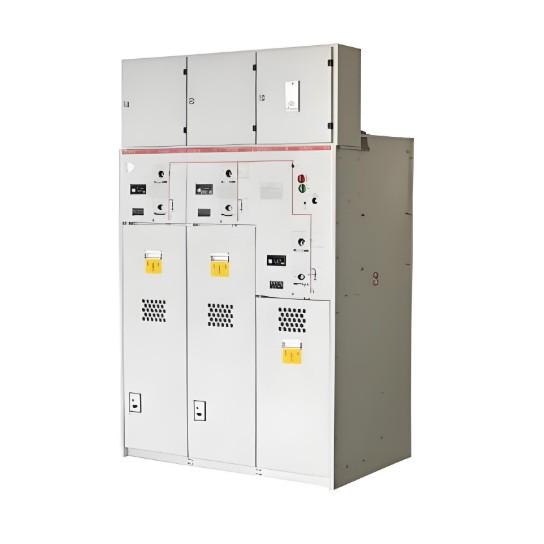
- Prevent Unauthorized Entry into Live Compartments: By setting up protective barriers, installing interlock devices, and hanging warning signs, prevent personnel from accidentally entering live equipment compartments to avoid electric shock accidents. At the same time, operators must carefully verify the equipment name, number, and location before operation to ensure the correctness of the operation.
IV. Summary and Requirements
Switchgear operation of electrical equipment is a high-risk task and must be taken seriously. We must strengthen safety education and training for employees, enhance their safety awareness and operational skills, and ensure that every employee can proficiently master the standard procedures and precautions for switchgear operations. In daily work, the operation ticket system and the supervision and repetition system must be strictly enforced. Supervision and management of the operation process should be strengthened to promptly identify and correct non-standard operations. At the same time, regular switchgear operation skill competitions should be organized to motivate employees to improve their technical proficiency. Only in this way can the safe operation of electrical equipment be effectively guaranteed, providing reliable power support for the enterprise's production and business activities.