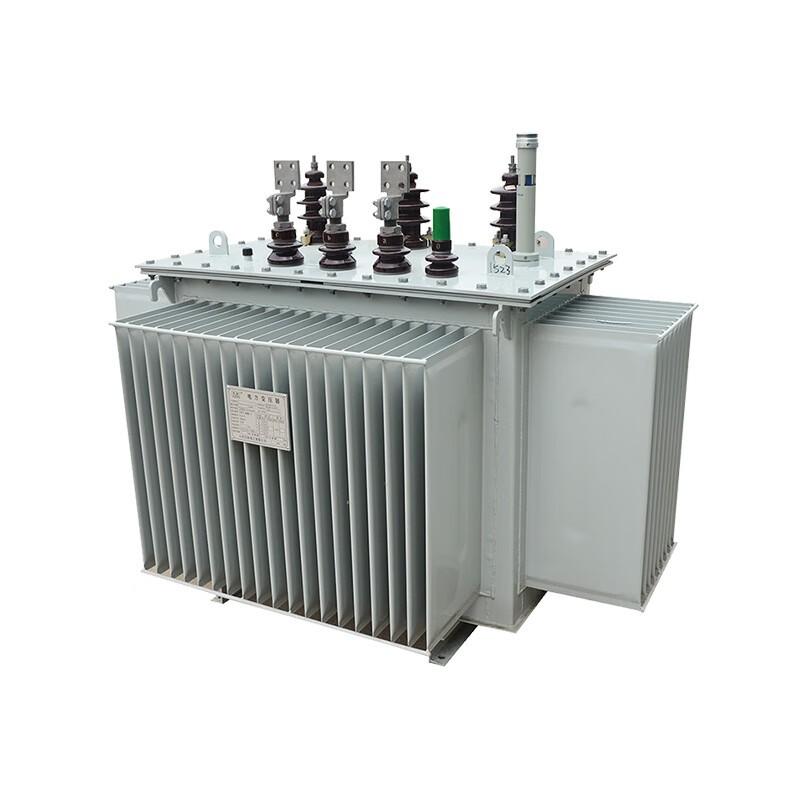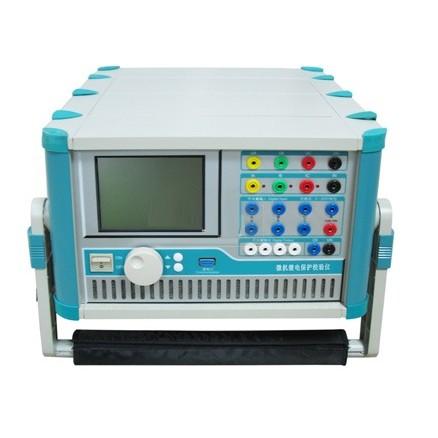
Preventing damaged electrical equipment from exploding during lightning strikes or short circuits is a critical preventive measure aimed at protecting people and property. Here are some steps that can be taken to reduce or prevent such occurrences:
1. Install Lightning Protection Devices
Lightning Rods: Installing lightning rods can divert lightning strikes to the ground, reducing direct damage to buildings and electrical equipment.
Surge Protectors: Installing surge protectors at the power entry point can prevent voltage spikes caused by lightning strikes from entering the electrical system.
2. Use Proper Fuses or Circuit Breakers
Fuses : Installing fuses of appropriate capacity can prevent damage to electrical equipment caused by overcurrent.
Circuit Breakers: Circuit breakers can automatically cut off power when current exceeds a set threshold, preventing dangers caused by short circuits or overloads.
3. Regular Maintenance
Inspection and Repair : Regularly inspect electrical equipment and wiring, and promptly repair or replace old wiring, plugs, sockets, etc.
Dust Cleaning: Keep the interior of electrical equipment clean to prevent overheating due to dust accumulation.
4. Use Grounding
Grounding: Ensure that all electrical equipment is properly grounded, allowing excess voltage to be directed to the earth, reducing voltage peaks inside the equipment.
Equipotential Bonding: Through equipotential bonding, make the shells of equipment electrically equal, preventing sparks caused by potential differences.
5. Install Residual Current Devices
RCDs: Install residual current devices in the circuit, which can quickly cut off power in the event of a leakage, preventing electric shock accidents.
6. Use Certified Electrical Appliances
Certified Products: Purchase and use electrical appliances that are certified, ensuring they meet national and industry standards.
Purchase from Reputable Sources: Avoid buying counterfeit products and ensure the quality of electrical equipment.
7. Proper Installation and Usage
Professional Installation: Have electrical equipment installed by professionals and use it according to the instructions.
Avoid Overloading: Do not allow electrical equipment to operate under prolonged overload conditions to prevent damage.
8. Education and Training
Safety Awareness : Raise users' awareness of safety and educate them about basic electrical safety knowledge.
Emergency Drills : Regularly organize emergency drills to teach users how to respond correctly in emergencies.
9. Use Fireproof Materials
Flame-Retardant Materials: Use flame-retardant materials to manufacture electrical equipment housings to reduce the risk of fire spreading.
Fireproof Coatings: Apply fireproof coatings in necessary areas to enhance the fire resistance of equipment.
10. Monitoring and Alarm Systems
Temperature Monitoring: Install temperature sensors to monitor the working temperature of electrical equipment and sound an alarm immediately if it exceeds a safe range.
Smoke Detectors: Install smoke detectors to promptly identify fire hazards.
Summary
Preventing damaged electrical equipment from exploding during lightning strikes or short circuits requires a combination of various technologies and measures, including installing lightning protection devices, using appropriate fuses or circuit breakers, regular maintenance, proper grounding, installing residual current devices, using certified electrical appliances, proper installation and usage, enhancing safety education, using fireproof materials, and installing monitoring and alarm systems. These measures can significantly reduce the risk of explosions in electrical equipment under extreme conditions.
If you have any further questions or need more information, please let me know!