What Is an H61 Distribution Transformer? Uses & Setup

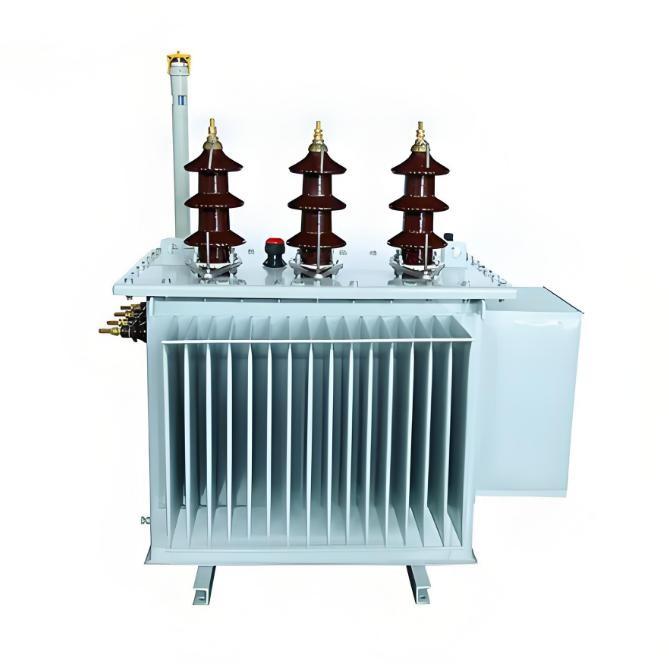
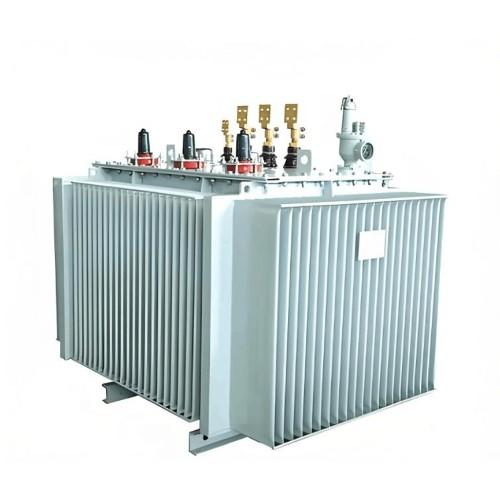
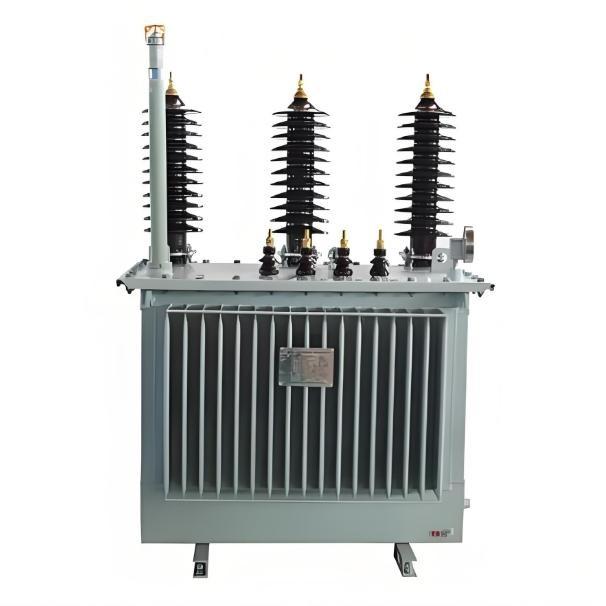
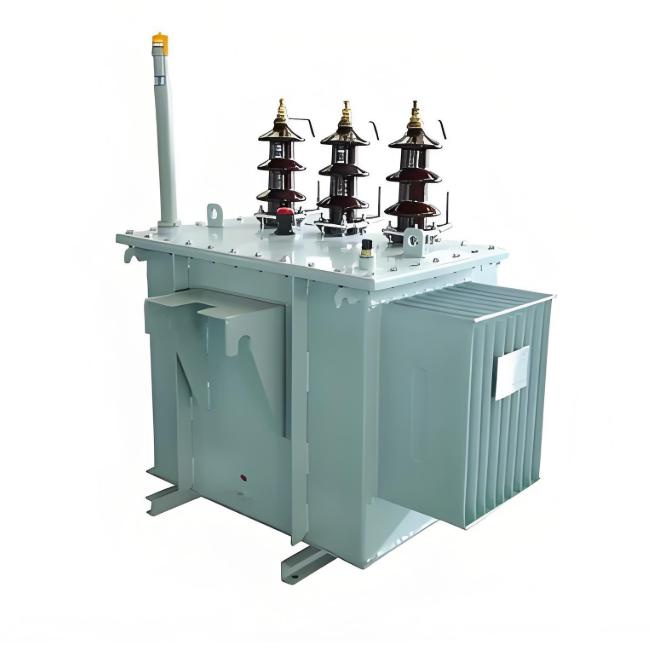
H61 distribution transformers refer to transformers used in power distribution systems. In a distribution system, high-voltage electricity must be converted into low-voltage electricity via transformers to supply electrical equipment in residential, commercial, and industrial facilities. The H61 distribution transformer is a type of infrastructure equipment primarily used in the following scenarios:
Supplying power from high-voltage grids to low-voltage grids: During power delivery, high-voltage power is fed into the distribution transformer, which steps it down to low-voltage current for transmission into the low-voltage grid, ensuring normal operation of electrical equipment.
Supplying power from low-voltage grids to electrical equipment: Electrical devices often require the current drawn from the low-voltage grid to be stepped up by an H61 distribution transformer to an appropriate voltage level to drive motors, appliances, and other equipment, thereby meeting production and daily life demands.
Isolating high- and low-voltage circuits: In addition to voltage transformation, the H61 distribution transformer provides galvanic isolation between high- and low-voltage circuits, preventing high voltage from directly entering low-voltage equipment and thus ensuring human safety.
There are many types of H61 distribution transformers, which can be classified based on power rating, voltage level, application environment, and other factors. Common types include dry-type transformers and oil-immersed transformers. During the use of distribution transformers, attention must be paid to safety issues, and proper operation and maintenance practices must be followed to ensure the normal operation of the power system.
1. Functions of the H61 Distribution Transformer
The H61 distribution transformer is a device used in power distribution systems, primarily designed to step down high voltage to low voltage for end users. It receives electrical energy from high-voltage transmission lines and delivers it to the transformer’s secondary side, where the voltage is reduced according to grid requirements to provide safe and reliable power to various user equipment.
In addition to voltage reduction, the H61 distribution transformer can adjust the output voltage to meet specific needs through its winding turns ratio, satisfying diverse power requirements in different applications. Furthermore, it can regulate current magnitude within specified limits to deliver stable voltage and current to users.
In power systems, H61 distribution transformers are typically installed close to end users—such as in factories, industrial buildings, public facilities, or residential areas—to enable efficient distribution of current and voltage. By reducing voltage levels, distribution transformers help minimize line losses, improve power transmission efficiency, and ensure safe and stable power supply for users.
In summary, the H61 distribution transformer plays a vital role in power systems. Through voltage step-down and adjustment of the winding turns ratio, it converts high voltage into low voltage for user consumption, making the power system safer, more reliable, and more efficient.
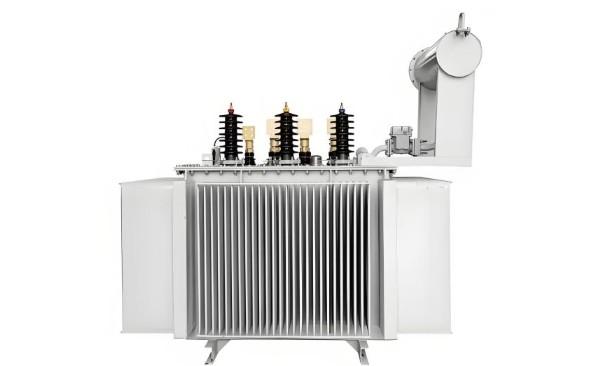
2. Installation Methods for H61 Distribution Transformers
The H61 distribution transformer is a critical component in power systems, used to convert high voltage into low voltage for delivery to various loads. The following outlines the installation procedures:
Determine the installation location: The transformer should be installed in a dry, well-ventilated, dust-free area with minimal exposure to sand, debris, or other contaminants. Installation should be avoided in environments with excessive humidity or flammable gases/liquids.
Construct the foundation: To ensure stability and safety, the foundation must be designed and built according to the transformer’s specifications and model.
Install the transformer: Once the foundation is complete, specialized mechanical equipment or manual tools should be used to assemble and position the transformer. Before placement, the unit must be inspected, and inspection results recorded in the installation log.
Wiring: After installation, wiring must be performed according to design specifications. Connections must comply with the transformer’s rated voltage, current capacity, cable length, and other relevant requirements. After wiring, grounding tests must be conducted to verify proper grounding.
Install insulators, surge arresters, etc.: To ensure safe operation of the H61 distribution transformer, protective devices such as insulators and surge arresters must also be properly installed.
In general, H61 distribution transformer installation must comply with relevant safety and technical standards. Thorough preparation is required before installation, and all steps—from foundation construction to transformer placement and wiring—must follow prescribed procedures. Safety protection measures must also be strictly observed to ensure safe operation.
3. Installation Precautions for H61 Distribution Transformers
As a key component of power systems, the installation of H61 distribution transformers requires attention to the following aspects:
Site selection: Choose a flat, dry, well-ventilated, dust-free location that meets strict environmental requirements, with sufficient space reserved. Site selection should also consider transportation access and emergency response capabilities.
Foundation construction: The foundation for the H61 distribution transformer must be solid, level, corrosion-resistant, and oil-resistant. Seismic and wind load factors must also be considered during foundation design.
Installation and wiring: Installation and wiring must strictly follow the product manual, national standards, and safety regulations. High-voltage side connections, in particular, require extreme caution, step-by-step execution, and verification of correctness.
Insulation and grounding: Insulation and grounding checks are critical to ensuring safe transformer operation. During installation, all grounding connections must be inspected to confirm compliance with relevant insulation and grounding requirements.
Trial operation and inspection: After installation, trial operation and comprehensive inspections must be conducted to verify the transformer’s performance and parameters, identify any potential issues, and ensure safe and reliable operation.
In conclusion, multiple factors must be comprehensively considered during H61 distribution transformer installation to meet operational requirements and establish a robust safety and quality assurance system. Both the safe, stable operation of the power system and the reliable power supply for end users depend on proper installation practices.